
Canada
Noise Bylaws in Canada: A City-by-City Guide
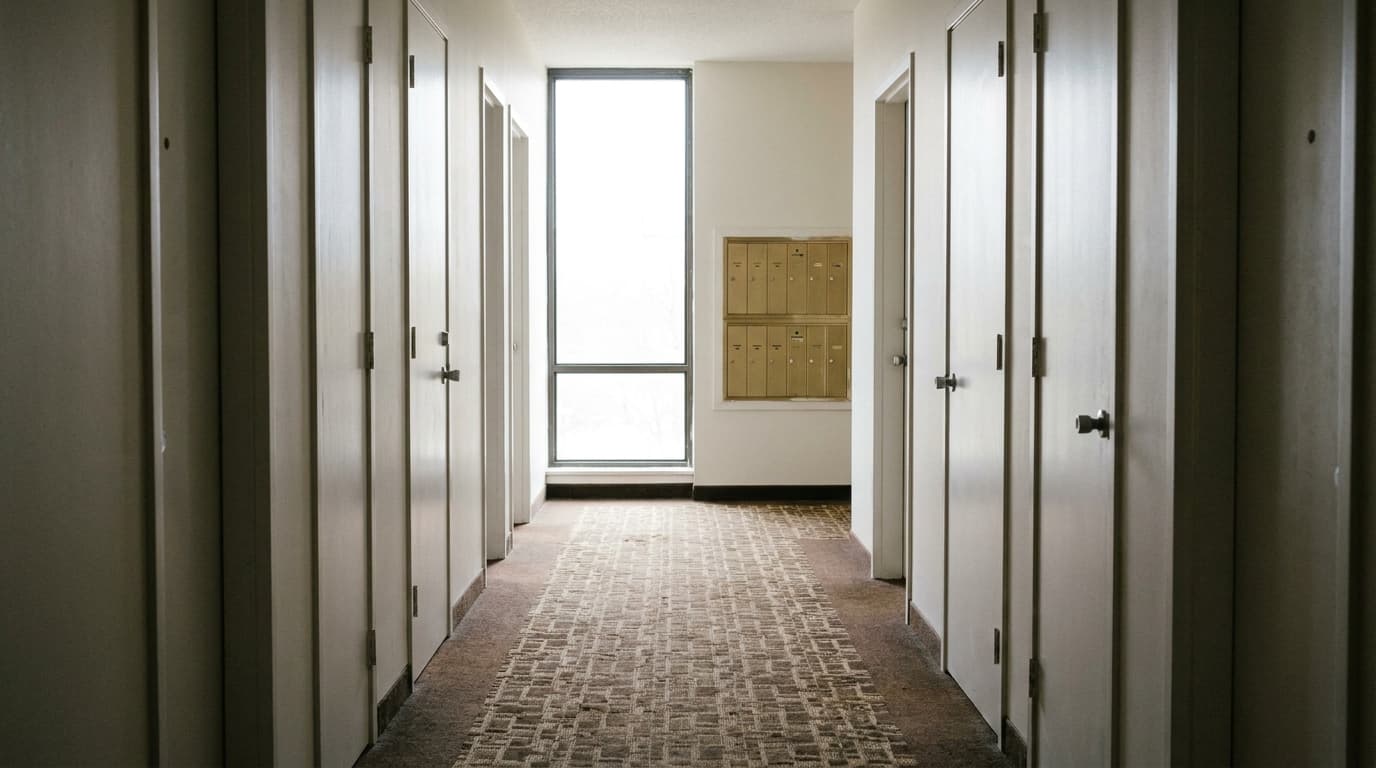
Noise in Canada is regulated by your municipality, not by any provincial or federal statute, so the actual quiet hours, decibel limits and fines depend entirely on which city or town you live in.
Noise Is a Municipal Matter, Not a Provincial or Federal One
There is no Canadian noise law and no provincial noise statute that sets quiet hours for everyone in Ontario, British Columbia or any other province. Noise control is delegated to municipalities, so a city council writes and amends its own noise bylaw, and a neighbouring town twenty minutes away can set completely different hours and penalties.
That is exactly why a general search for "Canada quiet hours" does not produce one clean answer. This page will not invent a single national rule, because none exists. Instead, it explains the two regulatory structures every Canadian noise bylaw is built from, so you can go find your own city's version quickly and know what you are looking at once you find it.
Two Ways Cities Regulate Noise
Time-Based Quiet Hours
Most Canadian municipalities set a block of overnight hours, often starting somewhere around 11 pm and ending around 7 am on weeknights, during which any noise that disturbs a neighbour can be a bylaw violation regardless of decibel level. Weekend and holiday mornings frequently get a later start time, since people sleep in.
Construction, deliveries, garbage collection and other specific activities usually get their own, separate set of hours, which are often narrower than the general residential quiet-hours window (construction typically has to stop earlier in the evening than a stereo would).
Decibel-Based Limits
Some cities set an actual maximum sound level, measured in decibels (dBA) at the property line or at a receiving property, rather than relying only on a clock. A decibel-based system usually sets one, lower limit for nighttime and a higher limit for daytime, since ambient city noise is louder during the day regardless of any one source.
Decibel limits require a bylaw officer to actually measure the sound with a meter to prove a violation, which is a heavier evidentiary bar than a simple "was it past 11 pm" question, so many cities combine both approaches: a blanket nighttime prohibition plus decibel limits that apply at other hours.
Activity-Specific Rules
On top of the general quiet-hours or decibel framework, nearly every municipal noise bylaw carries a list of specific, commonly complained-about activities with their own rules: construction and renovation hours, leaf blowers and lawn equipment, snow removal equipment, amplified or reproduced sound (stereos, PA systems, car audio), idling vehicles, and barking or otherwise persistently noisy animals. These specific rules often exist because a single generic "unreasonable noise" standard is hard to enforce against a leaf blower or a barking dog, so councils write a bright-line rule instead.
Quiet Hours in Five Major Canadian Cities
The table below describes the general structure each city currently uses. Bylaws are amended periodically, so always confirm the current hours and limits on the municipality's own bylaw page before relying on a specific time.
| City | General Approach | Typical Overnight Quiet Hours | Source Bylaw |
|---|---|---|---|
| Toronto | Time-based, with a general nuisance standard | 11 pm to 7 am weeknights, until 9 am on Saturdays, Sundays and statutory holidays | Municipal Code Chapter 591, Noise |
| Vancouver | Primarily decibel and nuisance-based, with activity-specific windows rather than one blanket clock | No single citywide overnight clock; construction and other activities each have their own permitted windows | Noise Control By-law No. 6555 |
| Calgary | Decibel-based, split into daytime and nighttime periods | Daytime is 7 am to 10 pm Monday to Saturday, and 9 am to 10 pm Sunday and holidays; nighttime is the remaining hours, with a lower decibel limit | Community Standards Bylaw |
| Montreal | Set borough by borough (arrondissement) under a citywide noise regulation framework | Varies by borough; commercial terrace noise, for example, must stop by 11 pm or 9 pm depending on the street | Règlement sur le bruit (by arrondissement) |
| Ottawa | Hybrid: a general nighttime prohibition plus daytime decibel limits | 11 pm to 7 am for general noise and sound-reproduction devices; construction stops earlier, at 10 pm | By-law No. 2017-255, Noise |
Notice that Vancouver and Montreal do not reduce to one simple overnight number the way Toronto and Ottawa do. Vancouver's bylaw is built around decibel limits and a long list of activity-specific permitted windows rather than one blanket quiet-hours clock, and Montreal delegates the details to its individual boroughs, so two Montreal addresses a few blocks apart can be governed by different specifics under the same citywide framework. If your city is not on this list, its bylaw is almost certainly built from the same two ingredients, time windows and decibel limits, in its own combination.
How Noise Complaints Are Enforced
Filing a Complaint
Most cities route noise complaints through a central line, commonly 311 where it exists, rather than 911. A complaint typically needs an address, a description of the noise and its source, and the time it occurred. Many cities dispatch a bylaw or noise enforcement officer to investigate, sometimes with extended evening or overnight coverage specifically because most noise happens outside a standard 9-to-5 shift.
Police generally are not the default responder to a noise complaint. Police involvement is usually reserved for late-night calls when no bylaw officer is on duty, or for situations that have escalated into a disturbance, a threat, or a request for police to attend for safety reasons.
The Evidence Problem
The hardest part of enforcing any noise bylaw is timing: by the time an officer arrives, the party has often wound down, the stereo has been turned off, or the barking has stopped. A single visit that finds no active noise can end in no violation being issued at all.
This is why documentation matters. A log of dates, times and duration, corroboration from other neighbours, and especially a timestamped audio or video recording of the noise as it is happening, all strengthen a complaint considerably, both for a bylaw officer deciding whether to issue a ticket and for any later civil claim.
Fines and Escalation
Fines for a bylaw violation are typically a few hundred dollars for a first offence, rising for repeat violations within a set period, and a small number of jurisdictions authorize significantly larger penalties for aggravated or repeated cases. Persistent, unresolved noise from the same source, especially a commercial property, a short-term rental, or a chronically noisy neighbour, can escalate to repeat tickets, a court summons, or in some cities a licence consequence for a business.
When the Bylaw Route Fails: Civil Remedies
The Tort of Nuisance
When bylaw enforcement does not stop a genuinely persistent noise problem, Canadian common law gives a property owner or tenant a separate civil remedy: the tort of nuisance. The Supreme Court of Canada's leading modern statement, in Antrim Truck Centre Ltd v Ontario (Transportation), sets nuisance as a two-step test: the interference with the use and enjoyment of land must be substantial (more than a trivial or slight annoyance) and unreasonable in all the circumstances, weighing factors like the severity, frequency and duration of the noise and the character of the neighbourhood.
A nuisance claim does not require a prior bylaw conviction, though a documented pattern of bylaw complaints and tickets against the same source is strong supporting evidence. Quebec's civil law tradition reaches a similar result through the Civil Code's neighbourhood disturbance rules rather than the common law tort, but the practical effect for a persistently noisy neighbour is comparable.
Small Claims
A nuisance claim for a modest amount of damages, or an order requiring a neighbour to stop a specific noisy activity, can generally be pursued in provincial small claims court without needing to hire a lawyer for a full civil trial. See our overview of small claims court in Canada for how the process, monetary limits and filing steps work in your province.
Renters and Condo or Strata Owners
A tenant dealing with a noisy neighbour in the same building, or a noisy landlord-controlled source like shared mechanical equipment, generally raises the issue first with the landlord and, if that fails, through their provincial landlord and tenant board rather than small claims court. See Canada tenant rights for how that process works.
A condo or strata owner has a further option: many condo corporations and strata councils have their own noise rules in the declaration or bylaws, and a growing number of provinces route unresolved noise disputes between owners to a dedicated tribunal rather than the courts. In Ontario, the Condominium Authority Tribunal (CAT) hears certain nuisance disputes, including noise, between condo owners. In British Columbia, the Civil Resolution Tribunal (CRT) has jurisdiction over strata property disputes, including noise, with no monetary cap on strata claims. Check your own condo's governing documents and your province's tribunal before assuming court is the only option.
Is It Legal to Record the Noise?
Making your own recording of a noise problem, a video with a visible clock or timestamp, an audio clip, or a decibel meter reading, is generally lawful and is often the single most persuasive piece of evidence you can bring to a bylaw officer, a tribunal or small claims court, because it solves the timing problem described above.
What you record matters. Recording ambient noise itself (music, machinery, barking) is different from secretly recording a private conversation between other people that you are not part of, which is a separate question governed by the Criminal Code's interception rules. See Canada's recording laws for how Canada's one-party consent rule works if a recording captures a conversation rather than, or in addition to, the noise itself.
Related Reading
Noise is one piece of the broader neighbour-relations picture. See neighbour disputes in Canada for boundary, fence and tree issues that are also municipal in nature, and the Canada property law hub for every related topic in this cluster.
Disclaimer: This article is for general informational purposes only and is not legal advice. Noise bylaws are set and amended by individual municipalities and change over time; confirm the current quiet hours, decibel limits and complaint process on your own city's official bylaw page before relying on any specific time or figure.
Frequently Asked Questions
Is there a national noise law in Canada?
No. Noise control is a municipal responsibility in Canada. There is no federal or provincial statute that sets quiet hours or decibel limits nationwide, so every city or town has its own noise bylaw.
What time do quiet hours usually start in Canadian cities?
Many cities set overnight quiet hours starting somewhere around 11 pm on weeknights, often with a later start on weekend and holiday mornings, but this varies by city and some cities use decibel limits instead of, or alongside, a fixed clock. Always confirm your own municipality's current bylaw.
Who enforces a noise complaint, police or bylaw officers?
Bylaw or noise enforcement officers normally handle noise complaints, not police. Police generally respond only late at night when no bylaw officer is on duty, or once a situation has escalated into a disturbance.
What can I do if noise bylaw enforcement does not solve the problem?
You can pursue the neighbour civilly under the tort of nuisance for a substantial and unreasonable interference with your use and enjoyment of your property, typically through small claims court for a modest damages claim or an order to stop the activity.
Is it different for renters or condo owners?
Yes. Renters generally raise a persistent noise problem with their landlord and, if unresolved, their provincial landlord and tenant board. Condo owners often have access to a faster tribunal route, such as Ontario's Condominium Authority Tribunal or BC's Civil Resolution Tribunal, for disputes between owners.
Can I record my noisy neighbour as evidence?
Generally yes. Recording the noise itself, such as a timestamped video or audio clip, is generally lawful and helps solve the common problem of noise stopping before a bylaw officer arrives. Secretly recording a private conversation you are not part of is a separate legal question under the Criminal Code's one-party consent rule.
Updates
Toronto's amended noise bylaw, By-law 878-2019, came into force, updating Municipal Code Chapter 591 and expanding the city's dedicated noise enforcement response to seven days a week.
Sources and References
- City of Toronto, Noise (bylaw enforcement)(toronto.ca).gov
- Toronto Municipal Code, Chapter 591, Noise(toronto.ca).gov
- City of Vancouver, Noise Control By-law No. 6555(vancouver.ca).gov
- City of Vancouver, Noise limits for various activities(vancouver.ca).gov
- City of Calgary, Bylaws related to noise(calgary.ca).gov
- City of Calgary, Noise on residential properties(calgary.ca).gov
- Ville de Montreal, Bruit (noise)(montreal.ca).gov
- City of Ottawa, Noise By-law No. 2017-255(ottawa.ca).gov
- Antrim Truck Centre Ltd v Ontario (Transportation), 2013 SCC 13(canlii.org)
- Province of British Columbia, The Civil Resolution Tribunal and strata disputes(gov.bc.ca).gov
- Condominium Authority Tribunal, About the Tribunal(condoauthorityontario.ca)