
Canada
Trespass Laws in Canada: Provincial Rules and Penalties
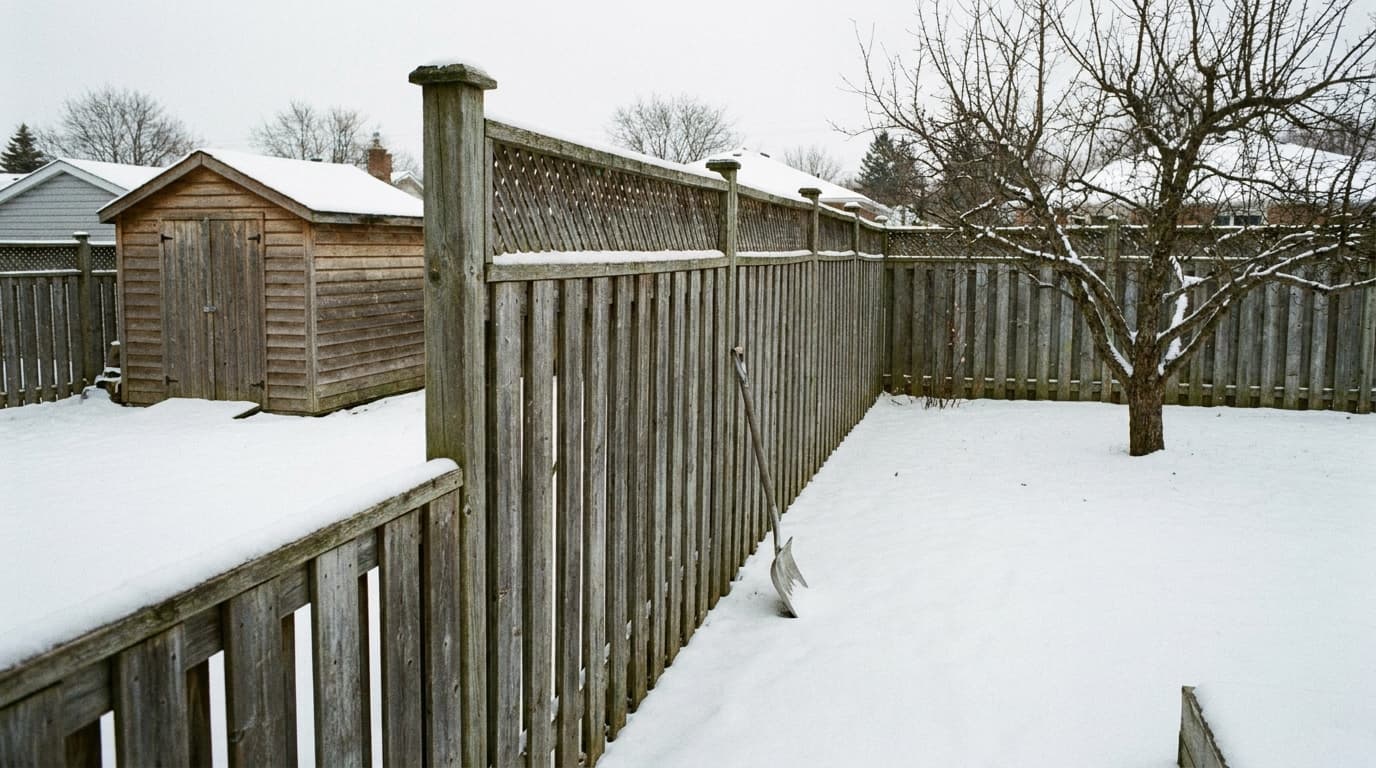
Trespassing in Canada is mainly a provincial offence governed by a separate act in each province, not a single federal crime, so the rules, notice requirements and fines depend on where the property sits.
Trespass Is a Provincial Matter
Property and civil rights fall under provincial jurisdiction in Canada's constitutional division of powers, and trespass law follows that line. Every common law province has its own trespass statute, and they are not identical. A sign, a fine amount or a defence that applies in Ontario will not necessarily apply the same way in British Columbia or Nova Scotia.
The federal Criminal Code sits alongside these provincial statutes and only takes over once conduct crosses into genuinely criminal territory, such as loitering at night near a home, causing damage, or breaking into a building. Ordinary daytime trespass, the kind involving someone walking onto land they were told to stay off, is almost always dealt with under the provincial act as a regulatory offence, not a criminal charge.
Quebec is the outlier. It has no dedicated trespass act at all. Instead, unauthorized entry onto private land is addressed through the property provisions of the Civil Code of Quebec and through municipal by laws, a structural difference covered in its own section below.
Province by Province: Statutes, Fines and Notice
The table below summarizes the main statute, the typical maximum fine, and how notice is generally given in each province. Fines shown are for an individual's first offence unless noted; several provinces set a higher fine for a repeat offence on the same property and a separate, much larger fine for a corporation that directs someone to trespass.
| Province | Main Statute | Maximum Fine (Individual) | How Notice Is Given |
|---|---|---|---|
| Ontario | Trespass to Property Act, R.S.O. 1990, c. T.21 | Up to $10,000 | Signs, red markings on wooded or fenced land, fences, or verbal notice |
| Alberta | Petty Trespass Act, R.S.A. 2000, c. P-11 and Trespass to Premises Act, R.S.A. 2000, c. T-7 | Up to $10,000 first offence, up to $25,000 repeat offence, up to $200,000 for a corporation that directs trespassing | Signs, fences or enclosures, or verbal or written notice |
| British Columbia | Trespass Act, R.S.B.C. 2018, c. 3 | Up to $2,000 (default penalty under the Offence Act, since the Trespass Act sets no fine of its own) | Signs clearly visible in daylight, or oral or written notice |
| Saskatchewan | The Trespass to Property Act, c. T-20.2, as amended in 2022 | Up to $5,000 first offence, up to $25,000 repeat offence, up to $200,000 for a corporation | Signs, fencing, or verbal notice |
| Manitoba | The Trespass Act, C.C.S.M. c. T156 | Up to $5,000 | Signs or verbal request to leave |
| Nova Scotia | Protection of Property Act, R.S.N.S. 1989, c. 363 | Several hundred dollars per offence under the summary offence schedule | Signs or verbal notice by the occupier |
| New Brunswick | Trespass Act, R.S.N.B. 2012, c. 117 | Set by offence category under the Provincial Offences Procedure Act | Signs on forest land, or word of mouth or written notice for other premises |
| Prince Edward Island | Trespass to Property Act, R.S.P.E.I. 1988, c. T-6 | Up to $2,000 for most offences | Signs or verbal notice |
| Newfoundland and Labrador | Petty Trespass Act, R.S.N.L. 1990, c. P-11 | A modest fixed fine under an older, largely unamended statute | Fencing, cultivation, or verbal notice |
| Quebec | Civil Code of Quebec, plus municipal by laws | Varies by municipality | No dedicated trespass notice regime; enforcement is civil or by local by law |
Because several of these figures were raised through recent amendments, always check the current version of the statute for the province in question before relying on an exact dollar amount.
How Notice Must Be Given
An occupier does not have to catch a trespasser to enforce these laws. Most provincial acts recognize several equivalent ways of telling people entry is not allowed, and any one of them is usually enough.
Posted signs are the most common method. Ontario's Trespass to Property Act requires a sign to be clearly visible in daylight under normal conditions from the approach to each ordinary point of access to the property, and several other provinces use nearly identical wording.
Red markings are a lesser known but real alternative under Ontario's Act. On land that includes woodlots or is otherwise wooded, or that is enclosed, red paint markings can substitute for a sign. Each marking must be large enough that a circle 10 centimetres in diameter fits entirely within it, and the markings must be placed so at least one is clearly visible in daylight from the approach to each ordinary point of access. Hunters and hikers in rural Ontario should treat a red blaze on a tree the same way they would treat a posted sign.
Fences and enclosures can themselves serve as notice. Land that is enclosed in a way that shows the occupier's intent to keep people or animals off it, such as a fenced field or a fenced yard, is generally treated as posted even without a sign, and entering fenced or cultivated land without permission is one of the more common ways people end up in violation without realizing it.
Verbal notice is just as effective as a sign in every province covered here. An occupier or someone they authorize can simply tell a person that entry is not permitted, or ask them to leave, and that spoken direction has the same legal weight as a posted sign from that point forward.
What Happens When You're Asked to Leave
Once notice has been given by any of these methods, the offence in most provinces is not really about how someone got onto the land. It is about staying after being told not to, or refusing to leave once directed to do so.
An occupier, or someone the occupier has authorized, has the power to direct a person to leave. If that person does not leave as soon as is reasonably practicable, they commit the trespass offence in that moment, separate from however they arrived.
The occupier does not have to physically remove anyone. The safer and legally correct path is to ask the person to leave and, if they refuse, call the police rather than escalate the situation personally.
When Trespassing Becomes a Criminal Matter
Most trespass complaints never touch the Criminal Code. But three sections mark the point where trespass-related conduct becomes a federal crime instead of a provincial ticket.
Section 177, trespassing at night, makes it an offence, without lawful excuse, to loiter or prowl at night on someone else's property near a dwelling house. This is aimed squarely at the person lurking near a home after dark, not at daytime entry onto a field or a business parking lot.
Section 430, mischief, applies once trespassing crosses into damaging property, rendering it useless or ineffective, or interfering with someone's lawful use and enjoyment of it. A person who cuts a fence, damages a gate, or vandalizes a building while trespassing can face mischief charges layered on top of, or instead of, the provincial offence, and the penalty scales with the value of the property affected.
Section 348, breaking and entering, covers actually breaking into a building or other place with intent to commit an indictable offence, or committing one once inside. This is a serious indictable offence, carrying up to life imprisonment where the target is a dwelling house, and is entirely distinct from simply walking onto open land.
The line matters practically. Someone who ignores a no trespassing sign and crosses an open field is committing a provincial offence. Someone doing the same thing at night near a house, or who damages something, or who forces entry into a structure, has moved into Criminal Code territory.
What an Occupier Can and Cannot Do
The law gives occupiers real tools, but it also draws firm limits around them.
An occupier, or a person they authorize, may generally:
- Direct a person to leave the property
- Use no more force than is reasonably necessary to remove someone who will not leave
- Arrest a person without a warrant if they are found trespassing, provided the arrest is promptly followed by calling police and handing the person over to them
- Ask police to attend and enforce the law instead of acting personally
An occupier may not:
- Set traps, spring guns, or other devices intended to injure a trespasser
- Use force beyond what is necessary to remove the person
- Detain someone for an extended period or interrogate them privately instead of promptly involving police
- Assume that force used in anger, rather than to end the trespass, will be treated as reasonable
A trespasser can also be sued civilly for damages caused while on the property, separate from any fine under the provincial act. Civil trespass claims are handled through the ordinary courts or, for smaller amounts, through the small claims process in the relevant province.
Special Cases: Utility Workers, Mail and the Front Door
Not every uninvited visit is trespassing. Utility and hydro workers generally have statutory or contractual rights of entry onto private land to read meters, maintain lines, or respond to an outage, separate from the trespass framework, though those rights are usually limited to what is necessary for the work at hand. Canada Post letter carriers, similarly, rely on the same general licence every visitor has to approach a home to make a delivery.
That general licence has a name in Canadian law: the implied licence to approach and knock. The Supreme Court of Canada recognized in R. v. Evans that the common law implies a licence for any member of the public, including police, to walk up to a residence's front door and knock, because that is how people communicate with an occupant. The licence is narrow. It only covers what is reasonably needed to make contact, and a posted no trespassing sign, or a direct request not to approach, can revoke it entirely, turning even a front walkway visit into trespass.
Photography and Recording From a Public Place
Standing on a public sidewalk or street and photographing or filming a house, business, or other property is generally lawful in Canada. Trespass law governs entry onto land, not what a camera captures from a place the public is entitled to be. For a fuller look at how Canadian law treats recording people and property, see our Canada recording laws overview.
That lawfulness can change quickly once the photographer steps onto posted or enclosed land to get a better angle, at which point the ordinary trespass rules above apply just as they would to anyone else entering that property.
Quebec: A Different Framework
Quebec does not have a trespass act. Unauthorized entry onto private land is instead addressed through the Civil Code of Quebec's provisions on ownership, which give an owner the right to the free use, enjoyment and disposal of their property and a right of action against interference with it. In practice, most day to day enforcement against unwanted entry in Quebec happens through municipal by laws, which vary by city and town, and through the same Criminal Code provisions, such as mischief and breaking and entering, that apply everywhere else in Canada.
This means a Quebec property owner dealing with an unwanted visitor typically has fewer of the specific statutory tools, like a fixed provincial fine or a formal notice regime, that exist in the rest of the country, and should look first to their municipality's by laws and, where appropriate, the Criminal Code.
Disclaimer: This article provides general information about trespass law across Canada's provinces and is not legal advice. Trespass statutes are amended periodically and enforcement details vary by municipality and by the specific facts of a situation. Anyone dealing with a trespassing dispute, a demand letter, or a potential charge should consult a lawyer licensed in the relevant province.
Frequently Asked Questions
Is trespassing a criminal offence in Canada?
Usually not. Ordinary trespass, such as ignoring a no trespassing sign during the day, is a provincial offence under statutes like Ontario's Trespass to Property Act, punishable by a fine. It becomes a Criminal Code matter only in specific situations, such as loitering at night near a dwelling under section 177, causing damage under the mischief provisions in section 430, or breaking into a building under section 348.
Do I need a no trespassing sign for my property to be protected?
Not necessarily. Most provinces recognize several equivalent forms of notice besides signs, including fences or enclosures that show an intent to keep people out, and simple verbal notice telling someone not to enter or to leave. Ontario also allows red paint markings as notice on wooded or fenced land.
What is Ontario's red marking rule?
Under Ontario's Trespass to Property Act, red paint markings can serve as notice that entry is prohibited on wooded or fenced land. Each marking must be big enough to contain a circle 10 centimetres across, and at least one marking must be clearly visible in daylight from the approach to each ordinary point of access to the property.
Can a property owner physically remove a trespasser?
An occupier or someone they authorize can direct a person to leave and use no more force than is reasonably necessary to remove them if they refuse. Excessive force, traps, or extended detention are not permitted, and calling police instead of acting personally is generally the safer approach.
How does Quebec handle trespassing without a trespass act?
Quebec has no standalone trespass statute. Unauthorized entry onto private land is addressed through the property provisions of the Civil Code of Quebec and through municipal by laws that vary by city, alongside the same federal Criminal Code provisions, such as mischief and breaking and entering, that apply across the country.
Is it trespassing to film someone's house from the street?
No. Photographing or filming a property from a public sidewalk or street is generally lawful in Canada, because trespass law governs entering land, not what is visible or recordable from a public place. Entering posted or enclosed land to get a better shot is a different matter and can trigger the ordinary trespass rules.
Updates
Saskatchewan's amendments to The Trespass to Property Act raised maximum fines to up to $5,000 for a first individual offence, up to $25,000 for a repeat offence, and up to $200,000 for a corporation.
Alberta's Trespass Statutes (Protecting Law Abiding Property Owners) Amendment Act, 2019 raised maximum fines under both the Petty Trespass Act and the Trespass to Premises Act from $2,000 to $10,000 for a first offence and from $5,000 to $25,000 for a repeat offence, and added a fine of up to $200,000 for a corporation that directs someone to trespass.
The Law Behind This Article
This article rests on the statutory provisions below, held in our own legal record and retrieved from the official source. Tap a section to read the operative text.
Offence Act (British Columbia)
s. 4General penaltyIn force
Unless otherwise specifically provided in an enactment, a person who is convicted of an offence is liable to a fine of not more than $2 000 or to imprisonment for not more than 6 months, or to both.
Official text (excerpt) · last checked 2026-08-13 · Read the full text in our law library · Verify at bclaws.gov.bc.ca
Criminal Code
s. 177Trespassing at nightIn forcecited in 2 of our articles
Every person who, without lawful excuse, loiters or prowls at night on the property of another person near a dwelling-house situated on that property is guilty of an offence punishable on summary conviction.
Official text (excerpt) · last checked 2026-08-12 · Read the full text in our law library · Verify at laws-lois.justice.gc.ca
Cited in 2 court opinions in our collectionLatest citing opinion in our collection: 2026
Opinions citing this section in our collection:
- R. v. Singer (Supreme Court of Canada 2026, 2026 SCC 8)
- R. v. Zundel (Supreme Court of Canada 1992, [1992] 2 SCR 731)
Identified automatically from the court opinions citing this section — not a ranking of which case controls.
s. 348Breaking and entering with intent, committing offence or breaking outIn forcecited in 2 of our articles
(1) Every one who (a) breaks and enters a place with intent to commit an indictable offence therein, (b) breaks and enters a place and commits an indictable offence therein, or (c) breaks out of a place after (i) committing an indictable offence therein, or (ii) entering the place with intent to commit an indictable offence therein, is guilty (d) if the offence is committed in relation to a dwelling-house, of an indictable offence and liable to imprisonment for life, and (e) if the offence is committed in relation to a place other than a dwelling-house, of an indictable offence and liable to imprisonment for a term not exceeding ten years or of an offence punishable on summary conviction. (2) For the purposes of proceedings under this section, evidence that an accused (a) broke and entered a place or attempted to break and enter a place is, in the absence of evidence to the contrary, proof that he broke and entered the place or attempted to do so, as the case may be, with intent to commit an indictable offence therein;
Official text (excerpt) · last checked 2026-08-12 · Read the full text in our law library · Verify at laws-lois.justice.gc.ca
Cited in 24 court opinions in our collectionLatest citing opinion in our collection: 2026
Opinions citing this section in our collection:
- R. v. Sharma (Supreme Court of Canada 2022, 2022 SCC 39)
- R. v. S.A.C. (Supreme Court of Canada 2008, 2008 SCC 47)
- R. v. Jabarianha (Supreme Court of Canada 2001, 2001 SCC 75)
Identified automatically from the court opinions citing this section — not a ranking of which case controls.
s. 430MischiefIn forcecited in 2 of our articles
(1) Every one commits mischief who wilfully (a) destroys or damages property; (b) renders property dangerous, useless, inoperative or ineffective; (c) obstructs, interrupts or interferes with the lawful use, enjoyment or operation of property; or (d) obstructs, interrupts or interferes with any person in the lawful use, enjoyment or operation of property. (1.1) Everyone commits mischief who wilfully (a) destroys or alters computer data; (b) renders computer data meaningless, useless or ineffective; (c) obstructs, interrupts or interferes with the lawful use of computer data; or (d) obstructs, interrupts or interferes with a person in the lawful use of computer data or denies access to computer data to a person who is entitled to access to it. (2) Every one who commits mischief that causes actual danger to life is guilty of an indictable offence and liable to imprisonment for life. (3) Every one who commits mischief in relation to property that is a testamentary instrument or the value of which exceeds five thousand dollars (a) is guilty of an indictable offence and liable to imprisonment for a term not exceeding ten years;
Official text (excerpt) · last checked 2026-08-12 · Read the full text in our law library · Verify at laws-lois.justice.gc.ca
Cited in 15 court opinions in our collectionLatest citing opinion in our collection: 2025
Opinions citing this section in our collection:
- R. v. Wise (Supreme Court of Canada 1992, [1992] 1 SCR 527)
- X (Re) (Federal Court 2017, 2017 FC 1047)
- Nagalingam v. Canada (Public Safety and Emergency Preparedness) (Federal Court 2012, 2012 FC 1411)
Identified automatically from the court opinions citing this section — not a ranking of which case controls.
Search our full record of Canadian federal law — every consolidated Act, in English and French →
Sources and References
- Trespass to Property Act, R.S.O. 1990, c. T.21(ontario.ca).gov
- Petty Trespass Act, R.S.A. 2000, c. P-11, Alberta King's Printer(kings-printer.alberta.ca).gov
- Trespass to Premises Act, R.S.A. 2000, c. T-7, Alberta King's Printer(kings-printer.alberta.ca).gov
- Trespass Statutes (Protecting Law Abiding Property Owners) Amendment Act, 2019, S.A. 2019, c. 23, Legislative Assembly of Alberta(docs.assembly.ab.ca).gov
- Trespass Act, R.S.B.C. 2018, c. 3, BC Laws(bclaws.gov.bc.ca).gov
- Offence Act, R.S.B.C. 1996, c. 338, section 4 default penalty, BC Laws(bclaws.gov.bc.ca).gov
- Government of Saskatchewan: Legislation Requires Federal Employees to Comply with Trespass Laws (2022 Trespass to Property Act amendments)(saskatchewan.ca).gov
- The Trespass Act, C.C.S.M. c. T156, Manitoba Laws(web2.gov.mb.ca).gov
- Protection of Property Act, RSNS 1989, c 363 (CanLII)(canlii.org)
- Trespass Act, R.S.N.B. 2012, c. 117, Government of New Brunswick(laws.gnb.ca).gov
- Trespass to Property Act, R.S.P.E.I. 1988, c. T-6, Government of Prince Edward Island(princeedwardisland.ca).gov
- Petty Trespass Act, R.S.N.L. 1990, c. P-11, House of Assembly of Newfoundland and Labrador(assembly.nl.ca).gov
- Civil Code of Quebec, CQLR c CCQ-1991, articles 947 and 953, LegisQuebec(legisquebec.gouv.qc.ca).gov
- Criminal Code, R.S.C. 1985, c. C-46, section 177 (trespassing at night), Justice Laws Website(laws-lois.justice.gc.ca).gov
- Criminal Code, R.S.C. 1985, c. C-46, section 430 (mischief), Justice Laws Website(laws-lois.justice.gc.ca).gov
- Criminal Code, R.S.C. 1985, c. C-46, section 348 (breaking and entering), Justice Laws Website(laws-lois.justice.gc.ca).gov
- R. v. Evans, [1996] 1 S.C.R. 8, CanLII (implied licence to approach a dwelling and knock)(canlii.org)