
Canada
BC Strata: Form B and Strata Rules
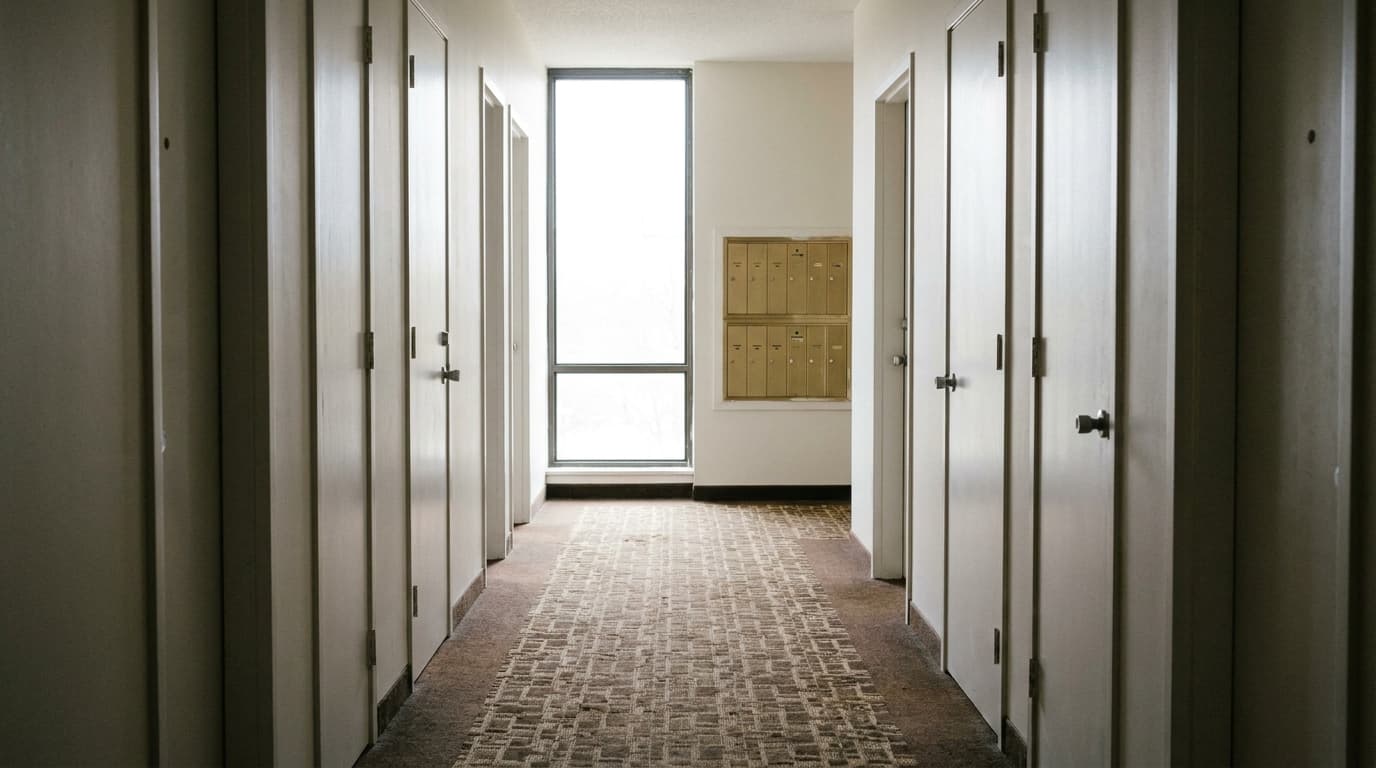
In British Columbia, the equivalent of a status certificate is the Form B Information Certificate, which a strata corporation must hand over within one week of a written request and payment of a small, regulation-capped fee.
What Is a Form B Information Certificate?
Under section 59 of British Columbia's Strata Property Act, a strata corporation must issue an Information Certificate, known by its regulatory name, Form B, to an owner, purchaser, or anyone authorized by an owner or purchaser who asks for one in writing. The strata corporation has one week from receiving the request and the fee to provide it.
Form B is the document a buyer's lawyer or realtor relies on before completing a purchase, similar to how an Ontario buyer relies on a status certificate. It is also the mechanism a current owner can use to check the financial and legal state of their own strata lot and the corporation as a whole.
The maximum fee a strata corporation can charge for a Form B is $35, plus up to 25 cents per page for photocopying any attachments. A strata corporation can refuse to release the certificate until the fee is paid, but it cannot charge more than the regulation allows, and there is no obligation to comply with a rush request for a faster turnaround, though many stratas will, for an additional rush fee.
What Form B Discloses
A properly completed Form B tells a buyer or owner:
- The current monthly strata fees for the lot
- Any amount owing by that specific lot, including unpaid strata fees, special levies, or fines
- The balance of the strata corporation's contingency reserve fund (CRF)
- Whether any special levies have been approved but not yet paid, or are anticipated
- The parking and storage stall or stalls, if any, allocated to the lot
- Any alterations to the lot that the strata council has agreed to in writing, since these agreements run with the property and bind future owners
The strata corporation must also attach several documents to the certificate: the current bylaws and rules, the most recently approved budget, and the most recent depreciation report, or written confirmation that none is required or none exists. Read every attachment. A Form B that discloses no arrears but omits the depreciation report, for instance, gives an incomplete picture of upcoming special levies.
Form F: Certificate of Payment
A Form F Certificate of Payment, issued under section 115 of the Strata Property Act, is a narrower document. It confirms only that no money, such as strata fees, special levies, fines, or chargebacks, is owed to the strata corporation by the lot's owner. The Land Title Office requires a current Form F before it will register a transfer of the strata lot.
The maximum fee for a Form F is $15, and like Form B, the strata corporation has one week to provide it. A Form F is only valid for 60 days, so a certificate obtained early in a long transaction may need to be renewed before closing.
Depreciation Reports: Planning for Big Repairs
A depreciation report projects a strata corporation's common property and common asset repair, maintenance, and replacement costs over a 30-year horizon, so owners and buyers can see whether the contingency reserve fund is actually on track to cover the roof, elevator, or building envelope work coming down the line.
Regulatory changes effective July 1, 2024 tightened the rules. Strata corporations with five or more lots must now obtain a depreciation report at least once every five years, and can no longer defer that obligation indefinitely through an annual 3/4 vote, a workaround many stratas had used for years. Only stratas with four or fewer lots remain exempt. Corporations without a depreciation report obtained since December 31, 2020 face phased deadlines: July 1, 2026 for stratas in Metro Vancouver and the Capital Regional District, and July 1, 2027 for the rest of the province.
Bylaws vs Rules: What Is the Difference?
Bylaws and rules both bind owners, tenants, and occupants, but they come from different processes and cover different ground.
Bylaws govern the more substantive matters: pet restrictions, renovations, rentals (subject to the Bill 44 limits below), and use of the units themselves. They must be filed with the Land Title Office to be enforceable, and passing or amending a bylaw requires a 3/4 vote of owners at a general meeting.
Rules, by contrast, can be made unilaterally by the strata council without a general meeting, but only to govern the use, safety, or condition of common property and common assets. A rule cannot contradict a bylaw or the Act, and it only remains in force if the owners ratify it by a simple majority vote at the next annual or special general meeting. An unratified rule stops applying.
Bill 44: No More Rental Bans, Age Restrictions Capped at 55+
BC's rental and age-restriction landscape changed sharply on November 24, 2022, when Bill 44, the Building and Strata Statutes Amendment Act, 2022, took effect. The bill removed strata corporations' ability to restrict or ban rentals through a bylaw. A strata can no longer prohibit owners from renting their lots, cap the number of units that may be rented, or impose a minimum rental term through a rental-restriction bylaw. Existing rental-restriction bylaws became unenforceable the day the bill took force.
Short-term accommodation restrictions are a separate category and were not affected. A strata corporation can still adopt a bylaw restricting or banning short-term rentals such as Airbnb-style stays, and the Strata Property Regulation was later amended to allow steeper, even daily, fines for breaching those specific bylaws.
Bill 44 also restricted age-restriction bylaws. Any bylaw restricting occupancy to owners or residents over a minimum age below 55 is now unenforceable. A strata corporation may still restrict a building to residents 55 and over, so genuine 55-plus buildings are unaffected, but a bylaw setting a 19-plus or 40-plus threshold, for example, no longer holds up.
Fines and Enforcement
A strata corporation can fine an owner or tenant for contravening a bylaw or rule, but the Strata Property Regulation caps how much: up to $200 for a bylaw contravention and up to $50 for a rule contravention. For a continuing contravention, such as an ongoing noise complaint, the strata generally cannot re-impose the fine more often than once every 7 days, though bylaws restricting short-term rentals can carry higher, more frequent fines under a later regulation amendment.
Before levying a fine, the strata corporation must give the owner or tenant written particulars of the complaint and a reasonable opportunity to respond, in person or in writing, at a council meeting called for that purpose. A fine imposed without that opportunity can be reversed.
Resolving Strata Disputes: The Civil Resolution Tribunal
Most BC strata disputes go to the Civil Resolution Tribunal, an online tribunal with jurisdiction over bylaw and rule enforcement, fines, common property and repair disputes, depreciation report disputes, strata fee and special levy disputes, and monetary claims against a strata corporation up to $50,000. Filing fees are modest, generally in the $125 to $175 range depending on the claim amount, and most of the process happens online without an in-person hearing.
Disputes above the CRT's monetary limit, or certain remedies the CRT cannot grant, still go to the BC Supreme Court.
Ontario vs BC at a Glance
| Ontario Status Certificate | BC Form B | |
|---|---|---|
| Governing statute | Condominium Act, 1998, s. 76 | Strata Property Act, s. 59 |
| Response deadline | 10 days | 1 week |
| Maximum fee | $100, including HST | $35, plus up to 25 cents/page copying |
| Dispute tribunal | Condominium Authority Tribunal (CAT) | Civil Resolution Tribunal (CRT) |
For the Ontario side of this comparison, including what a status certificate discloses and how the CAT's jurisdiction works today, see Condo Status Certificates in Ontario.
When to Get Help
A strata owner disputing a fine, a special levy, or a rental or age-restriction bylaw generally starts with the strata council, then the CRT if the dispute does not resolve internally. Renters affected by a strata's rules, as opposed to the building's own tenancy terms, may also want to review Canada Tenant Rights. Smaller neighbour-to-neighbour property disputes that fall outside strata governance, such as a boundary or damage claim against another owner personally, may belong in Small Claims Court. For the rest of BC and Canada's property law coverage, start at the Property Law hub.
Disclaimer: This article is for general information only and is not legal advice. Strata governance rules can vary by corporation and change over time; confirm current requirements with your strata corporation, a BC lawyer, or the Civil Resolution Tribunal before acting.
Frequently Asked Questions
Can a BC strata still ban or restrict rentals?
No. Bill 44 eliminated rental restriction bylaws effective November 24, 2022. A strata corporation can no longer ban rentals, cap how many units may be rented, or set a minimum rental term through a bylaw. Bylaws restricting short-term accommodation such as Airbnb-style stays are a separate category and remain allowed.
How much can a strata corporation charge for a Form B?
The maximum fee is $35, plus up to 25 cents per page for photocopying any attached documents. The strata can withhold the certificate until the fee is paid but cannot charge more than the regulation allows.
How long does a BC strata have to provide a Form B?
One week from receiving a written request and the fee, under section 59 of the Strata Property Act.
What is the difference between a strata bylaw and a strata rule?
Bylaws cover more substantive matters, are filed at the Land Title Office, and need a 3/4 vote of owners to pass or amend. Rules can be made by the strata council without a general meeting but only govern use, safety, or condition of common property, and must be ratified by the owners at the next annual or special general meeting.
Does every BC strata need a depreciation report?
No. Stratas with four or fewer lots are exempt. Stratas with five or more lots must obtain a depreciation report at least once every five years and can no longer defer it indefinitely by annual vote.
Where are BC strata disputes resolved?
Most go to the Civil Resolution Tribunal, which has jurisdiction over bylaw and rule enforcement, fines, common property and repair disputes, and monetary claims up to $50,000. Larger claims or certain remedies go to the BC Supreme Court.
Updates
Amended depreciation report regulations took effect, requiring stratas with five or more lots to obtain a report at least every five years and ending indefinite deferral by annual vote.
Bill 44 (Building and Strata Statutes Amendment Act, 2022) took force, eliminating rental restriction bylaws in BC stratas and limiting age restriction bylaws to a minimum of 55 and over.
The Law Behind This Article
This article rests on the statutory provisions below, held in our own legal record and retrieved from the official source. Tap a section to read the operative text.
Strata Property Act (British Columbia)
s. 59Information CertificateIn forcecited in 2 of our articles
1 Within one week of a request by an owner, a purchaser or a person authorized by an owner or purchaser, the strata corporation must give to the person making the request an Information Certificate in the prescribed form. 2 The certificate must contain the information required by subsection (3), as
Official text (excerpt) · last checked 2026-08-13 · Read the full text in our law library · Verify at bclaws.gov.bc.ca
Condominium Act, 1998 (Ontario)
s. 76Status certificateIn forcecited in 3 of our articles
(1) The corporation shall give to each person who so requests a status certificate with respect to a unit in the corporation, in the prescribed form, that specifies the date on which it was made and that contains, (a) a statement of the common expenses for the unit and the default, if any, in paymen
Official text (excerpt) · last checked 2026-08-13 · Read the full text in our law library · Verify at ontario.ca
Also relied on in: Ontario Condo Status Certificates: What They Disclose
Search our full record of US law — 2.1 million sections, every state + federal →
Sources and References
- Strata Property Act, SBC 1998, c 43 (sections 59, 115, 125, 128, 135)(bclaws.gov.bc.ca).gov
- Strata Property Regulation (Form B and Form F fees, section 7.1 fine limits)(bclaws.gov.bc.ca).gov
- Form B: Information Certificate - Province of British Columbia(gov.bc.ca).gov
- Form F: Certificate of Payment - Province of British Columbia(gov.bc.ca).gov
- Changes to strata legislation (Bill 44) - Province of British Columbia(gov.bc.ca).gov
- Strata depreciation report requirements - Province of British Columbia(gov.bc.ca).gov
- The Civil Resolution Tribunal and strata disputes - Province of British Columbia(gov.bc.ca).gov
- Civil Resolution Tribunal - strata property disputes(civilresolutionbc.ca).gov
- Condominium Act, 1998, SO 1998, c 19, section 76 (Ontario status certificates)(ontario.ca).gov