DC Landlord-Tenant Recording Laws: Cameras, Privacy Rights, and Disputes (2026)
Independently fact-checked against primary sources (last audited August 15, 2026). · Reviewed by the RecordingLaw editorial team. · Law checked current as of August 15, 2026. · 6 primary sources cited on this page. How we verify our legal content
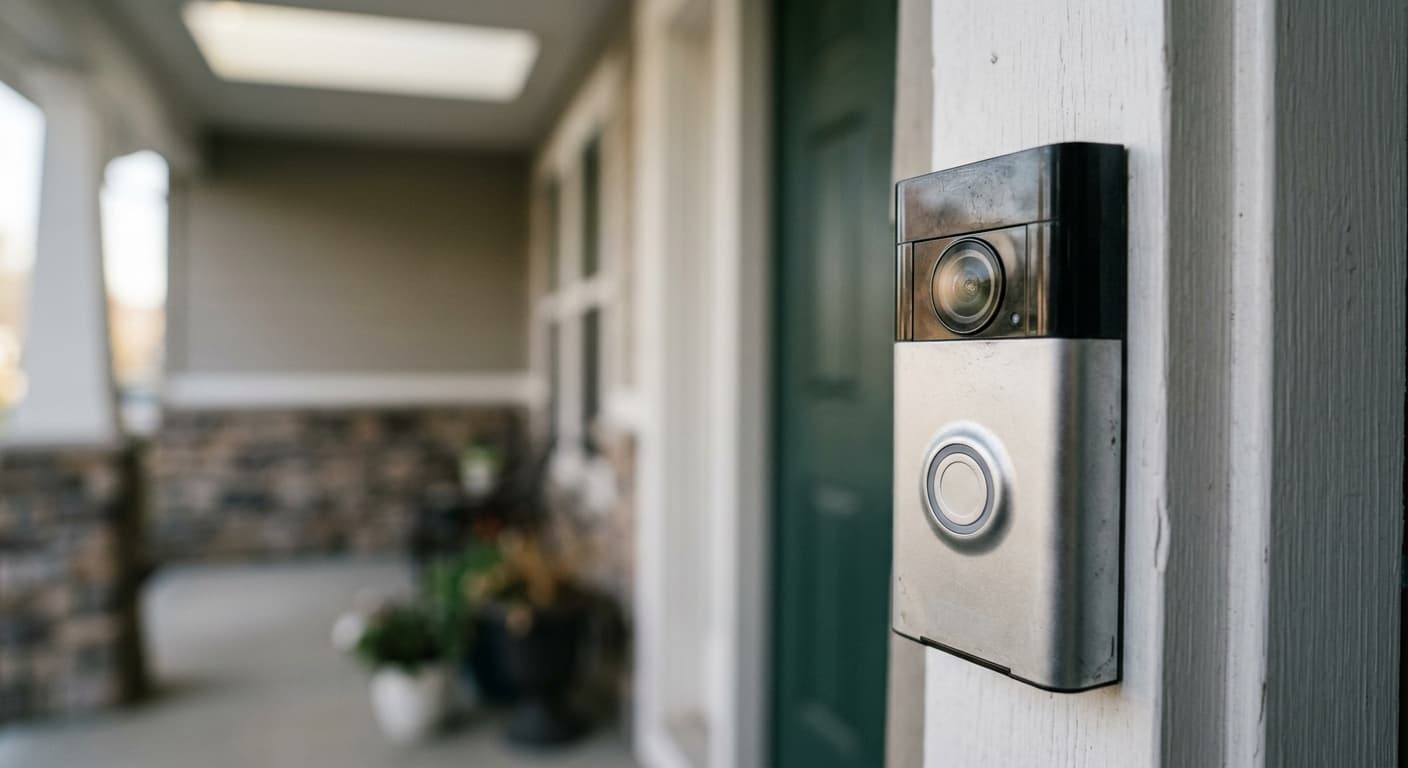
In the District of Columbia, either party to a conversation may legally record it without notifying the other under D.C. Code 23-542. Landlords cannot place hidden cameras inside a tenant's rental unit, though exterior and common-area cameras are permitted.
The District of Columbia has some of the strongest tenant protection laws in the United States, and recording rights play an important role in landlord-tenant relationships. Under D.C.'s one-party consent framework, both landlords and tenants can record conversations they participate in without informing the other party.
D.C. Code Section 23-542 permits recording by a party to the communication or with the consent of one party. The only limitation is that the recording cannot be made for criminal, tortious, or injurious purposes.
Landlord Security Cameras on Rental Property
Where Cameras Are Permitted
D.C. landlords can install security cameras on rental properties to protect the premises and common areas. Permissible locations include:
- Building entrances and exits
- Hallways and lobbies in multi-unit buildings
- Parking areas and garages
- Exterior walls and common courtyards
- Laundry rooms and shared amenity spaces
- Mail areas and package delivery zones
Where Cameras Are Prohibited
Cameras may not be placed where tenants have a reasonable expectation of privacy:
- Inside individual tenant units
- Bathrooms and shower areas
- Private balconies or patios
- Any area where tenants would reasonably expect not to be observed
Installing hidden cameras inside a tenant's unit could violate D.C.'s voyeurism statute (D.C. Code Section 22-3531) and the wiretapping statute, resulting in serious criminal charges.
Audio on Security Cameras
Security cameras that capture audio of conversations the landlord is not part of may constitute illegal interception under D.C. Code Section 23-542. The safest approach for D.C. landlords is to use video-only cameras in common areas or post clear notice about audio recording.
| Location | Video | Audio |
|---|---|---|
| Building entrance | Permitted | Post notice; use caution |
| Hallways | Permitted | Post notice; use caution |
| Inside tenant unit | Prohibited | Prohibited |
| Parking areas | Permitted | Generally legal (exterior) |
| Bathrooms | Prohibited | Prohibited |
Tenant Recording Rights in DC
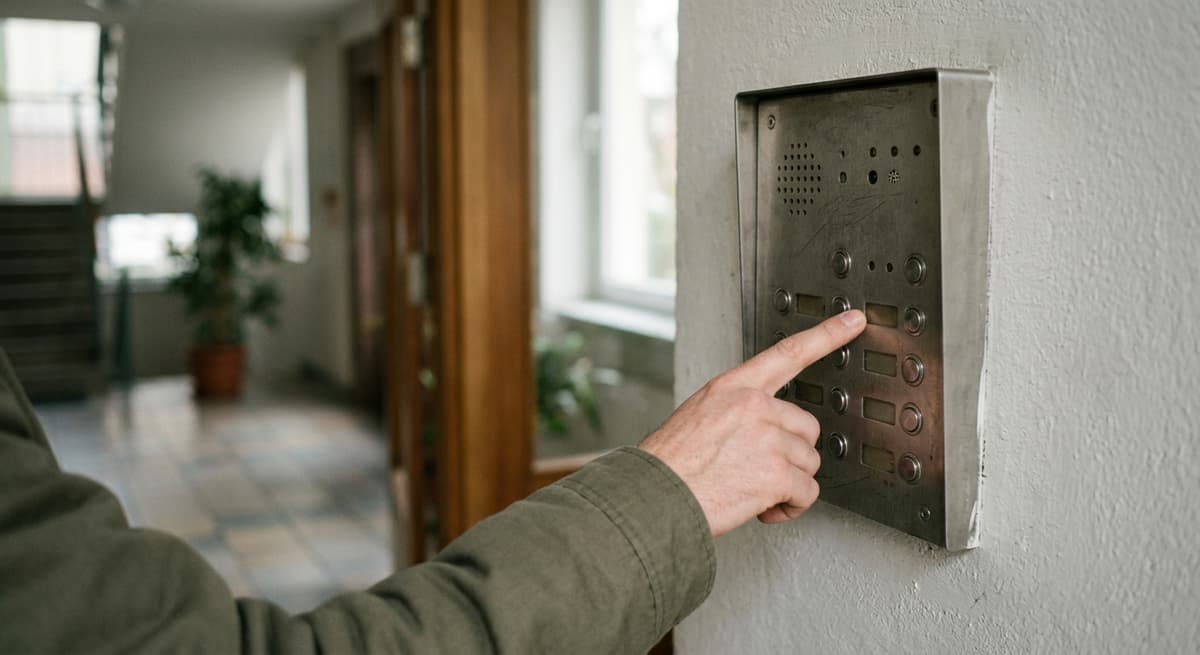
Recording Conversations with Landlords
D.C. tenants can record any conversation they participate in with their landlord under one-party consent:
- In-person meetings about rent, repairs, or lease terms
- Phone calls about maintenance requests
- Walk-through inspections where the tenant is present
- Meetings about lease violations or eviction notices
- Interactions with building management companies
Why Tenants Record in DC
D.C.'s competitive rental market and complex tenant protection laws make recording especially valuable:
- Housing code violations: Recording a landlord's acknowledgment of code violations creates evidence for complaints to the D.C. Department of Buildings
- Rent increase disputes: D.C.'s rent stabilization program under the Rental Housing Act limits increases for covered units. Recordings can document improper rent demands.
- Repair requests: Capturing verbal promises to make repairs establishes a record of the landlord's obligation
- Harassment documentation: D.C. law prohibits landlord harassment of tenants
- Eviction defense: Recordings can be evidence in D.C. Landlord and Tenant Court
Tenant Security Cameras
D.C. tenants can install personal security cameras inside their rental units. Considerations:
- Check the lease for restrictions on modifications
- Use wireless cameras if the lease prohibits permanent installations
- Position cameras to capture only your own unit, not common areas or neighboring units
- Doorbell cameras should be aimed at your entrance only
DC Tenant Protection Laws and Privacy

The Rental Housing Act
D.C.'s Rental Housing Act (D.C. Code Section 42-3501 et seq.) provides extensive tenant protections, including rent stabilization for eligible units, restrictions on eviction, and requirements for proper notice before entry.
Entry and Notice Requirements
Under D.C. law, landlords must provide reasonable notice (typically 48 hours) before entering a tenant's unit, except in genuine emergencies. Entry is permitted only for specific purposes such as repairs, inspections, or showing the unit to prospective tenants.
If a landlord enters without proper notice, a tenant's recording of the unauthorized entry can serve as evidence in court.
Anti-Retaliation Protections
D.C. law prohibits landlords from retaliating against tenants who exercise their legal rights, including filing complaints or recording interactions. A landlord cannot raise rent, reduce services, or initiate eviction because a tenant recorded a conversation.
Recording During Disputes and Evictions

Documenting Disputes
Both landlords and tenants can use recordings to document disputes:
- Maintenance failures: A tenant records the landlord acknowledging a broken heating system
- Lease violations: A landlord records a conversation where the tenant discusses a lease breach
- Security deposit disputes: Either party records a move-out inspection
- Noise complaints: A tenant records noise levels as evidence
Eviction Proceedings
D.C.'s Landlord and Tenant Court handles eviction cases. Recordings made under one-party consent are admissible as evidence. D.C. has strong eviction protections, and recordings documenting a landlord's improper behavior can be powerful in court.
The D.C. Courts provide resources for self-represented parties in landlord-tenant matters.
Office of the Tenant Advocate
The D.C. Office of the Tenant Advocate (OTA) provides free assistance to D.C. tenants. Recordings of landlord interactions can support complaints filed with the OTA and serve as evidence in administrative proceedings.
Doorbell Cameras and Smart Devices
Tenant Doorbell Cameras
D.C. tenants can use doorbell cameras at their unit entrance. Under one-party consent, audio captured when the tenant interacts with a visitor is legal. Position the camera to capture only your entrance area in multi-unit buildings.
Smart Locks and Access Logs
Modern D.C. rental buildings may use smart access systems. While these systems do not record audio, they create logs of entry and exit that can be relevant in unauthorized entry disputes. Landlords should disclose smart access systems in the lease.
Penalties for Illegal Recording
Criminal Penalties
| Offense | Max Prison | Max Fine |
|---|---|---|
| Illegal interception (D.C. Code Section 23-542) | 5 years | $12,500 |
| Voyeurism (D.C. Code Section 22-3531) | Up to 1 year (misdemeanor) | Varies |
Civil Liability
Under D.C. Code Section 23-554(c), victims can sue for the greater of:
- Actual damages, or statutory damages of $100 per day of violation, or a $1,000 floor;
- Punitive damages;
- Reasonable attorney fees and litigation costs.
Subsection (c) waives sovereign immunity, so even landlords that are governmental or quasi-governmental entities are liable under the statute. A good-faith reliance on a court order is a defense for the recording party.
Voyeurism Penalty Structure for Hidden-Camera Landlords
D.C. Code Section 22-3531 has a three-prong structure with a separate felony distribution prong:
- Section 22-3531(b), (c), (d): misdemeanor prongs covering hidden observation posts, secret electronic recording, and upskirt/downblouse imagery (up to 1 year, $2,500 fine).
- Section 22-3531(f)(2): felony prong for knowingly distributing a recording captured in violation of (b), (c), or (d) (up to 5 years, $12,500 fine under D.C. Code Section 22-3571.01).
A landlord who installs a hidden camera in a tenant unit and then distributes the resulting footage faces felony exposure, not just the base misdemeanor.
Best Practices
For Landlords
- Use video-only security cameras in common areas with posted notices
- Never install cameras inside tenant units
- Disclose all surveillance in the lease agreement
- Provide proper notice before entry
- Do not use surveillance to harass or intimidate tenants
For Tenants
- Document unit conditions with video at move-in and move-out
- Record conversations with landlords when disputes arise
- File complaints with OTA or the D.C. Department of Buildings if needed
- Install personal security cameras inside your unit
- Preserve recordings securely for potential use as evidence
Explore More DC Recording Laws
Audio Recording | Video Recording | Voyeurism Laws | Workplace Recording | Recording Police | Phone Call Recording | Security Cameras | Recording in Public | Landlord-Tenant Recording | Dashcam Laws | School Recording | Medical Recording
More District of Columbia Recording Topics
More District of Columbia Laws
Frequently Asked Questions
Can I record my landlord in DC without telling them?
Yes. D.C. follows one-party consent under D.C. Code Section 23-542. As a party to the conversation, you can record interactions with your landlord without informing them.
Can a DC landlord put cameras inside my apartment?
No. Landlords cannot install cameras inside tenant units where tenants have a reasonable expectation of privacy. This could violate D.C.'s wiretapping and voyeurism statutes.
Can my landlord record audio in common areas in DC?
Audio recording in common areas is legally questionable unless the landlord is a party to the captured conversations. Video-only cameras with posted notice are the safest approach for common areas.
Can recordings be used in DC Landlord and Tenant Court?
Yes. Recordings made under one-party consent are admissible as evidence in D.C. courts, including Landlord and Tenant Court. Preserve the original recording without editing.
What can I do if my DC landlord has a hidden camera in my unit?
Contact the D.C. Metropolitan Police immediately. The landlord may face criminal charges for illegal interception (up to 5 years in prison) and voyeurism. You can also file a civil lawsuit for damages under D.C. Code Section 23-554.
Updates
Independently fact-checked against the cited primary sources; governing law re-checked for recent changes
Governing law re-checked for recent changes
Reviewed and approved by an editor
The Law Behind This Article
This article rests on the statutory provisions below, held in our own legal record and retrieved from the official source. Tap a section to read the operative text.
Code of the District of Columbia, Title 23: Criminal Procedure. - Chapter 5: Warrants and Arrests. - Subchapter III: Wire Interception and Interception of Oral Communications.
§ 23-542Interception, disclosure, and use of wire or oral communications prohibited.In forcecited in 22 of our articles
(a) Except as otherwise specifically provided in this subchapter, any person who in the District of Columbia — (1) willfully intercepts, endeavors to intercept, or procures any other person to intercept or endeavor to intercept any wire or oral communication; (2) willfully discloses or endeavors to disclose to any other person the contents of any wire or oral communication, or evidence derived therefrom, knowing or having reason to know that the information was obtained through the interception of a wire or oral communication; or (3) willfully uses or endeavors to use the contents of any wire or oral communication, or evidence derived therefrom, knowing or having reason to know, that the information was obtained through the interception of a wire or oral communication; shall be fined not more than the amount set forth in [§ 22-3571.01] or imprisoned not more than five years, or both; except that paragraphs (2) and (3) of this subsection shall not apply to the contents of any wire or oral communication, or evidence derived therefrom, that has become common knowledge or public information.
Official text (excerpt) · last checked 2026-08-31 · Read the full text in our law library · Verify at github.com
Cited in 16 court opinions in our collectionLatest citing opinion in our collection: 2024
In the courts (editorial summary, independently checked):District of Columbia courts have construed the one-party consent provision of D.C. Code 23-542(b)(2). United States v. Sell (1985) held the consent must be voluntary, the government meeting its burden by showing the party cooperated knowing what officers were doing. Thomas v. United States (2017) applied it to an interstate call.
Opinions citing this section in our collection:
- United States v. Sell (District of Columbia Court of Appeals 1985, 487 A.2d 225)✓Police recorded a woman's calls with an officer she accused of coercing sex acts. Construing the one-party consent provision for the first time, the court held the government need only show she cooperated knowing what police were doing, and reversed the suppression order.
- David Thomas v. United States (District of Columbia Court of Appeals 2017)“…s. & .lud. Proc. § 10- 402 [c)(.'£)(ii) (West 2015). Under D.C. Code § 23-542." the legislature has clearly defined w…”
- Thomas v. United States (District of Columbia Court of Appeals 2017, 171 A.3d 151)✓Police in the District recorded a call between a voyeurism victim and the defendant, who was in Maryland and did not consent. The court held this section governs admissibility in District courts and does not incorporate Maryland's two-party rule, so suppression was denied.
Identified automatically from the court opinions citing this section — not a ranking of which case controls.
Also relied on in: District of Columbia Recording Laws (2026): One-Party Consent Rules, One-Party Consent States: Complete 2026 Guide, District of Columbia Laws on Recording Police: Your Rights and Limits
§ 23-554Authorization for recovery of civil damages.In forcecited in 14 of our articles
(a) Any person whose wire or oral communication is intercepted, disclosed, or used in violation of this subchapter shall — (1) have a civil cause of action against any person who intercepts, discloses, or uses, or procures any other person to intercept, disclose, or use, such communications; and (2) be entitled to recover from any such person — (A) actual damages, but not less than liquidated damages computed at the rate of $100 a day for each day of violation, or $1,000 whichever is higher; (B) punitive damages; and (C) a reasonable attorney’s fee and other litigation costs reasonably incurred. (b) Good faith reliance on a court order or legislative authorization shall constitute a complete defense to an action brought under this section or any other law. (c) As used in this section, the term “person” includes the District of Columbia. The District of Columbia shall not assert any governmental immunity to avoid liability under this section. Judgment against the District of Columbia shall not constitute a bar to action against any other person.
Official text (excerpt) · last checked 2026-07-30 · Read the full text in our law library · Verify at github.com
Cited in 3 court opinions in our collectionLatest citing opinion in our collection: 2022
Opinions citing this section in our collection:
- Democracy Partners, LLC v. Project Veritas Action Fund (District Court, District of Columbia 2020)“…each day of violation, or $1,000, whichever is higher. See D.C. Code § 23-554(a)(2)(A). Both statutes also allow for…”
- Council on American-Islamic Relations Action Network, Inc. v. Gaubatz (District Court, District of Columbia 2022)“…oral or wire communication.” D.C. Code § 23-542(a)(2)-(3); D.C. Code § 23-554(a)(1) (authorizing civil action for re…”
Identified automatically from the court opinions citing this section — not a ranking of which case controls.
Also relied on in: District of Columbia Audio Recording Laws: Complete Legal Guide, DC Dashcam Laws: Recording Rules, Windshield Mounting, and Legal Limits (2026), DC Medical Recording Laws: Patient Rights, HIPAA, and One-Party Consent (2026)
Search our full record of US law — 2.1 million sections, every state + federal →
Sources and References
- D.C. Code Section 23-542 - Interception of Communications(code.dccouncil.gov).gov
- D.C. Code Section 23-554 - Civil Liability(code.dccouncil.gov).gov
- D.C. Rental Housing Act - D.C. Code Section 42-3501(code.dccouncil.gov).gov
- D.C. Office of the Tenant Advocate(ota.dc.gov).gov
- D.C. Courts(dccourts.gov).gov
- D.C. Department of Buildings(dob.dc.gov).gov