
New Zealand
Disputes Tribunal New Zealand: How It Works and the New $60,000 Limit
The Disputes Tribunal is New Zealand's forum for resolving smaller civil claims quickly and cheaply, without lawyers, in front of a referee rather than a judge. Since 24 January 2026, it can hear claims up to $60,000, double the previous $30,000 limit.
This is general information about New Zealand law, not legal advice. For your own situation, consult a lawyer or your local Community Law centre.
What the Disputes Tribunal is for
The Disputes Tribunal is a tribunal, not a court, set up under the Disputes Tribunal Act 1988 to resolve civil disputes that are too small, or too straightforward, to justify the cost and formality of the District Court. Referees run the hearings, not judges, and a lawyer cannot represent either side, except in rare cases where the Tribunal allows a non-lawyer representative for someone who is a minor or has a disability.
The Tribunal commonly deals with disputes over faulty goods and workmanship, misleading advertising, damage to vehicles or property, unpaid or disputed business contracts, and disagreements between flatmates about money or belongings. It does not handle tenancy disputes between a landlord and tenant, body corporate issues, employment matters, family law, wills and inheritance, land disputes, rates, tax, welfare or ACC payments, or a plain non-payment situation where the debtor accepts they owe the money but has simply not paid it.
The claim limit is now $60,000
From 24 January 2026, the Disputes Tribunal's financial jurisdiction rose from $30,000 to $60,000. The change came into force under the Disputes Tribunal Amendment Act 2025, which amends the Disputes Tribunal Act 1988, roughly three months after the amendment received Royal Assent on 23 October 2025.
Before this change, a genuine dispute worth more than $30,000 generally had to go to the District Court, where legal and filing costs can outweigh the amount in dispute. The higher limit is intended to give people and small businesses an affordable option for larger claims, including contract, workmanship, and property-damage disputes that previously had no low-cost forum.
The $60,000 figure is a cap on what a referee can order. The parties can privately agree to settle a dispute for a different amount at any point, but a referee's binding decision cannot exceed the Tribunal's $60,000 jurisdiction.
Filing fees
The filing fee depends on how much you are claiming. As at the current fee schedule published by the Disputes Tribunal, the tiers are:
- Under $2,000: $62
- $2,000 to under $5,000: $124
- $5,000 to $30,000: $248
- $30,001 to $60,000: $496
Application fees are generally non-refundable, but a referee can order the other party to reimburse your filing fee if your claim succeeds in whole or in part. There is a separate, lower fee to apply for a rehearing, and a fee to appeal a decision to the District Court.
How to apply
The quickest way to apply is online at disputestribunal.govt.nz. You will need your own contact details, the legal name and contact details of the person or business you are claiming against, a clear statement of what happened and when, the amount you are claiming and how you worked it out, and payment of the filing fee. A paper claim form is also available for those who cannot apply online.
Once you apply, the Tribunal confirms your application and schedules a hearing. You do not need to attend court in person before the hearing itself, and the Tribunal will contact you directly if it needs more information.
What happens at a hearing
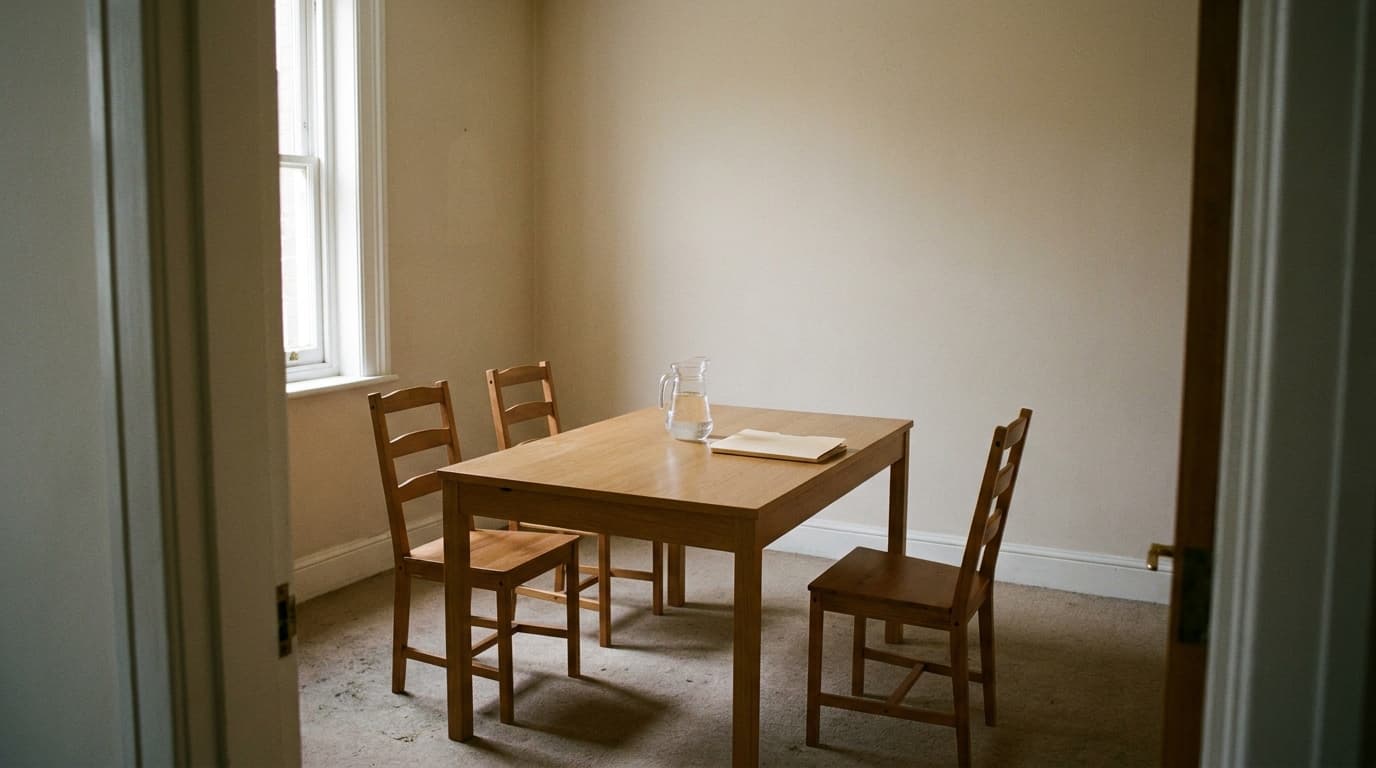
Disputes Tribunal hearings are deliberately informal, usually held in a small hearing room rather than a courtroom. A lawyer cannot represent you. Each side, along with any witnesses, explains their side of the dispute, and the referee can ask questions and test the evidence.
The referee will usually try to help the parties reach an agreed settlement first. If a settlement is not possible, the referee makes a decision and issues a written order, which is legally binding on both sides.
Enforcing a Disputes Tribunal order
A Disputes Tribunal order is enforceable in the same way as an order of the District Court. The Tribunal itself does not monitor whether the losing party complies, so it is up to the person who won the claim to follow up.
If the other party does not pay by the deadline in the order, the unpaid amount becomes a civil debt that can be pursued through the District Court's civil enforcement process, including a financial assessment hearing to work out how the debt will be repaid. There is no filing fee to apply to enforce a Disputes Tribunal order.
Disputes Tribunal vs Tenancy Tribunal
The Disputes Tribunal and the Tenancy Tribunal are separate bodies. The Tenancy Tribunal only hears disputes between a landlord and a tenant under a tenancy agreement covered by the Residential Tenancies Act. A flatmate who has not signed a tenancy agreement with the landlord is not a tenant under that Act, so a dispute between flatmates, for example over unpaid rent or damaged belongings, generally goes to the Disputes Tribunal instead of the Tenancy Tribunal.
Related New Zealand consumer topics
For the law behind many goods and services disputes that end up at the Tribunal, see the Consumer Guarantees Act and the Fair Trading Act. For the full consumer rights section, see the New Zealand consumer law hub.
Frequently Asked Questions
What is the maximum claim I can bring to the Disputes Tribunal?
Up to $60,000, since the limit rose from $30,000 on 24 January 2026. A referee's binding decision cannot exceed this amount, though the parties can privately agree to settle for a different figure.
How much does it cost to file a claim?
The filing fee is tiered by claim size: $62 for claims under $2,000, $124 for $2,000 to under $5,000, $248 for $5,000 to $30,000, and $496 for $30,001 to $60,000.
Can I have a lawyer represent me at a Disputes Tribunal hearing?
No. Lawyers cannot represent either party at a hearing, except in limited cases where the Tribunal allows a non-lawyer representative for a minor or a person with a disability.
What happens if the other party does not pay after a Disputes Tribunal order?
The order is enforceable in the same way as a District Court order. If it is not paid, the unpaid amount becomes a civil debt that can be pursued through the District Court's enforcement process.
Does the Disputes Tribunal deal with flatmate disputes?
Yes. Flatmates are not tenants under the Residential Tenancies Act, so disputes between flatmates generally go to the Disputes Tribunal rather than the Tenancy Tribunal.
What can't the Disputes Tribunal help with?
It does not hear tenancy disputes between a landlord and tenant, body corporate issues, employment matters, family law, wills and inheritance, land disputes, rates, tax, welfare or ACC matters, or a plain non-payment case where the debtor accepts they owe the money but has not paid.
Sources and References
- Ministry of Justice - Disputes Tribunal financial jurisdiction set to increase(justice.govt.nz).gov
- Ministry of Justice - Disputes Tribunal jurisdiction(justice.govt.nz).gov
- Disputes Tribunal - Forms and fees(disputestribunal.govt.nz).gov
- Disputes Tribunal - What the Tribunal can help with(disputestribunal.govt.nz).gov
- Disputes Tribunal - How to make a claim(disputestribunal.govt.nz).gov
- Disputes Tribunal - What to expect at a hearing(disputestribunal.govt.nz).gov
- Disputes Tribunal - Decision in your favour(disputestribunal.govt.nz).gov
- Tenancy Services - Disputes(tenancy.govt.nz).gov
- Disputes Tribunal Act 1988 - Enforcement of orders(legislation.govt.nz).gov