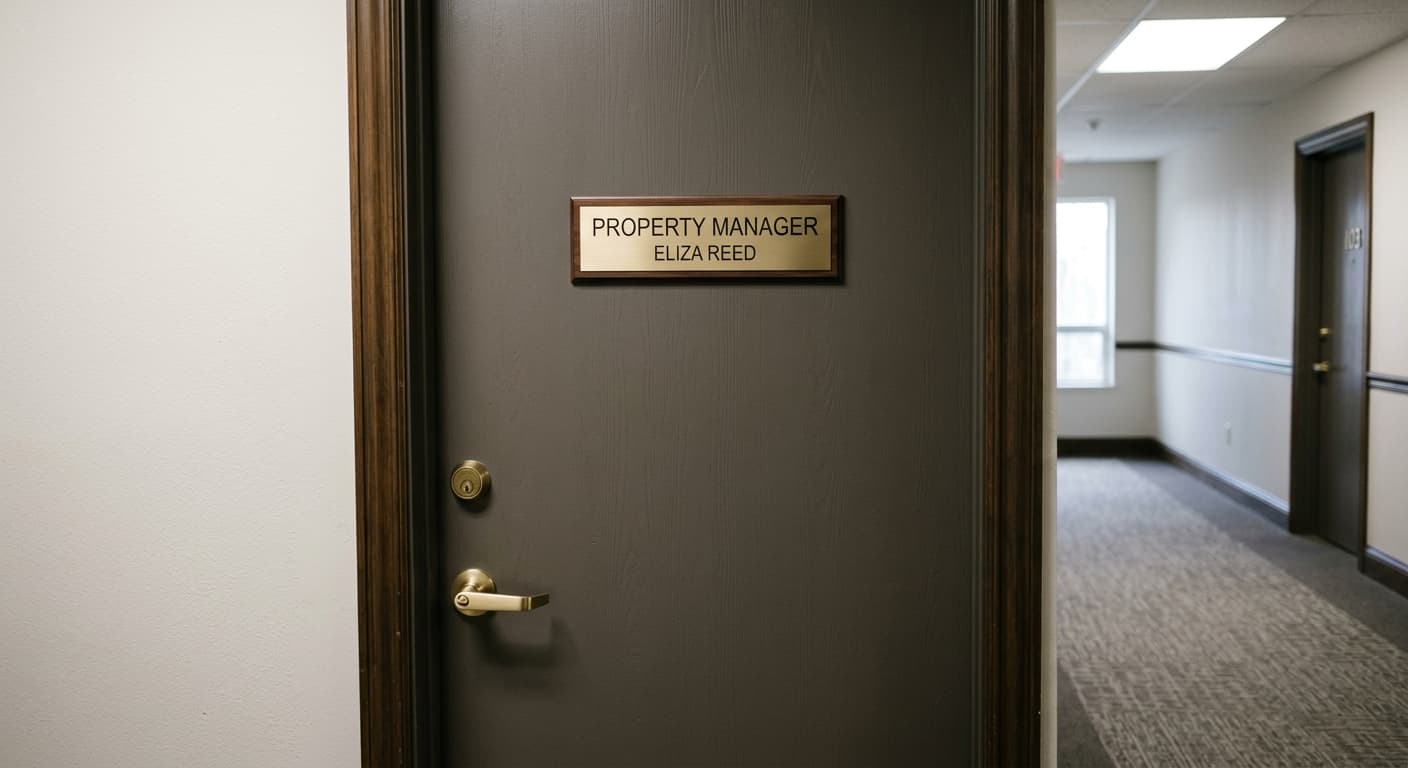
90-Day Trial Period NZ: The Rules Employers and Employees Need to Know

How 90-day trial periods work in New Zealand: who can use one, the writing and signing rules, and what happens to a personal grievance if you are dismissed during a trial.
Loading...
26 articles

How 90-day trial periods work in New Zealand: who can use one, the writing and signing rules, and what happens to a personal grievance if you are dismissed during a trial.

How annual leave works in New Zealand: 4 weeks after 12 months, how holiday pay is calculated, and the Holidays Act reform moving to hours-based accrual.

How bond refunds work in New Zealand: why Tenancy Services holds your bond, the online Bond Hub process, and what to do if you and your landlord disagree.

When a resignation counts as constructive dismissal under New Zealand employment law, the situations that qualify, and how it is raised as a personal grievance.

From 21 February 2026, a 5 criteria gateway test can make a worker a specified contractor who cannot later claim to be an employee. How the test works.

The full notice-period table for ending a tenancy in New Zealand, plus the no-cause 90-day rule for periodic tenancies restored from 30 January 2025.

Flatmates are not tenants under New Zealand law. How the Residential Tenancies Act treats flatmates differently, what governs them instead, and where their disputes go.

The 5 Healthy Homes Standards now apply to every private rental in New Zealand. What they require, the penalties for breaching them, and a tenant's options.

What New Zealand landlords must do under the Residential Tenancies Act: healthy homes compliance, bond lodgement, maintenance, notice periods, and 2025/2026 rule changes.

New Zealand's minimum wage is $23.95 an hour from 1 April 2026. The three wage types, who they apply to, and how to check if you are being paid correctly.

New Zealand employment law explained: the minimum wage, sick leave, personal grievances, the 90-day trial, dismissal, redundancy, and the 2026 reforms.

A plain-language guide to New Zealand law: tenancy, employment, family, consumer, wills, driving, criminal records, and privacy. What the law says and where to get help.

New Zealand tenancy law explained: bonds, the Tenancy Tribunal, Healthy Homes, notice periods, rent increases, pet bonds, and the flatmate rules, with the 2025 reforms.

New Zealand has no statutory minimum notice period. What the employment agreement controls, what reasonable notice means when it is silent, and the serious misconduct exception.

What a personal grievance is under New Zealand employment law, the 90-day (12-month for sexual harassment) window to raise it, mediation, the ERA, and remedies.

The 1 December 2025 pet bond and pet consent rules for New Zealand rentals: how much a pet bond can be, when a landlord can decline a pet, and what changed.

New Zealand has 11 national public holidays plus a regional anniversary day. How time-and-a-half pay and the alternative holiday (day in lieu) work.

New Zealand has no statutory redundancy pay. Any compensation comes only from the employment agreement. The genuine redundancy test, fair process, and when redundancy becomes an unjustified dismissal.

How often a landlord can raise rent in New Zealand, the 60-day notice rule, and how a tenant can challenge an increase that is well above market rent.

A restraint of trade clause in a New Zealand employment agreement is enforceable only so far as it is reasonable. The test, what courts can do with an unreasonable restraint, and the status of reform.

New Zealand sick leave law explained: 10 days a year after 6 months, who it covers, carry-over up to 20 days, and the accrual change the Employment Leave Bill would bring.

What tenant rights look like under New Zealand's Residential Tenancies Act: healthy homes, quiet enjoyment, your bond, notice periods, and the Tenancy Tribunal.

Since 21 February 2026, employees earning $200,000 or more a year cannot raise an unjustified dismissal grievance. How the threshold, transition, and opt back in work.

What the Employment Relations Authority (ERA) does in New Zealand, why mediation usually comes first, how to lodge a claim, and how appeals to the Employment Court work.

How the Tenancy Tribunal works in New Zealand: its $100,000 jurisdiction, the $29 application fee, how to apply, and what happens at a hearing.

How the fair and reasonable employer test for unjustified dismissal works in New Zealand, the new $200,000 threshold, and the remedies available if a grievance succeeds.