
New Zealand
Fencing Act 1978: Who Pays for a Boundary Fence in NZ
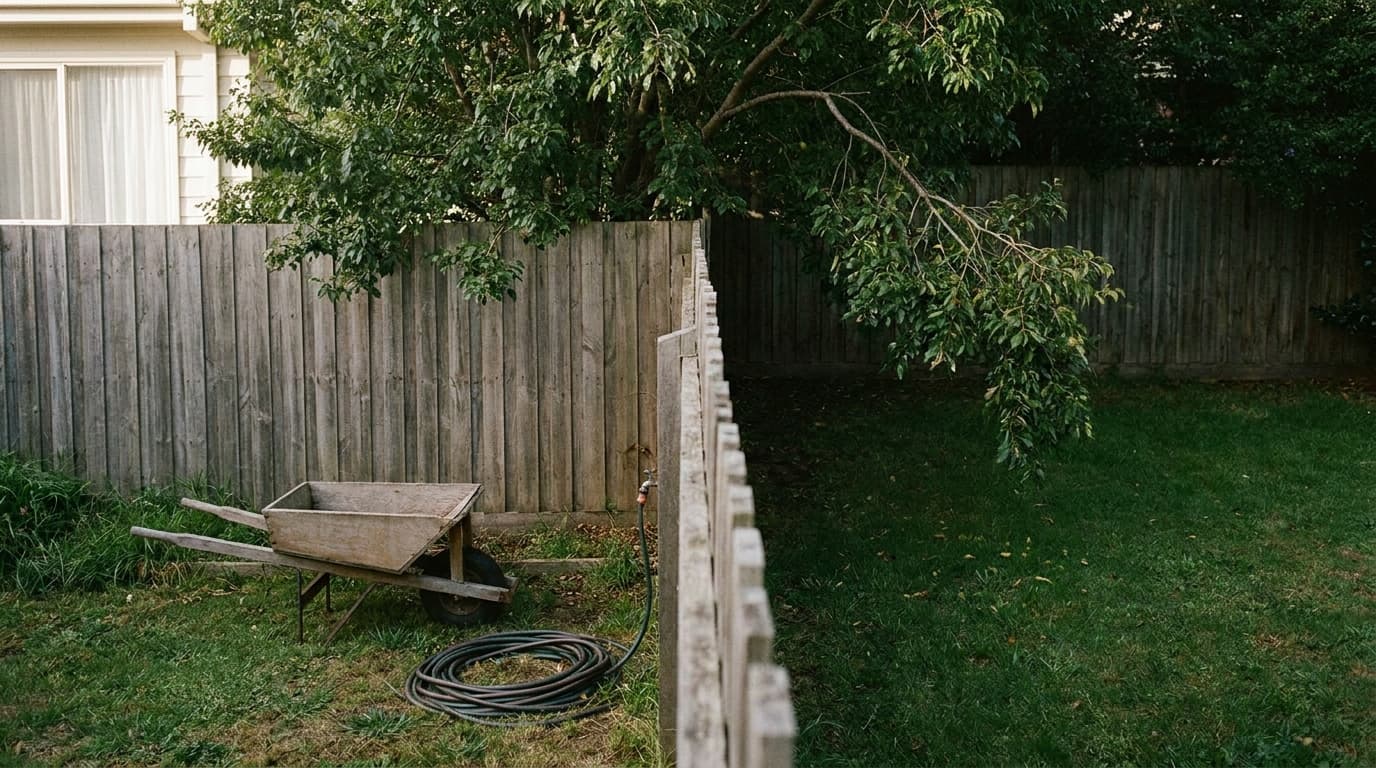
Under the Fencing Act 1978, the owners of adjoining land are generally liable to share the cost of an adequate boundary fence equally, but the process for making that happen, and for making a reluctant neighbour pay their share, runs through a formal notice, not just a conversation.
This is general information about New Zealand law, not legal advice. For your situation, consult a lawyer or your local Community Law centre.
The 50/50 cost-sharing rule
The Fencing Act 1978 sets a default rule for boundary fences between adjoining private properties: the occupiers on each side are liable to contribute equally to the cost of an adequate fence, meaning one that reasonably meets the needs of both properties. This covers the cost of preparing the site, materials, and construction, and applies again later if the fence needs to be replaced or repaired.
This 50/50 split is a default, not a fixed rule. Neighbours can agree to a different split, for example if one owner wants a more expensive fence than is needed and agrees to cover the difference. Special exceptions also apply in some situations, such as fencing next to a road, where a council or the NZ Transport Agency is not required to share costs the way a private neighbour would be.
Starting the process: the fencing notice
If you want a new fence built, or an existing one replaced or repaired, and your neighbour has not agreed informally, the Fencing Act 1978 sets out a formal notice process. You serve your neighbour a written fencing notice that says it is given under the Fencing Act 1978 and sets out details such as the boundary to be fenced, the type of fence proposed, who will carry out the work, and the estimated cost.
Serving a proper fencing notice matters because it is what triggers your neighbour's legal obligation to respond, and it protects you if the dispute later needs to go to the Disputes Tribunal or a court. Fencing work started before a notice is served, or before the response period has expired, cannot be used to force a neighbour to pay their share of that work.
The 21-day cross-notice
Once a neighbour receives a fencing notice, they have 21 days to reply. If they agree with the proposal, they do not need to do anything further. If they disagree, for example because they think the existing fence is already adequate or the proposed fence is more than what is reasonably needed, they can serve a cross-notice within the 21 days.
A cross-notice sets out the neighbour's objection and can put forward a counter proposal, such as a cheaper type of fence or a different cost split. If no cross-notice arrives within 21 days, the neighbour is treated as having agreed to the original proposal, and becomes liable to pay their share of the cost.
If a neighbour will not pay
Even once a neighbour is liable under the Fencing Act process, whether because they agreed or because the 21-day period ran out without a cross-notice, the Act does not let you force payment on your own. If a neighbour still will not pay their share, the usual next steps are to try to resolve it directly, use a mediation service, or apply to the Disputes Tribunal.
The Disputes Tribunal is designed for exactly this kind of low-cost, no-lawyers dispute, and its general claim limit rose to $60,000 from 24 January 2026. VERIFY: some older guidance describes a separate, lower claim cap that applies specifically to fencing disputes at the Disputes Tribunal rather than the Tribunal's general limit; confirm the current fencing-specific figure with the Disputes Tribunal before relying on a dollar amount. Larger or more complex disputes can go to the District Court instead.
A different rule applies if a neighbour damages or destroys the fence themselves, for example by removing it without agreement. In that situation, the responsible party can be liable for the full cost of replacing the fence, rather than splitting it under the usual 50/50 rule.
For other everyday disputes between neighbours in New Zealand, see the neighbour law guide. If the problem you are dealing with is noise rather than a fence, see our guide to noise control.
Frequently Asked Questions
Do neighbours have to split the cost of a fence equally in New Zealand?
Generally, yes. The Fencing Act 1978 makes adjoining owners liable to share the cost of an adequate boundary fence equally, unless they agree to a different split.
What is a fencing notice?
A fencing notice is a written notice served under the Fencing Act 1978 proposing fence work, setting out details such as the boundary, the type of fence, who will do the work, and the estimated cost. It starts the formal process for making a neighbour liable for their share of the cost.
How long does my neighbour have to object to a fencing notice?
21 days. If they disagree with the proposal, they can serve a cross-notice within that period setting out their objection or a counter proposal. If they do not respond within 21 days, they are treated as having agreed.
What can I do if my neighbour will not pay their share of a fence?
You cannot force payment yourself. If your neighbour has become liable under the fencing notice process but still will not pay, the usual options are direct negotiation, mediation, or applying to the Disputes Tribunal or the District Court.
Can I start fencing work before serving a fencing notice?
You can, but you will not be able to require your neighbour to pay a share of work carried out before a fencing notice was served, or before the 21-day response period had run its course.
Sources and References
- Fencing Act 1978(legislation.govt.nz).gov
- Disputes Tribunal financial jurisdiction set to increase (Ministry of Justice)(justice.govt.nz).gov
- About the Disputes Tribunal(disputestribunal.govt.nz).gov