
New Zealand
Knife Laws in New Zealand: What's Actually Illegal
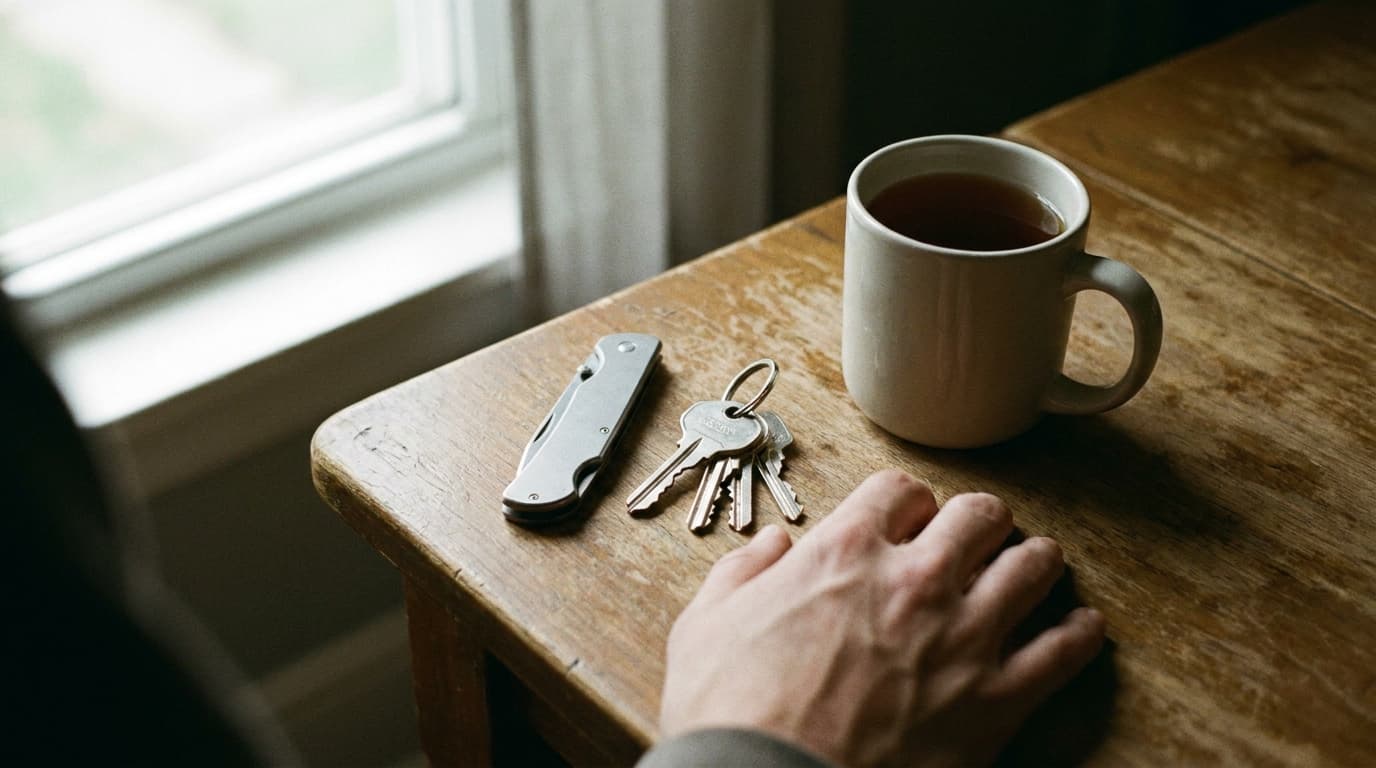
It is an offence to carry a knife in a public place in New Zealand without a reasonable excuse, under section 13A of the Summary Offences Act 1981. New Zealand has not banned machetes or so-called "zombie knives" by name, and there is no fixed blade-length limit written into the law. What matters is whether you can point to a genuine, lawful reason for having the knife on you.
This is general information about New Zealand law, not legal advice. For your own situation, consult a lawyer or your local Community Law centre.
The basic rule: reasonable excuse, not a banned list
Section 13A of the Summary Offences Act 1981 makes it an offence to have any knife in your possession in a public place without a reasonable excuse. "Public place" is read broadly, covering streets, parks, shops, licensed premises, and anywhere else the public has access, whether or not there is a charge to enter.
The law does not work by listing banned knife types or setting a maximum blade length that is automatically legal to carry. Instead, it asks whether you have a genuine, reasonable excuse for having that particular knife with you at that time and place. A large kitchen knife being carried straight from a shop to a car can be entirely lawful, while a small folding knife carried for no real reason can still be an offence, because the test is about the excuse, not the size of the blade.
The maximum penalty for a section 13A offence is imprisonment for up to 3 months or a fine of up to $2,000, and the court can order the knife forfeited.
Self-defence is not a reasonable excuse
One of the most misunderstood points in New Zealand knife law is that carrying a knife because you are worried about your own safety does not count as a reasonable excuse. Courts have consistently treated "I carry it for self-defence" as insufficient, and, on its own, as effectively an admission of the offence rather than a defence to it.
Examples that are generally accepted as reasonable excuses relate to a genuine, ordinary use for the knife: a tradesperson carrying a knife needed for their job, a knife being transported while moving house or shopping, or a pocketknife carried during a lawful recreational activity such as fishing, hunting, or tramping. Whether a particular excuse is "reasonable" ultimately depends on the specific circumstances, including the type of knife, where it was found, and what the person says about why they had it.
New Zealand has not banned machetes or "zombie knives"
Unlike Australia and the United Kingdom, New Zealand has not introduced a specific ban on machetes or so-called "zombie knives" by name. The United Kingdom banned defined "zombie-style" knives and machetes from September 2024, and several Australian states have introduced new machete-specific offences and knife-detection powers. New Zealand has no equivalent ban naming particular knife types, and no fixed blade-length rule of general application. Firearms-sector commentators have pointed to Australia's expanding restrictions as a cautionary example during New Zealand's own firearms law review, which underlines that these are proposals and comparisons, not existing New Zealand law.
This does not mean every knife is fine to carry. It means New Zealand's control sits at the point of possession in a public place without reasonable excuse, under section 13A, rather than at a list of banned products.
How this differs from the Crimes Act offence
Section 13A of the Summary Offences Act is a lower-level offence about simple possession without an excuse. It is separate from section 202A of the Crimes Act 1961, which covers possessing an offensive weapon, which can include a knife, in circumstances that on their face show an intention to use it to commit an offence involving bodily injury, or the threat or fear of violence. A section 202A charge is more serious and carries a significantly higher maximum penalty than section 13A, because it is directed at an apparent intent to cause harm, not just unexplained possession.
Related New Zealand everyday law topics
Dealing with a knife found on someone else's property, or during a neighbour or occupier dispute, can also raise separate issues under trespass law. See our guide to trespass notices in New Zealand. For other everyday legal topics, see the New Zealand everyday law section.
Frequently Asked Questions
Is it illegal to carry a knife in public in New Zealand?
It is an offence under section 13A of the Summary Offences Act 1981 to have a knife in your possession in a public place without a reasonable excuse. Carrying a knife itself is not automatically illegal, but you need a genuine, lawful reason for having it with you.
Can I carry a knife for self-defence in New Zealand?
No. Courts have treated carrying a knife for self-defence as not a reasonable excuse under section 13A, so doing so can itself amount to the offence rather than a defence to it.
Has New Zealand banned machetes or zombie knives?
No. Unlike Australia and the United Kingdom, New Zealand has not introduced a ban on machetes or so-called zombie knives by name. New Zealand law instead controls knives through the reasonable-excuse test for possession in a public place.
Is there a legal blade length limit in New Zealand?
New Zealand law does not set a fixed blade-length threshold or an official list of prohibited knife types. Whether carrying a particular knife is lawful depends on whether you have a reasonable excuse for having it, not the length of the blade.
What counts as a reasonable excuse to carry a knife?
Generally, a genuine everyday, work, or recreational reason, such as a trade knife carried for a job, a kitchen knife being transported while moving house, or a knife carried during fishing, hunting, or tramping. Whether a specific excuse is reasonable depends on the circumstances.
What is the difference between the Summary Offences Act knife offence and the Crimes Act offensive weapons offence?
Section 13A of the Summary Offences Act 1981 is the lower-level offence of simply possessing a knife in public without a reasonable excuse. Section 202A of the Crimes Act 1961 is a more serious offence, targeting possession of a weapon, which can include a knife, in circumstances showing an apparent intention to use it to commit an offence involving violence, and it carries a substantially higher maximum penalty.
Sources and References
- Summary Offences Act 1981 - Section 13A, Possession of knives(legislation.govt.nz).gov
- Crimes Act 1961 - Section 202A, Possession of offensive weapons or disabling substances(legislation.govt.nz).gov
- New Zealand Police - Offensive weapons, knives and disabling substances (police instructions)(policepolicy.nz)