
New Zealand
Dying Without a Will in New Zealand: How Intestacy Works
Dying without a valid will is called dying intestate. In New Zealand, an intestate estate is not distributed according to what anyone thinks the person would have wanted; it follows a fixed order set out in the Administration Act 1969. This page explains that order and how the estate is administered.
This is general information about New Zealand law, not legal advice. For your own situation, consult a lawyer or your local Community Law centre.
What intestacy means
A person dies intestate when they leave no valid will, or when a will does not deal with all of their property. In that situation, the estate is distributed under the Administration Act 1969, which sets out exactly who receives what and in what order. Family wishes, informal promises, or what the deceased is believed to have intended do not change this order; only the statutory rules do.
Who administers the estate
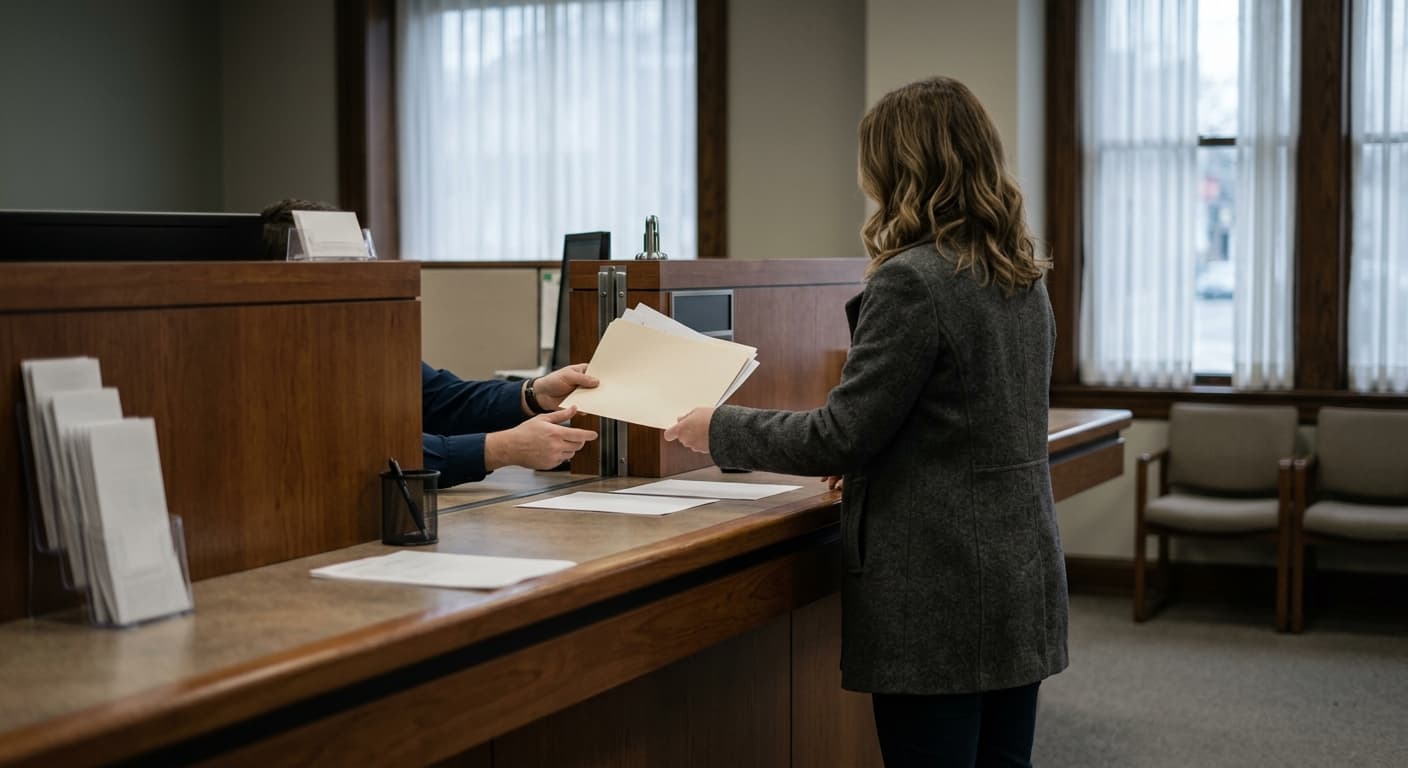
Where there is a will, an executor applies to the High Court for probate. Where there is no will, the High Court instead grants letters of administration to an eligible person, usually a close relative, who then has the legal authority to collect the deceased's assets, pay any debts, and distribute what remains under the intestacy rules. Letters of administration is the correct term for this grant; it is a different document from probate, even though both come from the High Court and serve a similar administrative function.
Spouse or partner and children
Where the deceased leaves a surviving spouse, civil union partner, or de facto partner and children, the spouse or partner receives the deceased's personal chattels, such as furniture, vehicles, and personal effects, but not money, investments, or land. On top of the chattels, the spouse or partner receives a fixed statutory legacy, with interest running from the date of death until it is paid, and then one-third of whatever is left after that. The children share the remaining two-thirds equally between them.
The statutory legacy is $155,000, set by regulation 5 of the Administration (Prescribed Amounts) Regulations 2009 and unchanged since. It is a separate figure from the small-estates threshold that financial institutions use to release funds without a High Court grant, which rose from $15,000 to $40,000 on 24 September 2025; that September 2025 change did not touch the $155,000 legacy. Because the amount is set by regulation, it can be updated over time, so check the current figure before relying on it.
Spouse or partner, no children, surviving parents
Where there are no surviving children but a parent of the deceased is still living, the spouse or partner receives the chattels, the statutory legacy, and two-thirds of what remains. The surviving parent or parents take the other third.
Spouse or partner alone, or children alone
A surviving spouse or partner who has no surviving children or parents receives the whole estate. Where there is no surviving spouse or partner but there are children, the children inherit the whole estate, shared equally between them regardless of their parents' marital status.
No spouse, partner, or children
If the deceased leaves no spouse, partner, or children, the estate generally passes to the deceased's parents. If there are no surviving parents, it passes to siblings, and if there are none of those, it continues down a set order to more distant relatives, such as grandparents and then aunts and uncles. If no eligible relative can be found at all, the estate ultimately passes to the Crown.
De facto partners are included
A de facto partner is treated the same as a spouse or civil union partner for intestacy purposes, provided the relationship qualifies, generally one that has lasted at least 3 years, with some limited exceptions for shorter relationships. For more on how a de facto relationship is recognised, see the 3-year rule for relationship property, which covers the related question of dividing property when a relationship ends rather than when a partner dies.
Why having a will still matters
The intestacy rules apply a single formula to every family, regardless of individual circumstances, and they can produce a result quite different from what a person would have chosen for themselves, particularly for blended families, unmarried partners under the 3-year mark, or people who wanted to leave something to someone outside their immediate family. Making a valid will is the only way to control how an estate is distributed instead of relying on this default formula.
Related New Zealand wills and estates topics
For the requirements that make a will valid, see making a will in New Zealand. For when a High Court grant is needed to administer an estate, see probate in New Zealand. For the wider picture, see the wills and estates hub.
Frequently Asked Questions
What happens if you die without a will in New Zealand?
The estate is distributed under the Administration Act 1969, which sets a fixed order based on who survives the deceased: a spouse or partner, children, or, failing those, parents, siblings, and more distant relatives, ending with the Crown if nobody can be found.
Does a spouse automatically get everything if there is no will?
Only if there are no surviving children or parents. Where there are children, the spouse or partner receives the personal chattels, a statutory legacy, and one-third of the remainder, with the children sharing the other two-thirds. Where there are no children but a surviving parent, the spouse or partner receives two-thirds of the remainder after chattels and the legacy.
Are de facto partners included in intestacy in New Zealand?
Yes. A de facto partner is generally treated the same as a spouse or civil union partner for intestacy purposes, provided the relationship qualifies, typically one that has lasted at least 3 years.
Do you need probate if there is no will?
No. Probate applies only where there is a will to prove. Administering an estate with no will instead needs a High Court grant called letters of administration, which gives the administrator legal authority over the estate.
How much does a spouse or partner get before children inherit anything?
A surviving spouse or partner takes the deceased's personal chattels and a fixed statutory legacy, plus interest from the date of death, before the remainder is split between the spouse or partner and the children. The statutory legacy is currently $155,000, set by regulation and able to be updated over time.
Sources and References
- Public Trust - When there is no will (intestacy)(publictrust.co.nz)
- Administration Act 1969(legislation.govt.nz).gov
- Administration (Prescribed Amounts) Regulations 2009 (SR 2009/70)(legislation.govt.nz).gov