
Canada
Divorce in British Columbia: Process, Courts & Property
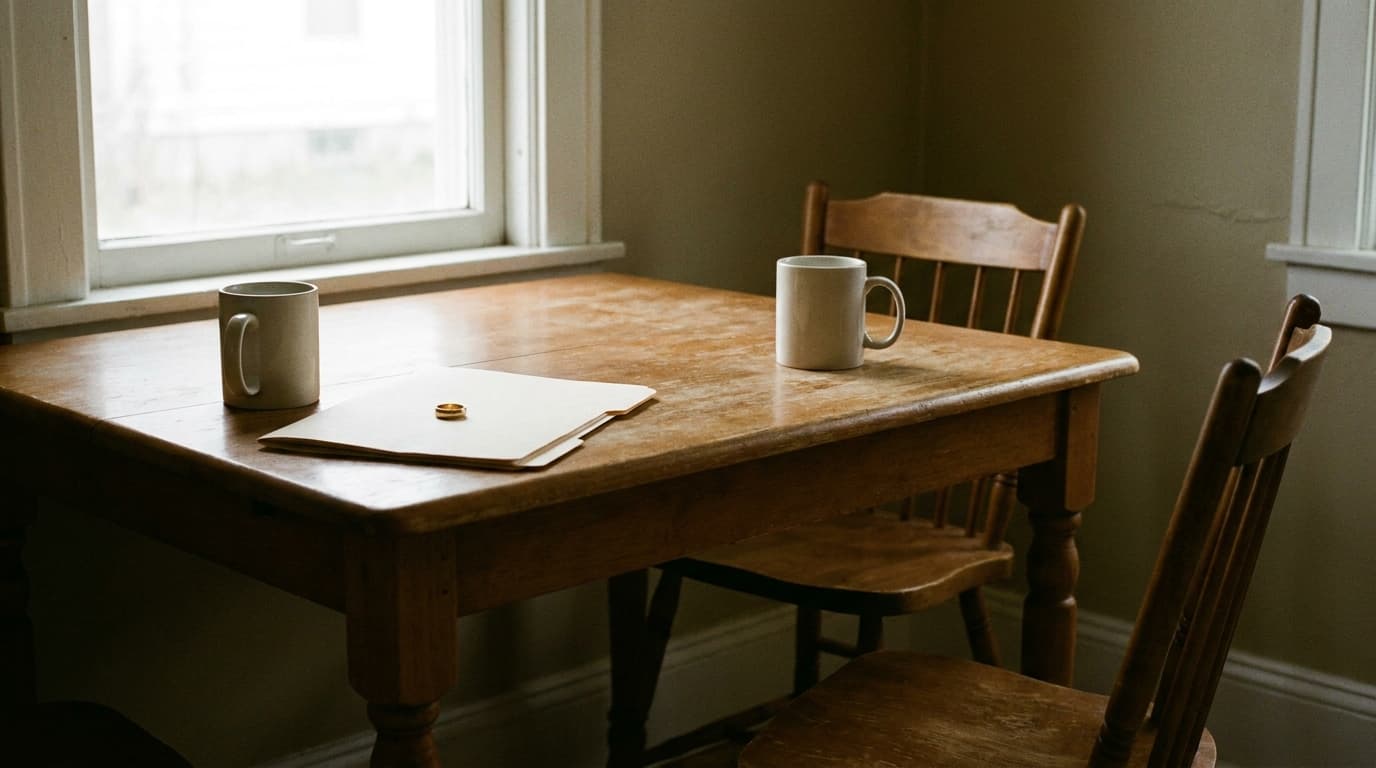
In British Columbia, only the Supreme Court of British Columbia can grant a divorce, while a separate provincial statute, the Family Law Act, controls how the couple's property gets divided.
Which Court Grants a Divorce in BC?
British Columbia has two trial-level courts that hear family law cases, and they do not have the same powers. The Supreme Court of British Columbia is the only court in the province with authority to grant a divorce. It can also divide family property and debt, decide parenting arrangements, and set child or spousal support.
The Provincial Court of British Columbia handles many family matters too, including parenting time, decision-making responsibility, child and spousal support, guardianship, and protection orders. What it cannot do is grant a divorce or divide property and debt between spouses. Anyone who needs a divorce, or who needs their property divided, must apply in the Supreme Court.
Some families use both courts over time, for example a Provincial Court parenting order followed later by a Supreme Court divorce. Others start and finish everything in the Supreme Court. Choosing the right court from the outset avoids duplicated filings and delay.
Grounds for Divorce: The Federal Divorce Act Still Applies
Divorce itself is governed nationally by the federal Divorce Act, not by BC law. The sole ground is breakdown of the marriage, which a spouse establishes in one of three ways: living separate and apart for at least one year, adultery, or physical or mental cruelty. The one-year separation route is by far the most common and does not require either spouse to be at fault.
An application can be started before the year of separation has run, but the court will not grant the divorce until the full year has passed. Spouses can be considered separated while still living under the same roof if they are no longer functioning as a couple. At least one spouse must have been ordinarily resident in British Columbia for at least a year immediately before filing. For a fuller walkthrough of these federal rules, see our guide to divorce in Canada.
Sole and Joint Applications
A divorce can be filed as a joint application, where both spouses sign the same court documents together, or as a sole application filed by one spouse. A joint application is generally simpler because both spouses have already agreed and no one needs to be formally served.
In a sole application, the filing spouse must have the other spouse served with the court documents according to the Supreme Court Family Rules, then file proof that service was completed. If the other spouse does not respond within the time allowed, the application can generally proceed as uncontested.
The Desk Order Divorce Process
When a divorce is uncontested, meaning the spouses agree on the divorce and have either resolved or do not need the court to decide parenting, support, and property issues, BC allows it to proceed as a desk order divorce. A registry clerk and then a judge review the filed materials, including a sworn affidavit, without either spouse having to appear in a courtroom.
The paperwork must show the court that the marriage has broken down under one of the statutory grounds, that proper service was completed if it was a sole application, and that reasonable arrangements have been made for any children of the marriage. If the file is complete and nothing is contested, a judge can sign the divorce order based on the documents alone.
When Does the Divorce Become Final?
A divorce order does not take effect immediately. Under the Divorce Act, it becomes final, and the marriage legally ends, 31 days after the judge signs the order, unless someone files an appeal in that window. Once the 31 days pass, either spouse can request a Certificate of Divorce from the court registry, which is the document needed to remarry, update a will, or divide certain pensions.
Before a divorce can be granted at all, the court must be satisfied that reasonable arrangements have been made for the support of any children of the marriage, consistent with the federal Child Support Guidelines. This applies even when the spouses agree on everything else. See our Canadian child support overview for how support amounts are calculated.
Property Division Is a Provincial Matter
The Divorce Act deals with ending the marriage and, for married spouses, with support and parenting. It does not divide property. In British Columbia, property and debt division is governed by the provincial Family Law Act, and only the Supreme Court, not Provincial Court, has authority to make property division orders under it. For a national comparison of how each province approaches this split, see our page on dividing property on divorce.
Who Counts as a Spouse for Property Purposes
Under Family Law Act section 3, a person is a spouse if they are married, or if they lived with another person in a marriage-like relationship for a continuous period of at least 2 years. A couple with a child together but less than 2 years of cohabitation can also count as spouses for support and parenting purposes, but that shortcut does not apply to property and pension division, which still requires the full 2 years.
This makes BC one of the more generous provinces for unmarried couples. Once the 2-year threshold is met, an unmarried spouse has the same family property division rights as a married spouse under the Family Law Act. That is a meaningfully different rule than in several other provinces, where common-law partners can qualify for spousal support but get no automatic share of property at all. See our common-law relationships across Canada page for how BC compares to Ontario, Alberta, and Quebec.
Family Property vs. Excluded Property
Family property is defined broadly. It generally includes property owned by either or both spouses on the date they separated, along with property acquired afterward using family property, business interests, and most pensions earned during the relationship.
Excluded property is carved out of that pool. It typically includes property a spouse owned before the relationship began, an inheritance or gift received by only one spouse, certain trust property, and some insurance or damage awards. Excluded property is not divided between spouses and stays with the spouse who owns it, as long as it can be traced and its value documented.
There is an important exception. While the original value of excluded property is protected, any increase in that property's value during the relationship is treated as family property and is divisible. A home owned before the relationship, for example, keeps its starting value protected, but the equity growth that happened while the couple was together generally does not.
Equal Division and Family Debt
On separation, spouses become entitled to an undivided half interest in family property as tenants in common, and each is equally responsible for family debt, regardless of whose name is on the asset or who incurred the debt. This presumption of equal division applies whether the spouses were married or qualified as spouses through cohabitation.
A court can order an unequal division, but only where splitting things equally would be significantly unfair, considering factors such as the length of the relationship and each spouse's contributions. Nothing here predicts how a particular court would rule; outcomes turn on the specific facts of each case.
The 2-Year Limitation Period
A spouse who wants the court to divide property or debt, divide a pension, or set spousal support generally has only 2 years to start that claim. For married spouses, the clock starts on the date the divorce is granted or the marriage is annulled. For unmarried spouses, the clock starts on the date they separated, since there is no divorce to mark the deadline.
That distinction matters because an unmarried couple's deadline can run out well before either partner would otherwise think to act, since it is tied to separation rather than to any court process. Missing the deadline can permanently bar a property or support claim, so anyone unsure where they stand should get legal advice promptly rather than wait.
BC Supreme Court vs. Provincial Court
| Matter | Supreme Court of BC | Provincial Court |
|---|---|---|
| Grant a divorce | Yes | No |
| Divide family property or debt | Yes | No |
| Divide a pension | Yes | No |
| Parenting time and decision-making responsibility | Yes | Yes |
| Child support | Yes | Yes |
| Spousal support | Yes | Yes |
| Protection orders | Yes | Yes |
Anyone who only needs a parenting or support order, and does not need a divorce or a property division, can generally choose either court. Once a divorce or a property claim is part of the picture, the Supreme Court is the only option.
Disclaimer: This article explains British Columbia's divorce process and property division rules in general terms and is not legal advice. Family law outcomes depend on individual circumstances. Consult a BC family law lawyer or the Family Law in BC resources for guidance on a specific situation.
Frequently Asked Questions
Can I get a divorce through BC Provincial Court?
No. Only the Supreme Court of British Columbia can grant a divorce. Provincial Court can handle parenting time, child and spousal support, and protection orders, but it has no authority to end a marriage or to divide family property.
What is a desk order divorce in BC?
It is the process used for an uncontested divorce, where a judge reviews the filed court documents and a sworn affidavit and signs the divorce order without either spouse appearing in court. It is only available when the divorce and any related issues are not contested.
Does living together for 2 years in BC give my partner rights to my property?
Generally yes. Under the Family Law Act, a couple that has lived in a marriage-like relationship for a continuous period of at least 2 years counts as spouses, which gives them the same family property division rights as a married couple, including the presumption of equal division.
What happens to property I owned before the relationship?
Property you owned before the relationship began is generally treated as excluded property and stays with you rather than being divided, as long as you can trace and document it. However, any increase in that property's value that happened during the relationship is treated as family property and can be divided.
How long do I have to make a property claim after separating in BC?
Generally 2 years. For married spouses, the 2 years runs from the date the divorce is granted. For unmarried spouses who qualify as spouses under the Family Law Act, the 2 years runs from the date of separation instead, since there is no divorce order to mark the deadline.
How soon can I remarry after a BC divorce?
Not until the divorce takes effect, which is 31 days after the judge signs the order, and generally not until you have obtained a Certificate of Divorce confirming that no appeal was filed.
Sources and References
- Divorce Act, R.S.C., 1985, c. 3 (2nd Supp.)(laws-lois.justice.gc.ca).gov
- Family Law Act, SBC 2011, c 25(bclaws.gov.bc.ca).gov
- Department of Justice Canada, Divorce(justice.gc.ca).gov
- Government of BC, Which court should I go to?(gov.bc.ca).gov
- Government of BC, Going to Provincial Court(gov.bc.ca).gov
- Government of BC, What do I need to know about getting a divorce?(gov.bc.ca).gov
- BC Supreme Court Family Rules, Form F38 (Affidavit, Desk Order Divorce)(bclaws.gov.bc.ca).gov