
Canadian Family Law by Province: A Practical Guide
How Canadian family law works: federal divorce rules, provincial property division, common-law rights by province, spousal support, and parenting time.
9 min read
50 articles
How Canadian family law works: federal divorce rules, provincial property division, common-law rights by province, spousal support, and parenting time.

Alberta calls it "adult interdependent partner," not common law. How AIP status is created, property division since 2020, support, and inheritance.

In British Columbia, common-law partners get nearly the same property, pension and inheritance rights as married spouses after 2 years together. Here's how BC's law actually works.
How common-law status, spousal support, and property division rights differ by province in Canada, from Ontario and BC to Alberta and Quebec.

Manitoba uses three different tests for common-law status, one each for property, support, and inheritance, plus a registration option that grants instant rights.

New Brunswick common-law partners can qualify for spousal support under a specific dual test, but get no automatic property division or inheritance rights.
NL's Family Law Act splits "spouse" and "partner" into separate terms. Common-law partners get real support rights, but no automatic property or intestacy share.
In Nova Scotia, common-law partners get automatic spousal support, but property and inheritance rights only come from registering a domestic partnership.

In Ontario, common-law partners do not get automatic property division like married spouses. Learn what the law actually gives you, and what it does not.

In PEI, common-law partners get no automatic right to divide property, but many can inherit under the province's intestacy law just like a married spouse. Here's how the rules work.
Quebec does not use the term "common law spouse." Unmarried partners are conjoints de fait, and since 2025 a new union parentale regime changes what parents automatically get.
Saskatchewan runs two different common-law tests, one for property and one for support, and they don't line up. Here's what each one actually requires.
Yukon, the Northwest Territories, and Nunavut do not share one common-law law. Yukon gives no property rights at all; NWT gives full parity with marriage.
The federal Divorce Act does not divide property. Property division is provincial. How Ontario, BC and Quebec each split assets on divorce, compared.

An Ontario divorce certificate (Form 36B) is issued on request by the court that granted your divorce, not ServiceOntario. The $25 process, explained.
How divorce works in British Columbia: which court grants it, the desk order process, the 31-day rule, and how the Family Law Act divides property.
How divorce works in Canada: the one legal ground under the Divorce Act, residency rules, uncontested vs contested filing, and the 31-day timeline.
How divorce works in Ontario: which court to file in, simple vs joint applications, the Mandatory Information Program, filing fees, and property rules.

Ontario and BC have no minor emancipation decree; family law is provincial, so this was not checked nationwide. Quebec's Civil Code has a real emancipation regime.
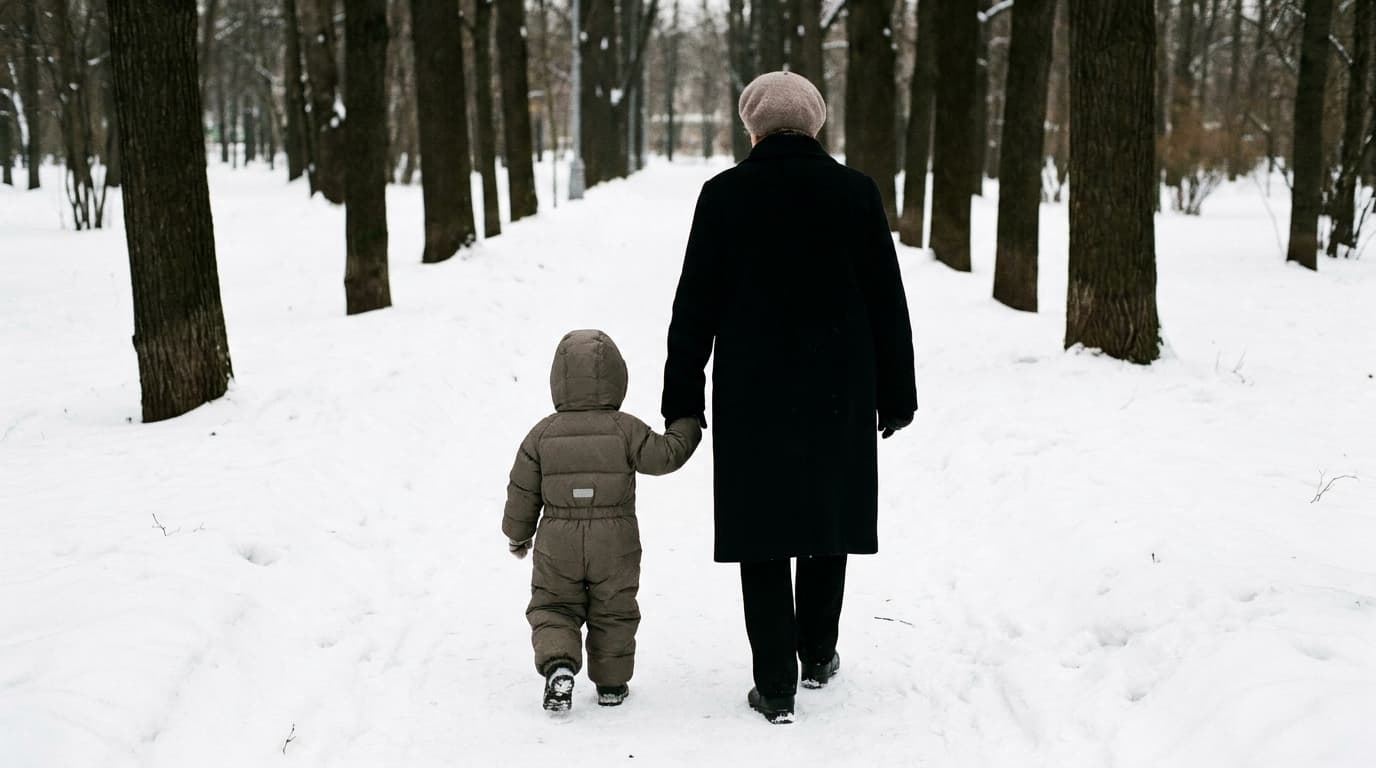
Alberta grandparents need court permission to apply for contact under FLA s.35, except in one narrow case, and always face a separate best-interests test.
BC's Family Law Act lets grandparents apply for contact without court permission, unlike Alberta, but the best-interests test in s.37 is still the sole gate.
No Canadian province or the federal Divorce Act gives grandparents an automatic right to see grandchildren. Every application is discretionary, and leave requirements vary by province.
Ontario grandparents can apply for a parenting or contact order under CLRA ss. 21 and 24 with no leave required. The 2016 anti-barrier rule no longer exists.

Alberta's Protection Against Family Violence Act creates an Emergency Protection Order and King's Bench protection order. Breach is an offence up to $5,000 and 90 days. Call 911 if in danger.

BC's civil protection order comes from the Family Law Act, free in Provincial Court or $80 to $280 in Supreme Court, and lasts one year by default. If you're in danger, call 911.
Alberta's legal name change process under the Vital Statistics Act: registry agent steps, fingerprinting rules, the $120 government fee, and the 75-year privacy rule.

BC's legal name change process under the Name Act: age and residency rules, the electronic fingerprint requirement, fees, processing times, and publication rules.

Manitoba's legal name change process: the statutory fingerprint and RCMP record-check rule, exact fees, and the Gazette exemption for transgender and Two-Spirit applicants.

New Brunswick's legal name change process: three age-eligibility paths, a self-obtained criminal record check instead of fingerprints, and exact fees.

Newfoundland and Labrador's legal name change process: the self-obtained criminal record check, ministerial review for listed offences, and exact fees.
Nova Scotia's legal name change process: the statutory fingerprint rule at 12+, the automatic bar for a designated-offence conviction, and the $165.70 fee.

Ontario's legal name change process: age and residency rules, required documents, publication in the Ontario Gazette, exemptions, costs, and timelines.
Prince Edward Island's legal name change process under the Change of Name Act: the 18-plus age floor, the unresolved fingerprinting question, and the $100 fee.
Quebec's DEC and court routes for a legal name change, the motif sérieux standard, married names under CCQ art. 393, fees, processing times, and the 2022 reforms.

Saskatchewan's legal name change process under the Change of Name Act, 1995: age and residency rules, fingerprint checks, and Gazette publication.
Yukon, NWT, and Nunavut name change rules compared: fees from $10 to $159, Nunavut's court-based process, and real Gazette publication differences.
How to legally change your name in Canada: provincial residency rules, police checks, and publication requirements, plus why Quebec's rules are different.
Ontario has no emergency protection order law. Restraining orders come from FLA s.46 (spouses and partners) or CLRA s.35 (anyone), are free to file, and breach is a criminal offence.
Canada's Divorce Act replaced custody and access with parenting time and decision-making responsibility in 2021. What the terms mean, and the relocation rules.
Newfoundland and Labrador's Family Violence Protection Act creates a single emergency protection order, capped at 90 days and explicitly non-renewable. How it works and where to get help.

PEI's Victims of Family Violence Act creates an emergency protection order (90-day cap, free to apply) and a longer victim assistance order with no fixed limit. How each works.
Yukon, NWT, and Nunavut each run their own family violence law with different order types, timelines, and penalties. NWT was overhauled for July 2026; Nunavut's consolidation dates to 2013.
Canada has no single restraining order law. See the 13-jurisdiction ladder of provincial, territorial, and federal tools, from emergency orders to peace bonds. If you're in danger, call 911.
Manitoba's Domestic Violence and Stalking Act creates two orders: a free, same-day protection order from a Judicial Justice of the Peace, and a broader prevention order from King's Bench.

New Brunswick's emergency intervention order under the Intimate Partner Violence Intervention Act is granted by an adjudicator within 24 hours and can last up to 180 days.

Nova Scotia's only civil family-violence order is the emergency protection order under the Domestic Violence Intervention Act, now valid for up to one year after a 2026 change from 30 days.
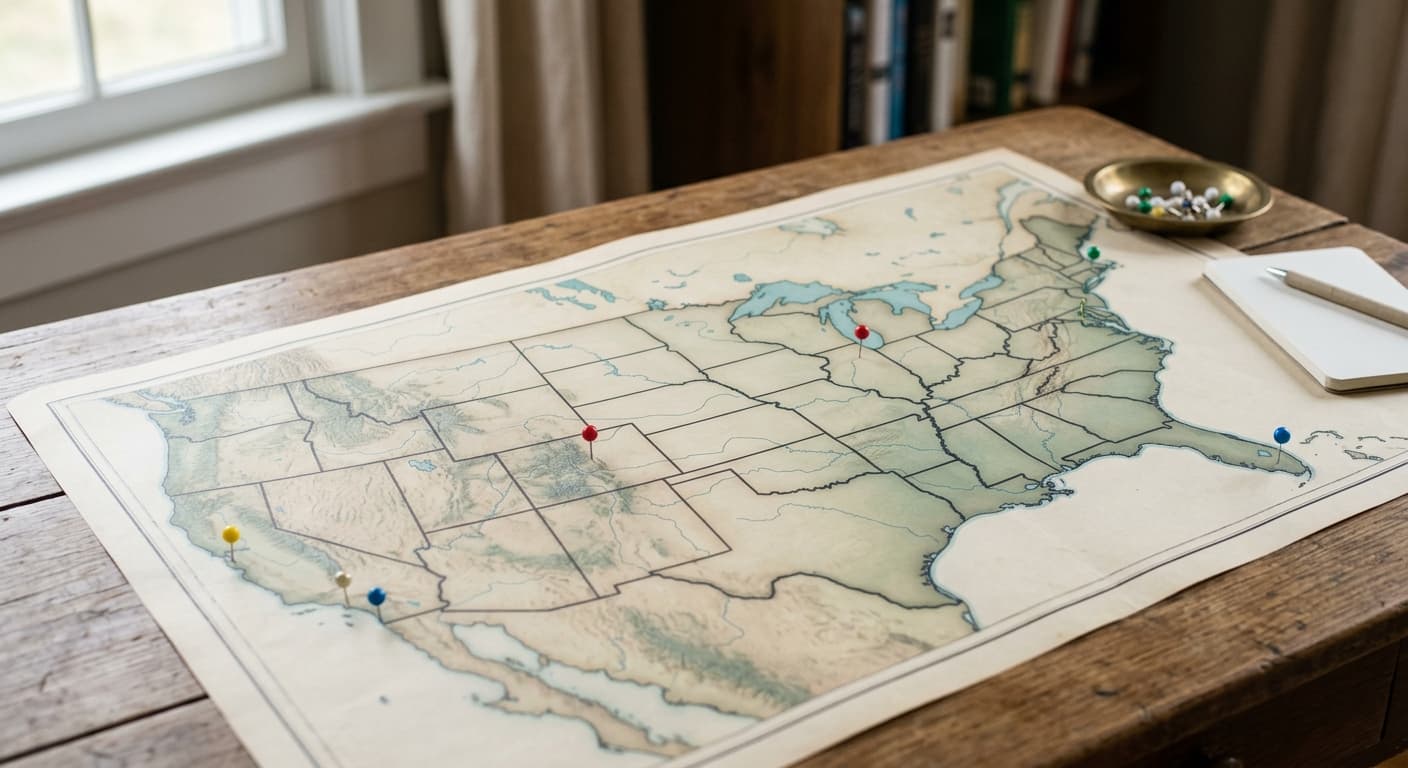
Quebec's civil protection order (CCP arts. 515.1 to 515.4) took effect June 4, 2025, not December 2024. Up to 5 years, a 10 day ex parte route, and breach handled as a criminal matter.

Saskatchewan has no single 'restraining order.' The Victims of Interpersonal Violence Act creates an emergency intervention order (justice of the peace) and a victim's assistance order (King's Bench).
How separation agreements work across Canada: formal requirements, financial disclosure, independent legal advice, and when a court can set one aside.
How spousal support works in Canada: entitlement under the Divorce Act, the SSAG formulas for amount and duration, tax rules, and how to estimate a range.