
Canada
Grandparents' Rights in Alberta: The Family Law Act's Two-Gate System
Independently fact-checked against primary sources (last audited August 17, 2026). · 4 primary sources cited on this page. How we verify our legal content
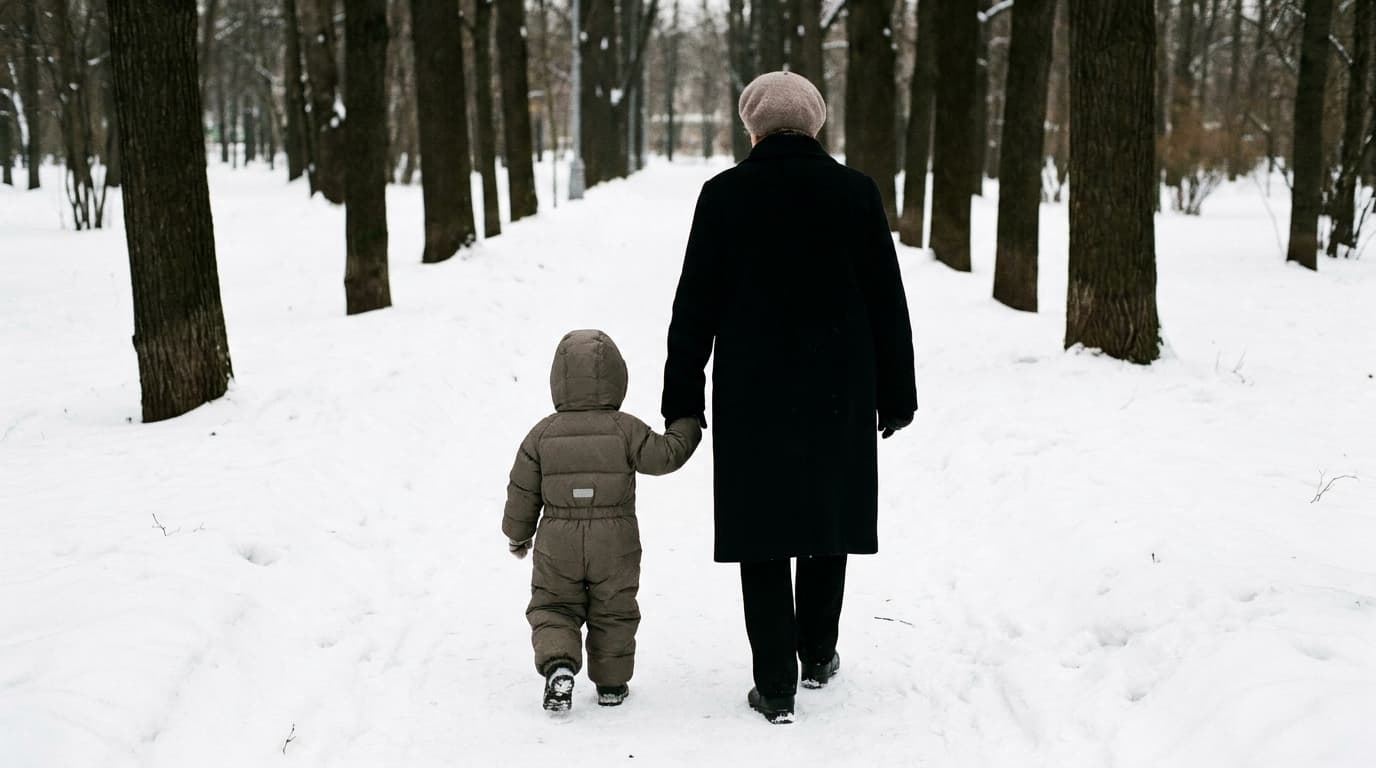
Alberta grandparents have no automatic right to see a grandchild. Under section 35 of the Family Law Act, most grandparents need the court's permission to even apply for contact, and even the narrow group who do not still must satisfy a separate best-interests test before a judge orders any contact.
Information last verified on 2026-08-16. This article has not yet been reviewed by a licensed lawyer.
This article covers how a grandparent applies for contact with a grandchild in Alberta under section 35 of the Family Law Act, SA 2003, c F-4.5. It does not cover guardianship applications, adoption, or child welfare (Children's Services) proceedings, which are governed by different legislation. For the national picture across Canada, including the federal Divorce Act route and how other provinces compare, see grandparents' rights in Canada. For jurisdictions with a materially different, no-leave structure, see grandparents' rights in British Columbia and grandparents' rights in Ontario.
Alberta Does Not Give Grandparents Automatic Contact
No provision of the Family Law Act grants a grandparent a standing right to see a grandchild. Every route to contact, whether the grandparent needs the court's permission first or not, runs through an application under section 35, and every application is decided against the same underlying standard: the best interests of the child, as defined in section 18. A grandparent who fits the Act's narrow permission exemption still has to persuade a judge that contact is in the child's interests and that the parents' refusal is unreasonable. There is no shortcut past that merits test for anyone.
Two Courts Share Jurisdiction
"3(1) The Court of King's Bench has jurisdiction in all matters under this Act. (2) Subject to this section, the Court of Justice has jurisdiction in all matters under this Act except (a) to make a declaration under section 8.2, 9, 10 or 83... (c) to make orders under sections 68, 73 and 76, and (d) to grant relief described in section 66(3)(b), (d), (g), (4), (7), (9) and (10)."

Section 35 contact orders are not on that exclusion list. That means a grandparent can bring a section 35 application in the Alberta Court of Justice, the province's lower-cost, faster-access family court, or in the Court of King's Bench, and does not need to go to King's Bench specifically. Section 3(3) adds that the Court of Justice does not gain King's Bench's inherent parens patriae jurisdiction over a child, but that limitation does not affect the ordinary section 35 contact process.
Section 35: The Two-Gate Structure
Section 35 is built around two distinct decisions that are easy to conflate. The first decides whether a grandparent may bring an application at all. The second, which every applicant faces regardless of how the first was resolved, decides whether the court will actually order contact.
Gate One: Does the Grandparent Need Permission to Apply?
"35(1) The court may, on application by any person, including a guardian, make an order providing for contact between a child and a person who is not a guardian. (2) Subject to subsection (3), a person other than (a) a parent or a guardian of a child, or (b) a person standing in the place of a parent may not make an application under this section without the permission of the court on notice to the guardians."
Subsection (2) is the default rule, and it applies to grandparents like anyone else who is not a parent or guardian: permission, called leave, is required before the application can proceed, and the guardians must be given notice. Subsection (3) then carves out a specific exemption for grandparents, but the exemption is narrow and conjunctive, not a blanket rule:
"35(3) A grandparent of a child does not require the permission of the court to make an application under this section if (a) the guardians are the parents of the child and (i) the guardians are living separate and apart, or (ii) one of the guardians has died, and (b) the grandparent's contact with the child has been interrupted by (i) the separation of the guardians, or (ii) the death of the guardian."
Both (a) and (b) have to be true. The child's guardians have to be the parents themselves, those parents have to be separated or one of them has to have died, and the grandparent's own contact with the child has to have actually been interrupted by that separation or death. A grandparent outside that fact pattern, for example where the parents were never both guardians together, where the child was removed by child welfare rather than a parental separation, or where the grandparent was simply never given contact in the first place rather than having existing contact cut off, does not qualify for the exemption and needs section 35(2) permission like any other non-parent applicant.
When permission is required, section 35(4) sets the standard the court applies to that threshold decision:
"35(4) In determining whether to grant permission under subsection (2), the court shall consider the best interests of the child, including (a) the significance of the relationship, if any, between the child and the person for whom contact with the child is proposed, and (b) the necessity of making an order to facilitate contact between the child and the person for whom contact with the child is proposed."
Gate Two: The Merits Test Applies to Every Applicant
Getting past gate one, whether by qualifying for the section 35(3) exemption or by being granted leave under section 35(4), does not end the analysis. Section 35(5) is a second, independent test that governs whether the court will actually make a contact order:
"35(5) Before the court makes a contact order, the court shall satisfy itself that contact between the child and the person for whom contact with the child is proposed is in the best interests of the child, including whether (a) the child's physical, psychological or emotional health may be jeopardized if contact between the child and the person for whom contact with the child is proposed is denied, and (b) the guardians' denial of contact between the child and the person for whom contact with the child is proposed is unreasonable."
This is the point worth underlining: exemption from the leave requirement in section 35(3) is not exemption from the merits test in section 35(5). A grandparent who qualifies for the narrow exemption still has to show the court that denying contact could jeopardize the child's wellbeing or that the parents' refusal is unreasonable. If the court makes a contact order, section 35(6) allows it to take the form of visits, oral or written communication, or another method, with any related terms the court considers appropriate.
What Best Interests Means Under Section 18
Section 18 supplies the best-interests standard that both section 35(4) and section 35(5) apply.
"18(1) In all proceedings under this Part except proceedings under section 20, the court shall take into consideration only the best interests of the child. (2) In determining what is in the best interests of a child, the court shall (a) ensure the greatest possible protection of the child's physical, psychological and emotional safety, and (b) consider all the child's needs and circumstances, including (i) the child's physical, psychological and emotional needs, including the child's need for stability, taking into consideration the child's age and stage of development, (ii) the history of care for the child, (iii) the child's cultural, linguistic, religious and spiritual upbringing and heritage, (iv) the child's views and preferences, to the extent that it is appropriate to ascertain them, (v) any plans proposed for the child's care and upbringing, (vi) any family violence, including its impact on the safety and well-being of the child and other family or household members and the ability of the person who engaged in the family violence to care for and meet the needs of the child, (vii) the nature, strength and stability of the relevant relationships, and (viii) the ability and willingness of each relevant person to care for and meet the needs of the child and to communicate and co-operate on issues affecting the child."
The extracted text of section 18(2) continues beyond clause (viii) with further sub-items, including factors about maintaining a child's relationships with each guardian, that this article does not quote verbatim because the source extraction was cut off before capturing the exact wording of the remaining clauses. The topics confirmed present, beyond what is quoted above, include the benefit to the child of developing and maintaining meaningful relationships with guardians and the willingness of guardians to support those relationships. A family law lawyer can walk through the complete, current factor list against the facts of a specific case.
The Federal Divorce Act Route Is Narrower Than It Sounds
A grandparent whose adult child is going through a divorce may hear that the federal Divorce Act, RSC 1985, c 3 (2nd Supp), also allows a non-spouse to apply for contact. That is true, but the route is narrower than a general right to sue for access. Section 16.5(1) allows "a person other than a spouse" to apply for an order providing for contact with a child of the marriage, which includes grandparents without requiring them to show they stood in the place of a parent. But section 16.5(3) requires leave of the court for every such application, with no exemption comparable to Alberta's section 35(3), and section 16.5(4) directs the court to consider whether the grandparent could reasonably get contact through the parenting time of a cooperative parent instead of through a court order.

Just as important, the Divorce Act contact mechanism exists only inside a corollary relief or variation proceeding between the child's own parents, meaning a formerly or currently married couple's own divorce case. A grandparent whose adult child was never married, or whose adult child's marriage is not the subject of a divorce or variation proceeding, has no Divorce Act route at all and must rely on Family Law Act section 35.
Practical Considerations Before Applying
A section 35 application is a court proceeding against, or at least directed at, the child's own parents, and it carries the costs and relationship strain of any family law litigation, including potential exposure to costs awards if the application is unsuccessful. This article did not confirm whether a specific mandatory Judicial Dispute Resolution step, family docket process, or case-conference requirement applies to grandparent contact applications in either the Court of King's Bench or the Alberta Court of Justice; that would depend on court practice notes and rules of court, not the Family Law Act itself, and should be confirmed directly with the court or a family law lawyer before filing. Because litigation against a grandchild's own parents can permanently affect the family relationship the grandparent is trying to preserve, treat a court application as a step to take after less adversarial options, including direct discussion and mediation, have been tried and have not worked, and get advice from a lawyer licensed in Alberta before filing.
Disclaimer
This article is informational only and is not legal advice. It does not quote section 18(2) of the Family Law Act beyond clause (viii) verbatim, because the source extraction used for this article did not capture the exact wording of the remaining sub-clauses. It does not confirm whether a mandatory dispute-resolution, Judicial Dispute Resolution, or case-conference step applies to grandparent contact applications in the Court of King's Bench or the Alberta Court of Justice, since that depends on court practice notes and rules of court that were not reviewed for this article. It also does not cite any specific Alberta court decision on grandparent contact, because no such judgment was opened from a primary or court-hosted source for this article. Confirm current requirements and how the law applies to your situation with a lawyer licensed in Alberta before relying on anything described here.

Frequently Asked Questions
Do grandparents in Alberta have automatic visitation rights?
No. The Family Law Act gives grandparents no automatic right to see a grandchild. Every route to contact runs through a section 35 application, and every application is decided under the best-interests test in section 18, regardless of whether the grandparent needed the court's permission to apply.
When can a grandparent apply for contact without the court's permission?
Only in the narrow situation described in section 35(3): the child's guardians are the parents themselves, those parents are separated or one has died, and the grandparent's own contact with the child was interrupted by that separation or death. Both parts have to be true.
What if a grandparent does not fit that narrow exemption?
The grandparent needs the court's permission (leave) to apply under section 35(2), on notice to the guardians. The court decides whether to grant leave using the section 35(4) test, which looks at the significance of the existing relationship and the necessity of an order.
Does qualifying for the leave exemption guarantee a contact order?
No. Section 35(5) is a separate, mandatory merits test that applies to every applicant. The court still has to be satisfied that contact is in the child's best interests, including whether denying contact could jeopardize the child's wellbeing and whether the guardians' refusal is unreasonable.
Which court hears grandparent contact applications in Alberta?
Both the Court of King's Bench and the Alberta Court of Justice have jurisdiction. Section 35 contact orders are not among the matters the Family Law Act reserves exclusively to the Court of King's Bench.
Can an Alberta grandparent use the federal Divorce Act instead of section 35?
Only if the child's own parents are or were married and are involved in a divorce or variation proceeding. Divorce Act section 16.5 always requires leave and has no exemption like Alberta's section 35(3). If the parents were never married, or there is no divorce or variation proceeding, the Divorce Act route is not available and section 35 is the only path.
Is mediation required before filing a section 35 application in Alberta?
This article did not confirm a mandatory mediation or dispute-resolution step for grandparent contact applications specifically; that would be set by court practice notes and rules of court rather than the Family Law Act itself. Given the cost and relationship risk of litigation, try direct discussion or mediation first and confirm current court process requirements with a family law lawyer.
Updates
Independently fact-checked against the cited primary sources
Sources and References
- Family Law Act, SA 2003, c F-4.5, s 35 (Contact order)(kings-printer.alberta.ca).gov
- Family Law Act, SA 2003, c F-4.5, s 3 (Court jurisdiction)(kings-printer.alberta.ca).gov
- Family Law Act, SA 2003, c F-4.5, s 18 (Best interests of the child)(kings-printer.alberta.ca).gov
- Divorce Act, RSC 1985, c 3 (2nd Supp), s 16.5 (Contact orders)(laws-lois.justice.gc.ca).gov