
Colorado
Colorado Laws on Recording Police: Rights, Protections, and Body Cameras
Independently fact-checked against primary sources (last audited August 15, 2026). · Reviewed by the RecordingLaw editorial team. · Law checked current as of August 15, 2026. · 4 primary sources cited on this page. How we verify our legal content
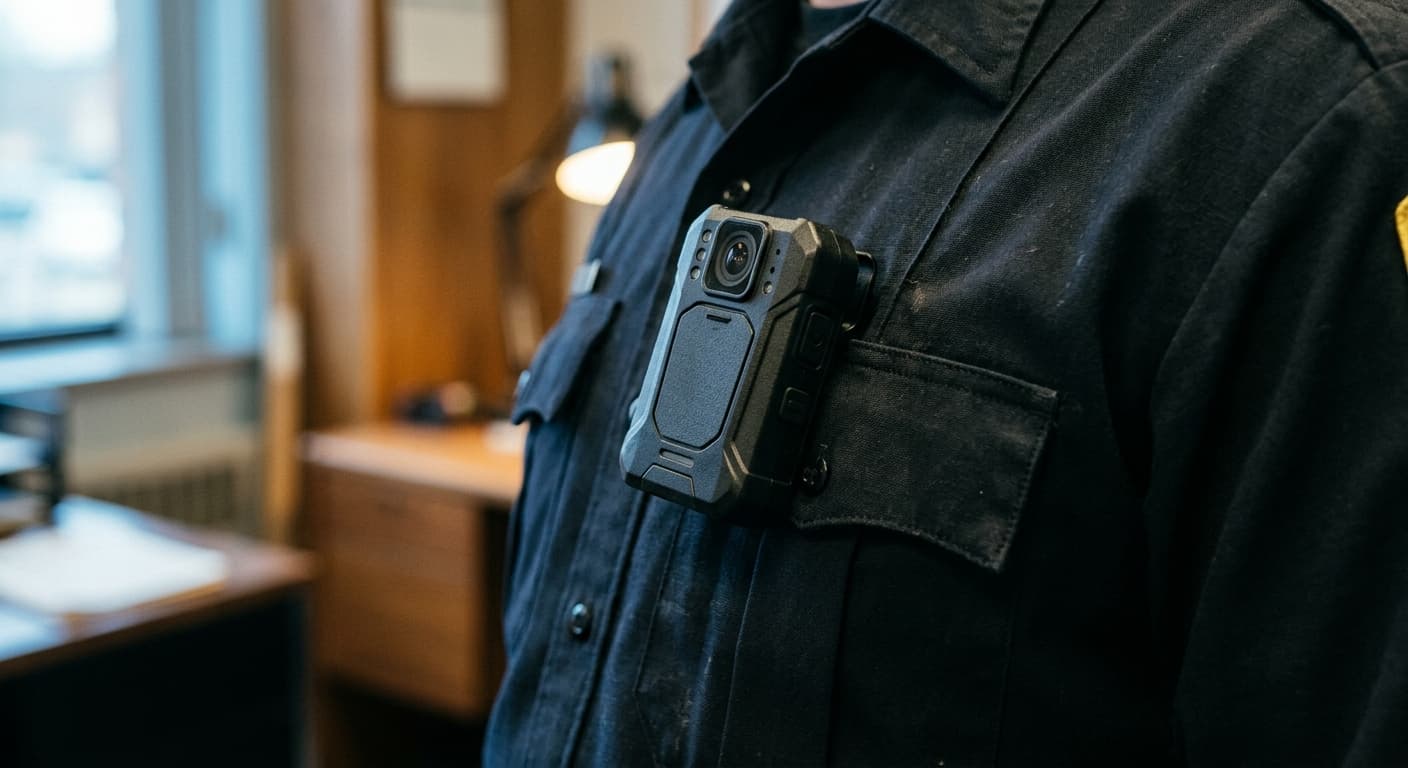
Colorado gives you a statutory right to record on-duty police officers in public under C.R.S. 16-3-311. The First Amendment provides additional protection, and one-party consent under C.R.S. 18-9-303 covers audio recording. Officers cannot seize your device without a warrant, your consent, or a subpoena.
Quick Answer
You have an explicit statutory right to record police officers in Colorado. Under C.R.S. 16-3-311, enacted in 2015 and effective May 20, 2016, you can record any incident involving a peace officer and maintain custody of both the recording and the recording device. A later law, SB 20-217 (2020, the Enhance Law Enforcement Integrity Act), added Colorado's body-worn camera mandate and a separate civil-rights lawsuit against officers personally, both discussed below. Colorado provides some of the strongest statutory protections in the country for civilian recording of police.
Your Right to Record Police in Colorado

The Statutory Framework: C.R.S. 16-3-311
C.R.S. 16-3-311 provides clear, affirmative protections for recording police officers. The statute establishes:
- Right to record: You have the right to lawfully record any incident involving a peace officer
- Right to custody: You have the right to maintain custody and control of that recording and the device used to make it
- Prohibition on seizure: Officers cannot seize your recording or device without your consent, a valid search warrant, or a subpoena
- Limited exception: Officers may temporarily seize a device for up to 72 hours only when exigent circumstances exist to save a life or prevent destruction of evidence
This statute was enacted in 2015 by SB 15-1290 and took effect May 20, 2016, five years before Colorado's broader police accountability law, SB 20-217 (the Enhance Law Enforcement Integrity Act, signed into law on June 19, 2020). SB 20-217 did not create the right to record; it added Colorado's body-worn camera mandate and the separate civil-rights cause of action against officers personally, both discussed below. Together, these two laws represent some of the most comprehensive police accountability reforms in the country.
Constitutional Protections
Beyond the state statute, recording police in public is also protected under the First Amendment to the U.S. Constitution. In Irizarry v. Yehia, 38 F.4th 1282 (10th Cir. 2022), the Tenth Circuit clearly established that recording police performing duties in public was a constitutionally protected First Amendment right as of May 26, 2019. That ruling built on an earlier panel decision in Frasier v. Evans, 992 F.3d 1003 (10th Cir. 2021), which had declined to clearly establish the right for conduct before that date. Together these cases mean officers in Colorado who violate the right to record after May 2019 cannot claim qualified immunity in a federal civil rights action under 42 U.S.C. 1983.
What You Can Record
Your right to record police in Colorado extends to:
- Traffic stops (whether you are the driver, a passenger, or a bystander)
- Arrests and detentions
- Officers conducting searches
- Interactions at protests and public demonstrations
- Officers responding to calls for service
- Any encounter between police and civilians in public spaces
- Police checkpoints and roadblocks
- Interactions at police stations (in publicly accessible areas)
Where You Can Record
You can record police from:
- Public sidewalks, streets, and parks
- Your own home or property
- Your vehicle during a traffic stop
- Any public area where you have a legal right to be
- Private property with the property owner's permission
Protections Against Device Seizure
The No-Seizure Rule
C.R.S. 16-3-311 establishes a strong prohibition against officers seizing your recording device. An officer cannot take your phone, camera, or other recording device unless:
- You give consent: You voluntarily agree to hand over the device
- Search warrant: A judge has issued a warrant specifically authorizing seizure of the device
- Subpoena: A court has issued a subpoena for the device or recording
This protection does not apply if the device is seized incident to a lawful arrest. C.R.S. 16-3-311(3) states that the section's seizure limits do not apply to devices seized incident to arrest, so an arrested person's device is not protected under this statute.
Important: You are never required to consent to handing over your device. You can and should clearly state: "I do not consent to you taking my device."
The 72-Hour Exigent Circumstances Exception
The only exception that allows temporary seizure without a warrant involves exigent circumstances where the device must be seized to:
- Save a life
- Prevent the destruction of evidence
Even under this exception, the seizure is temporary. The officer must return the device within 72 hours or obtain a warrant. This narrow exception prevents officers from using "exigent circumstances" as a blanket justification for confiscating civilian recordings.
Remedies If Your Recording Is Seized or Destroyed
If an officer unlawfully seizes or destroys your recording or device, C.R.S. 16-3-311 itself does not create a civil-damages remedy. Its text (subsections 1 through 4) establishes only the right to record, the limits on when an officer may seize your recording or device, and the narrow 72-hour exigent-circumstances exception described above. Two separate Colorado civil-rights statutes provide recourse, and they are not the same claim.
C.R.S. 13-21-128 lets you submit an affidavit to the officer's employing law enforcement agency if the officer unlawfully destroyed, damaged, or seized your recording or device. The agency has 30 days to pay the claim or deny it. If the agency denies the claim, you can sue the agency for actual damages, including a flat $500 statutory value for a destroyed or damaged recording, plus your costs and fees. A court may also award punitive damages up to $15,000, and attorney fees, only if it finds the agency's denial was made in bad faith. This statute does not bar qualified immunity and does not create personal liability for the officer.
C.R.S. 13-21-131, added by SB 20-217, is a broader civil action for an officer's deprivation of your constitutional rights, including the right to record. It bars qualified immunity as a defense and requires an award of reasonable attorney fees to a prevailing plaintiff, but it sets no minimum damages amount. If the officer's employer determines the officer did not act in good faith, the officer can be held personally liable for the lesser of 5 percent of the judgment or $25,000.
Body-Worn Cameras in Colorado
Mandatory Body Camera Requirements
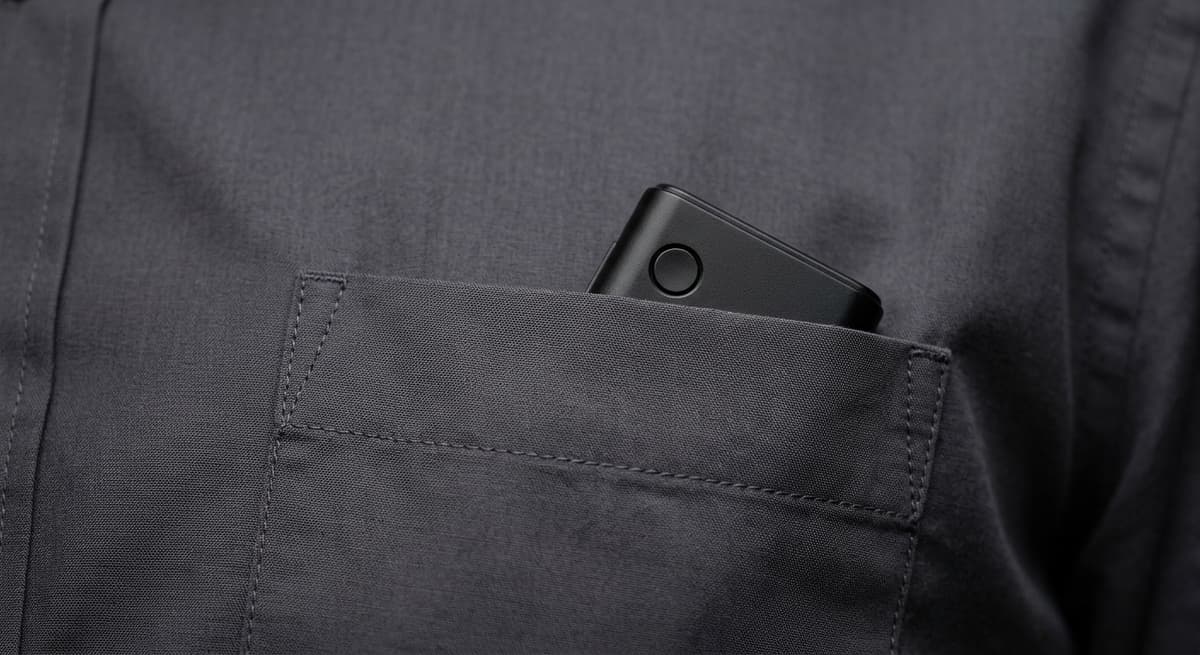
SB 20-217 requires all Colorado law enforcement agencies to equip officers with body-worn cameras. The implementation timeline required:
- All local law enforcement agencies in Colorado and the Colorado State Patrol were required to equip officers who interact with the public with body-worn cameras by July 1, 2023
- Narrow exceptions apply to jail staff (outside anticipated-force tasks), civilian and administrative staff, the Colorado State Patrol's executive detail, officers working in a courtroom, and officers working undercover
When Officers Must Activate Body Cameras
Colorado law requires officers to activate body cameras during:
- All contacts with the public while on duty
- All law enforcement activities, including traffic stops, arrests, searches, and interviews
- Any interaction that could reasonably lead to a use of force
Consequences for Failing to Activate
Under SB 20-217, if an officer fails to activate a body camera when required, a presumption arises in any legal proceeding that the missing footage would have been favorable to the civilian. This creates a powerful incentive for officers to keep cameras running.
Specifically:
- If footage is missing and the officer cannot explain why, courts may instruct juries that the missing footage would have supported the civilian's account
- Officers who repeatedly fail to activate cameras face disciplinary action
- Departments must maintain policies addressing camera activation and failure
Public Access to Body Camera Footage
Body camera footage is generally subject to the Colorado Open Records Act (CORA) (C.R.S. 24-72-101 et seq.). However, several exemptions may apply:
- Ongoing criminal investigations
- Footage that would compromise undercover operations
- Footage containing information about victims or witnesses that could endanger their safety
- Footage depicting minors in certain circumstances
You can submit a CORA request to the law enforcement agency for specific body camera footage. Agencies must respond within three business days.
Practical Guidelines for Recording Police
How to Record Safely
While Colorado law protects your right to record, following these practical guidelines can help avoid confrontations:
- Keep a safe distance: Do not physically interfere with police operations. Stay far enough away that officers can perform their duties.
- Do not trespass: Stay on public property or property where you have permission to be.
- Announce your intent if asked: If an officer asks what you are doing, you can say "I am exercising my right to record under Colorado law."
- Do not obstruct: Never physically block an officer, place yourself between an officer and a suspect, or otherwise interfere with police activity.
- Keep recording: If an officer orders you to stop recording, calmly state that Colorado law protects your right to record. Continue recording if you can do so safely.
- Do not resist seizure physically: If an officer takes your device despite your verbal objection, do not physically resist. Note the officer's name and badge number and pursue your legal remedies after the fact.
What to Do If Police Interfere with Your Recording
If an officer attempts to interfere with your recording:
- Clearly state: "I have a right to record under C.R.S. 16-3-311. I do not consent to you taking my device."
- Do not physically resist if the officer takes your device anyway
- Note the officer's name, badge number, agency, date, time, and location
- File a complaint with the law enforcement agency's internal affairs division
- Contact an attorney about pursuing civil remedies under C.R.S. 16-3-311
- If you uploaded or backed up the footage before seizure, preserve those copies
Cloud Backup and Live Streaming
Consider using apps or settings that automatically back up recordings to the cloud in real time. This ensures that even if your device is seized or damaged, the recording survives. Live streaming to social media platforms also creates a record that cannot be destroyed by deleting footage from the device.
Recording Police During Traffic Stops
As the Driver
You can record during your own traffic stop. Place your phone on the dashboard or use a mount so it records the interaction without requiring you to hold it (which keeps your hands visible to the officer). You do not need to inform the officer that you are recording.
As a Passenger
Passengers in a vehicle have the same right to record a traffic stop. You can use your phone to record the interaction between the officer and the driver.
As a Bystander
If you witness a traffic stop from a public sidewalk or your own property, you can record the interaction. Maintain a reasonable distance and do not approach the vehicle or the officer.
Qualified Immunity and Police Recording Cases
Colorado's Qualified Immunity Reform
SB 20-217 made Colorado one of the first states to limit qualified immunity for law enforcement officers in state civil rights cases. Under this law:
- Officers can be held personally liable for violating constitutional rights, including the right to record
- Qualified immunity is not a defense in state civil rights actions
- Officers found liable can be required to pay up to $25,000 in damages from personal funds (with the remaining amount paid by the employing agency)
This reform means that officers who unlawfully interfere with civilian recording face real personal consequences beyond departmental discipline.
Recording at Protests and Public Demonstrations
Colorado has seen significant protests and public demonstrations. Your right to record at these events is protected by both C.R.S. 16-3-311 and the First Amendment. Specific considerations for protest recording:
- You can record police actions during protests from any lawful vantage point
- Officers cannot order you to stop recording as a condition of remaining at a protest
- If police declare an unlawful assembly and order dispersal, you must comply with the dispersal order, but you can continue recording as you leave
- Journalists and citizen journalists have the same recording rights as other members of the public
Using Police Recordings as Evidence
Admissibility in Court
Recordings of police interactions made under Colorado's one-party consent law and C.R.S. 16-3-311 are generally admissible as evidence. These recordings can be used in:
- Criminal defense cases (showing officer misconduct or contradicting police testimony)
- Civil rights lawsuits under 42 U.S.C. 1983
- State civil rights actions under SB 20-217
- Internal affairs complaints
- Civilian review board proceedings
Preserving Your Recording
To maximize the evidentiary value of your recording:
- Do not edit, crop, or alter the recording
- Save the original file with its metadata intact
- Make backup copies immediately
- Note the date, time, and location of the recording
- Document any witnesses present
More Colorado Recording Laws
Audio Recording | Video Recording | Voyeurism & Hidden Cameras | Workplace Recording | Recording Police | Phone Call Recording | Security Cameras | Recording in Public | Landlord-Tenant | Dashcam Laws | Schools | Medical Recording
Back to Colorado Recording Laws
More Colorado Recording Topics
More Colorado Laws
Frequently Asked Questions
Can I record police officers in Colorado?
Yes. Colorado law under C.R.S. 16-3-311 explicitly protects your right to record any incident involving a peace officer. You can record from any public location or private property where you have a right to be. Officers cannot seize your device without a warrant, your consent, or a subpoena.
Can a police officer take my phone in Colorado?
Only with your consent, a valid search warrant, or a subpoena. Under C.R.S. 16-3-311, officers may temporarily seize a device for up to 72 hours under exigent circumstances to save a life or prevent evidence destruction, but this is a narrow exception.
What happens if a Colorado police officer deletes my recording?
C.R.S. 16-3-311 does not itself create a per-recording civil damages scheme; it establishes your right to record and the limits on when an officer may seize a recording or device. If an officer unlawfully destroys your recording, C.R.S. 13-21-128 lets you claim a $500 statutory value for the recording plus actual damages from the officer's employing agency, with punitive damages up to $15,000 possible if the agency denies your claim in bad faith. A separate statute, C.R.S. 13-21-131, lets you sue the officer personally for the underlying rights violation and bars qualified immunity as a defense, though it sets no minimum recovery amount.
Do Colorado police officers have to wear body cameras?
Yes. SB 20-217 requires all Colorado law enforcement agencies to equip officers with body-worn cameras. If an officer fails to activate a camera when required, courts may presume the missing footage would have supported the civilian's account of the incident.
Can I request police body camera footage in Colorado?
Yes. Body camera footage is generally subject to the Colorado Open Records Act (CORA). You can submit a CORA request to the law enforcement agency. Agencies must respond within three business days, though certain exemptions may apply for ongoing investigations or safety concerns.
Updates
Corrected the enactment history of Colorado's peace-officer recording law (C.R.S. 16-3-311 was created in 2015, not by 2020's SB 20-217), rewrote the civil-remedies section to accurately describe the two separate statutes governing recourse (C.R.S. 13-21-128's agency-affidavit process with a discretionary $15,000 punitive-damages cap, and C.R.S. 13-21-131's broader no-qualified-immunity personal action against the officer), corrected the body-worn camera deadline to the single July 1, 2023 date that applies to all agencies, added the statute's carve-out for devices seized incident to arrest, and replaced a dead case-law citation link.
Independently fact-checked against the cited primary sources; governing law re-checked for recent changes
Governing law re-checked for recent changes
Corrected a misattributed civil-remedy scheme: C.R.S. 16-3-311 establishes the right to record and limits on device seizure but creates no $500-per-recording/attorney-fee/punitive-damages remedy; that civil recourse comes from the separate C.R.S. 13-21-128 state cause of action.
Governing law re-checked for recent changes
Reviewed and approved by an editor
The Law Behind This Article
This article rests on the statutory provisions below, held in our own legal record and retrieved from the official source. Tap a section to read the operative text.
Colorado Revised Statutes, Title 16: Criminal Proceedings
§ 16-3-311Peace officer incident recordingsIn forcecited in 5 of our articles
(1) A person has the right to lawfully record any incident involving a peace officer and to maintain custody and control of that recording and the device used to record the recording. A peace officer shall not seize a recording or recording device without consent, without a search warrant or subpoena, or without a lawful exception to the warrant requirement. (2) (a) If a peace officer seeks to obtain from a person a device used to record an incident involving a peace officer in order to access the recording as possible evidence in an investigation, the officer shall first: (I) Advise the person of his or her name, his or her badge number or other identifying number, and the name of the law enforcement agency; (II) Identify the legal reason for which the information is requested; and (III) If practicable under the circumstances, inquire whether the person will voluntarily provide the officer with a copy of the specific recording that is relevant to the investigation either by voluntarily providing the device to the officer or immediately electronically transferring the information to the officer or the law enforcement agency so that the person may retain possession of his or…
Official text (excerpt) · last checked 2026-07-29 · Read the full text in our law library · Verify at olls.info
Also relied on in: Colorado Dashcam Laws: Legality, Mounting Rules, and Evidence Use, Colorado Phone Call Recording Laws: One-Party Consent and Interstate Rules, Colorado Laws on Recording in Public: Rights, Limits, and Exceptions
Colorado Revised Statutes, Title 18: Criminal Code
§ 18-9-303Wiretapping prohibited - penaltyIn forcecited in 16 of our articles
(1) Any person not a sender or intended receiver of a telephone or telegraph communication commits wiretapping if he: (a) Knowingly overhears, reads, takes, copies, or records a telephone, telegraph, or electronic communication without the consent of either a sender or a receiver thereof or attempts to do so; or (b) Intentionally overhears, reads, takes, copies, or records a telephone, telegraph, or electronic communication for the purpose of committing or aiding or abetting the commission of an unlawful act; or (c) Knowingly uses for any purpose or discloses to any person the contents of any such communication, or attempts to do so, while knowing or having reason to know the information was obtained in violation of this section; or (d) Knowingly taps or makes any connection with any telephone or telegraph line, wire, cable, or instrument belonging to another or with any electronic, mechanical, or other device belonging to another or installs any device whether connected or not which permits the interception of messages; or (e) Repealed.
Official text (excerpt) · last checked 2026-08-28 · Read the full text in our law library · Verify at olls.info
Cited in 4 court opinions in our collectionLatest citing opinion in our collection: 2001
Opinions citing this section in our collection:
- Bartnicki v. Vopper (Supreme Court of the United States 2001, 532 U.S. 514)“…5-60-120 (1997); Cal. Penal Code Ann. §631 (West 1999); Colo. Rev. Stat. §18-9-303 (2000); Del. Code Ann., Tit. 11, § 133…”
- Boehner, John A. v. McDermott, James A. (Court of Appeals for the D.C. Circuit 1999, 191 F.3d 463)“…oncert with them); Cal.Penal Code §§ 631, 632 (West 1999); Colo. Rev. Stat. § 18-9-303 (1986 & Supp.1995); Conn. Gen. Stat. §…”
- Sequa Corp. v. Lititech, Inc. (District Court, D. Colorado 1992, 807 F. Supp. 653)“…Menaman. Defendants rely on Colorado’s wiretapping statute, C.R.S. § 18-9-303, which provides in relevant part:…”
Identified automatically from the court opinions citing this section — not a ranking of which case controls.
Also relied on in: Colorado Audio Recording Laws: One-Party Consent Rules and Penalties, Colorado Landlord-Tenant Recording Laws: Cameras, Privacy, and Rights, Colorado Medical Recording Laws: Patient Rights, HIPAA, and Provider Rules
United States Code Title 42
§ 1983Civil action for deprivation of rightsIn forcecited in 50 of our articles
Every person who, under color of any statute, ordinance, regulation, custom, or usage, of any State or Territory or the District of Columbia, subjects, or causes to be subjected, any citizen of the United States or other person within the jurisdiction thereof to the deprivation of any rights, privileges, or immunities secured by the Constitution and laws, shall be liable to the party injured in an action at law, suit in equity, or other proper proceeding for redress, except that in any action brought against a judicial officer for an act or omission taken in such officer’s judicial capacity, injunctive relief shall not be granted unless a declaratory decree was violated or declaratory relief was unavailable. For the purposes of this section, any Act of Congress applicable exclusively to the District of Columbia shall be considered to be a statute of the District of Columbia.
Official text (excerpt) · last checked 2026-09-16 · Read the full text in our law library · Verify at uscode.house.gov
Cited in 282,365 court opinions in our collectionLatest citing opinion in our collection: 2026
Opinions citing this section in our collection:
- Ashcroft v. Iqbal (Supreme Court of the United States 2009, 556 U.S. 662)“…its brought against state officials under Rev. Stat. §1979, 42 U. S. C. §1983.” Hartman, 547 U. S., at 254, n. 2. Cf.…”
- Celotex Corp. v. Catrett, Administratrix of the Estate of Catrett (Supreme Court of the United States 1986, 477 U.S. 317)“…policeman as she left. Petitioner brought an action under 42 U. S. C. § 1983 claiming that the refusal of service a…”
- Monell v. New York City Dept. of Social Servs. (Supreme Court of the United States 1978, 436 U.S. 658)“…decided less than two decades ago. Focusing new light on 42 U. S. C. § 1983 , that decision widened access to the f…”
Identified automatically from the court opinions citing this section — not a ranking of which case controls.
Also relied on in: Alabama Laws on Recording Police: Your Rights and Limits, Alaska Laws on Recording Police: Your Rights and Limits (2026), Arkansas Laws on Recording Police: Your Rights and Limits (2026)
Explore the law
This article also draws on these acts and chapters (opening at their first section): Colorado Revised Statutes, Title 16: Criminal Proceedings § 16-1-101 (Short title)
Related law for further reading — not part of this article’s citations.
Search our full record of US law — 2.1 million sections, every state + federal →
Sources and References
- C.R.S. 16-3-311 - Peace Officer Recordings(law.justia.com)
- SB 20-217 - Enhance Law Enforcement Integrity(leg.colorado.gov).gov
- Colorado Open Records Act(sos.colorado.gov).gov
- Colorado Title 16 Criminal Procedure(content.leg.colorado.gov).gov
- Colorado POST(post.colorado.gov).gov
- C.R.S. 18-9-303 - Wiretapping Prohibited(law.justia.com)