
Colorado
Colorado Landlord-Tenant Recording Laws: Cameras, Privacy, and Rights
Independently fact-checked against primary sources (last audited August 15, 2026). · Reviewed by the RecordingLaw editorial team. · Law checked current as of August 15, 2026. · 3 primary sources cited on this page. How we verify our legal content
Colorado follows one-party consent under C.R.S. 18-9-303, so either a landlord or a tenant may record any conversation they participate in without notifying the other party. Landlords may install cameras in common areas but cannot place cameras inside a rental unit without tenant knowledge and consent.
Quick Answer
Colorado tenants can record conversations with their landlord under one-party consent, and landlords can install cameras in common areas with proper disclosure. The Colorado Division of Real Estate has issued guidance on surveillance in rental properties, and state privacy statutes under C.R.S. 18-7-801 restrict camera placement in private areas.
Tenant Recording Rights

Recording Conversations with Your Landlord
As a tenant in Colorado, you can record conversations with your landlord, property manager, or maintenance staff under the one-party consent framework of C.R.S. 18-9-303 and C.R.S. 18-9-304. You do not need to tell the landlord you are recording.
Common situations where tenants record landlord interactions:
- Maintenance requests: Documenting verbal promises to make repairs
- Lease disputes: Preserving conversations about lease terms, rent increases, or deposit deductions
- Illegal entry complaints: Recording a landlord who enters without proper notice (Colorado's bed bug inspection statute, C.R.S. 38-12-1004, requires a landlord, qualified inspector, or pest control agent to give at least 48 hours' written or electronic notice before entering to inspect for or treat bed bugs, unless the rental agreement sets a different notice period or the tenant waives notice)
- Harassment documentation: Recording threatening or harassing behavior by a landlord
- Move-out inspections: Preserving a record of the property's condition
- Eviction discussions: Recording conversations related to eviction notices or lease termination
Recording Methods for Tenants
Tenants can use:
- A smartphone voice recorder during in-person conversations
- A call recording app during phone calls with the landlord or property management
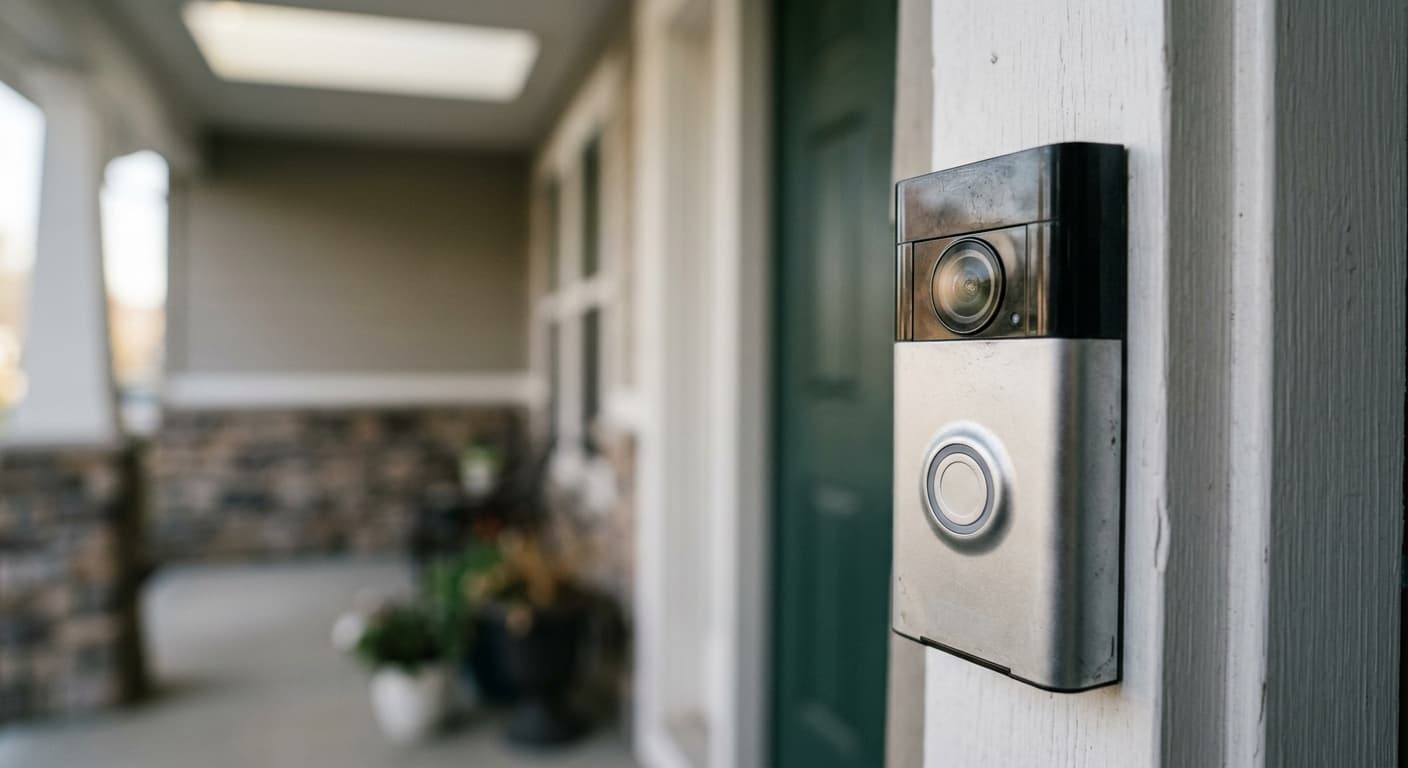
- A doorbell camera to record interactions at the front door
- A security camera to document the condition of the property and any unauthorized entries
The key legal requirement remains the same: you must be a participant in the conversation. Planting a recorder and leaving will not satisfy one-party consent for the audio component.
Using Recordings in Landlord-Tenant Disputes
Recordings made under one-party consent are generally admissible in Colorado courts and administrative proceedings. Tenants commonly use recordings in:
- Deposit disputes: Proving the property's condition at move-in or move-out
- Repair claims: Documenting that the landlord was notified of problems
- Rent disputes: Preserving verbal agreements about rent amounts or payment schedules
- Eviction defense: Showing procedural violations or retaliatory eviction
- Habitability claims: Recording conditions that violate the Colorado Warranty of Habitability standards
Landlord Surveillance Rights
Common Area Cameras
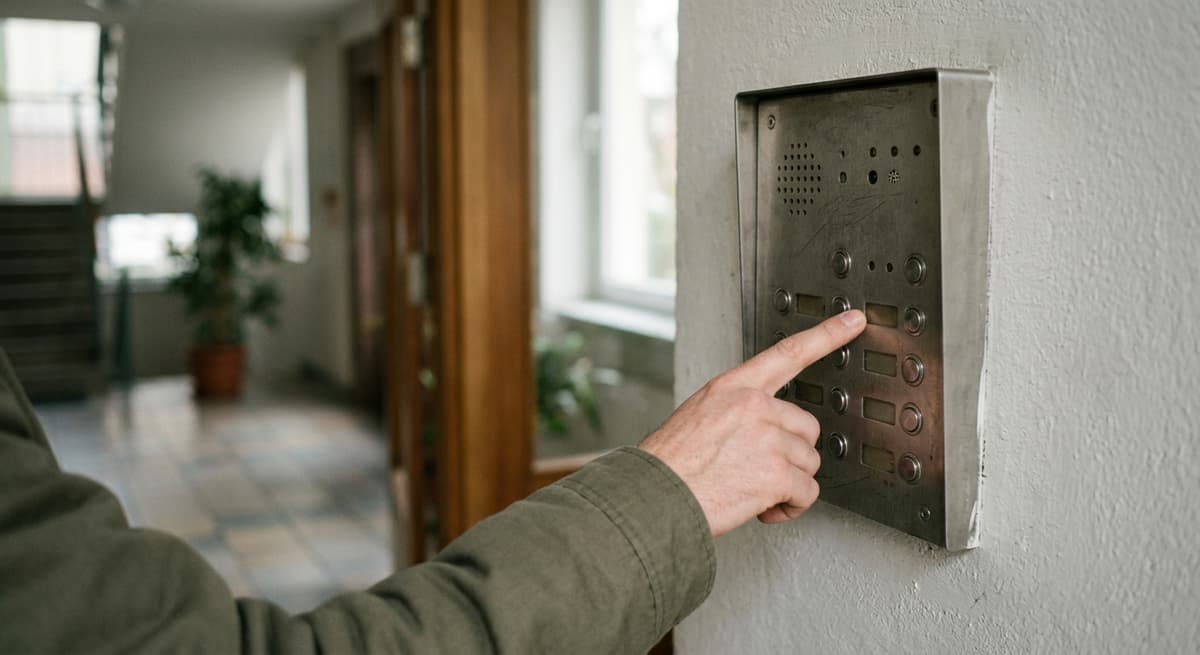
Landlords can install security cameras in common areas of multi-unit rental properties. Permissible locations include:
- Building lobbies and entrances
- Hallways and stairwells
- Parking lots and garages
- Laundry rooms
- Mail areas
- Exterior building perimeters
- Pool areas and common recreation spaces
These cameras serve legitimate security and liability reduction purposes. Colorado law does not require tenant consent for video-only surveillance in common areas.
Prohibited Camera Locations
Landlords cannot place cameras in areas where tenants or visitors have a reasonable expectation of privacy:
- Inside individual rental units (without tenant knowledge and consent)
- Bathrooms in any location
- Private balconies or patios where tenants have exclusive use (this is a gray area; cameras aimed at a shared courtyard that incidentally capture private patios may be acceptable, but cameras targeting a specific tenant's patio raise concerns)
- Any area where a person would reasonably expect to undress or engage in private activities
Violating these restrictions constitutes Criminal Invasion of Privacy under C.R.S. 18-7-801, a Class 2 misdemeanor carrying up to 120 days in jail and a $750 fine.
Colorado Division of Real Estate Guidance
The Colorado Division of Real Estate has issued specific guidance on audio and video surveillance in properties. Key recommendations include:
- Disclosure before lease signing: Landlords should inform prospective tenants about all surveillance systems on the property before the lease is signed
- Written notification: Surveillance policies should be included in the lease or as a separate disclosure document
- Signage: Posting signs in areas under surveillance is recommended
- Audio recording caution: The Division specifically warns that audio recording raises one-party consent issues under C.R.S. 18-9-303 and 18-9-304
While this guidance is not binding law, it represents the state's recommended best practices and can influence how courts and regulators evaluate landlord surveillance practices.
Audio Recording in Rental Properties

The Audio Problem for Landlords
Many modern security cameras have built-in microphones that record audio by default. This creates significant legal risk for landlords:
- Video-only surveillance in common areas is legal without consent
- Adding audio to surveillance in common areas implicates C.R.S. 18-9-303 and 18-9-304
- If the landlord is not a participant in conversations captured by security camera audio, the recording may constitute illegal eavesdropping
Solutions for Landlords
- Disable audio on security cameras: The simplest solution is to turn off microphones on all common area cameras
- Post clear audio recording notices: Signs stating "Audio and video recording in progress" provide notice that can serve as implied consent
- Include audio recording in lease terms: A lease clause notifying tenants that common areas are subject to audio and video recording establishes awareness
- Use video-only cameras: Purchase security systems without microphone capabilities
Tenant Audio Recording
Tenants can record audio inside their own units as they are the occupants and participants in any conversations there. Tenants can also record conversations with landlords, maintenance workers, or other visitors to their unit under one-party consent.
Landlord Entry and Recording
Notice Requirements
Under C.R.S. 38-12-1004, a landlord, qualified inspector, or pest control agent must give a tenant at least 48 hours' written or electronic notice before entering to inspect for or treat bed bugs, unless the rental agreement sets a different notice period or the tenant waives notice. Tenants who suspect their landlord is entering without proper notice can use recording devices to document unauthorized entries:
- Interior cameras: Video cameras in common living areas of the unit can capture unauthorized entries
- Doorbell cameras: Record when someone enters through the front door
- Motion-activated cameras: Activate only when movement is detected, preserving storage space
- Smart home sensors: Door and window sensors can log entry times
Recording Unauthorized Entry
If your landlord enters your unit without proper notice, recordings can serve as evidence in:
- Complaints to the Colorado Division of Real Estate
- Civil lawsuits for invasion of privacy
- Lease violation claims
- Requests for court-ordered restraining orders in severe cases
Security Deposits and Recording
Move-In Documentation
Colorado tenants should document the property's condition at move-in with:
- Video walkthroughs of every room, recording the condition of walls, floors, fixtures, and appliances
- Photographs with timestamps
- Written condition checklists
These recordings help protect your security deposit when you move out by establishing the property's condition before your tenancy.
Move-Out Inspections
Under Colorado law, tenants can request a move-out inspection. Recording this inspection provides valuable evidence:
- Record the landlord's walk-through and any comments about the property's condition
- Document any damage the landlord claims versus pre-existing conditions you recorded at move-in
- Preserve the conversation about potential deposit deductions
Colorado law under C.R.S. 38-12-103 requires landlords to return security deposits (or provide an itemized list of deductions) within one month of lease termination. Recordings can be critical evidence if you dispute deductions.
Short-Term Rentals and Airbnb
Surveillance Disclosure Requirements
Colorado property owners who list short-term rentals on Airbnb, Vrbo, or similar platforms must consider:
- Disclosure is essential: Always disclose any surveillance devices in or around the rental property
- Platform policies: Airbnb requires hosts to disclose all surveillance devices in the listing and prohibits cameras in private spaces (bedrooms, bathrooms)
- Privacy areas: Cameras inside the rental unit violate guest privacy expectations and likely C.R.S. 18-7-801
- Exterior cameras: Cameras covering the exterior of the property and common areas should be disclosed but are generally legal
Audio Recording in Short-Term Rentals
The same audio recording rules apply to short-term rentals. Security cameras with microphones in areas where guests have conversations (living rooms, kitchens, outdoor seating areas) create eavesdropping risk if the host is not a participant. Disable audio or provide clear notice.
Tenant Rights Resources
Colorado tenants with recording or surveillance concerns can contact:
- Colorado Division of Real Estate for complaints about landlord practices
- Colorado Legal Services for free legal assistance for qualifying tenants
- Colorado Attorney General's Office for consumer protection complaints
- Local tenant rights organizations for guidance and advocacy
More Colorado Recording Laws
Audio Recording | Video Recording | Voyeurism & Hidden Cameras | Workplace Recording | Recording Police | Phone Call Recording | Security Cameras | Recording in Public | Landlord-Tenant | Dashcam Laws | Schools | Medical Recording
Back to Colorado Recording Laws
More Colorado Recording Topics
More Colorado Laws
Frequently Asked Questions
Can I record my landlord in Colorado?
Yes. Under Colorado's one-party consent law, you can record conversations with your landlord as long as you are a participant. This applies to in-person meetings, phone calls, and video conversations. You do not need to tell the landlord you are recording.
Can my landlord put cameras inside my apartment in Colorado?
Not without your knowledge and consent. The Colorado Division of Real Estate recommends that landlords disclose all surveillance before lease signing. Cameras inside individual rental units should only be present with tenant awareness. Cameras in bathrooms or bedrooms violate C.R.S. 18-7-801.
Can a landlord record audio in common areas in Colorado?
Only if done in compliance with one-party consent rules. Video-only surveillance in common areas does not require consent. If cameras have microphones that capture tenant conversations the landlord is not part of, the audio recording could constitute illegal eavesdropping. The safest approach is to disable audio or post clear notices.
Can I install a doorbell camera on my apartment in Colorado?
Generally yes, but check your lease first. Some leases restrict property modifications. If your lease allows it, you can install a doorbell camera to record your entryway. The camera's audio function follows one-party consent rules when you interact with visitors through the device.
Can I use recordings to fight a security deposit dispute in Colorado?
Yes. Recordings of the property's condition at move-in and move-out are valuable evidence in deposit disputes. Under C.R.S. 38-12-103, landlords must return deposits or provide itemized deductions within one month. Video documentation can prove the property was in good condition when you left.
Updates
Independently fact-checked against the cited primary sources; governing law re-checked for recent changes
Corrected the landlord-entry-notice claim: C.R.S. 38-12-1004 is Colorado's bed bug inspection/access statute requiring at least 48 hours' notice, not a general one-day landlord-entry-notice law.
Governing law re-checked for recent changes
Reviewed and approved by an editor
The Law Behind This Article
This article rests on the statutory provisions below, held in our own legal record and retrieved from the official source. Tap a section to read the operative text.
Colorado Revised Statutes, Title 18: Criminal Code
§ 18-9-304Eavesdropping prohibited - penaltyIn forcecited in 14 of our articles
(1) Any person not visibly present during a conversation or discussion commits eavesdropping if he: (a) Knowingly overhears or records such conversation or discussion without the consent of at least one of the principal parties thereto, or attempts to do so; or (b) Intentionally overhears or records such conversation or discussion for the purpose of committing, aiding, or abetting the commission of an unlawful act; or (c) Knowingly uses for any purpose, discloses, or attempts to use or disclose to any other person the contents of any such conversation or discussion while knowing or having reason to know the information was obtained in violation of this section; or (d) Knowingly aids, authorizes, agrees with, employs, permits, or intentionally conspires with any person to violate the provisions of this section. (2) Eavesdropping is a class 2 misdemeanor.
Official text (excerpt) · last checked 2026-08-31 · Read the full text in our law library · Verify at olls.info
Also relied on in: Colorado Security Camera Laws: Residential, Commercial, and Privacy Rules, Colorado Audio Recording Laws: One-Party Consent Rules and Penalties, Colorado Medical Recording Laws: Patient Rights, HIPAA, and Provider Rules
§ 18-7-801Criminal invasion of privacyIn forcecited in 11 of our articles
(1) A person who knowingly observes or takes a photograph of another person's intimate parts, as defined in section 18-3-401 (2), without that person's consent, in a situation where the person observed or photographed has a reasonable expectation of privacy, commits criminal invasion of privacy. (2) Criminal invasion of privacy is a class 2 misdemeanor. (3) For the purposes of this section, photograph includes a photograph, motion picture, videotape, live feed, print, negative, slide, or other mechanically, electronically, digitally, or chemically reproduced visual material.
Official text (excerpt) · last checked 2026-08-31 · Read the full text in our law library · Verify at olls.info
Also relied on in: Colorado School Recording Laws: Classrooms, IEP Meetings, and Surveillance, Colorado Video Recording Laws: What Is Legal and What Is Not, Colorado Workplace Recording Laws: Employee and Employer Rights
§ 18-9-303Wiretapping prohibited - penaltyIn forcecited in 16 of our articles
(1) Any person not a sender or intended receiver of a telephone or telegraph communication commits wiretapping if he: (a) Knowingly overhears, reads, takes, copies, or records a telephone, telegraph, or electronic communication without the consent of either a sender or a receiver thereof or attempts to do so; or (b) Intentionally overhears, reads, takes, copies, or records a telephone, telegraph, or electronic communication for the purpose of committing or aiding or abetting the commission of an unlawful act; or (c) Knowingly uses for any purpose or discloses to any person the contents of any such communication, or attempts to do so, while knowing or having reason to know the information was obtained in violation of this section; or (d) Knowingly taps or makes any connection with any telephone or telegraph line, wire, cable, or instrument belonging to another or with any electronic, mechanical, or other device belonging to another or installs any device whether connected or not which permits the interception of messages; or (e) Repealed.
Official text (excerpt) · last checked 2026-08-28 · Read the full text in our law library · Verify at olls.info
Cited in 4 court opinions in our collectionLatest citing opinion in our collection: 2001
Opinions citing this section in our collection:
- Bartnicki v. Vopper (Supreme Court of the United States 2001, 532 U.S. 514)“…5-60-120 (1997); Cal. Penal Code Ann. §631 (West 1999); Colo. Rev. Stat. §18-9-303 (2000); Del. Code Ann., Tit. 11, § 133…”
- Boehner, John A. v. McDermott, James A. (Court of Appeals for the D.C. Circuit 1999, 191 F.3d 463)“…oncert with them); Cal.Penal Code §§ 631, 632 (West 1999); Colo. Rev. Stat. § 18-9-303 (1986 & Supp.1995); Conn. Gen. Stat. §…”
- Sequa Corp. v. Lititech, Inc. (District Court, D. Colorado 1992, 807 F. Supp. 653)“…Menaman. Defendants rely on Colorado’s wiretapping statute, C.R.S. § 18-9-303, which provides in relevant part:…”
Identified automatically from the court opinions citing this section — not a ranking of which case controls.
Also relied on in: Colorado Dashcam Laws: Legality, Mounting Rules, and Evidence Use, Colorado Laws on Recording Police: Rights, Protections, and Body Cameras, Colorado Laws on Recording in Public: Rights, Limits, and Exceptions
Colorado Revised Statutes, Title 38: Property - Real and Personal
§ 38-12-1004Bed bugs - access to dwelling unit and personal belongings - notice - costsIn force
(1) (a) If a landlord, qualified inspector, or pest control agent must enter a dwelling unit for the purpose of conducting an inspection for, or treating the presence of, bed bugs, the landlord shall provide the tenant reasonable written or electronic notice of such fact at least forty-eight hours before the landlord, qualified inspector, or pest control agent attempts to enter the dwelling unit; except that a rental agreement may provide for a different minimum time for the notice. A tenant who receives such notice shall not unreasonably deny the landlord, qualified inspector, or pest control agent access to the dwelling unit. (b) A tenant may waive the notice requirement described in subsection (1)(a) of this section. (2) A qualified inspector who is inspecting a dwelling unit for bed bugs may conduct an initial visual and manual inspection of a tenant's bedding and upholstered furniture. The qualified inspector may inspect items other than bedding and upholstered furniture when the qualified inspector determines that such an inspection is necessary and reasonable.
Official text (excerpt) · last checked 2026-07-29 · Read the full text in our law library · Verify at olls.info
§ 38-12-103Return of security depositIn forcecited in 2 of our articles
(1) [Editor's note: This version of subsection (1) is effective until January 1, 2026.] A landlord shall, within one month after the termination of a lease or surrender and acceptance of the premises, whichever occurs last, return to the tenant the full security deposit deposited with the landlord by the tenant, unless the lease agreement specifies a longer period of time, but not to exceed sixty days. A landlord shall not retain the security deposit to cover normal wear and tear. If a tenant terminates the lease pursuant to section 38-12-402 (2)(a) and provides the documentation required pursuant to section 38-12-402 (2)(a.5), the tenant is not liable for damage to the dwelling unit caused by the responsible party or during the course of an incident of unlawful sexual behavior, stalking, domestic violence, or domestic abuse, and any amount of money that the landlord retains from the security deposit must comply with section 38-12-402 (2)(b). In the event that actual cause exists for retaining any portion of the security deposit, the landlord shall provide the tenant with a written statement listing the exact reasons for the retention of any portion of the security deposit.
Official text (excerpt) · last checked 2026-09-05 · Read the full text in our law library · Verify at olls.info
Cited in 5 court opinions in our collectionLatest citing opinion in our collection: 2024
Opinions citing this section in our collection:
- Mason v. Orthodontic Centers of Colorado, Inc. (District Court, D. Colorado 2007, 516 F. Supp. 2d 1205)“…159 P.3d 116, 123 (Colo. 2007), citing C.R.S. § 38-12-103(7) (voiding contractual waivers of righ…”
- Sanderson v. Allstate Insurance (District Court, D. Colorado 1990, 738 F. Supp. 432)“…Portillos, 638 P.2d 274, 277 (Colo. 1981) (upholding Colo.Rev.Stat. § 38-12-103(3)(l)’s unilateral grant of attorneys’…”
- Fuhlrodt v. Rela, Inc. (Court of Appeals for the Ninth Circuit 2003, 71 F. App'x 615)“…v.Stat. § 12-66-103 with Colo.Rev.Stat. § 13-21-102 and Colo.Rev.Stat. § 38-12-103. Based on legislative history, the circ…”
Identified automatically from the court opinions citing this section — not a ranking of which case controls.
Also relied on in: Colorado Landlord-Tenant Laws (2026): Deposits, Notice, and Tenant Rights
Explore the law
This article also draws on these acts and chapters (opening at their first section): Colorado Revised Statutes, Title 38: Property - Real and Personal § 38-1-101 (Compensation - public use - commission - jury - court - prohibition on elimination of nonconforming uses or nonconforming property design by amortization - limitation on extraterritorial condemnation by municipalities - definitions)
Related law for further reading — not part of this article’s citations.
Search our full record of US law — 2.1 million sections, every state + federal →
Sources and References
- Colorado DRE - Surveillance in Properties(dre.colorado.gov).gov
- C.R.S. 18-7-801 - Criminal Invasion of Privacy(law.justia.com)
- C.R.S. 18-9-303 - Wiretapping Prohibited(law.justia.com)
- C.R.S. 38-12-1004 - Entry by Landlord(law.justia.com)
- Colorado Attorney General(coag.gov).gov
- Colorado Title 38 Property(content.leg.colorado.gov).gov
- C.R.S. 38-12-103 - Security Deposit Returns(law.justia.com)