District of Columbia Laws on Recording Police: Your Rights and Limits
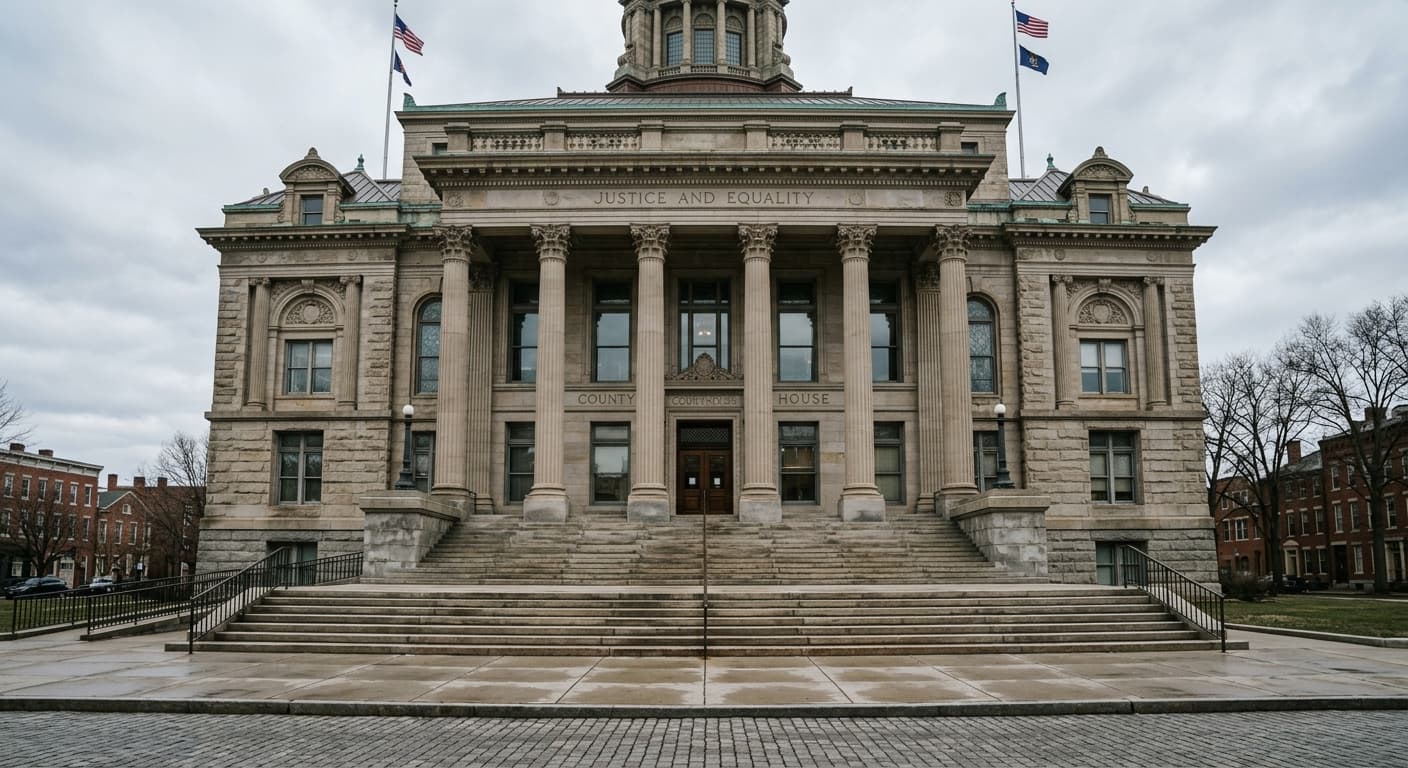
The right to record police officers in public is one of the most significant civil liberties issues in the District of Columbia. As the seat of the federal government and a city with a large and visible police presence, D.C. sees frequent encounters between citizens and law enforcement. Understanding your legal right to record these encounters is essential for every D.C. resident, visitor, journalist, and activist.
The District of Columbia's one-party consent law, the First Amendment, and federal court decisions all support the right to record police in public. At the same time, the District's unique status as a federal enclave means that recording near federal law enforcement facilities involves additional rules.
The Constitutional Right to Record Police
First Amendment Protections
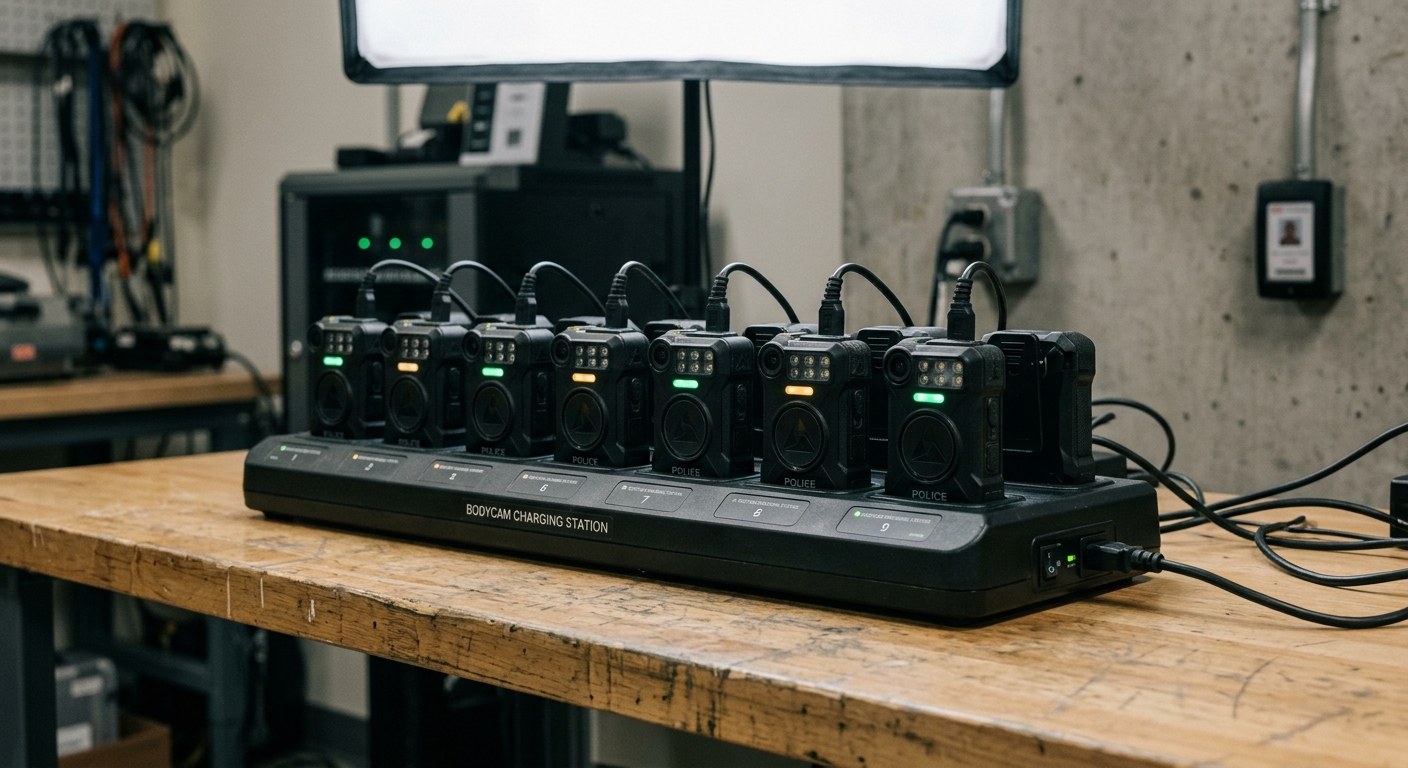
The First Amendment to the U.S. Constitution protects the right to record law enforcement officers performing their official duties in public spaces. While the U.S. Supreme Court has not issued a definitive ruling solely on this question, every federal circuit court that has addressed the issue has recognized this right.
The U.S. Court of Appeals for the D.C. Circuit, which has jurisdiction over the District, has addressed related First Amendment issues involving government accountability and public access to information. The broader constitutional framework supports the principle that citizens have the right to gather information about how their government operates, including how police officers carry out their duties.
What You Can Record
In D.C., you can legally record:
- Police traffic stops, including your own
- Arrests occurring in public view
- Police interactions with other citizens on streets and sidewalks
- Police responses to emergencies and incidents in public areas
- Protests and demonstrations where police are present
- Police press conferences and public statements
- Your own interactions with officers during stops, detentions, or questioning
How the Right to Record Works in Practice
Your right to record police is subject to reasonable time, place, and manner restrictions. You may exercise this right as long as you:
- Stand at a reasonable distance from the officer and the scene
- Do not physically insert yourself into the encounter
- Do not interfere with the officer's ability to perform their duties
- Do not trespass on private or restricted property to get a better angle
- Comply with lawful orders to move back to a safe distance
You do not need to:
- Ask permission before recording
- Identify yourself as recording
- Stop recording when asked by an officer (unless you are interfering)
- Show or hand over your recording device
- Delete footage at an officer's request
MPD Body-Worn Camera Program
Legal Framework
The Metropolitan Police Department (MPD) operates one of the largest body-worn camera programs in the country. The program is governed by D.C. Code Section 5-116.33 and MPD General Order BWC-001.
Under the program, MPD officers are required to wear and activate body cameras during specific law enforcement activities, including:
- Arrests and detentions
- Traffic stops
- Pedestrian stops
- Use of force incidents
- Searches of persons or property
- Calls for service where there is interaction with the public
- Serving warrants
- Encounters that become adversarial
Accessing Body Camera Footage
Citizens have the right to request body camera footage related to their own interactions with police. The process for obtaining footage involves:
- Filing a request with the MPD through the Freedom of Information Act (FOIA) process or directly through MPD's records division
- Identifying the interaction by providing the date, time, location, and officers involved
- Waiting for review: MPD reviews footage requests and may redact portions to protect privacy, ongoing investigations, or safety concerns
- Receiving the footage: If approved, you will receive copies of the relevant video
Under D.C. Code Section 2-532, the D.C. Freedom of Information Act establishes the public's right to access government records, including body camera footage, subject to certain exemptions.
Retention and Deletion
MPD retains body camera footage for specific periods depending on the nature of the interaction:
- Flagged footage (use of force, complaints, arrests): Retained for extended periods
- Routine footage: Retained for a minimum period before deletion
- Evidence in ongoing cases: Retained until the case is fully resolved
The specific retention periods are set by MPD policy and may change over time.
What to Do When Police Tell You to Stop Recording
Know Your Rights
If a police officer orders you to stop recording, you should understand that:
- You have a constitutional right to record police in public
- An officer cannot lawfully order you to stop recording unless your recording is genuinely interfering with their operations
- An officer cannot confiscate your device or delete your footage without a warrant
- An officer cannot arrest you solely for recording
Practical Steps During an Encounter
If you encounter resistance from officers while recording:
- Stay calm and respectful. Do not argue or become confrontational.
- State clearly: "I am exercising my First Amendment right to record. I am not interfering with your duties."
- Maintain a safe distance. Step back if asked, but continue recording.
- Do not physically resist if an officer attempts to take your device. Comply physically but state your objection verbally.
- Note the officer's badge number, name, and patrol car number for later reference.
- Preserve your recording by backing it up to cloud storage as soon as possible.
Filing a Complaint
If you believe your right to record was violated, you can file a complaint with:
- The Office of Police Complaints (OPC): D.C.'s independent civilian oversight body that investigates complaints against MPD officers. The OPC can investigate, mediate, and adjudicate complaints.
- MPD Internal Affairs Division: For complaints about specific officer conduct
- The American Civil Liberties Union (ACLU) of the District of Columbia: For guidance on civil rights violations
- A civil rights attorney: To explore potential Section 1983 claims for constitutional violations
Legal Remedies for Violations
If a police officer violates your right to record, you may have legal remedies:
- 42 U.S.C. Section 1983: This federal statute allows individuals to sue state and local government officials (including police officers) for violating their constitutional rights. A successful claim can result in compensatory damages, punitive damages, and attorney fees.
- D.C. Code Section 23-554: If an officer illegally intercepts or seizes your recording, you may have a civil claim under D.C.'s wiretapping statute
- First Amendment retaliation claims: If you are arrested or cited in retaliation for recording, you may have a separate constitutional claim
Recording Near Federal Law Enforcement
U.S. Capitol Police
The U.S. Capitol Police (USCP) maintains jurisdiction over the U.S. Capitol grounds and surrounding areas. Recording rules near the Capitol include:
- Recording from public areas outside the Capitol building is generally permitted
- Recording inside the Capitol building is subject to specific restrictions
- During protests or demonstrations near the Capitol, officers may establish security perimeters
- Congressional hearings that are open to the public may have their own recording rules
U.S. Secret Service
The U.S. Secret Service maintains security zones around the White House and other protected locations. While you can generally photograph and record from public sidewalks near the White House, officers may restrict recording in certain situations involving active security operations.
U.S. Park Police
The U.S. Park Police has jurisdiction over National Park Service properties in D.C., including the National Mall, Rock Creek Park, and other federal parkland. Recording Park Police officers performing their duties in public spaces on these properties is generally protected by the First Amendment, subject to the same non-interference requirements that apply to recording MPD officers.
Federal Protective Service
The Federal Protective Service (FPS), part of the Department of Homeland Security, protects federal buildings throughout D.C. Recording outside federal buildings from public sidewalks is generally legal. Recording inside federal buildings may be restricted depending on the specific facility and its security protocols.
Recording Police During Protests and Demonstrations
D.C.'s History of Protest Recording
The District of Columbia has a long history of public protests and demonstrations. First Amendment protections are particularly strong in this context, as recording protests serves the core constitutional purpose of documenting government conduct and public discourse.
Key principles for recording during D.C. protests:
- You can record police interactions with protesters from any public location
- You can record police use of force, crowd control tactics, and arrests
- You can livestream police activity during protests
- Media credentials are not required to exercise the right to record
- Police cannot create "media-only" zones that exclude citizen journalists
Mass Arrest Scenarios
During mass arrests at protests, recording rights become especially important. If you are caught in a mass arrest:
- Continue recording if you can safely do so
- Your recording device and its contents are protected from warrantless seizure
- If your device is confiscated during arrest, it cannot be searched without a warrant (under the Supreme Court's decision in Riley v. California, 573 U.S. 373 (2014))
- Request the return of your device and recording as soon as possible after release
Recording Traffic Stops in D.C.
Your Rights During a Traffic Stop
If you are pulled over by MPD or any other law enforcement agency in D.C., you have the right to record the entire encounter. Practical guidance for recording traffic stops:
- You may use your phone or a dashcam to record
- Inform the officer that you are recording if asked, but you are not required to announce it
- Keep your hands visible and move slowly when reaching for your phone
- Do not hold your phone in a way that could be mistaken for a weapon
- Passengers in the vehicle also have the right to record
Dashcam Recordings of Police
Dashcam recordings of traffic stops and police encounters are legal in D.C. and can serve as valuable evidence. If your dashcam captures audio, D.C.'s one-party consent rule applies to conversations inside your vehicle. The dashcam's recording of events outside the vehicle (where there is no expectation of privacy) is not subject to wiretapping restrictions.
Using Recordings of Police as Evidence
Admissibility in Court
Recordings of police encounters made legally in D.C. are generally admissible as evidence in:
- Criminal defense cases (to challenge police testimony or demonstrate rights violations)
- Civil rights lawsuits under 42 U.S.C. Section 1983
- Complaints before the Office of Police Complaints
- Internal affairs investigations
- Civil litigation related to police encounters
Preservation of Evidence
If you record a police encounter that you believe involves misconduct or a rights violation:
- Back up the recording immediately to cloud storage or a separate device
- Do not edit, crop, or alter the original file
- Note the date, time, and location of the encounter
- Write down the names and badge numbers of officers involved while the details are fresh
- Contact an attorney if you plan to use the recording in a legal proceeding
More District of Columbia Laws
- District of Columbia Recording Laws
- District of Columbia Recording Laws
- District of Columbia Recording Laws
- District of Columbia Recording Laws
- District of Columbia Recording Laws
- District of Columbia Recording Laws
- District of Columbia Recording Laws
- District of Columbia Recording Laws
Explore More D.C. Recording Laws
Audio Recording | Video Recording | Voyeurism & Hidden Cameras | Workplace Recording | Recording Police | Phone Call Recording | Security Cameras | Recording in Public | Landlord-Tenant | Dashcam Laws | Schools | Medical Recording
Sources and References
- D.C. Code Section 5-116.33 - Body-Worn Camera Program(code.dccouncil.gov).gov
- D.C. Code Section 23-542 - Interception of Wire or Oral Communications(code.dccouncil.gov).gov
- D.C. Code Section 2-532 - Freedom of Information Act(code.dccouncil.gov).gov
- D.C. Office of Police Complaints(policecomplaints.dc.gov).gov
- D.C. Freedom of Information Act Portal(foia-dc.gov).gov
- Metropolitan Police Department(mpdc.dc.gov).gov
- U.S. Capitol Police(uscp.gov).gov
- U.S. Park Police(nps.gov).gov
- DHS Federal Protective Service(dhs.gov).gov
- 42 U.S.C. Section 1983 - Civil Action for Deprivation of Rights(law.cornell.edu)