Virginia School Recording Laws: Student, Parent, and Teacher Rights
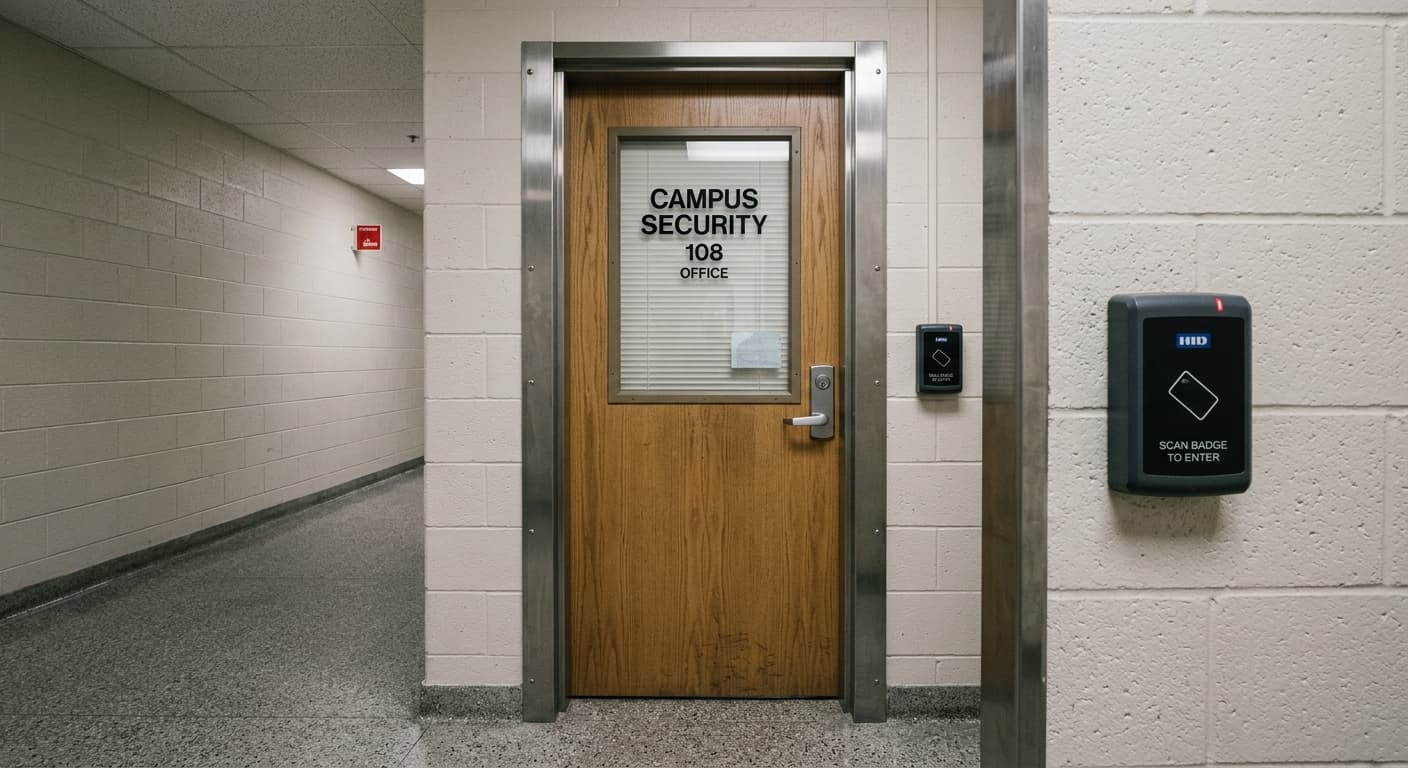
Recording in Virginia schools involves a complex intersection of state wiretapping law, federal student privacy protections, school district policies, and the rights of students, parents, and educators. Virginia's one-party consent law under Va. Code Ann. 19.2-62 provides the baseline legal framework, but school-specific rules add significant layers of restriction.
This guide covers recording rights and limitations in Virginia K-12 schools and higher education institutions, including student recording, parent recording at school meetings, teacher recording rights, school security cameras, IEP meeting recordings, and FERPA considerations.
Student Recording Rights
The Legal Baseline
Under Virginia's one-party consent law, a student who participates in a conversation can legally record it. This means a student can:
- Record a conversation with a teacher during a one-on-one discussion
- Record interactions with school administrators
- Capture conversations with other students they are part of
- Record audio or video on their personal device during interactions they participate in
The recording itself does not violate Virginia criminal law as long as the student is a participant in the conversation being recorded.
School Policy vs. State Law
Most Virginia school districts have codes of conduct or electronic device policies that restrict or prohibit recording on school grounds. While a student recording may be legal under state law, school policies can impose separate consequences:
- Confiscation of the recording device during the school day
- Disciplinary action (detention, suspension)
- Referral to the principal's office
- Notation in the student's disciplinary record
The Virginia Department of Education does not mandate a statewide recording policy for students. Each school district sets its own rules through its school board.
When Student Recording May Be Protected
Certain student recordings may receive additional protection:
- Documenting bullying or harassment: Virginia's anti-bullying laws (Va. Code 22.1-276.01) require schools to address bullying. Student recordings that document bullying behavior may be considered when evaluating whether discipline for the recording is appropriate.
- Recording evidence of discrimination: If a student records evidence of discriminatory treatment by school staff, the recording may support a complaint to the U.S. Department of Education Office for Civil Rights.
- Special education meetings: Parents (and older students) have specific rights regarding recording at IEP meetings (discussed below).
Parent Recording Rights
Recording Conversations With School Staff
Virginia parents can record their conversations with teachers, principals, counselors, and other school staff under one-party consent. Common scenarios include:
- Parent-teacher conferences
- Meetings about disciplinary incidents
- Discussions about academic progress or placement
- Conversations about safety concerns
- Phone calls with school administrators
For in-person recordings, there is no admissibility limitation. For phone call recordings, the civil admissibility restriction under Va. Code 8.01-420.2 applies if you plan to use the recording in a civil proceeding.
Recording IEP and 504 Meetings
Recording Individualized Education Program (IEP) and Section 504 meetings is one of the most common recording issues in Virginia schools.
Federal law: Neither the Individuals with Disabilities Education Act (IDEA) nor Section 504 of the Rehabilitation Act specifically addresses recording at IEP or 504 meetings. The U.S. Department of Education has stated that recording decisions should be left to state and local policy.
Virginia law: Virginia's one-party consent law permits parents to record IEP and 504 meetings they attend. The parent is a participant in the meeting, satisfying the consent requirement.
School district policies: Some Virginia school districts have specific policies about recording IEP meetings, which may include:
- Requiring advance notice of intent to record
- Allowing the school to make its own recording if the parent records
- Establishing ground rules for recording equipment placement
- Requiring all parties to be notified at the start of the meeting
While a school district can have a policy requiring notice, it generally cannot prevent a parent from recording a meeting they are participating in under Virginia law. If a school refuses to hold the meeting because of recording, this could constitute a procedural violation of IDEA.
Recording School Board Meetings
Virginia school board meetings are public meetings covered by the Freedom of Information Act (Va. Code 2.2-3700 et seq.). Parents and community members can record public school board meetings, including:
- Regular board meetings
- Special sessions open to the public
- Public comment periods
- Committee meetings open to the public
Closed sessions (for personnel matters, legal advice, student discipline appeals) are not open to recording by the public.
Teacher and Staff Recording Rights
Teachers Recording Students
Virginia teachers can record conversations they participate in with students under one-party consent. However, teachers should be aware of:
- School district policy: Many districts have policies governing when and how staff can record
- FERPA implications: Recordings that become part of a student's educational record are subject to the Family Educational Rights and Privacy Act
- Age considerations: Recording very young children raises ethical considerations even when legal
- Parental notification: Best practices suggest informing parents about any recording that will be maintained as part of a student's record
Teachers Recording Administration
Teachers can record conversations with principals, supervisors, and HR representatives under one-party consent. These recordings can document:
- Performance evaluation discussions
- Disciplinary meetings
- Conversations about working conditions
- Potentially discriminatory or retaliatory statements
Teachers who record may face the same tension between legal rights and employer policy that applies in other workplace contexts.
School Security Cameras
Where Schools Can Place Cameras
Virginia schools can install security cameras in areas where students and staff do not have a reasonable expectation of privacy:
- Hallways and corridors
- Entrances and exits
- Cafeterias and common areas
- Parking lots and bus loading zones
- Gymnasiums (during non-changing activities)
- Libraries and media centers
- Outdoor grounds and playgrounds
- Stairwells and elevators
Where Cameras Are Prohibited
Under Va. Code Ann. 18.2-386.1, school cameras cannot be placed in:
- Student bathrooms and restrooms
- Locker rooms and changing areas
- Shower facilities
- Any area where students have a reasonable expectation of privacy for undressing
Placing cameras in these locations is a criminal offense, and the enhanced penalty applies when the victim is under 18 (Class 6 felony, 1 to 5 years imprisonment).
Audio on School Cameras
School surveillance cameras that capture audio must comply with the wiretapping statute. If no school employee is participating in the recorded conversations, audio capture may violate Va. Code 19.2-62. Most Virginia schools either:
- Disable audio on surveillance cameras
- Post notices about audio recording to eliminate the expectation of privacy
- Use video-only systems
Bus Cameras
Virginia school buses commonly have video cameras. These cameras are used for student safety and discipline documentation. Audio recording on school buses follows the same legal framework as other school locations.
FERPA and Recording
What FERPA Protects
The Family Educational Rights and Privacy Act (FERPA) protects the privacy of student education records. FERPA considerations arise when recordings:
- Capture other students' educational information (grades, disciplinary discussions, special education status)
- Become part of a student's official education record
- Are shared with third parties outside the school
Parent Recordings and FERPA
A parent's personal recording of an IEP meeting or parent-teacher conference is generally not considered a student "education record" under FERPA because it was not created or maintained by the school. However, if the recording captures information about other students, sharing it broadly could raise privacy concerns.
School Recordings and FERPA
Video or audio recordings made by the school that are directly related to a student and maintained by the school are considered education records under FERPA. Parents have the right to:
- Inspect and review recordings that are part of their child's education record
- Request copies of such recordings
- Challenge the content of the recordings through FERPA procedures
Sharing Recordings
Parents should be cautious about sharing recordings from school settings on social media or publicly if the recordings capture other students' faces, names, special education status, or disciplinary situations. While not a criminal issue, broad sharing could raise FERPA concerns and damage relationships with the school.
Higher Education Recording
College Classroom Recording
Virginia's one-party consent law applies in college and university settings. Students can record lectures and class discussions they participate in. However:
- Individual professors may prohibit recording in their syllabi
- University policies may restrict classroom recording
- Accommodations for students with disabilities may specifically authorize recording under Section 504 or the ADA
- Recording copyrighted lecture content and distributing it may raise intellectual property issues
Recording Campus Interactions
College students can record conversations with professors, advisors, administrators, and campus police under one-party consent. This can be relevant in:
- Title IX proceedings
- Academic integrity hearings
- Disability accommodation disputes
- Student organization activities
Recordings as Evidence in School-Related Disputes
Disciplinary Hearings
Recordings can be used as evidence in school disciplinary proceedings, including:
- Suspension and expulsion hearings
- Student conduct board proceedings at colleges
- Special education due process hearings
The formal rules of evidence (including Va. Code 8.01-420.2) generally do not apply in school administrative proceedings, though schools may have their own evidentiary standards.
Due Process Hearings (Special Education)
In IDEA due process hearings, recordings of IEP meetings and related conversations can be submitted as evidence. Virginia's due process hearing procedures are governed by Va. Code 22.1-214 and federal IDEA regulations.
More Virginia Laws
- Virginia Whistleblower Laws
- Virginia Recording Laws
- Virginia Recording Laws
- Virginia Recording Laws
- Virginia Recording Laws
- Virginia Recording Laws
- Virginia Car Seat Laws
- Virginia Hit and Run Laws
More Virginia Recording Laws
Audio Recording | Video Recording | Voyeurism and Hidden Cameras | Workplace Recording | Recording Police | Phone Call Recording | Security Cameras | Recording in Public | Landlord-Tenant Recording | Dashcam Laws | School Recording | Medical Recording
Sources and References
- Va. Code Ann. 19.2-62(law.lis.virginia.gov).gov
- Va. Code Ann. 18.2-386.1(law.lis.virginia.gov).gov
- Va. Code Ann. 22.1-276.01 - Bullying(law.lis.virginia.gov).gov
- Virginia FOIA(law.lis.virginia.gov).gov
- FERPA(ed.gov).gov
- IDEA(ed.gov).gov
- Office for Civil Rights(ed.gov).gov