
United Kingdom
Single Person Council Tax Discount: The 25% and 50% Rules
Independently fact-checked against primary sources (last audited September 29, 2026). · Law checked current as of September 29, 2026. · 15 primary sources cited on this page. How we verify our legal content
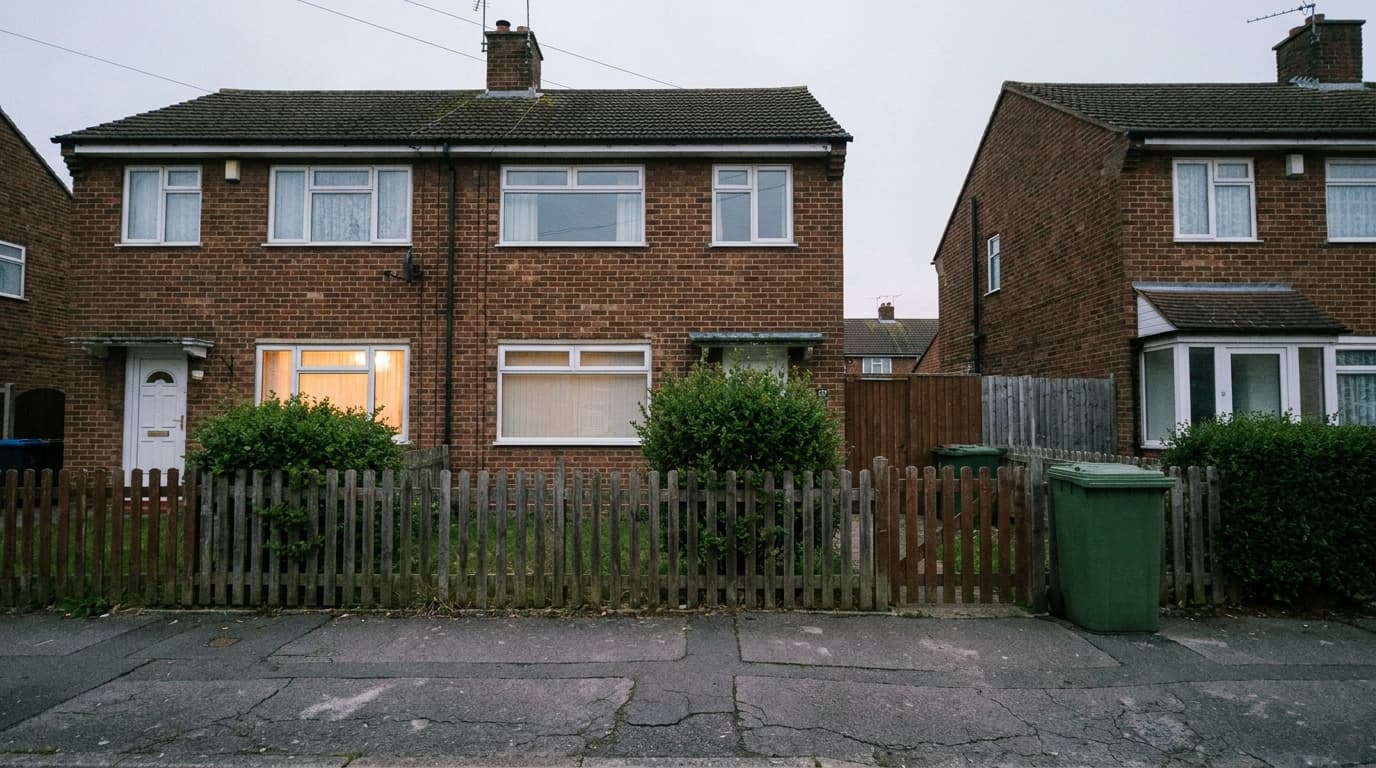
A council tax bill assumes at least two adults live in a home. If only one adult actually counts as resident, the bill drops by 25%, and in some households it can drop by 50% or disappear altogether. This guide explains who qualifies, who is "disregarded" for the count, and the legal duty to tell the council when your circumstances change.
The detail below is the law in England. Wales has the same 25% and 50% discounts, but since 1 April 2026 its disregards and exemptions sit in the Council Tax (Discounts, Disregards and Exemptions) (Wales) Regulations 2026, and some categories and penalty amounts differ, as noted below. Scotland also has a 25% single person discount under its own rules. Northern Ireland has no council tax: households pay domestic rates, and people aged 70 or over who live alone may get a 20% Lone Pensioner Allowance instead.
The Basic Discount Rules
Council tax bills are set on the assumption that a dwelling has two or more adult residents. Where that is not the case, a discount applies:
- 25% discount: where only one adult counts as resident for council tax purposes.
- 50% discount: where there are two or more residents, but every one of them is "disregarded" under the rules below, so none of them counts.
The key concept driving both discounts is the same: it is not simply about how many people live in a property, but how many count once disregarded categories are excluded.
Who Is "Disregarded" for Council Tax Purposes
Schedule 1 of the Local Government Finance Act 1992 lists the categories of person who are disregarded when a council works out how many adults count as resident. A disregarded person can still live in the property; they simply are not counted toward the total.

The main categories are:
- People under 18.
- Full-time students, student nurses and certain apprentices or people on youth training arrangements, provided they meet the course-length and hours conditions for their category.
- People with a severe mental impairment. The legal definition is precise: "a severe impairment of intelligence and social functioning (however caused) which appears to be permanent." A supporting medical certificate and entitlement to a qualifying benefit are normally required to claim this.
- Live-in carers, but only where the care is provided under specific conditions, generally at least 35 hours a week to someone who is not the carer's spouse, partner, or their own child under 18, and the person being cared for must receive a qualifying disability benefit, such as the daily living component of Personal Independence Payment. A spouse or partner who happens to provide care, or a parent caring for their own under-18 child, does not qualify under this category.
- Hospital patients and care home residents whose main residence has effectively become the hospital or care home.
- People in detention, including those in prison or held under mental health legislation (other than for non-payment of a fine or council tax itself, which does not count).
- Members of religious communities whose main occupation is prayer, contemplation, education or the relief of suffering, and who have no independent income.
- Care leavers, in Wales (aged 24 or under) and Scotland (under 26). England has no national care leaver disregard, so ask your council whether it offers a local reduction.
- Diplomats and certain members of international organisations with equivalent immunity.
If you live alone with no other adult resident, you simply qualify for the 25% single person discount without needing to rely on any of these categories. They matter when you live with other adults but believe none of them should count.
The Full Student Exemption: Class N
There is an important distinction between a discount and an exemption. A discount reduces the bill; an exemption can remove it entirely.
Where every resident of a property is a full-time student, the property qualifies for Class N, a full council tax exemption. No council tax is payable at all for as long as that remains true, not merely a reduced 50% or 25% bill. This differs from a household with one student living alongside working adults, where the students would simply be disregarded and the discount rules above would apply instead.
A related exemption, Class U, covers a home occupied only by people who are severely mentally impaired, or by severely mentally impaired people together with students or school and college leavers. No council tax is payable on that home either.
The Duty to Report a Change
A single person discount, the severely-mentally-impaired disregard, and every other disregard category depend on facts that can change: someone moves in, a student graduates, a carer stops providing care, or a household member's circumstances shift in some other way.

Regulation 16 of the Council Tax (Administration and Enforcement) Regulations 1992 requires you to notify your council in writing within 21 days of becoming aware that a discount you are receiving is no longer correct, whether that means it should stop entirely or should be a smaller amount. The duty runs from when you first have reason to believe the assumption is wrong, not from the date the council later catches the error.
The penalty for not telling them
If you fail without reasonable excuse to give that notification, a council in England can impose a civil penalty of £70 under Schedule 3 of the Local Government Finance Act 1992. Separately, if you have been penalised for not supplying information the council asked for and it asks again, each further failure can attract a £280 penalty. In Wales the same Schedule still sets these amounts at £50 and £200, and Scottish councils can impose £50 and £200 under a parallel paragraph.
This is separate from simply having to repay the discount you were not entitled to. The penalty is for the failure to notify, on top of any backdated correction to your bill.
Deliberate fraud is a different, more serious matter
An honest mistake, or a delay in realising a discount no longer applies, is what the civil penalty regime above is designed for. Deliberately claiming a discount you know you are not entitled to, or deliberately concealing a change to keep a discount going, is a different category of conduct and can be prosecuted as fraud (under the Fraud Act 2006 in England and Wales, or as common law fraud in Scotland), which carries the possibility of a criminal record and a custodial sentence in serious cases, well beyond the civil penalty scale.
Claiming the Discount
If your household situation changes so that you newly qualify, whether that is a housemate moving out, a household member starting a qualifying full-time course, or a carer arrangement beginning, you can apply to your local council, which will normally ask for evidence such as a tenancy record, a student status letter, or details of the qualifying condition being relied on. The same 21-day notification duty then applies going forward if your circumstances change again.

This guide explains how the discount and exemption rules work in general terms. It is not a substitute for advice on an individual bill, and eligibility for specific disregard categories depends on evidence a council will assess case by case. Report a change in circumstances to your local council promptly. For related reading, see our guide to council tax liability or the wider UK Everyday Law hub.
Frequently Asked Questions
How much is the single person council tax discount?
25%, available where only one adult counts as resident in a property for council tax purposes.
Can I get a bigger discount than 25%?
Yes. If every resident of the property is a disregarded person under Schedule 1 of the Local Government Finance Act 1992, such as a home where every adult is a qualifying apprentice, the discount rises to 50%. Some of these households are fully exempt instead: a property where everyone is a full-time student qualifies under Class N, and a home occupied only by severely mentally impaired people, or by them together with students, qualifies under Class U.
Does a live-in carer count toward the number of residents?
Not usually. A qualifying live-in carer who provides care for at least 35 hours a week is disregarded, provided they are not the resident's spouse or partner, and not a parent caring for their own child under 18.
What happens if I don't tell the council my discount no longer applies?
You must notify the council in writing within 21 days of realising a change affects your discount. In England, failing to do so can lead to a civil penalty of £70 (£50 in Wales and Scotland), on top of having to repay any discount you were not entitled to.
Is claiming a council tax discount I'm not entitled to a crime?
An innocent failure to notify a change is dealt with through the civil penalty scale. Deliberately claiming or continuing a discount you know is wrong is a different matter and can be prosecuted as fraud, under the Fraud Act 2006 in England and Wales or as common law fraud in Scotland.
What is the legal definition of 'severely mentally impaired' for council tax purposes?
A severe impairment of intelligence and social functioning, however caused, which appears to be permanent. Councils normally require medical evidence and confirmation that the person receives a qualifying benefit before applying this disregard.
If a full-time student lives with two working adults, does the household get any discount?
The student is disregarded, but because two non-disregarded adults still live there, no single person discount applies. The full Class N exemption only applies where every resident is a full-time student.
Updates
We made clear the page describes the law in England and added how Wales, Scotland and Northern Ireland differ, corrected the civil penalty amounts and when the £280 penalty applies, replaced a wrong 50% discount example (that household is fully exempt under Class U), corrected the care leaver disregard (Wales and Scotland only), and added the qualifying benefit condition for the live-in carer disregard.
Independently fact-checked against the cited primary sources; governing law re-checked for recent changes
The Law Behind This Article
This article rests on the statutory provisions below, held in our own legal record and retrieved from the official source. Tap a section to read the operative text.
The Council Tax (Administration and Enforcement) Regulations 1992
reg. 16Correction of discount or premium assumptionsIn force
(1) Subject to paragraphs (1A) and (2) , where a person— (a) has been informed in accordance with any provision of demand notice regulations of an assumption as to discount or premium made in his case; and (b) at any time before the end of the financial year following the financial year in respect of which the assumption is made has reason to believe that the chargeable amount is not in fact subject to any discount or premium , or is subject to a discount of a smaller or larger amount , he shall, within the period of 21 days beginning on the day on which he first has reason so to believe, notify the authority in writing of his belief. (1A) Paragraph (1) shall not apply where a determination has been made in relation to that person under a scheme under section 13A(2) of the Act which provides that liability shall be reduced otherwise than to nil.
Official text (excerpt) · last checked 2026-08-12 · Read the full text in our law library · Verify at legislation.gov.uk
Search our record of UK legislation — retrieved from legislation.gov.uk →
Sources and References
- Local Government Finance Act 1992, Schedule 1 (persons disregarded for purposes of discount)(legislation.gov.uk).gov
- Local Government Finance Act 1992, Schedule 3 (civil penalties)(legislation.gov.uk).gov
- Council Tax (Administration and Enforcement) Regulations 1992, regulation 16 (duty to notify change of circumstances)(legislation.gov.uk).gov
- Fraud Act 2006(legislation.gov.uk).gov
- GOV.UK: Council Tax, who has to pay (single person discount)(gov.uk).gov
- GOV.UK: Council Tax discounts for full-time students(gov.uk).gov
- Council Tax (Discount Disregards) Order 1992 (SI 1992/548)(legislation.gov.uk).gov
- Local Government Finance (England) (Substitution of Penalties) Order 2008 (SI 2008/981): £70 and £280 penalties apply in England only(legislation.gov.uk).gov
- Council Tax (Discounts, Disregards and Exemptions) (Wales) Regulations 2026 (SI 2026/8 (W.)), in force 1 April 2026(legislation.gov.uk).gov
- mygov.scot: Council Tax discounts, exemptions and reductions (Scotland)(mygov.scot).gov
- Local Government Finance Act 1992, section 79 (Scotland: 25% discount)(legislation.gov.uk).gov
- nidirect: Lone Pensioner Allowance (Northern Ireland rates, 20% for people aged 70 or over living alone)(nidirect.gov.uk).gov
- Council Tax (Exempt Dwellings) Order 1992, article 3 (Classes N and U)(legislation.gov.uk).gov
- Council Tax (Additional Provisions for Discount Disregards) Regulations 1992, Schedule (care workers and carers)(legislation.gov.uk).gov
- Fraud Act 2006, section 15 (extent: England and Wales and Northern Ireland)(legislation.gov.uk).gov