
United Kingdom
UK Everyday Law: Dogs, TV Licence, Fireworks & Neighbours
Independently fact-checked against primary sources (last audited September 29, 2026). · Law checked current as of September 29, 2026. · 9 primary sources cited on this page. How we verify our legal content
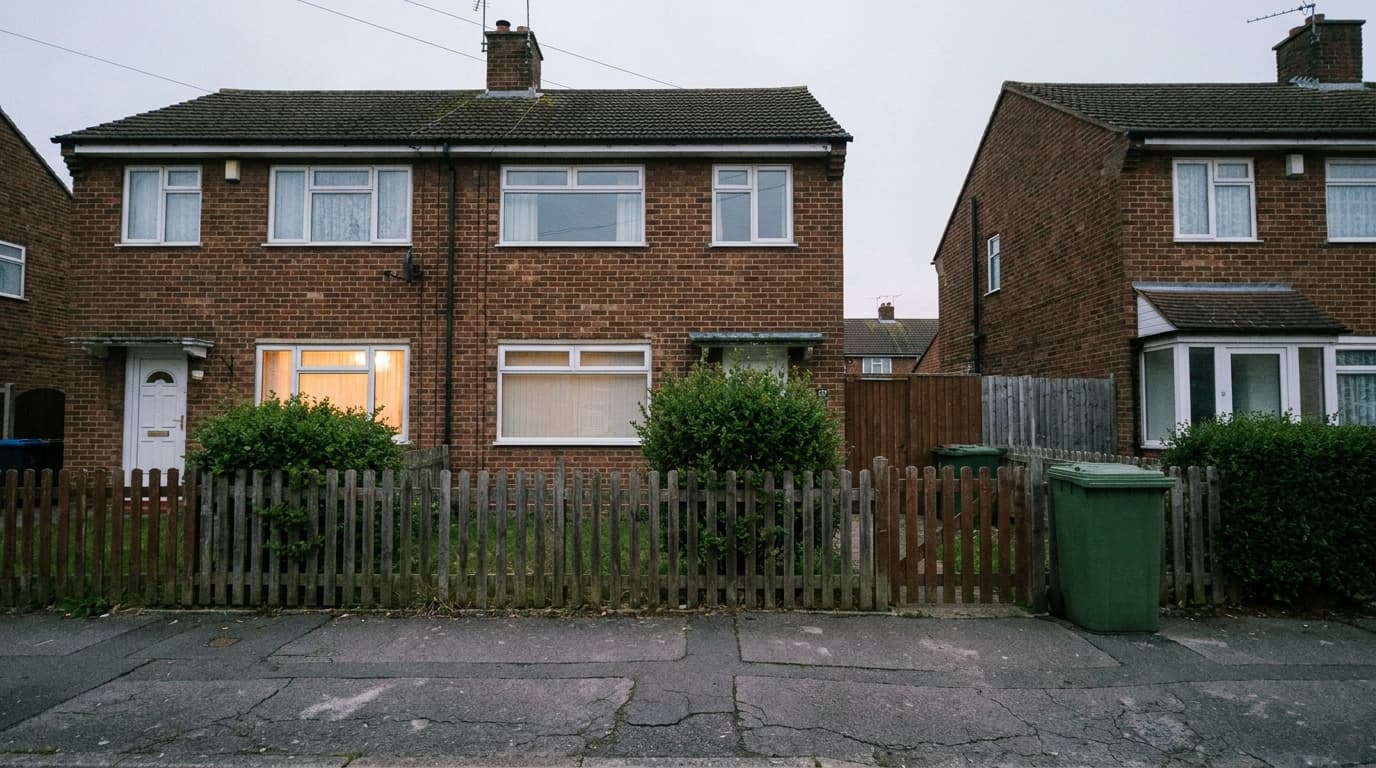
Most of the law that touches daily life in the UK is not criminal law or family law. It is the everyday rules: what you can and cannot own, who has to pay the council, and what your neighbour is and is not allowed to do. This hub covers the topics people search for most, from the XL Bully ban to the TV licence, and flags every point where England, Scotland, Wales and Northern Ireland genuinely diverge.
Why This Cluster Exists
Search demand for "everyday" legal questions, dog ownership rules, the TV licence, council tax, fireworks, air rifles, and disputes with a neighbour, is consistently high, but the answers are scattered across gov.uk, nidirect, mygov.scot, and dozens of local council websites, each covering only their own nation. This hub and its linked guides pull the current, nation-specific position into one place, sourced from the primary legislation and official guidance rather than secondhand summaries.
Every topic here is genuinely governed by different rules depending on where in the UK you are. A rule that is settled law in England and Wales can be not yet in force, or entirely absent, in Scotland or Northern Ireland, and vice versa. Treating the UK as one jurisdiction is the most common source of errors in this area, so each guide is written nation by nation rather than assuming England and Wales sets the pattern everywhere.
Dogs: Four Different Regimes
Dog law is the area with the sharpest divergence. The XL Bully ban is the clearest example: England and Wales, Scotland, and Northern Ireland each brought the ban in under their own legislation, on their own timetable, with Northern Ireland's regime sitting under a different parent Act entirely (the Dogs (Northern Ireland) Order 1983, not the Dangerous Dogs Act 1991 that governs the rest of the UK). Our XL Bully ban guide sets out the exact dates for each nation and the current exemption conditions, including the recent removal of the insurance requirement and a child-supervision condition that applies from 1 November 2026.

Beyond the XL Bully ban, the Dangerous Dogs Act 1991 guide explains the wider prohibited-type list, the offence of allowing a dog to be dangerously out of control (which now covers your own home, not just public places), and how a court decides whether a dog must be destroyed. Everyday dog ownership rules, microchipping, fouling and lead requirements, Scotland's Dog Control Notices, and the fact that Northern Ireland still requires a dog licence when the rest of the UK abolished it, are covered in the dog laws guide.
TV Licence, Fireworks and Air Weapons
The TV licence catches people out because the boundary is not "do you own a television" but "do you watch live TV or BBC iPlayer." Our do I need a TV licence guide sets out exactly when a licence is required and when on-demand streaming is genuinely exempt, while the TV licence enforcement guide covers what happens if you do not have one, including the current review of whether the offence should stay criminal.

Fireworks and air weapons both show the same pattern: broadly similar rules in England and Wales, and a materially different regime in Scotland. Northern Ireland runs its own separate law for both: air guns fall under the Firearms (Northern Ireland) Order 2004, and buying, possessing or using most fireworks there (other than indoor fireworks and sparklers) needs a fireworks licence. Our fireworks law guide explains the permitted hours in each nation and Scotland's firework control zones, while the air rifle law guide covers a genuinely stark divergence: England and Wales only require a certificate above a set power threshold, but Scotland requires a certificate for any air weapon capable of more than one joule of muzzle energy, a far lower threshold.
Council Tax, Discounts and Neighbour Disputes
Council tax applies across England, Scotland and Wales, but not in Northern Ireland, which uses a rates system based on a property's capital value rather than a banded valuation. Our council tax liability guide explains who is actually liable to pay under the statutory hierarchy, and the single-person discount guide covers the 25% and 50% discounts and who counts as a "disregarded" adult for that purpose.

Disputes between neighbours, noise, boundary arguments, and conduct that tips into harassment, are covered in the neighbour harassment guide, which explains both the criminal offence under the Protection from Harassment Act 1997 and the civil and community-based tools available through the local council. Finally, the school attendance fines guide explains the national penalty notice framework that applies when a child's absence from school is unauthorised, including the current fixed amounts and how they escalate.
If your question is about time limits rather than a specific offence, the statute of limitations guide explains how the UK's deadlines actually work: the six-year and three-year civil limitation periods in England and Wales, Scotland's five-year prescription, and why most criminal charges have no time limit at all.
More UK everyday law guides
- Is the Disposable Vape Ban in Force? Dates for England, Wales, Scotland and NI
- Do You Need a Fishing Licence in the UK? England, Wales, Scotland and NI Rules
- Tobacco and Vapes Act 2026: What It Bans and When It Actually Comes Into Force
- Is Wild Camping Legal in the UK? England, Wales, Scotland and Dartmoor Rules
This hub and its linked guides provide general legal information, not legal advice for a specific situation, and commencement dates for pending reforms can change. For more on UK law generally, see the United Kingdom hub.
Frequently Asked Questions
Does the same everyday law apply across the whole UK?
No. England and Wales share most rules, but Scotland and Northern Ireland frequently run separate legislation with different dates, thresholds or requirements. Dog control, fireworks, air weapons and local taxation are all areas with genuine divergence covered in the guides linked from this hub.
Is Northern Ireland's dog ban the same as the Dangerous Dogs Act 1991?
No. Northern Ireland's XL Bully ban and other dangerous-dog provisions sit under the Dogs (Northern Ireland) Order 1983, not the Dangerous Dogs Act 1991, which does not extend to Northern Ireland.
Does Northern Ireland pay council tax?
No. Northern Ireland has no council tax. It uses a separate system of domestic rates based on a property's capital value, billed by Land & Property Services, with its own reliefs such as the Lone Pensioner Allowance.
Do I need a licence to own a dog in the UK?
Not in Great Britain, where dog licensing was abolished decades ago. Northern Ireland is the exception: it still requires an annual dog licence, and the dog must be microchipped before you can apply.
Is buying fireworks in Scotland the same as in England?
Not entirely. Scotland has firework control zones and an under-18 supply ban in force, and tighter permitted-use hours than England and Wales, but the standalone individual licence to buy fireworks created by the 2022 Act had not been brought into force as of this guide's last check.
Where should I start if I'm not sure which guide applies to me?
Start with the topic guide most relevant to your question, each one is written nation by nation, so look for the section covering England and Wales, Scotland, or Northern Ireland as applicable to your situation.
Updates
Corrected the statement that Scotland licenses air weapons regardless of power (weapons of one joule or less are excluded), dated the XL Bully child-supervision condition (1 November 2026), noted Northern Ireland's separate firearms and fireworks licensing, and replaced a moved mygov.scot link.
Independently fact-checked against the cited primary sources; governing law re-checked for recent changes
Sources and References
- GOV.UK: Ban on XL Bully dogs (guidance for owners)(gov.uk).gov
- Dangerous Dogs Act 1991 (full text)(legislation.gov.uk).gov
- GOV.UK: TV Licence(gov.uk).gov
- GOV.UK: Council Tax(gov.uk).gov
- nidirect: How rates are calculated (Northern Ireland)(nidirect.gov.uk).gov
- mygov.scot: Dog Control Notice(mygov.scot).gov
- Air Weapons and Licensing (Scotland) Act 2015, s.1 (meaning of air weapon)(legislation.gov.uk).gov
- Firearms (Northern Ireland) Order 2004, art.2 (interpretation)(legislation.gov.uk).gov
- nidirect: Fireworks (licence requirement in Northern Ireland)(nidirect.gov.uk).gov