
Spain
Okupas in Spain: Allanamiento, Usurpación and the 2025 Fast-Track (2026)
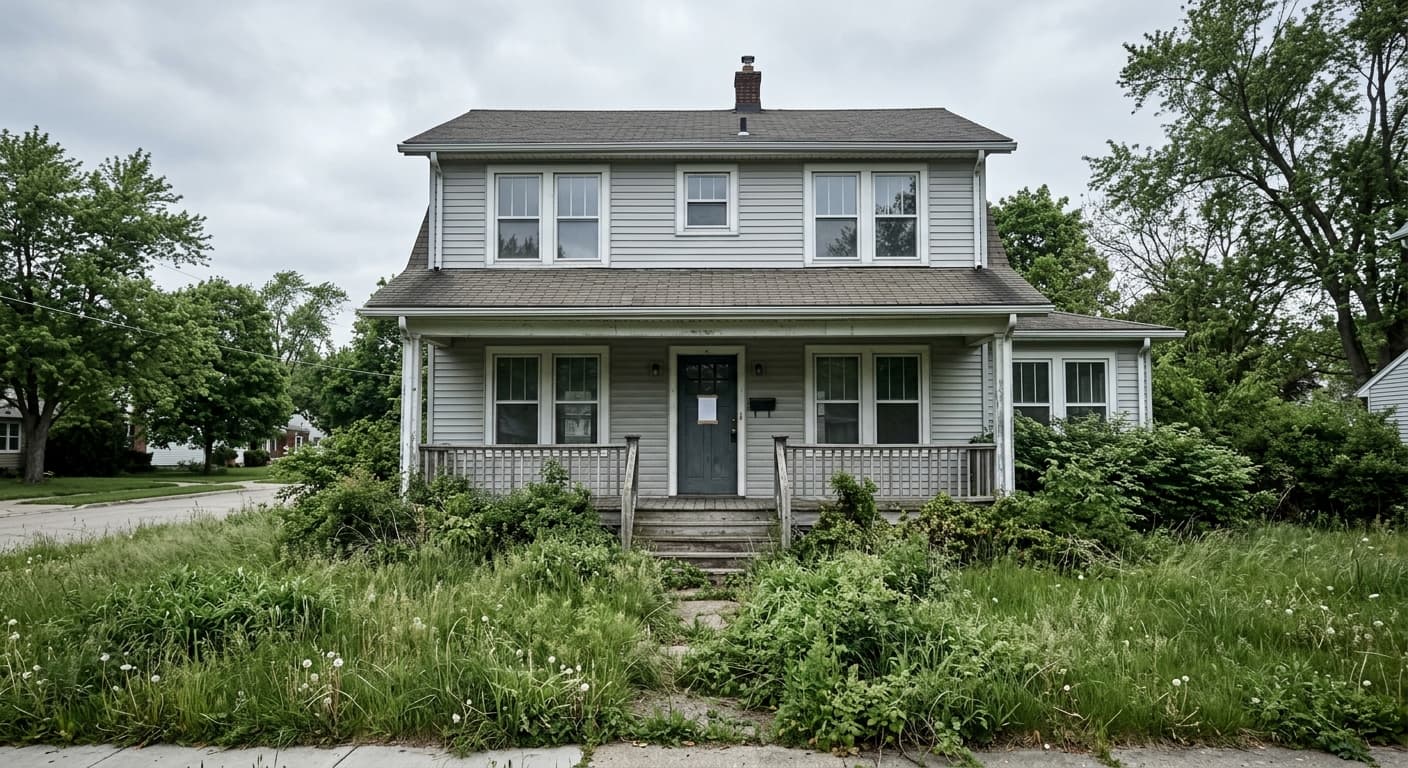
Almost everything the public argument about okupas gets wrong comes from treating one word as one legal situation. Spanish law splits occupation into two different crimes, with different penalties and different urgency, and the 2025 reform that made headlines changed the procedure, not the offences. This page separates the pieces, because which one applies decides what the owner can actually do.
Information last verified on 23 July 2026. This page provides general legal information about Spanish law and does not constitute legal advice in an individual case.
The distinction that decides everything: morada or not
Allanamiento de morada (art. 202 CP) punishes the private individual who enters or stays in someone else's morada against the occupant's will: prison of six months to two years, rising to one to four years plus a fine of six to twelve months with violence or intimidation. A morada is a dwelling in actual use, which can include a furnished second home that functions as one. Because the crime is against the home, not just property, the police response to a fresh entry into a morada is immediate, and a flagrante offence allows direct intervention.
Usurpación (art. 245.2 CP) punishes occupying, without due authorisation, a property that is NOT anyone's morada, or staying against the owner's will: a fine of three to six months under the day-fine system. If the occupation itself was taken with violence or intimidation, art. 245.1 raises it to prison of one to two years. This is the typical empty-flat or unoccupied-building scenario the word «okupa» usually evokes, and its modest penalty is precisely why those situations historically moved slowly.
Everything practical follows from this line: how fast the police can act, which procedure applies, and how realistic a quick recovery is.
What the 2025 reform actually did
The Ley Orgánica 1/2025, in force 3 April 2025, added both offences to the closed list of crimes eligible for the juicio rápido (art. 795.1.2ª LECrim, new letters i and j). That is a genuine change: cases that qualify are channelled into the accelerated criminal procedure, with compressed instruction and trial before the Juzgado de guardia system.
What it did not do matters as much:
- It did not create a 48-hour eviction. No hour count appears in the reformed article, and the juicio rápido accelerates the criminal case, not a civil possession order. Treat any headline promising desalojo exprés in fixed hours as marketing, not law.
- The fast-track has entry conditions: it applies when the case starts with a police atestado and the person has been detained or cited as denunciado by the Policía Judicial, among other requirements of art. 795. An occupation reported months later with unidentified occupants does not automatically ride the fast lane.
- It changed procedure, not penalties. Usurpación of an empty property still carries a fine, not prison.
The owner's realistic map
If the occupied property is a morada (your home, or a genuinely used second home): the matter is an allanamiento, a flagrant entry supports immediate police intervention, and the criminal route is fast and serious. Do not wait; report immediately, because time blurs flagrancia.
If it is an empty property: the offence is usurpación, and two tracks exist. The criminal denuncia can now travel by juicio rápido when the art. 795 conditions are met. In parallel or instead, the civil possession claim for recovery of an occupied dwelling remains available through the civil courts, with its own notification and opposition mechanics. Which track is faster depends on the facts, the evidence of when and how the occupation happened, and the local court; many owners run the civil claim as the reliable backbone and the criminal route when the conditions genuinely fit.
Two cautions close the map. First, self-help is a trap: cutting utilities, changing locks or intimidating occupants can convert the owner into the accused (coacciones, and art. 202 itself protects whoever currently inhabits a morada). Second, an occupant who was once a tenant is generally not an okupa in the criminal sense; a former tenant who stops paying is a desahucio case, not an usurpación.
A fehaciente record helps every route: a burofax demanding the property back documents the owner's opposition and its date, useful in both criminal and civil files.
This page is general legal information about Spanish law and does not constitute legal advice in an individual case. The controlling texts are the current versions in the BOE.
Frequently Asked Questions
What is the penalty for okupas in Spain?
It depends on what was occupied. Occupying a dwelling in use (morada) is allanamiento de morada, with prison of six months to two years, and one to four years plus a fine if there was violence or intimidation (art. 202 CP). Occupying an empty property that is nobody's dwelling is usurpación, punished with a fine of three to six months under the day-fine system, or prison of one to two years if taken with violence (art. 245 CP).
Can okupas be evicted in 48 hours in Spain?
There is no 48-hour rule. The 2025 reform (LO 1/2025) added allanamiento and usurpación to the juicio rápido list from 3 April 2025, which accelerates the criminal procedure when its conditions are met, but the reformed article contains no fixed eviction deadline. A fresh, flagrant entry into an occupied home can prompt immediate police action; an established occupation of an empty flat cannot legally be resolved in fixed hours.
What changed with the 2025 okupa law?
The Ley Orgánica 1/2025, in force since 3 April 2025, added both okupa offences (arts. 202 and 245 CP) to the list of crimes eligible for the fast-track juicio rápido in art. 795 LECrim. It changed the speed of the criminal procedure for qualifying cases; it did not change the offences, their penalties, or create an automatic eviction deadline.
Can I change the locks on squatters myself?
Do not. Self-help against occupants, like cutting utilities, changing locks or intimidation, can itself be criminal, and once occupants inhabit the property the law protects the de-facto dwelling against private force. The safe routes are the police (for a flagrant or morada case), the criminal denuncia, and the civil possession claim.
Is a tenant who stops paying rent an okupa?
No. Someone who entered with a title, like a tenancy, and stayed is generally outside the usurpación offence; the remedy is the civil eviction for non-payment (desahucio), with its own fast procedural track, not a criminal complaint for okupación.