
Singapore
Can an Employee Record Their Employer in Singapore?

Employees sometimes want to record a meeting with a manager, a disciplinary hearing, or a difficult phone call, often to have a reliable account of what was said. In Singapore the starting point is more permissive than many expect, but there are real limits around confidential information and company systems. This guide sets out where the lines are.
This is general legal information, not legal advice. Consult a qualified advocate and solicitor about your situation.
Information last verified on 23 July 2026. This page provides general legal information about Singapore law and is not legal advice in an individual case.
The starting point: one-party recording is generally allowed
Singapore does not have a general all-party consent rule for recording conversations. There is no statute that makes it an offence for a participant in a conversation to record that conversation without telling the others. So a person who is themselves part of a meeting or a call can generally record it. This is the same position explained in more detail in the guide on recording a conversation without consent.
Recording your employer
Because a participant may generally record a conversation they are part of, an employee who is in a meeting or on a call with their employer can usually record it, for example to keep an accurate record of a workplace dispute or a disciplinary discussion. The permissive starting point applies at work as it does elsewhere; the conversation happening in the workplace does not, by itself, change the analysis.
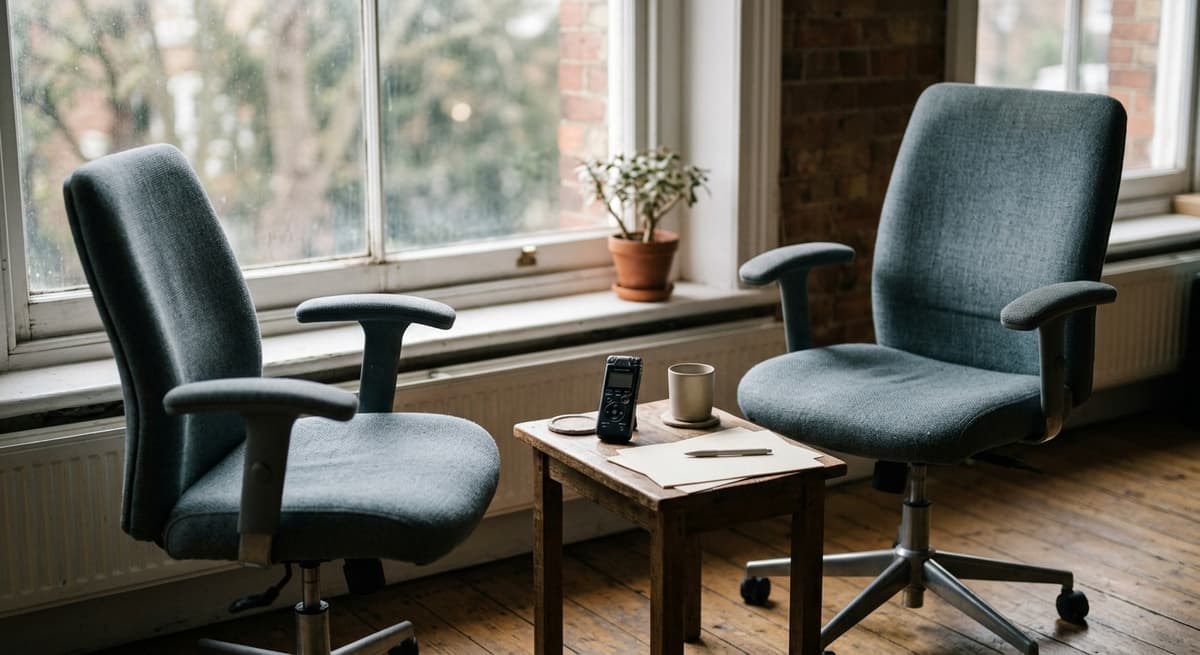
That said, an employer may have its own workplace policy about recording, and recording in breach of a clear policy could have employment consequences even where it is not unlawful. That is a contractual and workplace-relations question, separate from whether the recording is a criminal offence.
The PDPA binds the employer, not you personally
It is tempting to think the Personal Data Protection Act stops an employee from recording, because the recording captures other people's voices and words. But the PDPA's main obligations apply to organisations, and they do not apply to an individual acting in a personal or domestic capacity (section 4(1)(a)). An employee who records a conversation they are part of, for their own purposes such as documenting a dispute, is generally acting in that personal capacity. The employer, as an organisation, has PDPA duties over its own systems and data; the individual employee's personal act of recording a conversation they are in does not attract those organisation-facing duties in the same way.
Where the real limits are
The limits on recording at work are not a general consent rule. They are more specific. Accessing a colleague's computer, a shared drive or an account without authorisation, in order to obtain a recording or any other material, can be an offence under section 3 of the Computer Misuse Act 1993, which targets unauthorised access to computer material. That is about how material is obtained through a computer system, not about a participant recording a conversation they are in.

The other main risk is the law of confidence. Using or disclosing a recording that captures the employer's confidential business information can be a breach of confidence, an established common-law wrong. So the act of recording a conversation you are part of is one thing; what you then do with a recording that contains confidential material is another, and it is the disclosure or misuse that creates the exposure.
Using the recording as evidence
If a dispute goes to a court or a tribunal, employees often ask whether a covert recording can be used. Singapore has no exclusionary rule that automatically bars a relevant recording simply because it was made secretly. The admissibility gate is relevance: relevant evidence is generally admissible, and the court retains a discretion to exclude evidence where its prejudicial effect outweighs its probative value. This is explained further in the guide on whether a secret recording can be used in court.
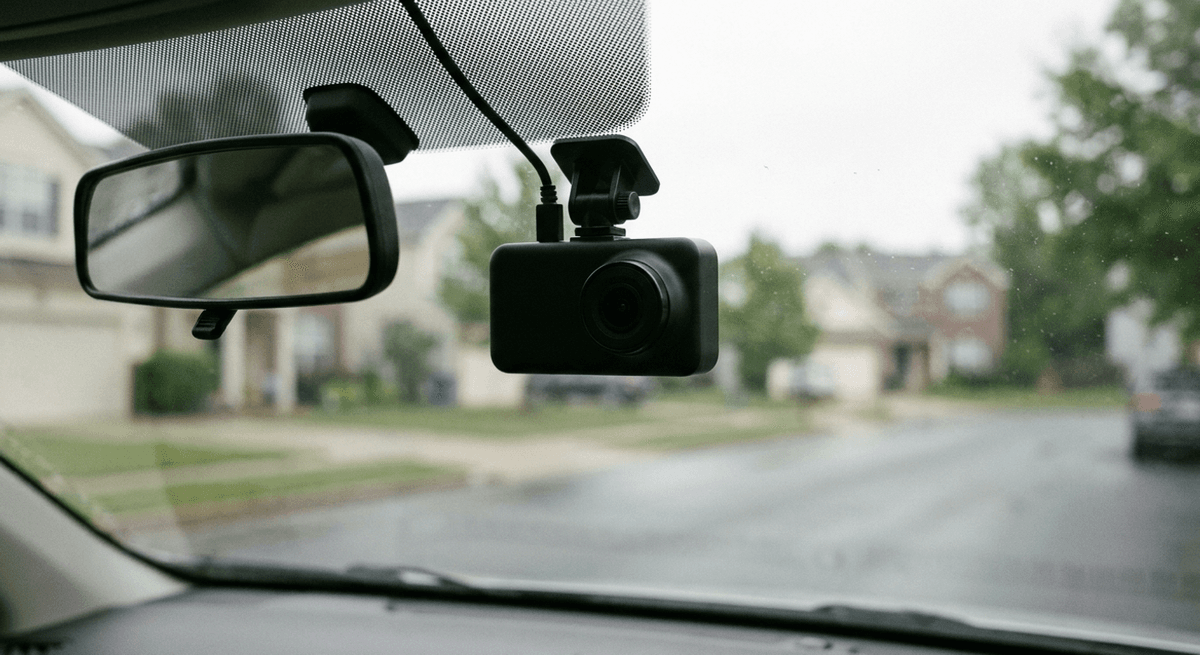
For the full set of recording rules, see the recording laws in Singapore section page.
Frequently Asked Questions
Can I record a meeting with my employer in Singapore?
Generally yes, if you are a party to the meeting. Singapore has no general all-party consent rule for recording conversations, so a participant can usually record a conversation they are part of, including a meeting or call with an employer. An employer may still have a workplace policy about recording, which can have employment consequences separate from the law.
Does the PDPA stop an employee from recording a conversation?
Generally no. The Personal Data Protection Act's main obligations apply to organisations, not to an individual acting in a personal or domestic capacity under section 4(1)(a). An employee recording a conversation they are part of, for their own purposes, is generally acting in that personal capacity, so the organisation-facing PDPA duties do not attach to that act.
What are the real legal limits on recording at work?
The limits are specific rather than a general consent rule. Accessing a colleague's or the company's computer or account without authorisation can be an offence under section 3 of the Computer Misuse Act 1993. Using or disclosing a recording that captures the employer's confidential business information can be a breach of confidence.
Can a secret recording be used as evidence in an employment dispute?
It can be. Singapore has no exclusionary rule that automatically bars a relevant recording simply because it was made secretly. Relevant evidence is generally admissible, and the court retains a discretion to exclude it where its prejudicial effect outweighs its probative value.
Could I get into trouble for recording my employer?
The recording itself is generally not a criminal offence if you are a party to the conversation. Trouble is more likely to come from how material is obtained, such as unauthorised access to a computer system, or from what you do with the recording, such as disclosing confidential business information, and from any workplace policy that prohibits recording.
Sources and References
- Personal Data Protection Act 2012, s 4(1)(a) (no obligation on an individual acting in a personal or domestic capacity)(sso.agc.gov.sg).gov
- Computer Misuse Act 1993, s 3 (unauthorised access to computer material)(sso.agc.gov.sg).gov
- Evidence Act 1893 (relevance as the admissibility gate)(sso.agc.gov.sg).gov