
Singapore
Can a Secret Recording Be Used in Court in Singapore?
Independently fact-checked against primary sources (last audited July 22, 2026). · 3 primary sources cited on this page. How we verify our legal content
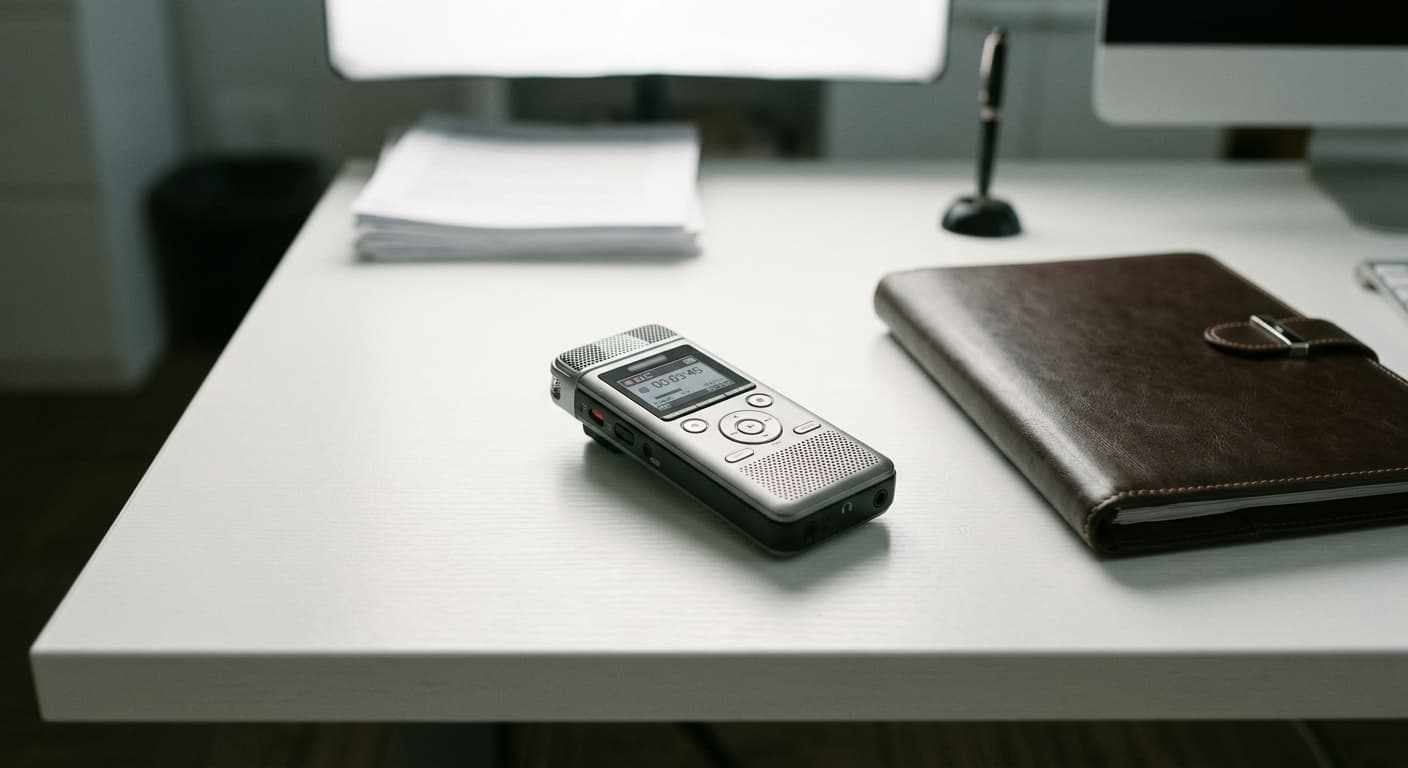
The question of whether a secret recording can be used in a Singapore court comes up constantly in employment, family and neighbour disputes. The short answer is that it usually can, if it is relevant, because Singapore decides admissibility by relevance rather than by how the evidence was obtained.
This is general legal information, not legal advice. Consult a qualified advocate and solicitor about your situation.
Information last verified on 22 July 2026. This page provides general legal information about Singapore law and is not legal advice in an individual case.
Relevance is the gate
Under the Evidence Act 1893, admissibility turns on relevance. Section 5 provides that evidence may be given in any suit or proceeding of the existence or non-existence of facts in issue and of such other facts as are declared relevant, and of no others. Section 138 gives the court the mechanism: when a party proposes to give evidence of a fact, the court may ask how the fact would be relevant, and shall admit the evidence if it thinks the fact, if proved, would be relevant, and not otherwise.
The consequence is that a recording is judged first by whether it helps prove or disprove a fact in issue, not by whether the person who made it had permission. A relevant recording clears the admissibility gate even if the other party did not know it was being made.
Singapore has no automatic exclusionary rule
Some jurisdictions, notably the United States, exclude evidence that was obtained unlawfully as a matter of course. Singapore does not follow that model. There is no general rule that improperly or illegally obtained evidence must be excluded, and the starting point remains admissibility on relevance.

That is why a secretly made recording is not shut out simply because the other person did not consent. Whether making it broke any law is a separate question, and it does not by itself determine admissibility.
The court's discretion to exclude
Admissibility on relevance is not unlimited. The court holds a discretion to exclude evidence that was improperly obtained where its prejudicial effect outweighs its probative value. The leading authority for that discretion is Cheng Swee Tiang v Public Prosecutor [1964] 1 MLJ 291, which is cited as the general statement of the principle in later Singapore cases.
The discretion is a balancing exercise. The court weighs the value of the evidence in proving a fact in issue against the unfairness or prejudice created by the way it was obtained. In practice a relevant, authentic recording is far more often admitted than excluded, but the discretion is the point at which the manner of obtaining the recording is argued.
The manner of recording can still matter
Even where a recording is admitted, how it was made is not irrelevant to everything.

It can affect the weight the court gives the recording, particularly where there is a dispute about whether the recording is complete, has been edited, or has been taken out of context. It can also create separate legal exposure that has nothing to do with admissibility: for example, the equitable duty of confidence may restrain the use of confidential information from the recording, and the Computer Misuse Act 1993 s 6 addresses unauthorised interception of a computer service in an outsider or hacking-style scenario. Whether a recording is admitted and whether making it was lawful are two different questions.
Practical points before you rely on a recording
A recording that a court will actually rely on usually needs more than relevance. Courts look for authenticity, so being able to show the device, the original file and an unedited chain helps. A partial or heavily edited clip invites the argument that it is misleading and should be given little weight or excluded.

A transcript, a clear account of when and how the recording was made, and the original file rather than a re-recording all strengthen the position. None of that changes the admissibility rule, but it is what turns an admissible recording into a persuasive one.
For the underlying question of whether making the recording was lawful in the first place, see can you record a conversation without consent in Singapore?. The wider map of the area is on the recording laws in Singapore section page, and a shorter country-level summary sits in the Singapore entry in the world recording survey.
Frequently Asked Questions
Can a secret recording be used as evidence in a Singapore court?
Generally yes, if it is relevant. The Evidence Act 1893 makes relevance the gate for admissibility. Section 5 allows evidence of facts in issue and relevant facts, and s 138 lets the court admit evidence it considers relevant. Singapore has no automatic rule excluding evidence just because it was obtained without consent, although the court keeps a discretion to exclude improperly obtained evidence where its prejudicial effect outweighs its probative value.
Is illegally obtained evidence admissible in Singapore?
There is no automatic exclusionary rule in Singapore, so illegally or improperly obtained evidence is not shut out as a matter of course. It remains admissible if relevant, subject to the court's discretion to exclude it where the prejudicial effect outweighs the probative value, a discretion recognised in Cheng Swee Tiang v Public Prosecutor [1964] 1 MLJ 291.
What is the leading case on improperly obtained evidence in Singapore?
Cheng Swee Tiang v Public Prosecutor [1964] 1 MLJ 291 is cited as the leading authority for the principle that improperly obtained evidence is generally admissible if relevant, but that the court has a discretion to exclude it where its prejudicial effect outweighs its probative value. It is reported in the Malayan Law Journal, which pre-dates Singapore's own neutral-citation system, and it remains good authority.
Does it matter that the other person did not know they were recorded?
Not for admissibility, which turns on relevance. Lack of the other person's knowledge does not by itself make a recording inadmissible. It can affect the weight the court gives the recording, and it can raise separate legal issues such as the duty of confidence, but those are distinct from whether the recording can be put before the court.
Will a recording win my case on its own?
Admissibility is only the first step. A court still has to be satisfied that the recording is authentic, complete and reliable before it gives it weight. A partial or edited clip invites the argument that it is misleading. The original file, a clear account of how it was made and a transcript all help a court rely on a recording.
Updates
Independently fact-checked against the cited primary sources
Sources and References
- Evidence Act 1893, s 5 (evidence may be given of facts in issue and relevant facts, and of no others)(sso.agc.gov.sg).gov
- Evidence Act 1893, s 138 (court to decide as to admissibility of evidence)(sso.agc.gov.sg).gov
- Computer Misuse Act 1993, s 6 (unauthorised use or interception of computer service)(sso.agc.gov.sg).gov