
Singapore
Can You Record a Conversation Without Consent in Singapore?
Independently fact-checked against primary sources (last audited July 22, 2026). · 4 primary sources cited on this page. How we verify our legal content
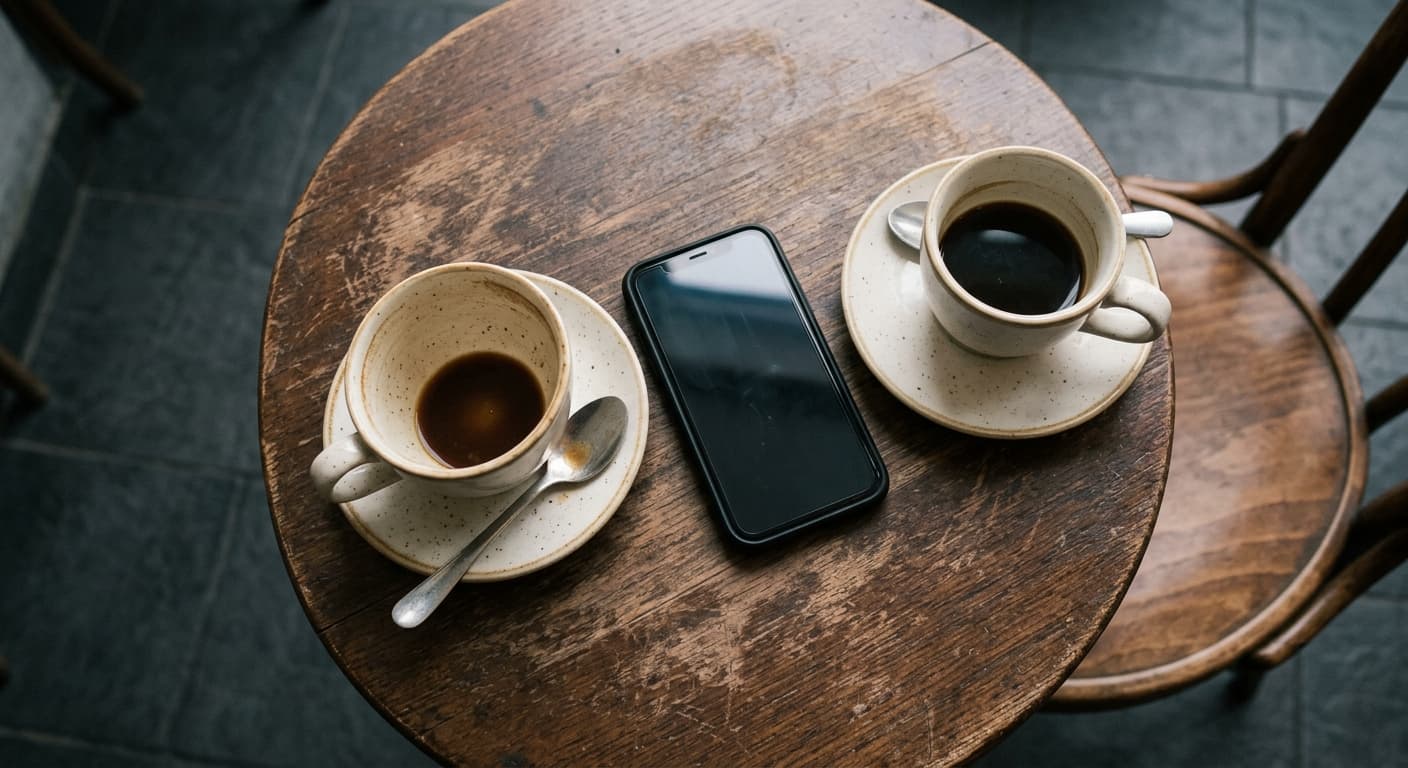
The honest answer to whether you can record a conversation without consent in Singapore is that, for a person taking part in the conversation, you generally can, because no statute makes participant recording a criminal offence. That single fact drives the whole page, and the qualifications below explain the limits that sit around it.
This is general legal information, not legal advice. Consult a qualified advocate and solicitor about your situation.
Information last verified on 22 July 2026. This page provides general legal information about Singapore law and is not legal advice in an individual case.
There is no general consent statute
Singapore has never enacted a general wiretapping or interception-of-communications statute of the kind found in many other countries, under which recording a private conversation without the consent of every participant is a standalone offence. Because that statute does not exist, the starting position for a participant is that recording is not, by itself, unlawful.
This is why the one-party and two-party consent labels used in the United States do not describe Singapore. There is no consent rule to be one-party or two-party about. A participant who records a meeting, a call or a doorstep conversation is generally outside the criminal law on the act of recording.
The Computer Misuse Act boundary
The provision most often raised is s 6 of the Computer Misuse Act 1993. It makes it an offence to knowingly intercept or cause to be intercepted, without authority, any function of a computer by means of an electromagnetic, acoustic, mechanical or other device, and to secure access without authority to a computer for the purpose of obtaining a computer service. The maximum penalty on a first conviction is a fine not exceeding S$10,000 or imprisonment not exceeding 3 years, or both.
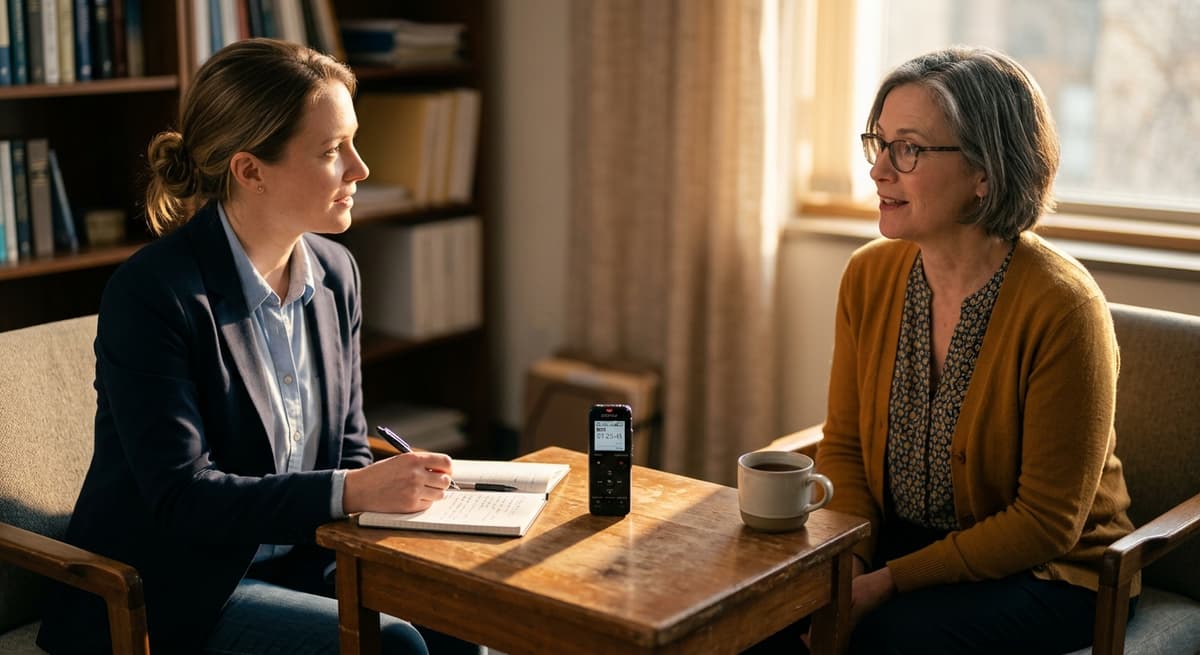
The key words are without authority. Section 6 is aimed at an outsider who accesses or intercepts a computer system they have no right to access, the classic hacking or unauthorised-interception scenario. A participant recording a conversation they are part of is not accessing a computer without authority simply by recording, so s 6 does not convert an ordinary participant recording into an offence. The section turns on authorisation to access the system, not on the consent of the other person in the conversation.
The Telecommunications Act is not a general interception offence
It is a common error to describe the Telecommunications Act 1999 as the statute that criminalises intercepting someone's call. It does not contain a general offence of that kind. The two provisions that use the language of interception are both narrow.
Section 61 is about intentional damage to a telecommunications installation or plant. Interception appears only as one of the alternative intents behind that physical-interference offence, alongside preventing transmission or committing mischief. Section 62 is about offences by a telecommunications licensee's own officer, employee or agent, an insider-abuse provision, such as a network employee wilfully intercepting a message. Neither provision creates a general public offence of an outsider bugging a call with their own device.
Making a recording is not the same as using it
Even where the act of recording breaks no criminal law, what you do with the recording afterwards is governed by other rules.
The most important is the equitable duty of confidence, a common-law doctrine. Where information is confidential in nature and was disclosed in circumstances that import an obligation of confidence, a court can restrain its unauthorised use or disclosure and can award a remedy for a breach. A recording that captured confidential information can therefore be lawful to make and still unlawful to circulate or publish.
Where the PDPA fits
The Personal Data Protection Act 2012 regulates the collection, use and disclosure of personal data by organisations. Section 4(1)(a) provides that the main data protection obligations do not apply to an individual acting in a personal or domestic capacity. A private individual recording a personal conversation is therefore outside those obligations.
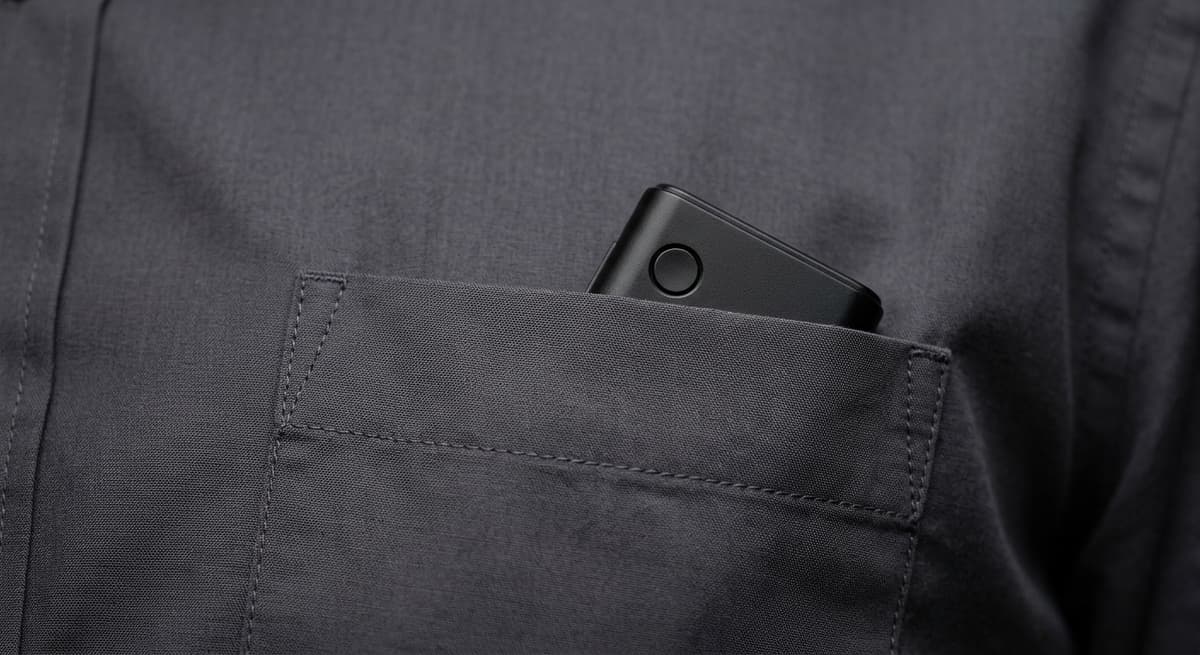
The position is different for an organisation. An employer, a business or an association that records staff, customers or callers is handling personal data as an organisation, and it must comply with the PDPA, including notifying individuals of the purposes for which their personal data is collected, used or disclosed.
Recording a conversation at work
The question behind most searches on this topic is whether an employee may record a conversation with a manager. On the criminal side the general position applies: an employee taking part in the meeting is a participant, so no wiretap offence is engaged, and the Computer Misuse Act does not catch a participant recording.
That is only the criminal question. An employer may have workplace policies on recording, and disciplinary or contractual consequences can follow from breaching them even where no offence has been committed. Circulating a workplace recording that contains confidential information can also raise the duty of confidence. The absence of a criminal offence is not the same as the absence of any consequence.
Can I use the recording in court?
Usually yes, if it is relevant. Singapore decides admissibility on relevance under the Evidence Act 1893 and has no automatic exclusionary rule for improperly obtained evidence, though the court keeps a discretion to exclude. The detail is on secret recordings as evidence.
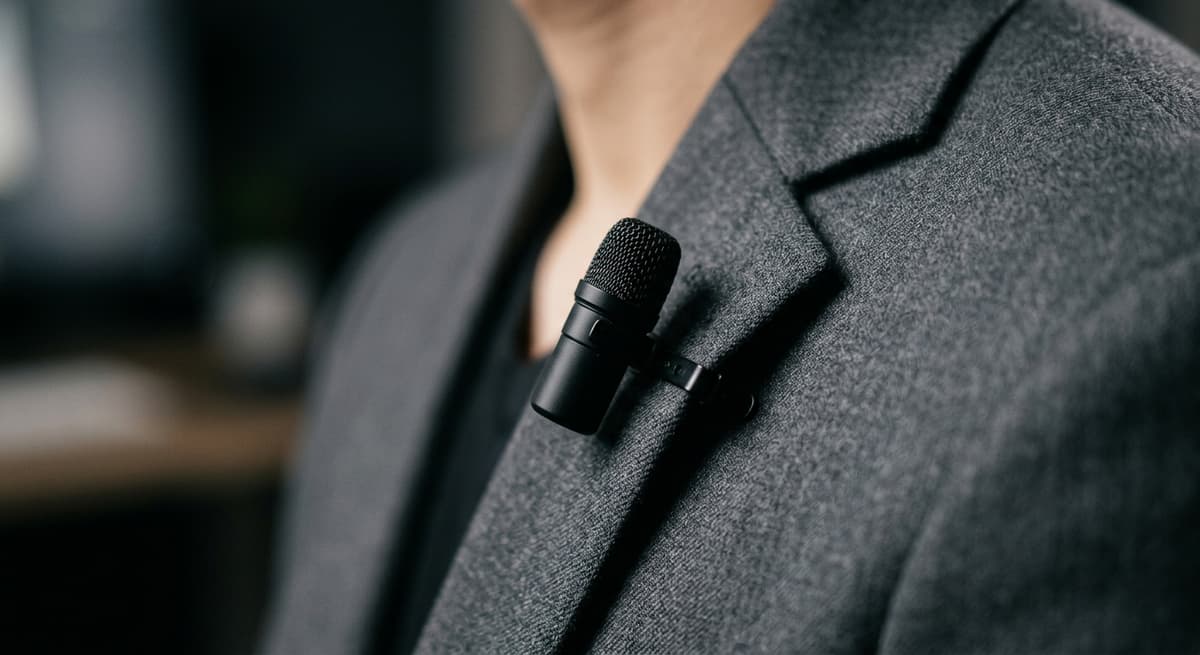
The wider map of Singapore recording and surveillance law is on the recording laws in Singapore section page, and a shorter country-level summary sits in the Singapore entry in the world recording survey. Related privacy obligations are on the data protection and the PDPA section page.
Frequently Asked Questions
Is it legal to record a conversation without consent in Singapore?
For a person taking part in the conversation, generally yes. Singapore has no general wiretap statute that makes participant recording a criminal offence, so recording a conversation you are part of is not, by itself, unlawful. The limits sit elsewhere: the Computer Misuse Act 1993 s 6 targets unauthorised interception by an outsider, the equitable duty of confidence can restrain misuse of the recording afterwards, and the Personal Data Protection Act 2012 applies to organisations rather than to an individual acting in a personal or domestic capacity.
Can I secretly record my boss in Singapore?
On the criminal side, an employee is a participant in a meeting with a manager, so no wiretap offence is engaged and the Computer Misuse Act does not catch a participant recording. That does not make it consequence-free. An employer may have a policy against recording, and disciplinary or contractual consequences can follow, and circulating a recording that contains confidential information can raise the duty of confidence.
Does the Computer Misuse Act make it illegal to record a call?
Not for a participant. Section 6 of the Computer Misuse Act 1993 punishes intercepting, without authority, a function of a computer, which is an outsider or hacking-style offence. A person who is a party to the conversation is not accessing a computer without authority merely by recording it, so s 6 does not turn a participant recording into an offence.
Is Singapore a one-party consent country?
The one-party and two-party consent labels come from United States state law and do not fit Singapore, which has no consent-based wiretap statute at all. In practice a participant can generally record, which resembles a one-party position, but the reason is that there is no consent statute rather than a rule that permits recording.
Can I share or publish a recording I made?
That is a separate question from whether the recording was lawful to make. The equitable duty of confidence can restrain the use or disclosure of confidential information from a recording, and an organisation sharing personal data must comply with the Personal Data Protection Act 2012. A recording can be lawful to make and still unlawful to circulate or publish.
Updates
Independently fact-checked against the cited primary sources
Sources and References
- Computer Misuse Act 1993, s 6 (unauthorised use or interception of computer service)(sso.agc.gov.sg).gov
- Telecommunications Act 1999, ss 61 to 62 (damage to installation; offences by a licensee officer, employee or agent)(sso.agc.gov.sg).gov
- Personal Data Protection Act 2012, s 4(1)(a) (no obligation on an individual acting in a personal or domestic capacity)(sso.agc.gov.sg).gov
- Evidence Act 1893, s 5 (evidence may be given of facts in issue and relevant facts, and of no others)(sso.agc.gov.sg).gov