
Accidents and Personal Injury Claims in Singapore
How accident and injury claims work in Singapore in 2026: the 3-year time limit, motor-accident claims, the pre-action protocol and WICA work injuries.
4 min read
67 articles · page 1 of 2
How accident and injury claims work in Singapore in 2026: the 3-year time limit, motor-accident claims, the pre-action protocol and WICA work injuries.

Adoption in Singapore is governed by the Adoption of Children Act 2022, in force 15 October 2024. Eligibility, consent, the Guardian-in-Adoption and welfare.

A secret recording is generally admissible in Singapore if relevant. The Evidence Act 1893 and the court discretion to exclude improperly obtained evidence.

Can an employee record their employer in Singapore? Why one-party recording is allowed, why the PDPA binds the employer not you, and using it as evidence.

In Singapore a party to a conversation can generally record it without consent. No wiretap statute applies. The Computer Misuse Act and confidence limits.
Custody, care and control and access explained, plus how Singapore courts decide child and spousal maintenance and divide matrimonial assets under s112.

A guide to common traffic offences in Singapore: composition fines, demerit points for light and heavy vehicles, and when a case goes to court instead.

The CPFTA Lemon Law in Singapore: the 6-month defect presumption, the repair, replace, refund remedy sequence (ss 15 to 18), unfair practices and the SCT.
Consumer rights in Singapore under the CPFTA: the Lemon Law, unfair trade practices, online shopping disputes, scam recovery and the Small Claims Tribunal.

When someone loses mental capacity without an LPA, the family applies for deputyship at the Family Justice Courts. The simplified and standard tracks explained.

CPF savings are not part of your estate and cannot be left by will. How CPF nomination works under the CPF Act, and Public Trustee fees if you do not nominate.

How a criminal record becomes spent in Singapore: the 5-year crime-free period, the seven disqualifiers, when the clock starts, and the clearance certificate.
When a Singapore organisation must report a data breach: the significant-harm and 500-person triggers, the 3-day PDPC clock, and when individuals are told.

How the Personal Data Protection Act works in Singapore: the PDPC, the data protection obligations, breach notification, penalties and how to complain.

Your rights when a debt collector calls in Singapore: the Debt Collection Act 2022 licensing regime, harassment offences under POHA, and loan-shark penalties.
A guide to debt and bankruptcy in Singapore: the S$15,000 bankruptcy threshold, the Debt Repayment Scheme, and your rights when a debt collector calls.

Singapore demerit points explained: DIPS thresholds for new and experienced drivers, suspension and revocation, and how retraining shortens a suspension.

Divorce by Mutual Agreement is Singapore’s no-fault route, in force since 1 July 2024 as Women’s Charter s95A(1)(f). What the written agreement must contain.

Divorce in Singapore has one ground, irretrievable breakdown, proved by one of six facts in Women’s Charter s95A(1), plus the three-year rule under s94.

Drink driving in Singapore under section 67: the 35 microgram breath limit, the fines, jail, and disqualification periods for first and repeat offenders.
How driving and traffic law works in Singapore: the Road Traffic Act, the Traffic Police and LTA, and the demerit points system that can suspend a licence.

Die without a will in Singapore and the Intestate Succession Act 1967 sets fixed shares for spouse, children and parents. Plus the Muslim law faraid position.

A guide to employment law in Singapore in 2026: who the Employment Act covers, notice periods, retrenchment benefits, unpaid salary and wrongful dismissal.

How family law works in Singapore: civil divorce under the Women’s Charter and the Family Justice Courts, and Muslim divorce under AMLA and the Syariah Court.
How Singapore handles harassment and neighbour disputes: the Protection from Harassment Act, Protection Orders, and the Community Disputes Resolution Tribunals.
Can you install home CCTV in Singapore, and can it point at a neighbour? How the PDPA personal-use carve-out and harassment law apply, plus common-area rules.
How to complain to the PDPC: contact the organisation DPO first, escalate after 10 business days, and use s 48O for damages. What the PDPC cannot do.

The formalities for a valid will in Singapore under the Wills Act 1838: age 21, in writing, signed, and witnessed by two witnesses present at the same time.
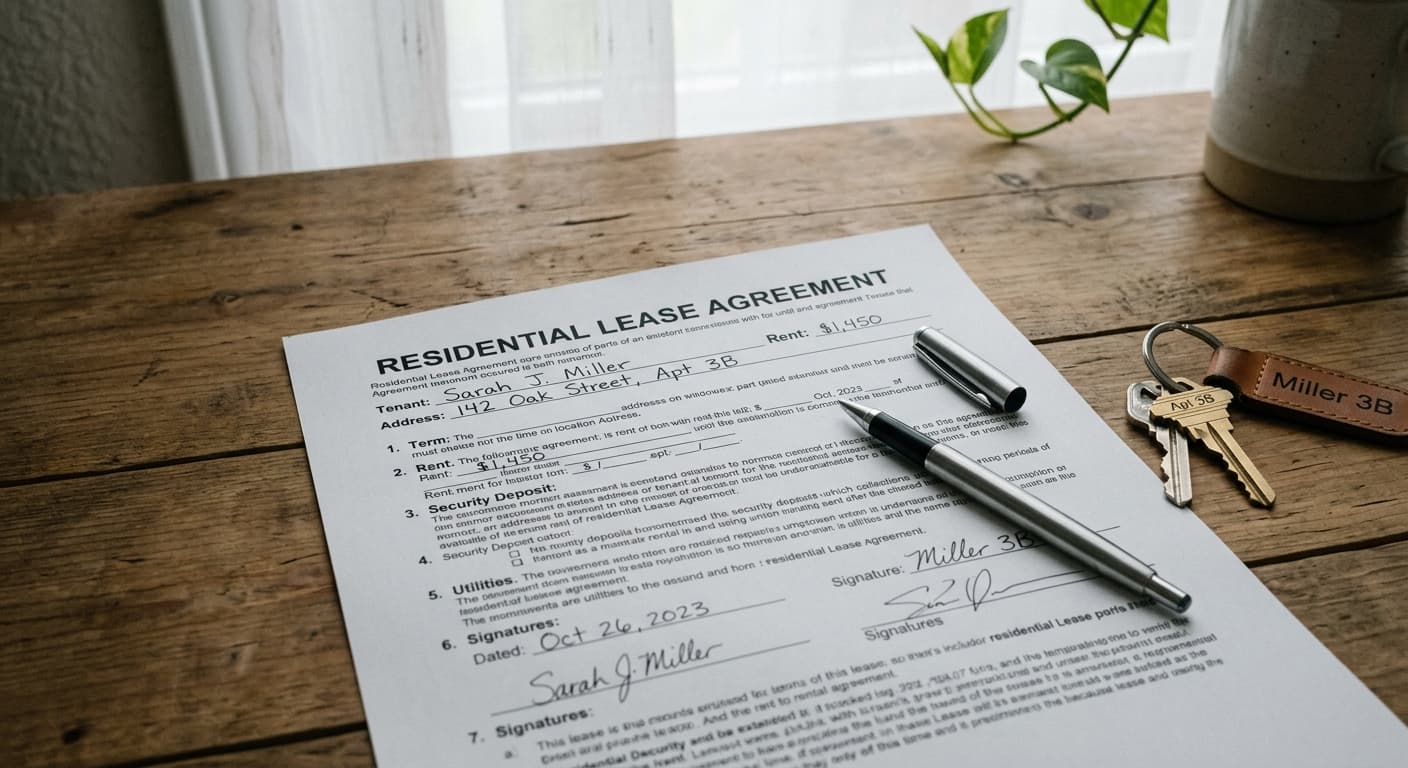
Resolving a landlord or tenant dispute in Singapore: Small Claims Tribunals for residential leases up to 2 years, claim limits, and agent complaints to the CEA.

A Lasting Power of Attorney in Singapore under the Mental Capacity Act 2008: Form 1 and Form 2, the 2026 fees, donees, and the 2024 electronic LPA validation.

A letter of demand is a formal written demand for payment or action. Anyone can send one, no lawyer is required, and it is not a prerequisite for a claim.

How a Magistrate's Complaint works in Singapore: the CPC 2010 sections, the S$20 fees, what the Magistrate can do, and how it differs from a police report.
Claiming after a road accident in Singapore in 2026: the 3-year injury limit, the pre-action protocol, which court hears your claim, and uninsured drivers.

How Muslim divorce works in Singapore: the Syariah Court under AMLA s35, the four divorce types, property division and compulsory marriage counselling.
Neighbour disputes in Singapore: the Community Disputes Resolution Act, the CDRT and its S$20,000 cap, the 2024 changes, and the Tampines mediation pilot.

Notice periods in Singapore in 2026: the Employment Act scale of 1 day to 4 weeks by length of service, plus salary in lieu of notice and waiver by consent.

Online shopping rights in Singapore: sellers are CPFTA suppliers, there is no cooling-off period for a change of mind, and suing a foreign seller is hard.

PDPA compliance for Singapore businesses: designate a DPO (s 11(3)), the 11 obligations, breach notification and s 48J penalties. No size threshold applies.
How personal bankruptcy works in Singapore: the S$15,000 threshold, the 21-day statutory demand, the Official Assignee, and how and when you are discharged.
Personal injury and work injury claims in Singapore in 2026: the no-fault WICA route, the section 63 election, and the caps current from 1 November 2025.

A Personal Protection Order under the Women’s Charter Part 7 protects a family member against family violence. How the PPO, DEO and Expedited Order work.

E-scooter and PMD rules in Singapore under the Active Mobility Act: the footpath ban, device criteria, path speed limits, age rules, and 2026 offences.

POFMA in Singapore: how Correction and Stop Communication Directions work, the appeal path to the High Court, and the 3 grounds to set one aside.
How to make a police report in Singapore: the online e-service and its limits, SingPass login, reporting in person, i-Witness, and false-report offences.

How policing and criminal records work in Singapore: making a police report, the online e-service and its limits, i-Witness, and false-report offences.

Prenups are not automatically binding in Singapore. The court weighs a marital agreement under Women’s Charter s112(2)(e), following TQ v TR [2009] SGCA 6.

How probate works in Singapore: Grant of Probate where there is a will, Letters of Administration where there is not, plus S$5 million and small-estate rules.
POHA in Singapore: harassment, stalking and doxxing offences, how a Protection Order and an Expedited Protection Order work, and the 2026 online safety changes.

Singapore has no general consent wiretap statute. A participant who records a conversation is usually not committing an offence. The real limits explained.
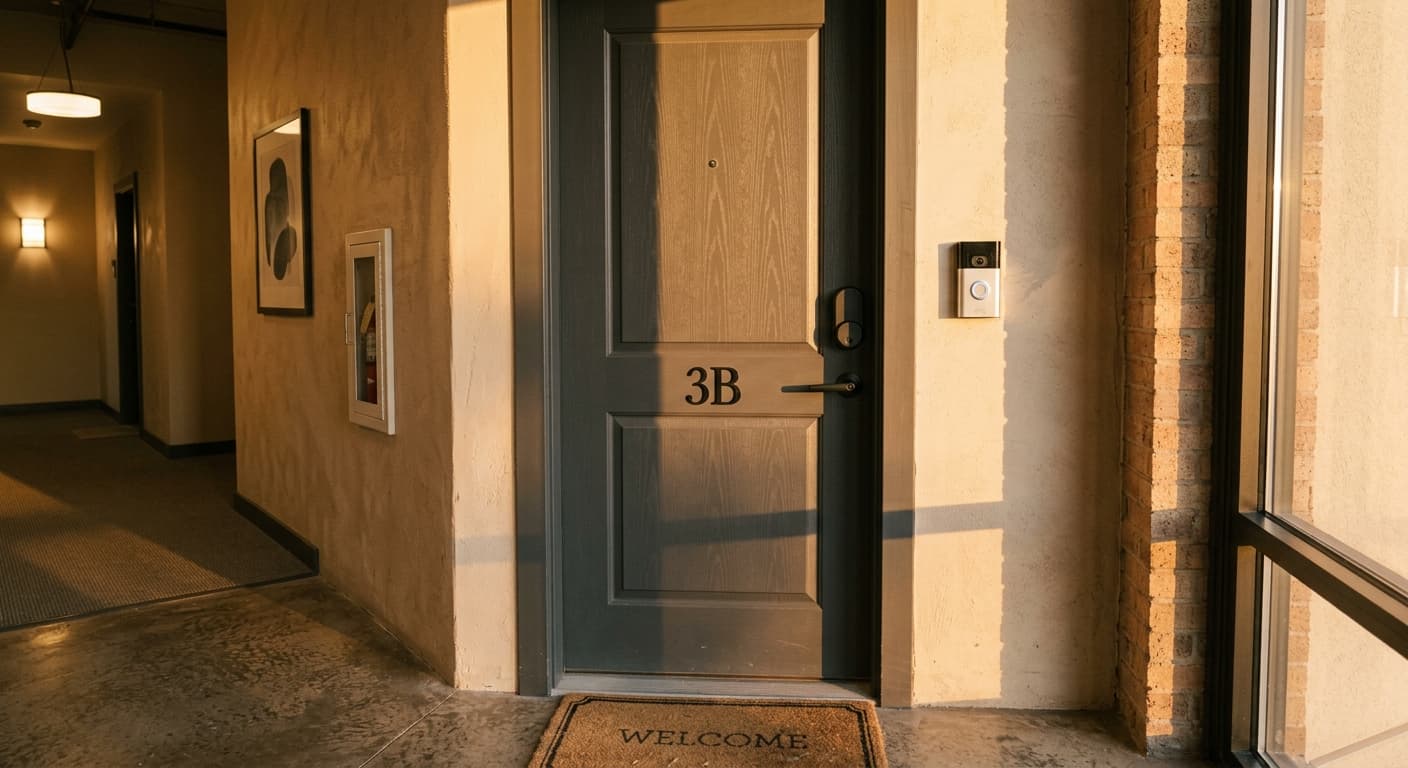
How to avoid rental scams in Singapore: verify the agent on the CEA Public Register, view the property in person, pay the owner, and report to ScamShield 1799.
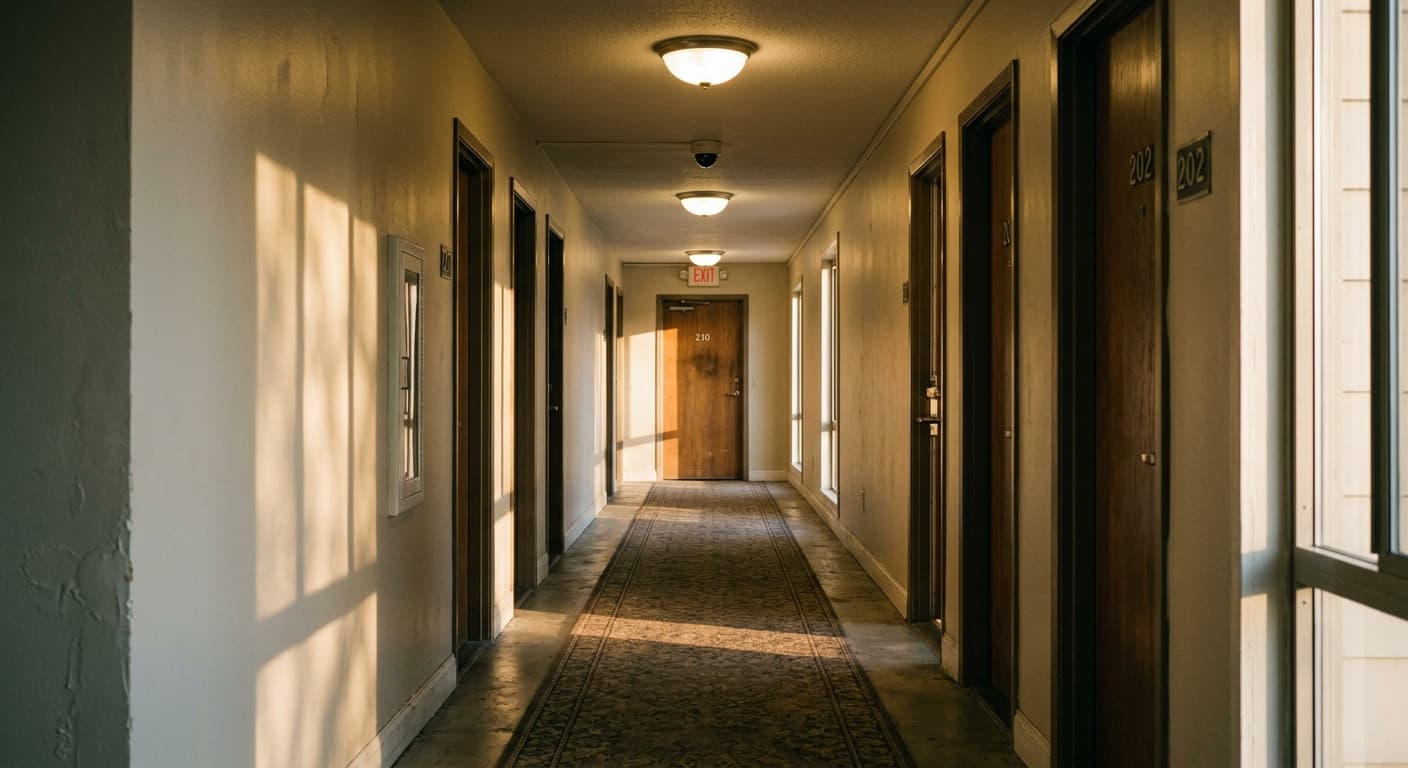
A guide to renting a home in Singapore: tenancy agreements and stamp duty, HDB subletting rules, landlord and tenant disputes, and how to avoid rental scams.
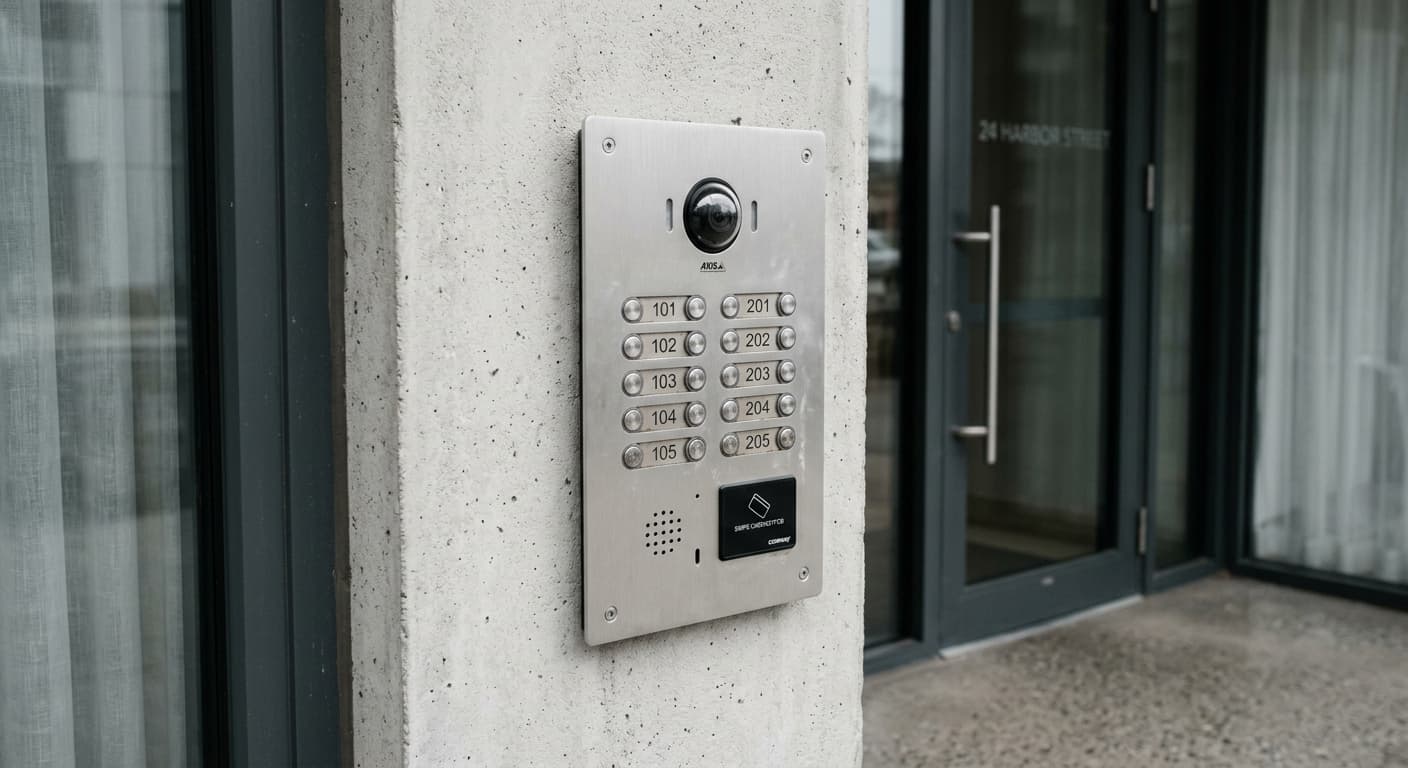
Rules for renting out an HDB flat in Singapore: the Minimum Occupation Period, the Singapore-Citizen whole-flat rule, the Non-Citizen Quota and rental limits.

Retrenchment benefits in Singapore in 2026: the Employment Act section 45 two-year eligibility rule, why the amount is not fixed by statute, and the MOM notification duty.
Scammed in Singapore? Report to the police and ScamShield on 1799. Why banks do not reimburse every scam, and how the Protection from Scams Act 2025 helps.

A directory of Singapore legal guides: work, wills, small claims, driving, data protection, recording and defamation, with rules and forums explained.
How the Small Claims Tribunals in Singapore handle low-value disputes: the S$20,000 cap, the 2-year time limit, eligible claim types, and how to file.
File a claim at the Small Claims Tribunal Singapore: the S$20,000 and S$30,000 limits, the 2-year time bar, eligible claims, filing fees, and the CJTS process.
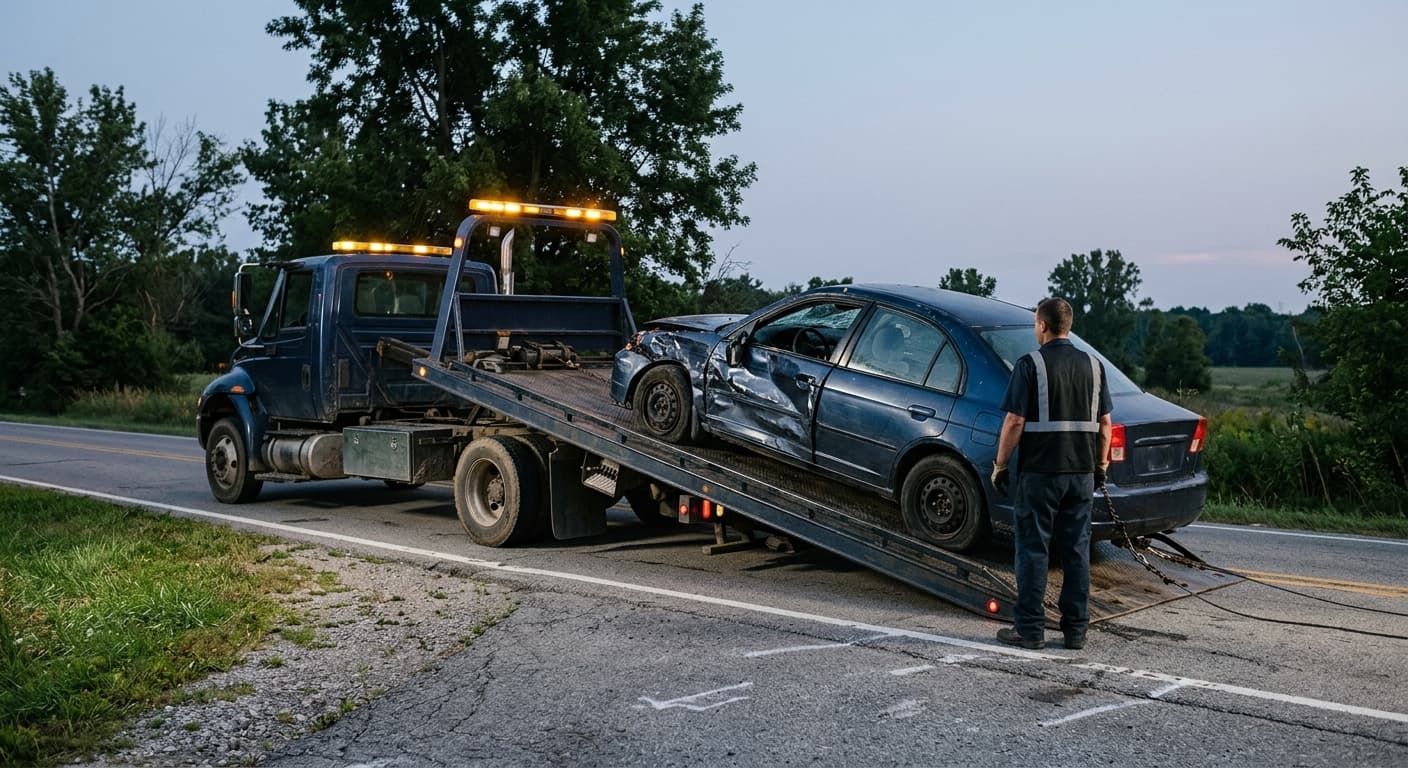
Singapore speeding fines explained: the five demerit-point bands, composition sums for light and heavy vehicles, court cases, and enhanced-zone penalties.

How Singapore tenancy agreements work: the 0.4 per cent IRAS stamp duty, the 14-day stamping deadline, deposit norms, and the clauses to read before you sign.
The Debt Repayment Scheme in Singapore: the S$150,000 debt ceiling, the up-to-5-year plan, who is eligible, and why you cannot apply for the DRS directly.