
Singapore
Noise Complaints and Neighbour Disputes in Singapore
Independently fact-checked against primary sources (last audited July 22, 2026). · 4 primary sources cited on this page. How we verify our legal content
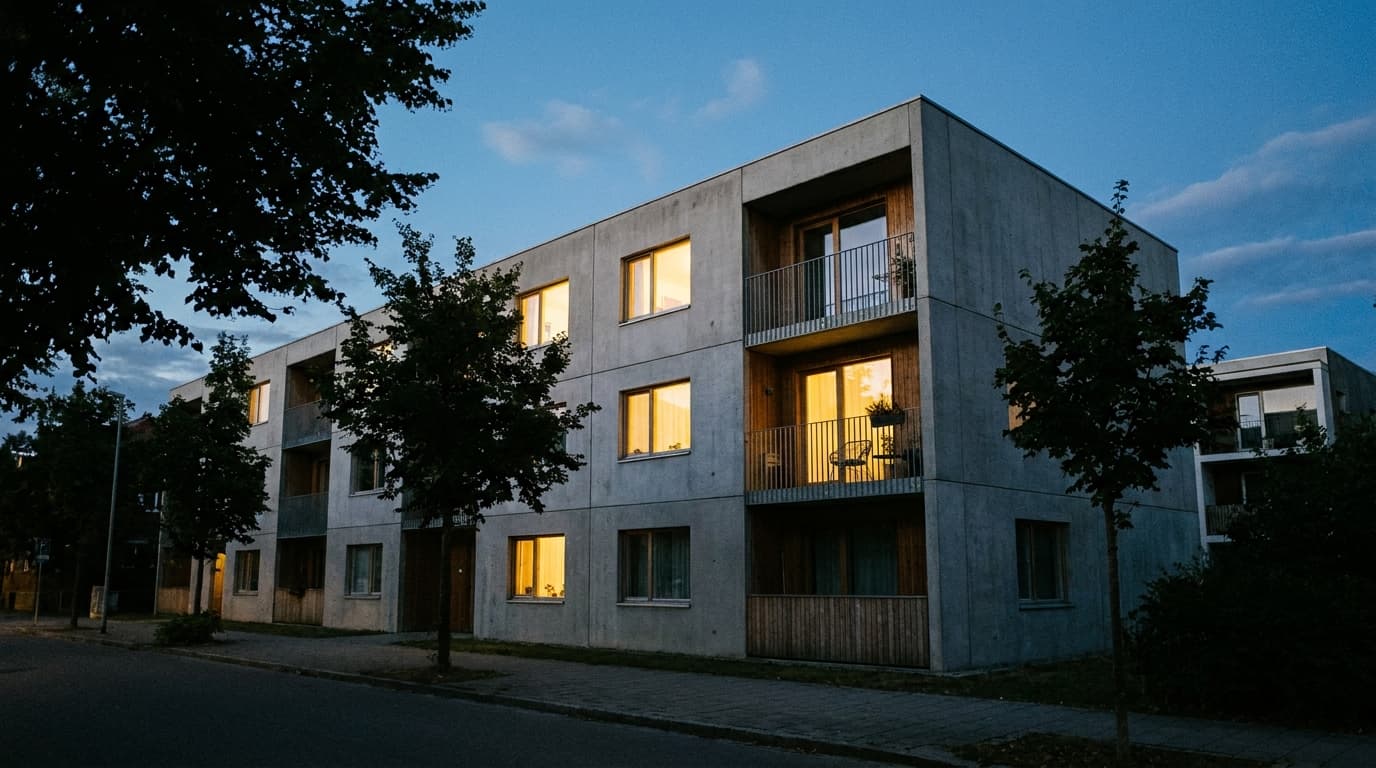
Living close together makes some friction unavoidable, and Singapore has a specific law for when a neighbour's noise or behaviour crosses the line. The Community Disputes Resolution Act 2015 sets up both a legal claim and a specialist tribunal for these disputes. This guide explains what the law covers, what the tribunal can do, and what changed under the 2024 amendment, including the important point that the new mediation framework is still only a pilot.
This is general legal information, not legal advice. Consult a qualified advocate and solicitor about your situation.
Information last verified on 23 July 2026. This page provides general legal information about Singapore law and is not legal advice in an individual case.
The law and the tribunal
The Community Disputes Resolution Act 2015 creates a statutory claim for interference with a person's reasonable enjoyment or use of their home. That covers a broad list of conduct: excessive noise, smell, smoke, light or vibration, littering, obstruction, surveillance, trespass, and nuisance caused by an animal.
Claims under the Act are heard by the Community Disputes Resolution Tribunals, which are designated District Courts. This is a separate track from the Protection from Harassment Court, which handles personal harassment and stalking rather than neighbour nuisance.
Who counts as a neighbour
The Act does not apply to just anyone. It defines a neighbour as a person who lawfully lives in a home that is in the same building as the respondent, or within 100 metres of it, measured boundary to boundary. Someone who lives in the very same home as the respondent is excluded. So the regime is aimed squarely at disputes between separate households that are close to one another.
What the tribunal can order
The tribunal has a range of powers. It can award damages, grant an injunction to stop the conduct, order specific performance, and make a court-ordered apology. The claim limit is set by section 17(5) of the Act at S$20,000, which the Minister may vary by order.
A claim must generally be brought within two years. A claimant whose loss exceeds the cap can choose to give up the excess in order to stay within the tribunal's limit, but cannot split a single dispute into several claims to get around it.
The 2024 amendment: Community Relations Officers
The Community Disputes Resolution (Amendment) Act 2024 came into force on 24 March 2025 and added a new administrative layer to the regime. It created the role of Community Relations Officer, backed by a Director-General of Community Relations, to deal with serious neighbour disputes before they reach the tribunal.
A Community Relations Officer has statutory powers to investigate a dispute, including asking for a person's name and address, requiring information from residents, and, subject to consent rules, installing detection or monitoring equipment such as noise sensors. Placing equipment in common areas near a home does not require consent, but entering a home to install it does. An officer can issue an abatement order requiring a person to stop the interference, and breaching that order is itself an offence.
Mediation Direction: a Tampines pilot, not nationwide
The 2024 amendment also introduced a Mediation Direction framework, under which certain officers can direct neighbours in a dispute to attend mediation at a Community Mediation Centre, with or without their consent. The statutory power itself is not limited to any one town.
In practice, though, the framework has not been rolled out across Singapore. According to the Ministry of Law's answer in Parliament in October 2025, both the Mediation Direction framework and the new Community Relations Unit have been piloted together in the HDB estates of Tampines since 7 April 2025, and had not been extended nationwide. An MP at that sitting was asking the Minister whether and when the pilot would be expanded. So it is accurate to say the power exists in law, but as of 2026 it operates only in the Tampines pilot, and most residents elsewhere still rely on voluntary mediation and the tribunal.
Renovation and quiet hours
A frequent question is whether there are legal quiet hours or renovation hours. These are set by HDB as house rules for its flats, not by the Community Disputes Resolution Act or any general statute. HDB publishes permitted renovation hours and rules on noisy work, and a breach of those rules is dealt with by HDB rather than by the tribunal. Persistent excessive noise can still support a claim under the CDRA, but the fixed hours themselves come from HDB policy.
First steps and related forums
Most neighbour disputes are better resolved before reaching the tribunal, and voluntary mediation at a Community Mediation Centre is the usual first step. Keeping a record of dates, times and the effect of the conduct helps whichever route is taken.

Money disputes that are not about a neighbour's conduct, such as a contract or a consumer claim, go instead to the Small Claims Tribunal, which is a different tribunal with its own rules. If the problem is personal harassment or stalking rather than neighbour nuisance, see the Protection from Harassment Act (POHA) guide. The overview of both regimes is on the harassment and neighbour disputes section page.
Frequently Asked Questions
What law covers noise complaints between neighbours in Singapore?
Disputes between neighbours over excessive noise, smell, smoke, light, vibration, littering or obstruction are governed by the Community Disputes Resolution Act 2015. It creates a statutory claim for interference with a neighbour's reasonable enjoyment of their home, and those claims are heard by the Community Disputes Resolution Tribunals.
How much can the Community Disputes Resolution Tribunal award?
The tribunal can award damages up to S$20,000 under section 17(5) of the Community Disputes Resolution Act 2015. It can also grant an injunction to stop the conduct, order specific performance, and make a court-ordered apology. A claim must generally be brought within two years.
Who counts as a neighbour under the Act?
The Act defines a neighbour as a person who lawfully lives in a home in the same building as the respondent, or within 100 metres of it, measured boundary to boundary. Someone living in the very same home as the respondent is not treated as a neighbour for these purposes.
Is mandatory mediation for neighbour disputes available across Singapore?
Not yet. The Mediation Direction framework and the Community Relations Unit introduced by the 2024 amendment are being piloted in the HDB estates of Tampines since 7 April 2025. According to the Ministry of Law's October 2025 answer in Parliament, they had not been rolled out nationwide, so most residents elsewhere still use voluntary mediation and the tribunal.
Are there legal quiet hours or renovation hours in Singapore?
Renovation hours and quiet-work rules are set by HDB as house rules for its flats, not by the Community Disputes Resolution Act or any general statute. HDB deals with breaches of those rules. Persistent excessive noise can still support a claim under the CDRA, but the fixed hours themselves come from HDB policy.
Updates
Independently fact-checked against the cited primary sources
The Community Disputes Resolution (Amendment) Act 2024 came into force, adding Community Relations Officers, abatement orders and a Mediation Direction framework. As of 2026 the framework and the Community Relations Unit are being piloted in Tampines only, not nationwide.
Sources and References
- Community Disputes Resolution Act 2015(sso.agc.gov.sg).gov
- Ministry of Law, oral answer on community disputes (Parliament, October 2025)(mlaw.gov.sg).gov
- Ministry of Culture, Community and Youth, facilitating effective resolution of neighbour disputes(mccy.gov.sg).gov
- State Courts of Singapore, cases eligible for a small claim(judiciary.gov.sg).gov