
Singapore
Accidents and Personal Injury Claims in Singapore
Independently fact-checked against primary sources (last audited July 23, 2026). · 5 primary sources cited on this page. How we verify our legal content

If you have been hurt in an accident in Singapore, whether on the road, at work, or in a public place, the route to compensation depends on how you were injured and who was responsible. This section explains the two main paths: a civil claim in the courts, and the no-fault work-injury scheme run by the Ministry of Manpower (MOM).
Each page below covers one path completely, with the current figures and the correct procedure. Start with the page closest to your situation.
This is general legal information, not legal advice. Consult a qualified advocate and solicitor about your situation. Figures are current as of 2026.
The deadline that governs every injury claim
The single most important rule is the time limit. Under section 24A of the Limitation Act 1959, a personal-injury claim must be brought within 3 years, running from the date of the accident or from the earliest date you had the knowledge needed to bring the claim, whichever is later. Missing this deadline generally ends the right to sue, so it is the first thing to check.
A claim for property damage alone, such as the cost of repairing your car where nobody was injured, is different. It falls under the general 6-year tort period in section 6 of the same Act. Section 24A carves personal injury out of that longer window into the shorter 3-year one.
Motor-accident claims
Road-accident claims are the most common injury claims in Singapore. They run through the State Courts and start with a mandatory pre-action protocol rather than an immediate lawsuit. The claim is heard in a court chosen by the value of the claim, and the negligent driver's insurer usually stands behind the claim.
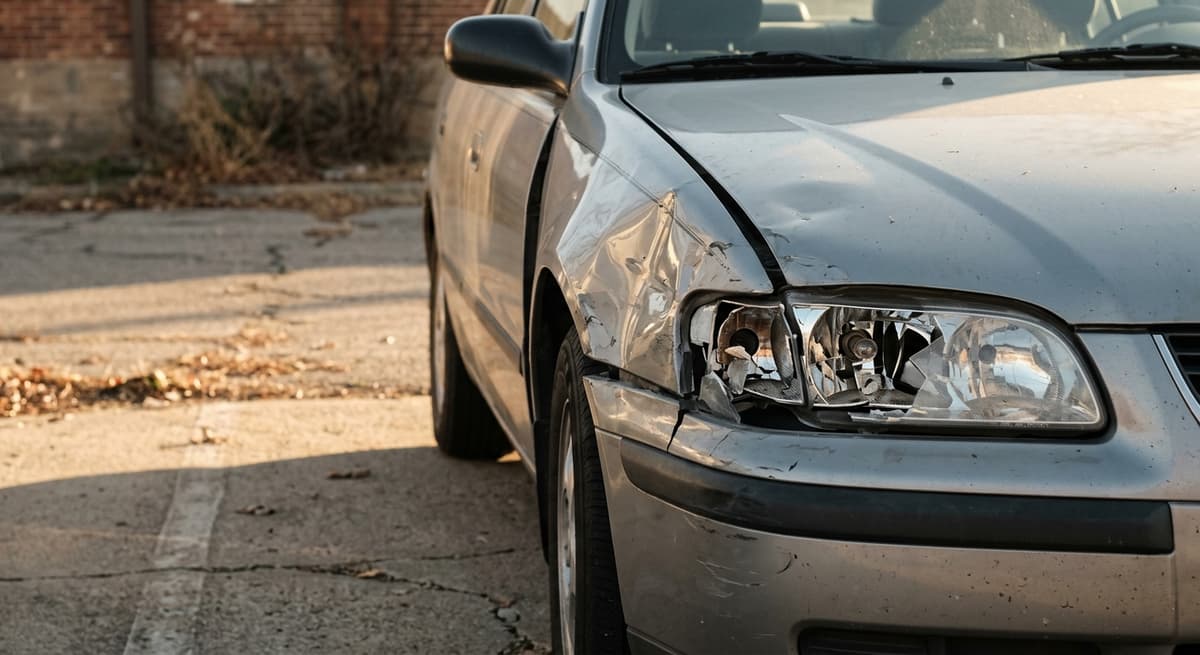
The page on motor-accident claims explains the 3-year limit, the Letter of Claim procedure, which court hears a claim of a given size, the insurer's statutory duty to meet a judgment, and what happens when the driver was uninsured or untraced. If your accident also involved a traffic offence, see the driving laws section and the page on demerit points.
Personal injury and work injuries
Injuries at work sit in a category of their own. Instead of proving fault, an injured employee can claim under the Work Injury Compensation Act 2019 (WICA) through MOM, a faster no-fault route with fixed compensation limits. But WICA and a common-law lawsuit against the employer are, in most cases, an either-or choice.

The page on personal injury and work injury claims sets out the WICA no-fault route, the section 63 election between WICA and suing the employer, the section 64 rule for injuries caused by a third party, and the compensation limits current from 1 November 2025.
Frequently Asked Questions
How long do I have to make an injury claim in Singapore?
Generally 3 years for a personal-injury claim, under section 24A of the Limitation Act 1959, running from the date of the accident or from when you first had the knowledge needed to bring the claim, whichever is later. A claim for property damage alone, such as vehicle repair costs with no injury, has 6 years under section 6. Missing the deadline usually ends the right to sue.
Do I have to prove someone was at fault to claim after an accident?
It depends on the route. A civil claim in the courts, including a motor-accident claim, requires you to show the other party was negligent. A work-injury claim under the Work Injury Compensation Act 2019 is no-fault: you do not have to prove your employer was to blame, though the compensation is capped.
What if the driver who hit me had no insurance or drove off?
The Motor Insurers' Bureau of Singapore may compensate for death or bodily injury caused by an uninsured or untraced driver, generally within about 3 years of the accident. It is an industry-funded compensation scheme that all Singapore motor insurers must join, not a government agency, and it does not cover property damage.
Can I claim for a work injury and also sue my employer?
Usually not for the same injury. Section 63 of the Work Injury Compensation Act 2019 makes it an election: you either claim the no-fault WICA compensation through the Ministry of Manpower or sue the employer at common law, not both. A separate rule, section 64, lets you claim WICA from your employer and also sue a negligent third party who caused the injury, with no double recovery.
Updates
Independently fact-checked against the cited primary sources
Sources and References
- Limitation Act 1959, Singapore Statutes Online(sso.agc.gov.sg).gov
- Ministry of Law, Legal Aid Bureau, Accident and Personal Injury Claims practitioner guide (June 2025)(mlaw.gov.sg).gov
- Work Injury Compensation Act 2019, Singapore Statutes Online(sso.agc.gov.sg).gov
- Ministry of Manpower, Higher compensation limits under the Work Injury Compensation Act (effective 1 November 2025)(mom.gov.sg).gov
- Motor Insurers Bureau of Singapore, About and Making a Claim(mibos.com.sg)
- State Courts Practice Directions 2021, Appendices (pre-action protocol)(judiciary.gov.sg).gov