
Singapore
Renting a Home in Singapore: Tenants and Landlords
This is general legal information, not legal advice. Consult a qualified advocate and solicitor about your situation. Information last verified on 23 July 2026.
Renting a home in Singapore is largely a matter of private contract. There is no rent control, no rent tribunal that sets prices, and no single tenancy statute that dictates the terms of a lease. What protects a tenant and a landlord is the agreement they sign and the ordinary law of contract that stands behind it.
That makes the tenancy agreement the most important document in the whole arrangement. It is worth understanding before you sign, along with the tax you must pay to stamp it, the special rules that apply to HDB flats, the routes for resolving a dispute, and the scams that target people looking for a place to live. This section links the detailed guides on each.
Tenancy agreements and stamp duty
A tenancy agreement sets the rent, the term, the deposit, and the obligations of each side. Because there is no statutory template, the clauses in the document are what govern the relationship, so the detail matters. The agreement also has to be stamped: the Inland Revenue Authority of Singapore (IRAS) charges stamp duty on a lease, and stamping is what makes the document admissible as evidence if a dispute later arises.
Our guide to tenancy agreements, deposits and stamp duty explains how the 0.4 per cent stamp duty is calculated, the difference between a lease of up to 4 years and a longer one, the 14-day deadline, and the deposit and clause conventions that most Singapore leases follow.
Renting an HDB flat
About eight in ten residents live in Housing and Development Board (HDB) flats, and renting one out is not the same as renting a private property. An owner must satisfy a Minimum Occupation Period first, only Singapore-Citizen owners may rent out a whole flat, and a Non-Citizen Quota limits how many flats in a block or neighbourhood can be let to non-citizens.
Our guide to renting an HDB flat and the subletting rules sets out the Minimum Occupation Period, the Prime and Plus carve-out, the citizenship rules, the quota, and the minimum and maximum rental periods.
Landlord and tenant disputes
When rent goes unpaid, a deposit is withheld, or a term is broken, the question is which forum can help. For a residential lease not exceeding 2 years, the Small Claims Tribunals offer a fast, low-cost route. Larger or longer matters, and disputes about a property agent, take different paths.
Our guide to landlord and tenant disputes explains what the Small Claims Tribunals can hear, the claim limits and time bar, and where to complain about an agent.
Rental scams
Fake listings and scammers impersonating real property agents cost renters in Singapore millions of dollars a year. The defences are simple but they have to be used before any money changes hands.
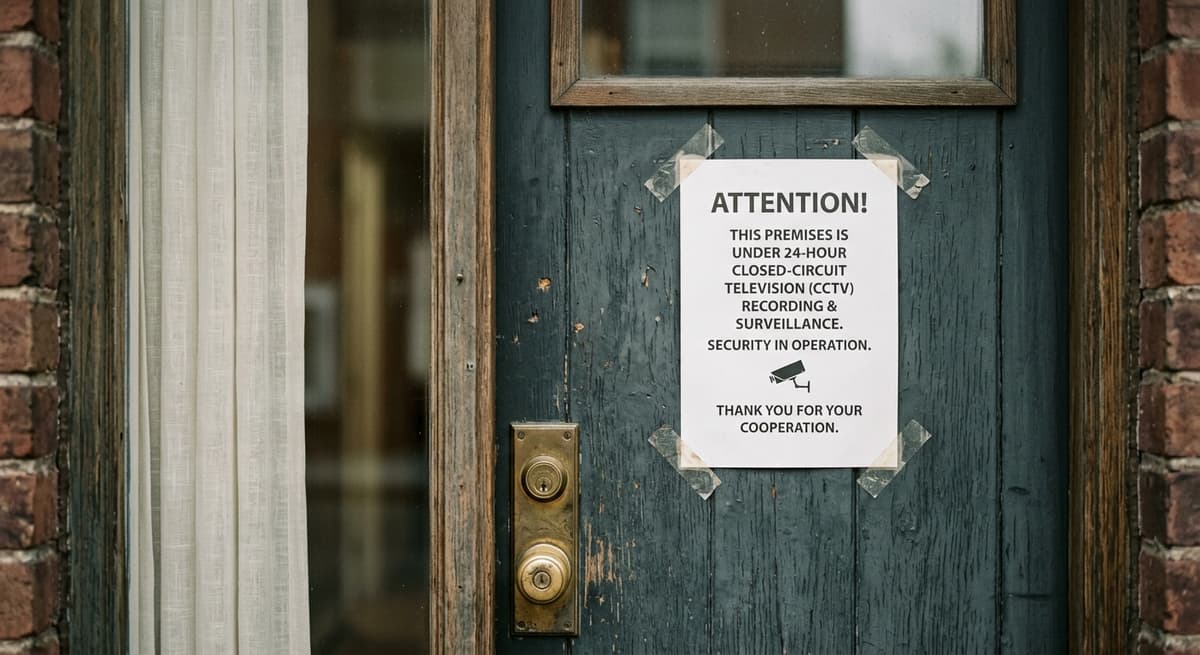
Our guide to rental scams and how to avoid them explains how to verify an agent on the CEA Public Register, why you should pay the owner rather than the agent, and how to report a scam through ScamShield.
Frequently Asked Questions
Is there rent control in Singapore?
No. Singapore has no rent control and no rent-setting authority. Residential rents are set by the market and by the agreement the landlord and tenant sign, subject to the ordinary law of contract.
Do I have to stamp my tenancy agreement?
Yes. A tenancy agreement is subject to stamp duty payable to IRAS. The duty is 0.4 per cent of the rent and must generally be paid within 14 days of signing the document in Singapore. An unstamped agreement can face problems being used as evidence in a dispute.
Can I rent out my HDB flat?
Only if you meet HDB rules. You must have fulfilled the Minimum Occupation Period, only Singapore-Citizen owners may rent out a whole flat, and the letting is subject to a Non-Citizen Quota and HDB approval. Prime and Plus flats can never be rented out as a whole flat.
Where do I take a dispute with my landlord or tenant?
For a residential lease not exceeding 2 years, the Small Claims Tribunals can hear rent and deposit disputes up to the claim limit. A complaint about the conduct of a property agent goes to the Council for Estate Agencies instead.
How do I avoid a rental scam in Singapore?
Check that the agent is registered on the CEA Public Register, ideally by searching the phone number they contacted you from, view the property in person, and pay the property owner directly using a traceable method rather than paying an agent or an unverified account.
Sources and References
- IRAS, stamp duty for renting a property(iras.gov.sg).gov
- HDB, renting out a flat, eligibility(hdb.gov.sg).gov
- State Courts, cases eligible for a small claim(judiciary.gov.sg).gov
- Council for Estate Agencies, rental scams(cea.gov.sg).gov