
Singapore
Landlord and Tenant Disputes in Singapore
Independently fact-checked against primary sources (last audited July 22, 2026). · 4 primary sources cited on this page. How we verify our legal content
This is general legal information, not legal advice. Consult a qualified advocate and solicitor about your situation. Information last verified on 23 July 2026.
When a tenancy goes wrong, whether over unpaid rent, a withheld deposit, or a breach of a term, the first question is which forum can actually help. Singapore has no rent control and no dedicated tenancy tribunal, so a dispute is resolved through the general law of contract and through a court or tribunal with jurisdiction over the claim. This guide explains the main routes and their limits.
Start with the agreement and a letter of demand
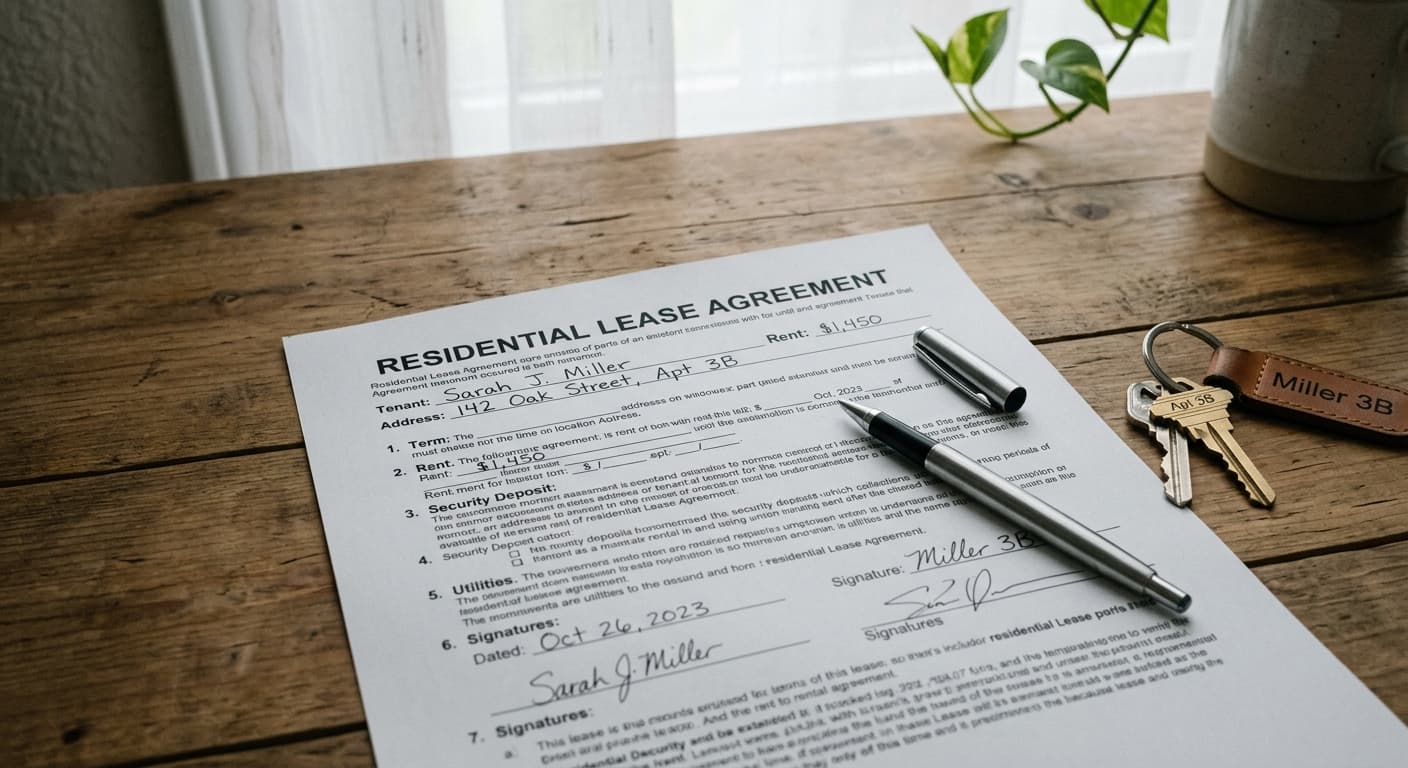
Because a tenancy is a contract, the agreement is the starting point for almost every dispute. What the lease says about rent, the deposit, repairs, notice and termination usually decides who is right.
Many disputes are resolved before any tribunal is involved. A clear letter of demand, setting out what is owed or what term has been broken and giving the other side a chance to put it right, often settles the matter. It also creates a record that is useful if the dispute does proceed further.
The Small Claims Tribunals for residential leases
For many residential tenancy disputes, the Small Claims Tribunals (SCT), part of the State Courts, are the fastest and cheapest forum. A dispute under a contract for the lease of residential premises is eligible where the lease does not exceed 2 years.
That covers the disputes tenants and landlords most often have: rent arrears, a deposit that has not been returned, or a breach of a term of the lease. A tenant seeking the return of a wrongly withheld deposit, or a landlord claiming unpaid rent, can bring the claim there provided it is within the limits below.
Claim limits and the time bar
The SCT claim limit is S$20,000. It rises to S$30,000 where both parties sign a memorandum of consent agreeing to the higher figure. Without that signed memorandum, the S$20,000 cap applies.
A claim must be filed within 2 years of the date the cause of action arose. A party can choose to abandon the excess above the limit to bring a larger claim within jurisdiction, but cannot split one claim into several proceedings to get around the cap. Claims are filed online through the Community Justice and Tribunals System (CJTS), and the process starts with a consultation before a registrar who tries to help the parties settle before any hearing.
For the full procedure, fees and eligibility, see our detailed guide to the Small Claims Tribunal and how to file a claim.
What the Tribunals cannot hear
The 2-year rule is a residential carve-out only. The Small Claims Tribunals cannot hear a dispute over the lease of commercial or industrial premises, and they cannot hear a licence of premises, regardless of how long the arrangement runs. A shop or office lease dispute, for example, does not go to the SCT.
A dispute that exceeds the claim limit, or that involves a residential lease longer than 2 years, falls outside the Tribunals too. Those matters are pursued in the ordinary civil courts, where the process is more formal and legal representation is allowed.
Complaints about a property agent
A dispute with your landlord or tenant is different from a complaint about the conduct of a property agent. Agents are regulated under the Estate Agents Act 2010 and overseen by the Council for Estate Agencies (CEA).

If the problem is the agent's conduct, for example misrepresentation, mishandling of money, or a breach of the agent code of practice, the complaint goes to the CEA rather than to a tribunal hearing the tenancy dispute. The CEA can take disciplinary action against a registered agent or agency, which is a separate process from recovering money under the lease.
Enforcing an order
Winning a tribunal order and actually being paid are not the same thing. If the party ordered to pay does not comply, the order does not enforce itself, and the successful party may need to take further steps through the courts to enforce it.
This is worth bearing in mind from the start of any dispute. Keeping records of who the other party is and where they can be reached, along with the agreement, the payment history and the correspondence, makes both the claim and any later enforcement more straightforward.
Getting your dispute to the right place
Identify the type of lease and the size of the claim first. A residential lease not exceeding 2 years, with a claim within the limit, points to the Small Claims Tribunals. A larger, longer, or commercial matter points to the ordinary courts. A problem with the agent points to the CEA. For an overview of renting in Singapore, see the tenancy section; to understand the document at the centre of most disputes, see tenancy agreements and stamp duty; and if you suspect you were targeted by a fraudulent listing or agent, see rental scams.

Frequently Asked Questions
Can I take my landlord to the Small Claims Tribunal in Singapore?
Yes, if the dispute is under a residential lease that does not exceed 2 years and the claim is within the limit. The Small Claims Tribunals can hear rent, deposit and other contractual tenancy disputes, including a claim to recover a wrongly withheld deposit.
What is the claim limit for a tenancy dispute at the Small Claims Tribunal?
The limit is S$20,000, rising to S$30,000 if both parties sign a memorandum of consent. A claim must be filed within 2 years of the date the cause of action arose.
Can I use the Small Claims Tribunal for a commercial or office lease?
No. The Tribunals exclude the lease of commercial or industrial premises and any licence of premises, regardless of the term. Those disputes are pursued in the ordinary civil courts.
My landlord will not return my deposit. What can I do?
Start with a letter of demand setting out the amount and the basis for its return. If that does not work, and the lease is a residential one not exceeding 2 years, you can file a claim at the Small Claims Tribunals within the claim limit and within 2 years of the dispute arising.
Where do I complain about a property agent?
Complaints about the conduct of a property agent go to the Council for Estate Agencies, which regulates agents under the Estate Agents Act 2010. That is separate from a tenancy dispute over money, which goes to a tribunal or court.
Is there rent control or a rent tribunal in Singapore?
No. There is no rent control and no dedicated rent tribunal. Disputes are resolved through the contract and the common law, with the Small Claims Tribunals available for smaller residential matters and the ordinary courts for larger ones.
Updates
Independently fact-checked against the cited primary sources
Sources and References
- State Courts, cases eligible for a small claim(judiciary.gov.sg).gov
- State Courts, file a small claim(judiciary.gov.sg).gov
- Small Claims Tribunals Act 1984(sso.agc.gov.sg).gov
- Council for Estate Agencies (Estate Agents Act 2010)(cea.gov.sg).gov