
Singapore
Recording Laws in Singapore: Consent, Offences and Evidence
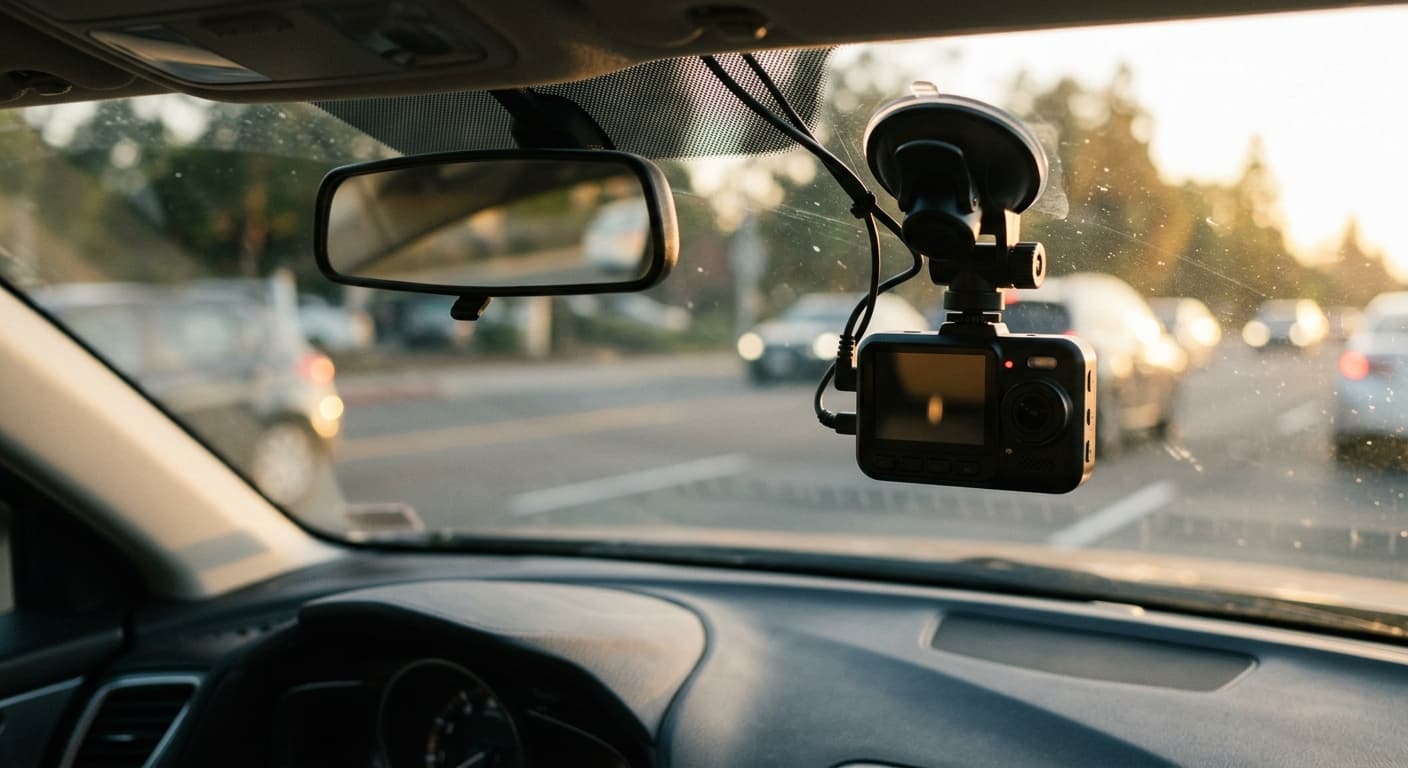
Recording law in Singapore surprises many people, because there is no single statute that says you must have the other person's consent before you press record. The rules that actually apply are narrower and more specific than that, and they turn on who you are in the conversation and on what you later do with the recording.
This section maps the area and links the detailed guides. This is general legal information, not legal advice. Consult a qualified advocate and solicitor about your situation.
Information last verified on 22 July 2026. This page provides general legal information about Singapore law and is not legal advice in an individual case.
Is recording a conversation an offence in Singapore?
For a person who is a party to the conversation, generally no. Singapore has never enacted a general wiretapping statute that makes it an offence to record a conversation without the agreement of everyone taking part. That is the single most important fact in this area, and it is why the honest answer to the common search query is usually that a participant recording is not, by itself, a crime.
The offences that do exist are aimed at other conduct. They catch an outsider who intercepts a communication they are not entitled to access, or a person who misuses information obtained in confidence, rather than a participant who keeps a record of a meeting or call they were part of.
The position is different for an organisation. A company, an employer or an association that records staff, customers or callers is not acting in a personal or domestic capacity, so the Personal Data Protection Act 2012 applies to it and it must comply with the Act's obligations. The relaxed position described on this page is the position of a private individual recording their own conversation, not that of a business.
Where the boundaries actually sit
Three legal ideas fill the space that a consent statute would otherwise occupy.

The first is the Computer Misuse Act 1993. Section 6 makes it an offence to intercept, without authority, any function of a computer by an electromagnetic, acoustic, mechanical or other device. This is written around unauthorised access to a computer system, an outsider or hacking-style act. A participant recording a conversation they are part of is not accessing a computer without authority merely by recording, so s 6 does not turn a participant recording into an offence.
The second is the equitable duty of confidence, a common-law rule rather than a statute. Where information is confidential and was received in circumstances importing an obligation of confidence, a court can restrain its unauthorised use or disclosure. This is why a recording that was lawful to make can still create a legal problem if it is passed on or published in breach of confidence.
The third is the Personal Data Protection Act 2012. It regulates how organisations handle personal data, but s 4(1)(a) provides that the data protection obligations do not apply to an individual acting in a personal or domestic capacity. A private individual recording a personal conversation therefore falls outside the PDPA, while an organisation recording customers or staff does not.
Can a secret recording be used in court?
Usually yes, if it is relevant. Under the Evidence Act 1893, admissibility is decided by relevance, and Singapore has no automatic exclusionary rule for evidence that was obtained improperly. A court still holds a discretion to exclude a recording where its prejudicial effect outweighs its probative value, and that discretion is where the argument in a real case tends to happen.
The detailed treatment, including the leading authority, is on the secret recordings as evidence guide.
Guides in this section
- Can you record a conversation without consent in Singapore? sets out the participant position, the Computer Misuse Act boundary, the breach of confidence risk and the PDPA carve-out in full.
- Can a secret recording be used in court in Singapore? explains the relevance-based admissibility rule in the Evidence Act 1893 and the court's discretion to exclude.
For a shorter country-level summary written as part of the worldwide recording survey, see the Singapore entry in the world recording survey. The wider legal map for the jurisdiction is on the Singapore law overview, and the related privacy rules are on the data protection and the PDPA section page.
More in this section: Home CCTV rules, Recording your employer at work.
Frequently Asked Questions
Do I need consent to record a conversation in Singapore?
There is no general Singapore statute that requires the consent of the other people in a conversation before you record it. A person who is a party to the conversation is generally not committing a criminal offence by recording it. The limits lie elsewhere: the Computer Misuse Act 1993 s 6 targets unauthorised interception of a computer service by an outsider, the equitable duty of confidence can restrain misuse of the recording afterwards, and the Personal Data Protection Act 2012 applies to organisations rather than to an individual acting in a personal or domestic capacity.
Is Singapore a one-party or two-party consent country?
Neither label fits, because Singapore has no consent-based wiretap statute at all. The one-party and two-party framework comes from United States state laws and does not describe Singapore law. The practical result resembles a one-party position for a participant, since recording a conversation you are part of is generally not an offence, but the reason is the absence of a consent statute rather than a rule that permits it.
Can a secretly made recording be used as evidence in Singapore?
Generally yes if it is relevant. Under the Evidence Act 1893 admissibility turns on relevance, and Singapore has no automatic rule excluding evidence just because it was obtained improperly. The court retains a discretion to exclude a recording where its prejudicial effect outweighs its probative value.
Does the Personal Data Protection Act stop me recording someone?
Not when you are acting in a personal or domestic capacity. Section 4(1)(a) of the Personal Data Protection Act 2012 states that the data protection obligations do not apply to an individual acting in a personal or domestic capacity, so a private recording of a personal conversation is outside the PDPA. An organisation that records staff or customers is a different case and must comply with the Act.
Sources and References
- Computer Misuse Act 1993, s 6 (unauthorised use or interception of computer service)(sso.agc.gov.sg).gov
- Telecommunications Act 1999, ss 61 to 62 (damage to installation; offences by a licensee officer, employee or agent)(sso.agc.gov.sg).gov
- Personal Data Protection Act 2012, s 4(1)(a) (no obligation on an individual acting in a personal or domestic capacity)(sso.agc.gov.sg).gov
- Evidence Act 1893, s 5 (evidence may be given of facts in issue and relevant facts, and of no others)(sso.agc.gov.sg).gov
- Evidence Act 1893, s 138 (court to decide as to admissibility of evidence)(sso.agc.gov.sg).gov