
Singapore
Dealing with Debt Collectors in Singapore

Being chased for money you owe is uncomfortable, but a creditor or a debt collector is entitled to seek payment. What the law controls is how they do it, and, since late 2023, whether they are licensed at all. This guide explains the licensing regime, where the line between lawful collection and criminal harassment lies, and the separate, much harsher rules that apply to loan sharks.
This is general legal information, not legal advice. Consult a qualified advocate and solicitor about your situation. Information last verified on 23 July 2026.
Debt collection is now a licensed activity
Singapore has a specific debt-collection licensing regime, and it is in force. The Debt Collection Act 2022 commenced on 1 December 2023, and mandatory licensing of debt collection businesses took effect from around 1 March 2024. This is relatively new law, so older articles that say Singapore has no debt-collection licensing are out of date.
Under section 6 of the Act, a person must not carry on a debt collection business, or carry out debt collection activity in the business, unless the business holds a valid licence. Under section 18, a licensee must not deploy an individual as its debt collector unless the Police Licensing Officer has approved that individual. Operating without a licence, or deploying an unapproved collector, is an offence carrying fines and possible imprisonment.
Some parties do not need a debt-collection licence in that capacity, such as the Official Assignee, licensed insolvency practitioners, regulated law practices and accountants. Separately, banks, finance companies and licensed moneylenders collecting their own debts are treated as regulated businesses under a lighter class licence, rather than being outside the Act entirely.
Lawful collection versus harassment
A licensed debt collector may contact you and ask you to pay a genuine debt. That in itself is lawful. The problem arises when the conduct crosses into threats, abuse or intimidation.
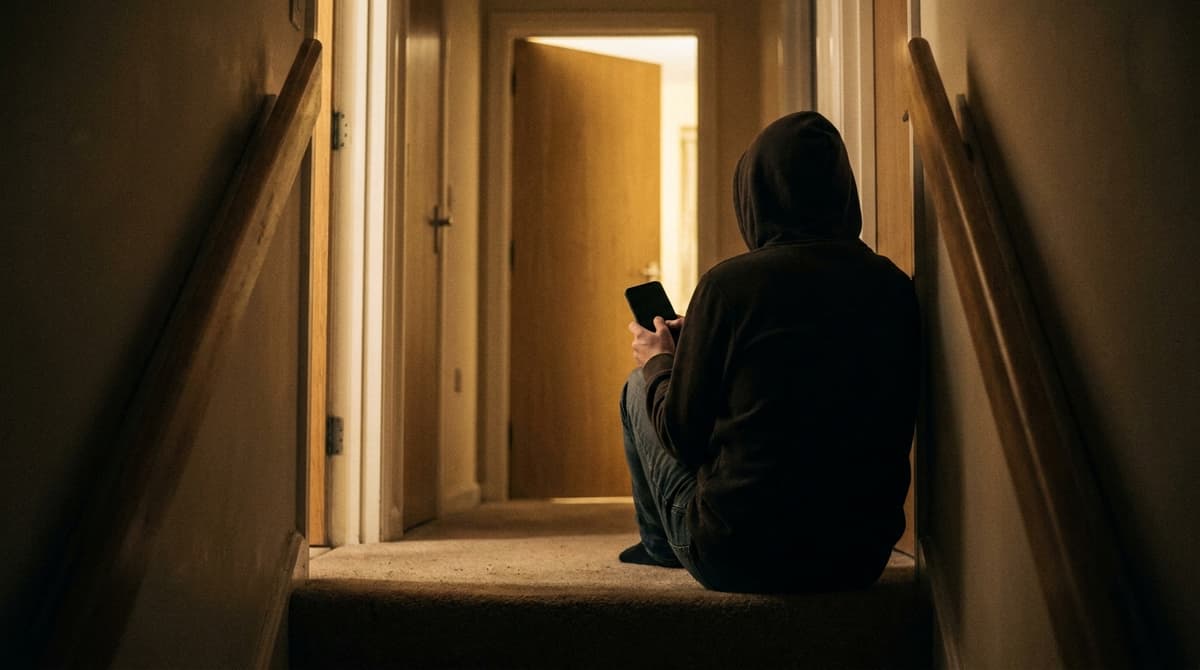
The main protection here is the Protection from Harassment Act 2014, usually shortened to POHA, which applies to a debt collector's conduct regardless of licensing status. Under section 3, using threatening, abusive or insulting words or behaviour with intent to cause harassment, alarm or distress is an offence, punishable by a fine of up to S$5,000 or up to 6 months' imprisonment, or both. Section 4 covers similar conduct on an objective test, without proof of intent, and carries a fine of up to S$5,000. For how POHA works in full, including protection orders, see the Protection from Harassment Act guide.
Beyond harassment, conduct such as damaging property, or threats of violence, can amount to other criminal offences and should be reported to the police. A debt being genuinely owed does not license a collector to threaten or intimidate you.
What about specific conduct rules
You may see lists online of specific things a debt collector supposedly cannot do, such as calling after a certain hour or contacting your employer. Treat these with care. A published code of practice setting out such detailed rules was not locatable in the public primary sources, so this guide does not present hour-of-day rules or a ban on contacting your employer as if they were the express text of the Debt Collection Act.
What is on firm ground is the POHA standard. If a collector's conduct, whatever form it takes, causes or is likely to cause harassment, alarm or distress through threatening, abusive or insulting behaviour, that can be an offence under POHA regardless of any code. So the practical test is not the clock on the wall but whether the conduct is threatening, abusive or intimidating.
Loan sharks are a different and far more serious matter
There is a sharp line between a licensed debt collector and an unlicensed moneylender, a loan shark. Harassment by an unlicensed moneylender is its own offence under section 47 of the Moneylenders Act 2008, and the penalties are much heavier than under POHA.

Under section 47, where an unlicensed moneylender, or anyone acting on their behalf, uses threatening, abusive or insulting words or behaviour, or does any act likely to cause alarm or annoyance in connection with the loan, that is an offence. For an individual offender the penalty includes imprisonment of up to 5 years, a fine of S$5,000 to S$50,000, and caning. Importantly, section 47 also catches any person acting on the unlicensed moneylender's behalf, so a runner or collector working for a loan shark is caught directly.
This is why the licensing status of who you are dealing with matters so much. If you have borrowed from an unlicensed lender and are being harassed, that is loan-shark harassment, and it should be reported to the police at once. Never respond to a loan shark by taking on further debt.
How to protect yourself
Start by finding out who you are dealing with. You can check whether a debt collection company is licensed through the government verification tool at go.gov.sg/verifyme, using the company's Unique Entity Number or its Debt Collection Business Licence number. If someone claims to be a debt collector, you can ask for proof of who employs them and then verify the employer.
Keep records of contact, including messages, call times and any threats. If you are threatened, intimidated or harassed, or if you believe the person or company is unlicensed, make a police report. Where the harasser is an unlicensed moneylender, report it to the police as a loan-shark matter. For a complaint specifically about a licensed moneylender's conduct, the Registry of Moneylenders at the Ministry of Law is the relevant body.
Where to go next
For the full detail on harassment, including how to apply for a protection order, see the Protection from Harassment Act guide. If the underlying issue is that you cannot pay, the personal bankruptcy guide and the Debt Repayment Scheme guide explain your formal options, and the debt and bankruptcy section gives the overview.

Frequently Asked Questions
Is debt collection legal in Singapore?
Yes, chasing a genuine debt is lawful, but debt collection businesses must now be licensed. Under the Debt Collection Act 2022, in force since 1 December 2023, a person must not carry on a debt collection business without a valid licence, and a licensee may deploy an individual collector only with the Police Licensing Officer's approval.
What can I do if a debt collector harasses me?
Threatening, abusive or intimidating conduct can be an offence under the Protection from Harassment Act 2014. Section 3 carries a fine of up to S$5,000 or up to 6 months' imprisonment, or both. Keep records of the contact and make a police report. You may also be able to apply for a protection order under POHA.
How do I check if a debt collector is licensed in Singapore?
You can check whether a debt collection company is licensed using the government verification tool at go.gov.sg/verifyme, entering the company's Unique Entity Number or its Debt Collection Business Licence number. If you believe a person or company is collecting without a licence, make a police report.
What is the penalty for loan-shark harassment in Singapore?
Harassment by an unlicensed moneylender is an offence under section 47 of the Moneylenders Act 2008. For an individual offender the penalty includes imprisonment of up to 5 years, a fine of S$5,000 to S$50,000, and caning. The same offence catches anyone acting on the unlicensed moneylender's behalf, such as a runner or collector.
Can a debt collector contact my employer or call me at night?
There is no public code of practice fixing specific hours or a ban on contacting your employer that this guide can point to as the express text of the Debt Collection Act. What is clear is that if a collector's conduct is threatening, abusive or intimidating and causes or is likely to cause harassment, alarm or distress, it can be an offence under the Protection from Harassment Act 2014, whatever the time of day.
What is the difference between a debt collector and a loan shark?
A debt collector is licensed under the Debt Collection Act 2022 to collect debts on behalf of creditors. A loan shark is an unlicensed moneylender, which is illegal. Harassment by a loan shark is a much more serious offence under section 47 of the Moneylenders Act 2008, carrying imprisonment, a heavy fine and caning, and should be reported to the police immediately.
Updates
The Debt Collection Act 2022 came into force, introducing a licensing regime for debt collection businesses in Singapore. Mandatory licensing of debt collection businesses took effect from around 1 March 2024, with businesses required to be licensed and individual collectors approved by the Police Licensing Officer.
Sources and References
- Debt Collection Act 2022(sso.agc.gov.sg).gov
- Protection from Harassment Act 2014(sso.agc.gov.sg).gov
- Moneylenders Act 2008, s 47 (harassing borrower)(sso.agc.gov.sg).gov
- Singapore Police Force, debt collection business licence(police.gov.sg).gov