
Singapore
Police Reports and Criminal Records in Singapore

This is general legal information, not legal advice. Consult a qualified advocate and solicitor about your situation. Information last verified on 22 July 2026.
Reporting crime and criminal records
Two questions bring most people to this part of Singapore law: how to make a police report, and how criminal records work. This section is the map for both.
It explains how to report a crime to the Singapore Police Force, the difference between a formal report and a tip-off, the offence of giving the police false information, and where criminal records fit in. It is written for the member of the public, not for the authorities.
How to make a police report
There are three ways to bring a matter to the Singapore Police Force. In an emergency you call 999. For a non-urgent report you can use the online police-report e-service, which needs a SingPass login, or you can report in person at a Neighbourhood Police Centre or a Police Post.

The online service is limited. It is for non-urgent reports only, and it does not cover traffic accidents, missing persons, or the loss of an NRIC or passport, each of which has its own channel. The full detail, including what to do for each of those excluded matters, is on the guide below.
Reports, tip-offs and false reports
A formal police report is not the only thing the police receive. i-Witness is a separate channel for passing on information about a crime, and it is expressly not a police report. If you want a matter formally recorded and acted on, you make a police report, not an i-Witness submission.

There is also a serious limit on what you can put in a report. Giving the police information you know to be false is an offence under the Penal Code, and it can carry imprisonment, a fine, or both. The detailed guide explains exactly where that line sits.
Criminal records in Singapore
A criminal record in Singapore records a person’s past convictions and is held by the police. It is not a public document that anyone can search, and both access to it and the circumstances in which certain records are treated as spent are governed by law.
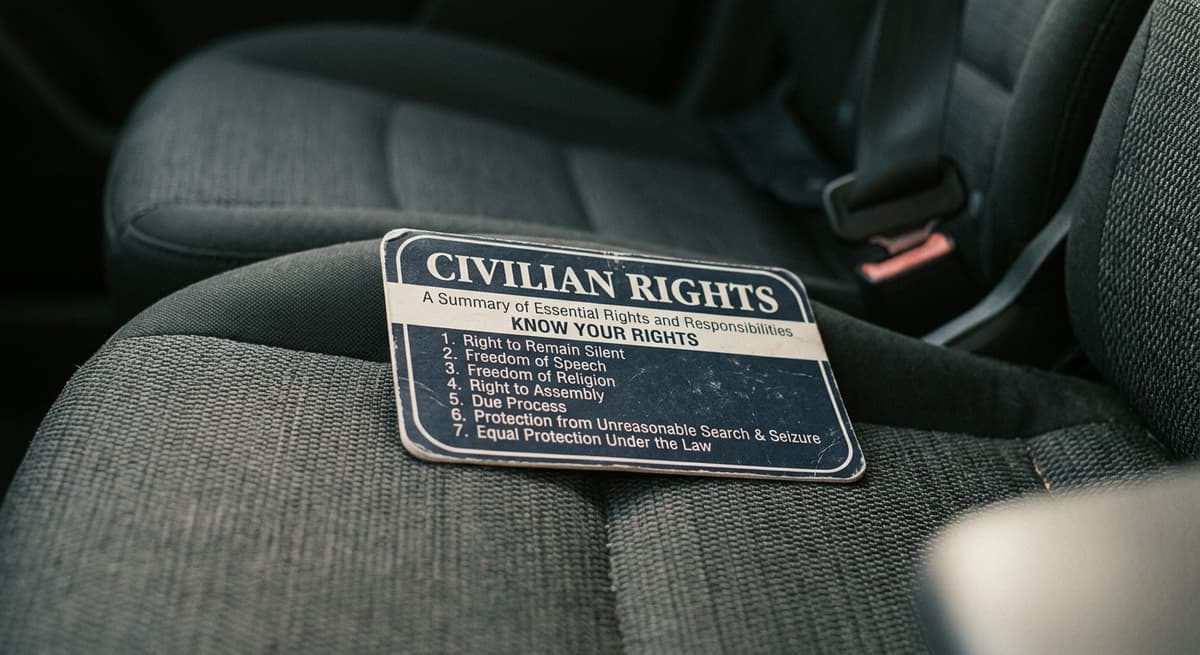
This section will grow to cover criminal records in their own guide. For now, the reporting guide below is the place to start.
What this section covers
The main guide in this section walks through making a police report step by step: How to make a police report in Singapore. It covers the online e-service and its limits, reporting in person, why i-Witness is not a police report, and the offence of making a false report.

More in this section: Criminal records and the spent regime.
Frequently Asked Questions
How do I report a crime in Singapore?
For an emergency, call 999. For a non-urgent matter, you can use the online police-report e-service, which requires a SingPass login, or report in person at a Neighbourhood Police Centre or Police Post. The online service does not cover traffic accidents, missing persons, or the loss of an NRIC or passport.
Is i-Witness the same as a police report?
No. i-Witness is a separate channel for passing on information about crime, and it is expressly not a police report. To have a matter formally recorded, you make a police report instead.
Is it an offence to make a false police report in Singapore?
Yes. Giving the police information you know to be false is an offence under section 182 of the Penal Code, punishable with up to 2 years’ imprisonment, a fine, or both.
Are criminal records public in Singapore?
No. A criminal record is held by the police and is not a public document that anyone can search. Access to it and the treatment of certain records are governed by law.
Sources and References
- Singapore Police Force, lodge a police report(police.gov.sg).gov
- Singapore Police Force, i-Witness(police.gov.sg).gov
- Penal Code 1871, sections 182 and 211(sso.agc.gov.sg).gov