
Netherlands
Noise Nuisance From Neighbours in the Netherlands (Geluidsoverlast)
Independently fact-checked against primary sources (last audited July 21, 2026). · 8 primary sources cited on this page. How we verify our legal content
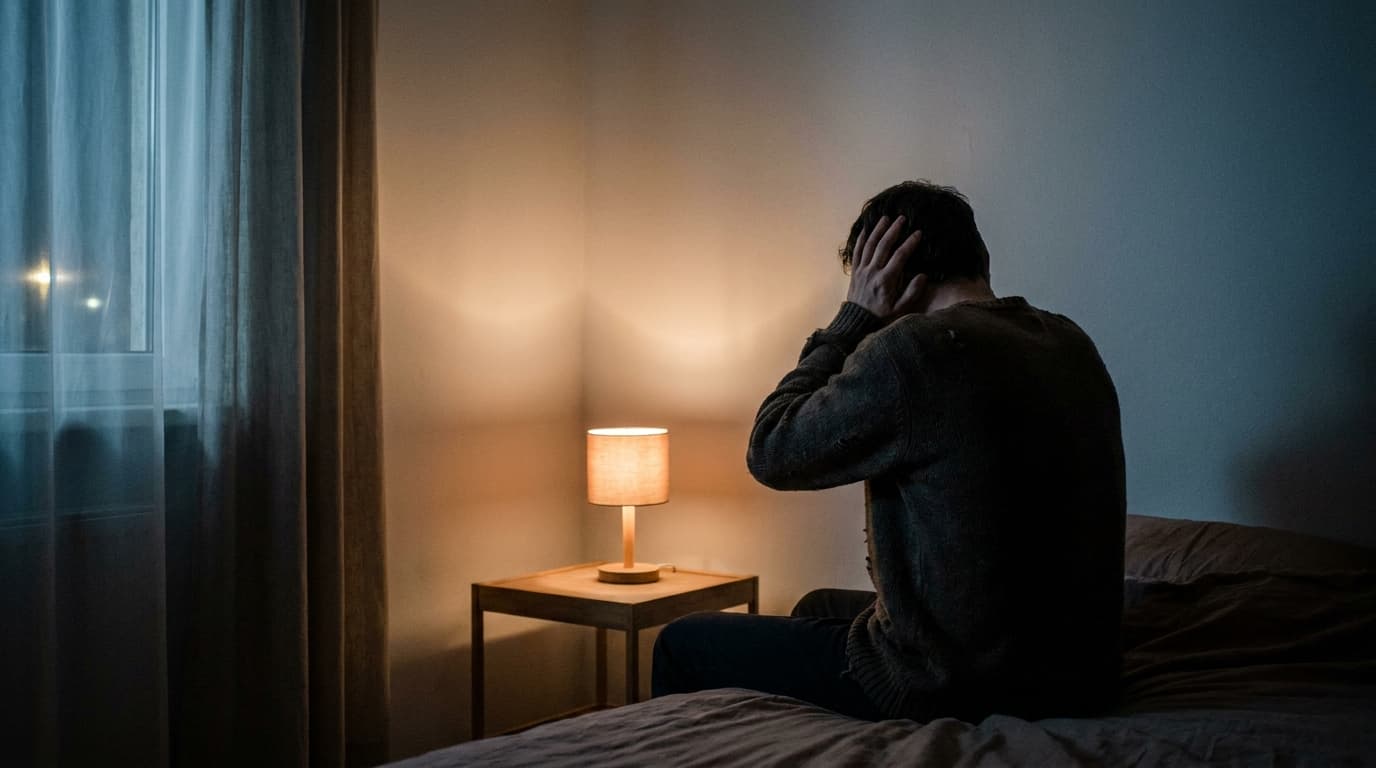
Noise from the flat above, the terrace next door or the workshop across the fence is the most common neighbour complaint in the Netherlands, and people search for it as geluidsoverlast buren. The law gives you a clear set of steps, and they work best in order. This page walks through them, and it also answers the quieter question on the other side of the wall: when your own household might be the one at risk of a nuisance claim.
Neighbour noise sits in two systems at once. The first is public: your municipality (gemeente) writes local nuisance rules into its ordinance, the Algemene Plaatselijke Verordening (APV), and enforces them. The second is private: the civil code lets a neighbour take unlawful nuisance (onrechtmatige hinder) to court. The trick is knowing which lever to pull, and when.
Information last verified on 22 July 2026. This page provides general legal information about Netherlands law and does not constitute legal advice in an individual case.
There is no single national noise limit
There is no single national limit a page can quote for neighbour noise or for fence height. Neighbour noise is governed by the local municipal ordinance (the Algemene Plaatselijke Verordening, APV) together with the civil nuisance test of artikel 5:37 and artikel 6:162 BW; fence rules combine artikel 5:42, 5:48 and 5:49 BW with the APV and the omgevingsvergunning. Because the APV differs per municipality, a nationwide figure would be wrong somewhere, so check your own gemeente.
This surprises people who expect a single decibel figure to point to. The national noise norms in the environmental rules apply to businesses and environmentally significant activities (milieubelastende activiteiten), not to one household disturbing another. For neighbours, the numbers that exist are local, set in the APV, and the civil test is an open standard rather than a fixed threshold.
So the honest answer to how many decibels are allowed is that it depends on your gemeente and on the circumstances. That is why the steps below matter more than any number.
Step one: talk to your neighbour
Most noise problems are not deliberate, and a calm conversation resolves a large share of them. Say clearly what bothers you, when it happens and what would help, for example quiet hours after a certain time. Many people genuinely do not know that their floor carries bass, that their dog barks while they are out, or that an extractor fan runs loud at night.
If a direct conversation is difficult, neighbourhood mediation (buurtbemiddeling) is usually free and is offered in most municipalities. A neutral volunteer helps both sides reach workable agreements, and a court later looks favourably on a party who tried it. It also creates a record that you raised the problem, which matters if the dispute escalates.
Step two: the gemeente and the APV
If talking does not work, report the nuisance to the gemeente. The APV is where a municipality sets its own noise rules, and enforcement officers (boa's, buitengewoon opsporingsambtenaren) can investigate, warn and fine. Structural, repeated nuisance is exactly what this route is built for.
Evidence carries this stage. Keep a dated log (logboek) of when the noise happens, how long it lasts and what kind it is, and note any witnesses. A gemeente acts on a documented pattern, not on a single bad night.
Step three: the politie for an acute disturbance
For noise happening right now, late at night, or with any threat to safety, call the politie on the non-emergency number, or 112 if it is an emergency. The police handle the immediate peace: they can attend, ask the noise to stop and record what they found. For a criminal matter you can also file a formal report (aangifte).
The police deal with the acute moment, not the underlying pattern. Once the night is over, the structural rules go back to the gemeente under the APV and, if needed, to the civil court.
If you rent: your landlord can act
If you rent, tell your landlord (verhuurder) as well as, or instead of, the gemeente. A landlord owes tenants quiet enjoyment of the property and can usually rely on a nuisance clause in the lease. Where both households rent from the same landlord or housing corporation, the landlord can address the offending tenant directly.
In a serious, persistent case a landlord can start proceedings against a tenant who causes a nuisance, up to and including ending the tenancy. Reporting the problem in writing, with your log attached, gives the landlord what it needs to act. A homeowners association (vereniging van eigenaren, vve) plays a similar role in an apartment building.
The civil route: unlawful nuisance under artikel 5:37 BW
The civil route for a neighbour dispute runs on two articles read together: artikel 5:37 BW forbids an owner from causing unlawful nuisance (onrechtmatige hinder) to neighbours, and it measures "unlawful" by artikel 6:162 BW, the general tort of onrechtmatige daad. Whether noise, smoke, odour or loss of light crosses the line depends on its nature, seriousness and duration and on the local circumstances, judged case by case.
In plain terms, artikel 5:37 BW does not set its own limit. It points to artikel 6:162 BW, the general law of wrongful acts, and asks whether the noise is unreasonable in the circumstances. A civil claim asks the court for an injunction (a verbod or bevel) ordering the noise to stop, and, where you have suffered loss, for damages (schadevergoeding).
Take a concrete example. A downstairs neighbour plays amplified music with heavy bass most nights until two in the morning, it has gone on for months, and repeated requests and a gemeente warning have not helped. Nightly, long-running, late-hour noise of a kind that is not normal for a quiet residential street is the pattern a court is most likely to call unlawful. A single loud party, by contrast, rarely clears the bar.
For how noise fits into the wider Boek 5 neighbour-law framework, see Dutch neighbour law, which maps every article and points to the page that owns it.
Am I at risk of a nuisance claim myself?
The same test runs in reverse. If you are the one making noise, whether a neighbour could succeed against you turns on the artikel 6:162 factors, judged together: the nature of the noise, its seriousness, how long it lasts, the time of day, and what is normal for the neighbourhood. None of these decides on its own.
Ordinary living sounds, children, an occasional party or daytime DIY, are part of normal residential life and are rarely unlawful. Nightly amplified music, a business run from a home, or building work at unreasonable hours is a different matter. Foreseeability counts too: noise you were warned about and did nothing to reduce weighs against you.
This is general information, not a verdict on any particular situation. Where the stakes are high, the sensible step is advice from an advocaat or from Het Juridisch Loket before matters reach court.
Which court decides
Most neighbour-law disputes are claims of undetermined value and are decided by the rechtbank, not the kantonrechter. The kantonrechter's "regardless of amount" rule covers tenancy, employment and consumer-sale cases (artikel 93 sub c Rv), not neighbour law, which is routed by value.
For a neighbour dispute that means the rechtbank in most cases, because an injunction to stop noise is a claim of undetermined value. The one situation that can go to the kantonrechter is a purely monetary claim of EUR 25,000 or less, for example damages for a specific, quantified loss. Do not assume the simpler kantonrechter route, because neighbour law has no regardless of amount rule the way tenancy and employment do.
When noise overlaps with a camera
Noise complaints sometimes arrive alongside a neighbour's doorbell or security camera, and the two are governed by completely different rules. Filming and audio recording between neighbours is a data-protection question under the AVG, not a nuisance question under Boek 5. For that, see our separate guide to a neighbour's security cameras.
Frequently Asked Questions
Is there a legal decibel limit for noisy neighbours in the Netherlands?
No single national limit exists. Noise between neighbours is governed by your municipality's local ordinance (the APV) together with the civil nuisance test of artikel 5:37 and artikel 6:162 BW, which is judged case by case. Check your own gemeente for any local figure or quiet hours.
What can I do about a noisy neighbour?
Start by talking to the neighbour, then report the nuisance to the gemeente, which enforces the APV through its enforcement officers (boa's). For an acute night-time disturbance call the politie. If you rent, tell your landlord as well, and consider free neighbourhood mediation (buurtbemiddeling).
Can I call the police about neighbour noise?
Yes. For an acute disturbance the politie can attend, ask the noise to stop and record a report. The police handle the immediate peace, while the structural nuisance rules sit with the gemeente under the APV and, ultimately, with the civil court.
My neighbour rents. Should I contact the landlord?
Often, yes. A landlord (verhuurder) owes tenants quiet enjoyment and can rely on a nuisance clause in the lease to address, or in a serious case start proceedings against, a tenant who causes a nuisance. In an apartment building the vereniging van eigenaren (vve) plays a similar role.
When does neighbour noise become unlawful nuisance?
Under artikel 5:37 BW, noise is unlawful when it is onrechtmatig within the meaning of artikel 6:162 BW. Courts weigh the nature, seriousness and duration of the noise, the time of day and the character of the area, judged case by case rather than against a set threshold.
Which court handles a neighbour noise dispute?
Most neighbour claims are of undetermined value and go to the rechtbank. A purely monetary claim of EUR 25,000 or less, such as damages for a specific loss, can go to the kantonrechter, but neighbour law has no regardless of amount rule of its own.
Am I at risk of a nuisance claim myself?
You can be, if your own noise crosses the artikel 6:162 line. The same factors apply: how loud, how long, at what hour, and whether it is normal for the neighbourhood. Renovation noise at midday is treated very differently from the same noise at three in the morning.
What about a neighbour's security camera that also records sound?
Camera and audio surveillance between neighbours is a separate data-protection question under the AVG, not a nuisance question under Boek 5. Our page on a neighbour's security cameras explains how the AVG and the household exemption apply.
Updates
Independently fact-checked against the cited primary sources
Sources and References
- Artikel 5:37 BW, onrechtmatige hinder(wetten.overheid.nl).gov
- Artikel 6:162 BW, onrechtmatige daad(wetten.overheid.nl).gov
- Artikel 93 Rv, bevoegdheid van de kantonrechter(wetten.overheid.nl).gov
- Artikel 94 Rv, samenhangende vorderingen(wetten.overheid.nl).gov
- Rijksoverheid, Wat moet ik doen bij burenoverlast?(rijksoverheid.nl).gov
- Rijksoverheid, Geluidsoverlast (regels en normen)(rijksoverheid.nl).gov
- Het Juridisch Loket, Last van uw buren? Dit kunt u doen (stappenplan)(juridischloket.nl).gov
- Het Juridisch Loket, Buren (burenrecht en overlast)(juridischloket.nl).gov