
Aangifte Smaad: Filing a Defamation Complaint in the Netherlands
Filing an aangifte for smaad: artikel 164 Sv makes a klacht an aangifte plus a request to prosecute, and artikel 66 Sr gives three months.
15 min read
68 articles · page 1 of 2
Filing an aangifte for smaad: artikel 164 Sv makes a klacht an aangifte plus a request to prosecute, and artikel 66 Sr gives three months.
Dutch alimentatie explained: the 4.6 per cent indexation for 2026 under artikel 1:402a BW, LBIO collection, changing an amount and the five year limit.

How the AVG works in the Netherlands: what the Uitvoeringswet AVG adds, what the Autoriteit Persoonsgegevens can do, your rights and the 72-hour rule.
How Dutch background checks work: Justis, the Wjsg, the two part refusal test, the 2026 fees and the objection route, all from primary sources.
Artikel 266 Sr on eenvoudige belediging: the three modalities, the openbare belangen exception in lid 2, the artikel 267 uplift and the fines.

What a Dutch VOG declares under artikel 28 Wjsg, what Justis reads, the objective and subjective refusal test, and the bezwaar and beroep route.
How the taakstraf works in the Netherlands: the 240-hour maximum, the taakstrafverbod, and substitute detention if the work is not completed.

Complaining to the Autoriteit Persoonsgegevens: tip versus klacht versus datalektip, the prior-contact rule, the real timelines and the artikel 35 route.

Dutch consumer and debt law: the kantonrechter forum rule (artikel 93 Rv), plus debt restructuring, incasso, loonbeslag, withdrawal and warranty.

Dutch defamation law runs on two independent routes: the criminal offences in Titel XVI Sr and a civil claim under artikel 6:162 BW.

How dismissal works in the Netherlands in 2026: the two cumulative conditions of artikel 7:669 lid 1 BW, the nine grounds a to i, the UWV and kantonrechter routes, and the opzegverboden.
Dutch drink-driving law: the 0,5 and 0,2 promille limits under artikel 8 WVW, the criminal penalties, and how a rijontzegging differs from the CBR track.
How Dutch traffic law works: the two enforcement tracks, why a Wet Mulder fine leaves no criminal record, and when an offence turns criminal.
Dutch drone rules explained: the open, specifiek and gecertificeerd categories, when RDW registration is triggered, no-fly zones, and how the AVG applies.

What a Dutch strafblad really is: the justitiële documentatie held in the JDS, what gets registered, how long it stays, and how to ask to see it.
Dutch DPA fined Uber EUR 824,990,000 on August 21, 2026 for violating GDPR Article 22 by deactivating driver accounts with no human review of the decision.
Artikel 4:13 BW gives a surviving spouse the whole estate and each child a money claim that is not yet payable. Accepting, rejecting and estate debts.

Erfbelasting 2026: the artikel 24 rates, the EUR 158,669 bracket, the 2026 vrijstellingen, the 80% surcharge on further-degree descendants, a calculator.
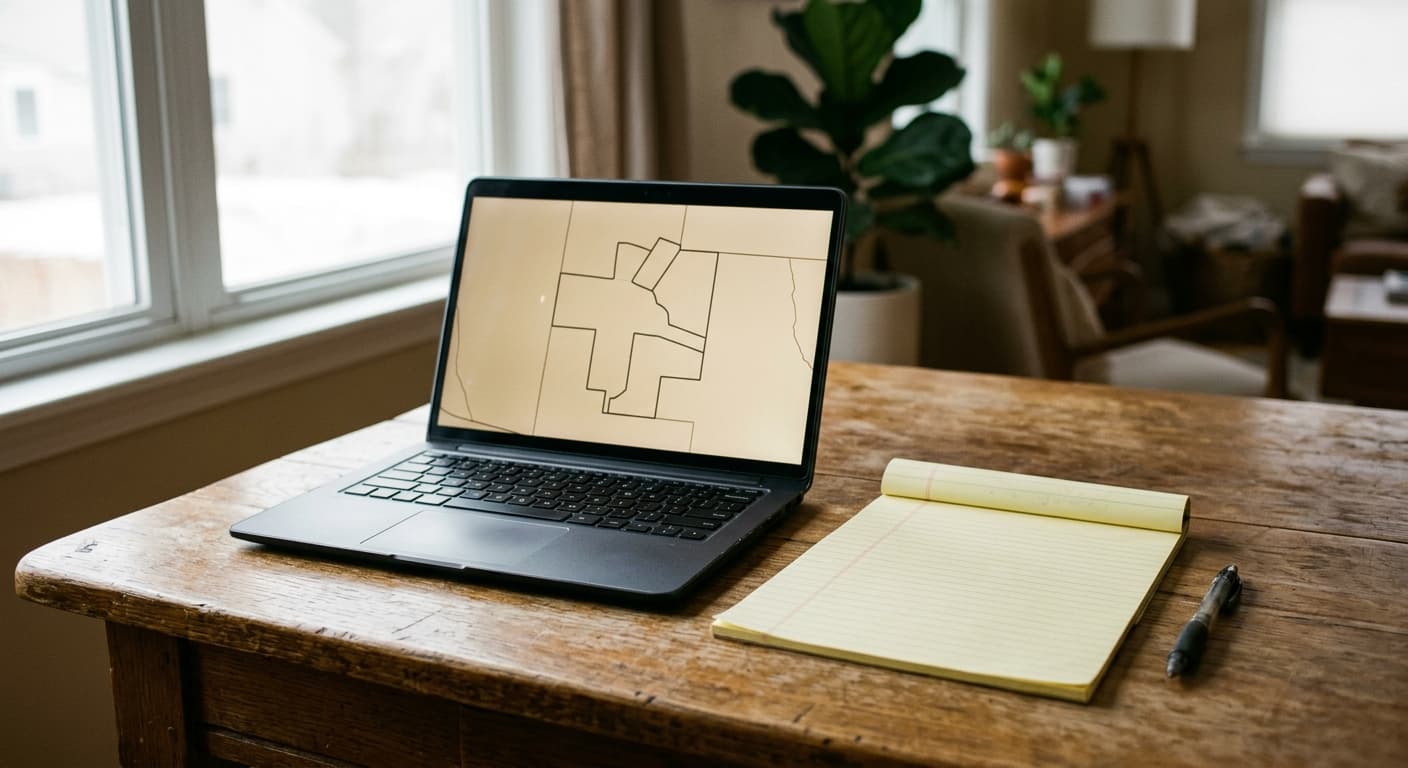
A map of Dutch neighbour law (burenrecht) in Boek 5 of the civil code: nuisance, boundaries, branches, fences, and which court decides a dispute.

The Dutch concurrentiebeding in 2026: what artikel 7:653 BW requires, the written motivation on fixed-term contracts, annulment and vergoeding, and why the reform is still only a wetsvoorstel.

Dutch notice periods in 2026: the artikel 7:672 BW employer scale of one to four months, the one month employee term, the UWV deduction, and what irregular notice costs.
Dutch severance pay 2026: the artikel 7:673 BW formula, the EUR 102,000 cap or twelve months' loon where higher, what counts as loon, worked examples.

Dutch sick pay in 2026: the 70 percent and 104 weeks of artikel 7:629 BW, the 52 week minimum wage floor, the loonsanctie third year, and who falls under the UWV Ziektewet instead.
Dutch speeding fines 2026: how the boete te hard rijden tariff works by speed and road type, the criminal threshold, and how to object.

How Dutch succession works: Boek 4 BW, the four groups of heirs, wills before a notaris, the verklaring van erfrecht and which authority decides what.

How a Dutch traffic fine works: the Wet Mulder, who pays a camera fine, the EUR 9 fee, how to object, and what late payment adds. No criminal record.

A Dutch will needs a notarial deed under artikel 4:94 BW. What a codicil may cover, why funeral wishes fall under the Wet op de lijkbezorging, and the CTR.

Dutch divorce in 2026: the single ground of duurzame ontwrichting, why an advocaat must sign, the ouderschapsplan and the six month registration deadline.

A map of Dutch employment law in 2026: why there is no at-will dismissal, the nine grounds in artikel 7:669 BW, the UWV and kantonrechter routes, notice periods, the transitievergoeding and the bedenktijd.

A map of Dutch family law in 2026: how each kind of relationship ends, how kinderalimentatie and partneralimentatie differ, and which body decides what.
Dutch fence rules: the right to enclose under artikel 5:48 BW, the 5:49 scheidsmuur, planting distances and why the height limit is set locally.
How to file a police report in the Netherlands: aangifte, melding and klacht under artikel 161 to 167 Sv, plus beklag to the gerechtshof.

How a VOG application works in 2026: why the organisation starts it, the digital and gemeente routes, EUR 33.85 and EUR 41.35, and the real deadlines.
Dutch eviction (huisuitzetting): a landlord cannot self-evict, only the kantonrechter and a gerechtsdeurwaarder can, and there is no winter eviction ban.
Dutch tenant protection (huurbescherming): security of tenure, notice periods under artikel 7:271 BW and the nine grounds a landlord needs to end a lease.
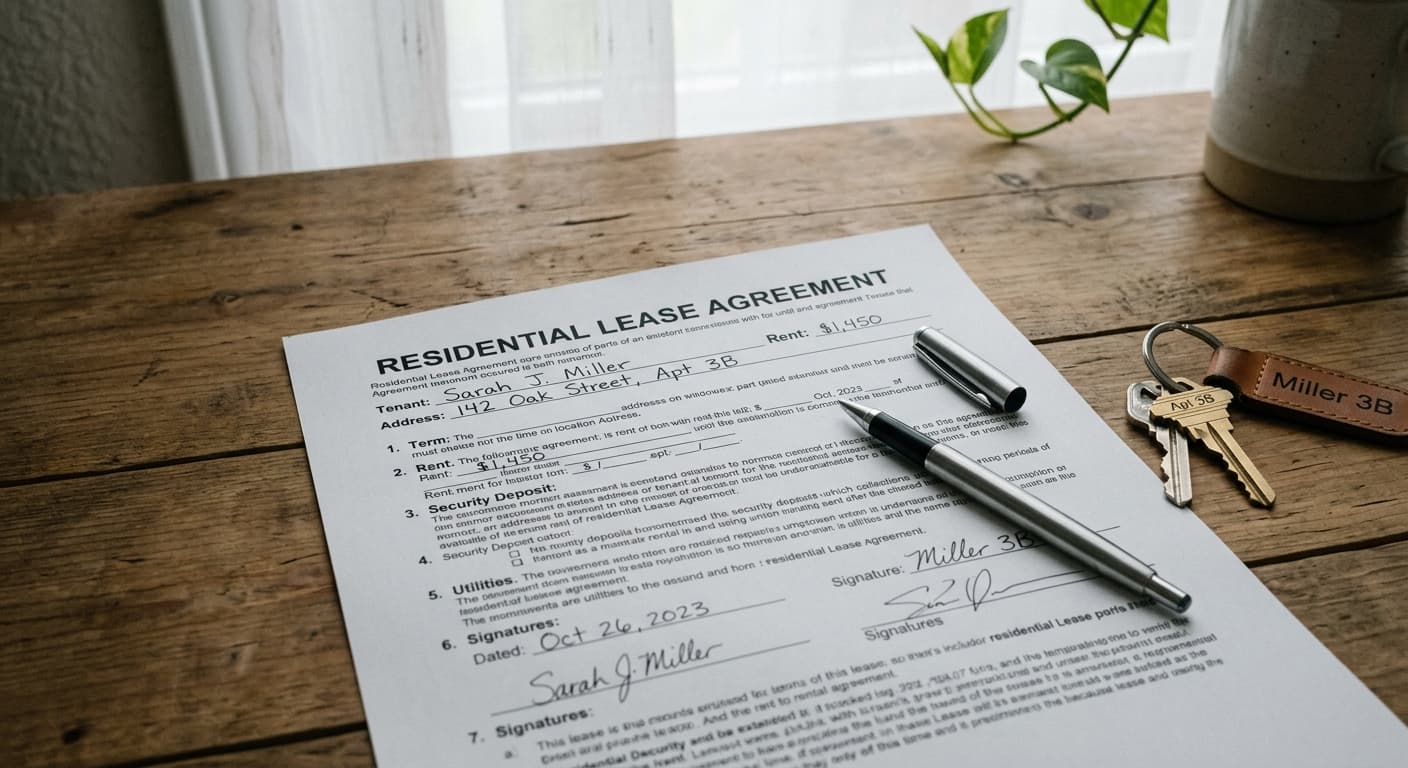
Huurcontract opzeggen: a tenant ends a Dutch lease with no reason under artikel 7:271 BW. The notice period, the form, and why a landlord needs a ground.
Dutch tenancy law (huurrecht) explained: Book 7 BW, self-contained vs room, the three 2026 rent segments, contract types, deposit and service charges.
Dutch debt collection (incasso): the 14-day aanmaning under artikel 6:96 BW and the Besluit BIK staffel, with its EUR 40 minimum and EUR 6,775 cap.
How Dutch child maintenance works in 2026: the duty in artikel 1:404 BW, the behoefte and draagkracht steps, and why the table amount is not the bill.
Dutch knife law under the Wet wapens en munitie: which knives are banned, which may be owned but not carried, penalties, and the pending national ban.
Only descendants are legitimarissen under artikel 4:63 lid 2 BW, never the spouse. The Dutch forced share is a claim in money and lapses after five years.
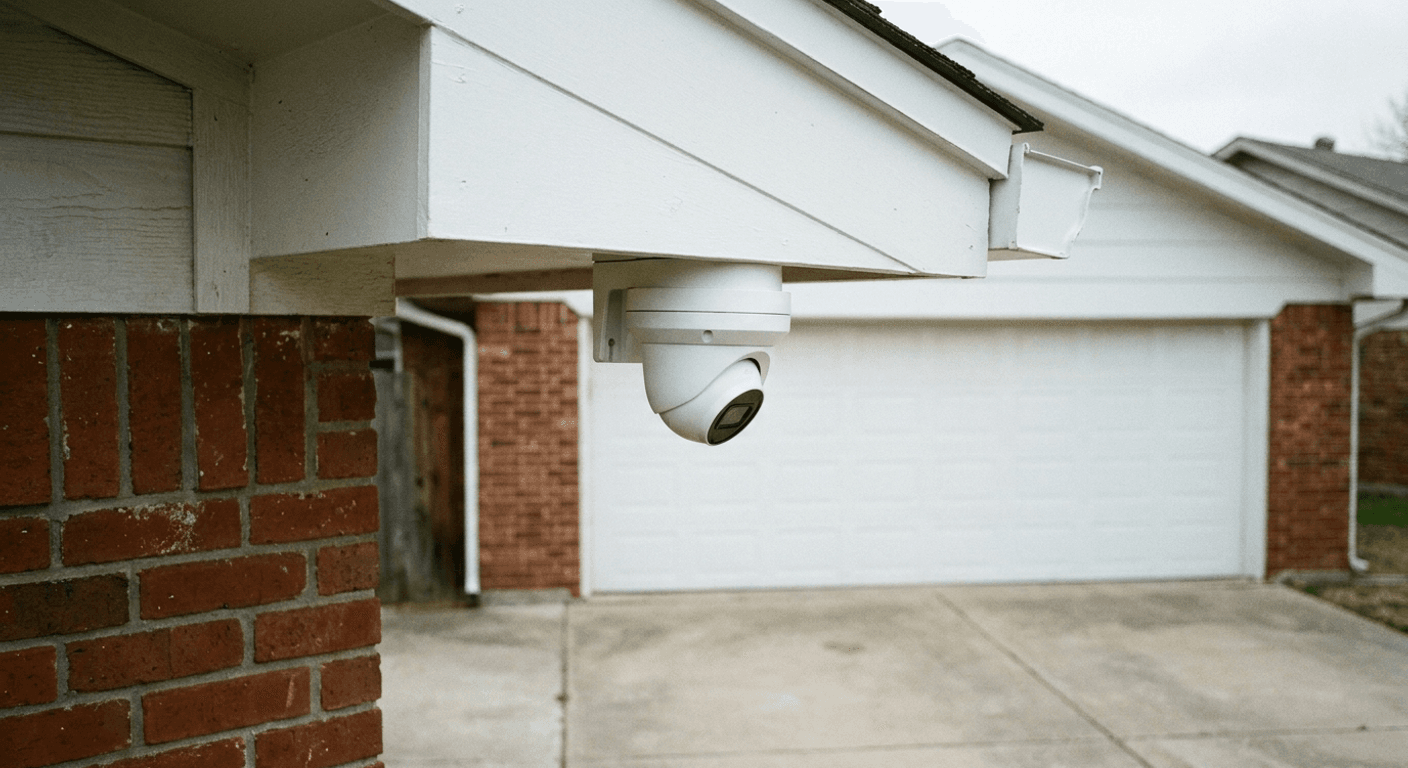
When a home camera loses the household exemption under artikel 2 lid 2 onder c AVG, the AP camera rules, and the civil route against a neighbour's camera.

Netherlands criminal law: filing a police report (aangifte), community service (taakstraf), and knife rules under the Wet wapens en munitie.
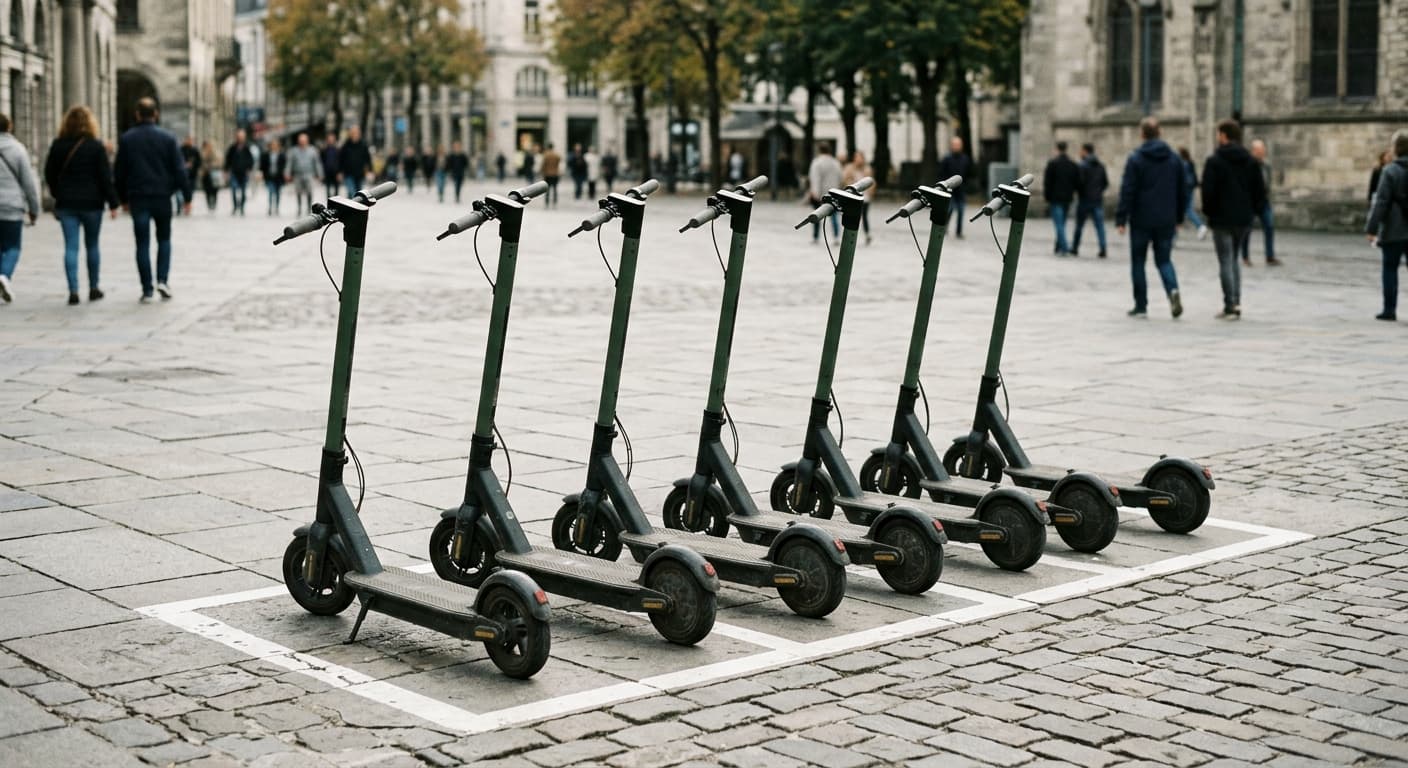
Most e-steps sold in Dutch shops are illegal in public. See the RDW approval, kenteken plate, WA insurance, age, helmet, and penalty rules for e-steps in the Netherlands.
How Dutch law is organised: the Boeken of the Burgerlijk Wetboek, which court decides what, how citations work, and the figures that reset each January.
How to deal with a noisy neighbour in the Netherlands: the gemeente and APV, the police, your landlord, and the civil nuisance test of artikel 5:37 BW.
Summary dismissal in the Netherlands (ontslag op staande voet): the three cumulative requirements of artikel 7:677 lid 1 BW, the dringende redenen a to l, the two month deadline and the WW consequence.

Overhanging branches under artikel 5:44 BW: demand removal, then cut the overhang after a written aanmaning. Encroaching roots need no warning.
How long Dutch partneralimentatie lasts: artikel 1:157 BW lid by lid, the three exceptions, the longest wins rule and the three month extension window.

Dutch privacy law runs on the AVG and the Uitvoeringswet AVG, supervised by the Autoriteit Persoonsgegevens. Which body decides what, and where to go.
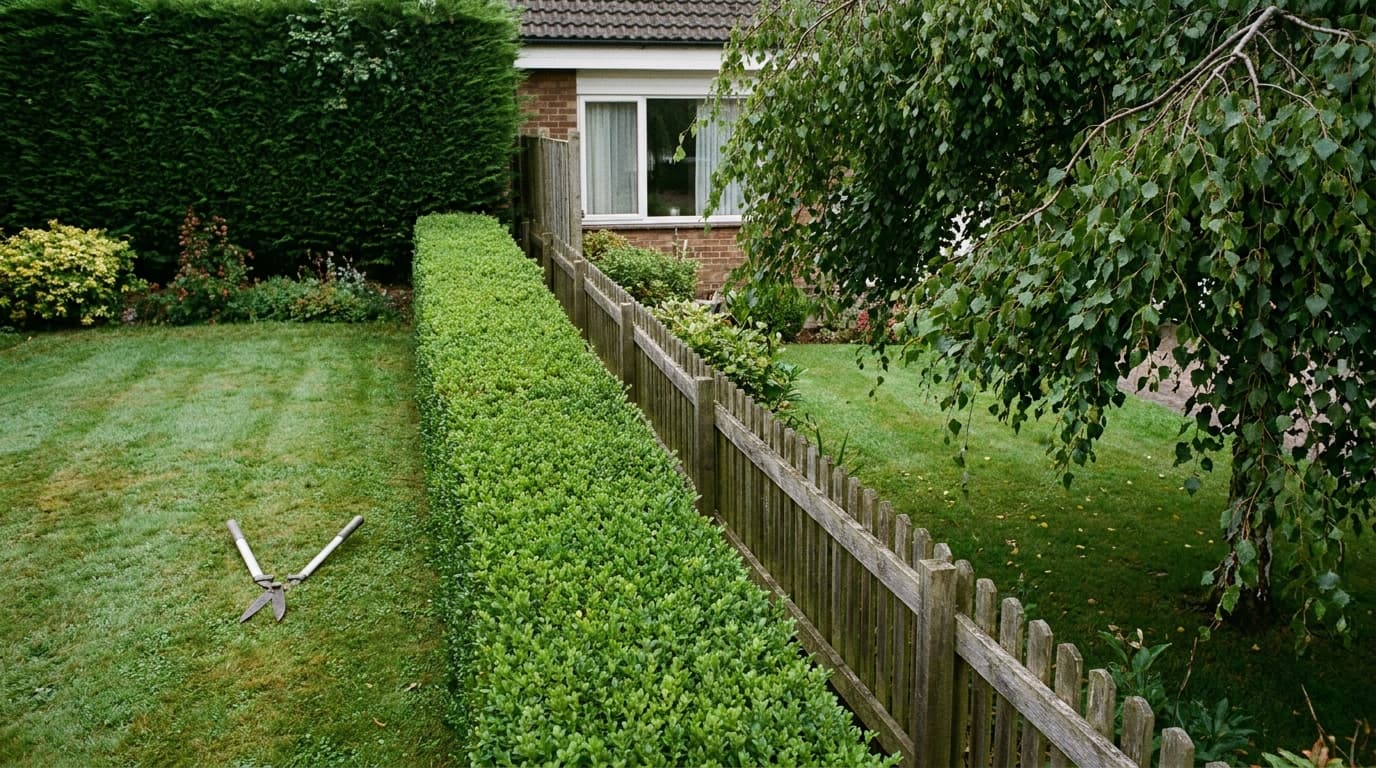
Dutch neighbour and property disputes: noise, boundaries, overhanging branches, and fences under burenrecht in Boek 5 of the civil code.

How Dutch law fixes a property boundary (erfgrens): artikel 5:46 and 5:47 BW, the Kadaster grensreconstructie and going to the rechtbank.
Dutch recording law runs on two tracks: the criminal offences in artikel 139a to 139g Sr, and the AVG, which applies from the moment of recording.
Dutch law on recording a conversation: only the recording limb of artikel 139a Sr requires you to be a non-participant. The camera and AVG limits.
Artikel 152 Rv leaves evidence free and its weight to the judge. How Dutch civil courts treat an unlawfully obtained recording, and when it is excluded.
The 2026 Dutch red-light fine is EUR 320 for a car (feitcode R602) plus EUR 9 admin. How the Wet Mulder fine works, who pays, and how to object.
The 2026 Dutch rent increase caps: 4.1 percent social, 6.1 percent middenhuur, 4.4 percent free sector, the two-month notice and how to object.
The Dutch 14-day right of withdrawal for online purchases: when it starts, the 12-month extension, the exceptions, and the 14-day refund rule.
How a Dutch driving ban (rijontzegging) works under artikel 179 WVW 1994, and how it differs from police seizure and the CBR fitness track.
Dutch debt restructuring (schuldsanering, WSNP): the 18-month term under artikel 349a Fw, the rechtbank admission test, and the schone lei at the end.