
Hawaii
Hawaii Landlord-Tenant Recording Laws: Surveillance and Privacy Rights
Independently fact-checked against primary sources (last audited August 15, 2026). · Reviewed by the RecordingLaw editorial team. · Law checked current as of August 15, 2026. · 6 primary sources cited on this page. How we verify our legal content
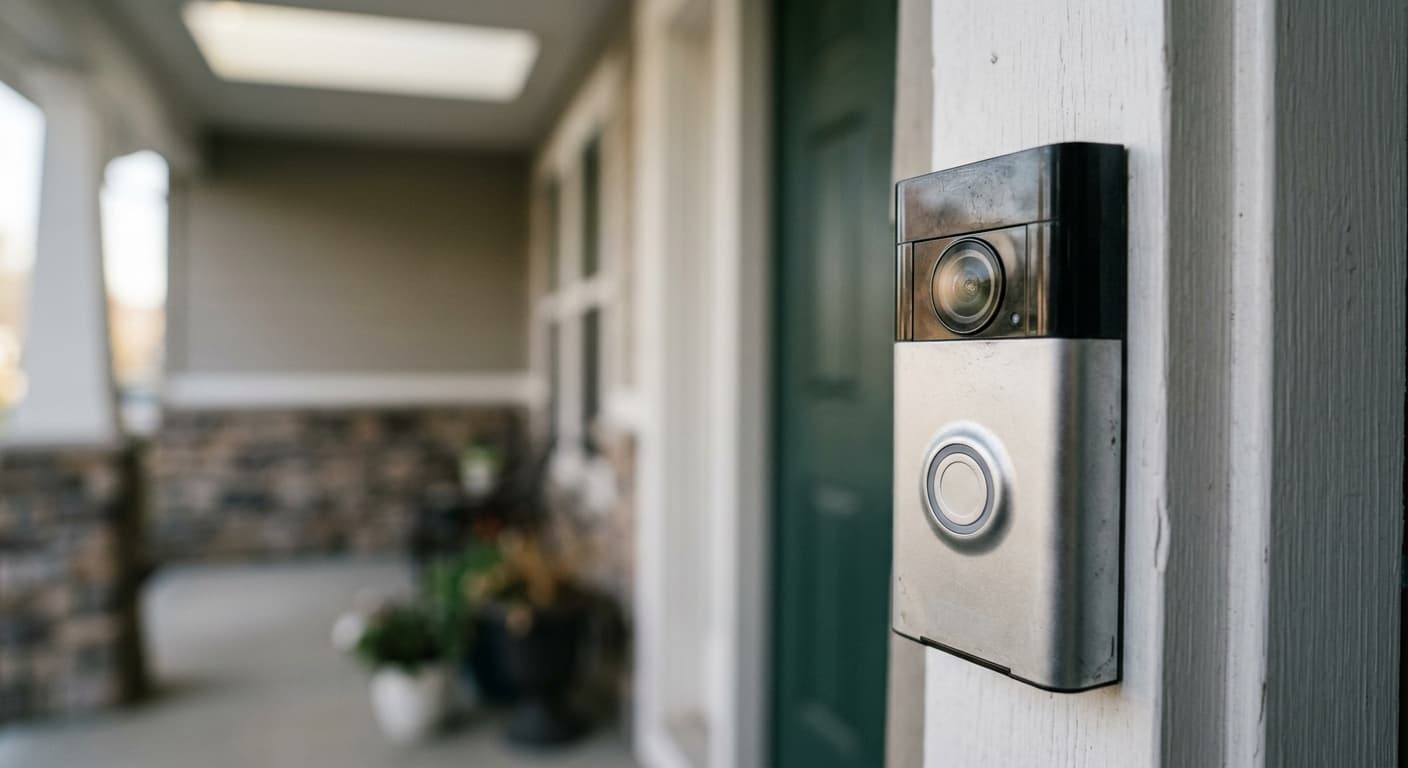
In Hawaii, tenants can record conversations with their landlord without notice under one-party consent (HRS 803-42), while landlords cannot place recording devices inside a rental unit without the tenant's consent because a rental unit qualifies as a private place under HRS 711-1111.
Hawaii's landlord-tenant recording laws sit at the intersection of the state's one-party consent wiretapping statute, its private places privacy law, and tenant rights protections. Both landlords and tenants need to understand when recording is legally permitted and when it crosses into criminal territory.
This guide covers when tenants can record interactions with landlords, what landlords can and cannot install in rental properties, the specific rules for common areas versus private units, and the penalties for violations.
How Hawaii's Recording Laws Apply to Rentals
The Two Key Statutes
Two statutes govern recording in rental settings:
HRS 803-42 (One-Party Consent): Hawaii's wiretapping statute allows any participant in a conversation to record it without informing the other parties. This applies to tenants recording conversations with landlords and to landlords recording conversations with tenants, as long as they are participants.
HRS 711-1111 (Private Places): A separate privacy statute prohibits installing or using recording devices in any "private place" without the consent of all persons entitled to privacy there. A rental unit is a private place, which creates significant restrictions on landlord surveillance inside tenant-occupied units.
What Makes a Rental Unit a "Private Place"
Hawaii's privacy statute chapter defines a private place as "a place where one may reasonably expect to be safe from casual or hostile intrusion or surveillance." A tenant's rental unit clearly qualifies as a private place under this definition. The tenant has exclusive rights to occupy and control the space, creating a strong expectation of privacy.
This means that regardless of who owns the property, a landlord cannot place recording devices inside a tenant's unit without the tenant's consent.
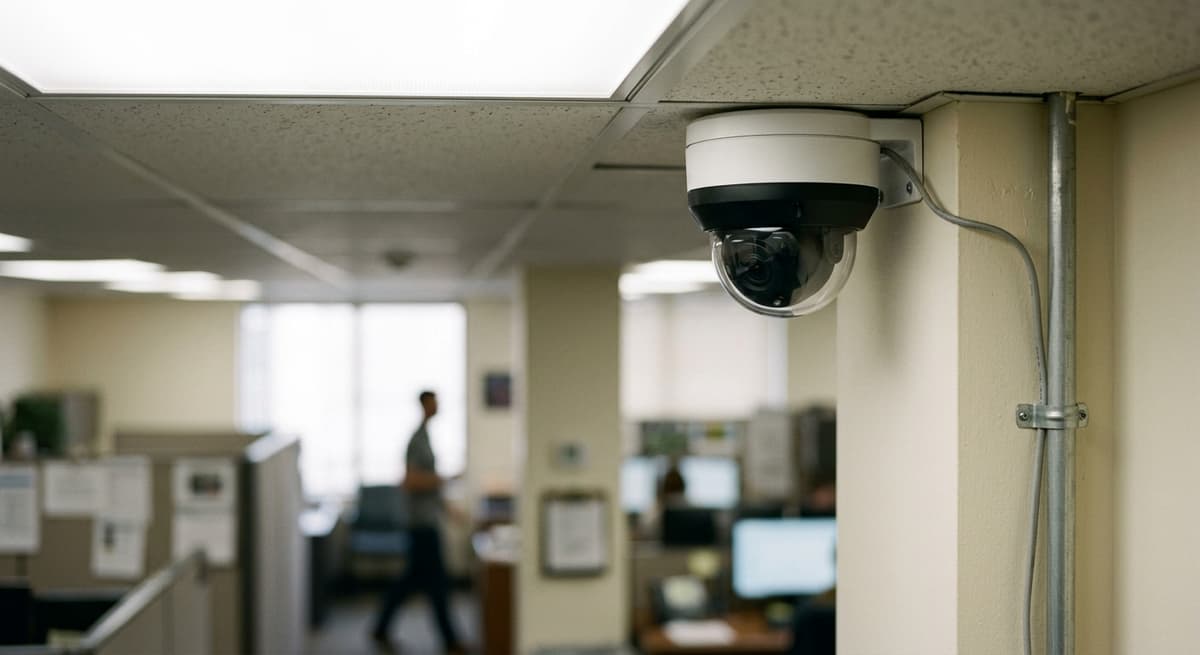
Tenant Recording Rights
Recording Conversations With Landlords
Under one-party consent (HRS 803-42), tenants can record conversations they participate in with their landlord, property manager, or maintenance staff without informing them. The Hawaii Supreme Court confirmed this one-party framework in State v. Okubo, 67 Haw. 197, 682 P.2d 79 (1984). This is valuable for documenting:
- Verbal agreements about repairs, upgrades, or lease modifications
- Harassment or intimidation by the landlord
- Illegal entry discussions or confrontations
- Lease term disputes and verbal commitments
- Maintenance requests and the landlord's response
- Move-in and move-out condition discussions
Recording Property Inspections
When a landlord conducts a lawful property inspection, the tenant who is present can record the inspection under one-party consent. Under HRS 521-53, landlords must provide at least two days' notice before entry for non-emergency inspections. Having a recording of the inspection can be valuable if disputes arise about the condition of the property.
Recording Neighbors in Common Areas
Tenants can record their own conversations in common areas of multi-unit buildings. However, covertly recording neighbors in their private units would violate HRS 711-1111.

Landlord Surveillance Rights
Common Areas
Landlords have broader rights to install surveillance cameras in common areas that are not private spaces:
- Building lobbies and entryways: Permitted for security purposes
- Hallways and corridors: Permitted with appropriate notice
- Parking lots and garages: Permitted for safety monitoring
- Laundry rooms: Permitted but should avoid capturing changing or intimate activities
- Mail rooms and package areas: Permitted for theft prevention
- Pool and recreational areas: Permitted in open common areas, not in changing rooms or bathrooms
What Landlords Cannot Do
Landlords cannot install or maintain recording devices in:
- Inside tenant units: Cameras or audio devices in a tenant's living space, bedroom, bathroom, or kitchen without explicit written consent
- Bathrooms and restrooms in common areas: These are private places regardless of location
- Anywhere intimate images could be captured: Any device that captures intimate images is subject to criminal liability under HRS 711-1110.9
Disclosure Requirements
While Hawaii does not have a specific statute requiring landlords to disclose security cameras in common areas, best practices include:
- Visible signage indicating camera surveillance in monitored areas
- Lease agreement disclosure of any surveillance systems
- Move-in documentation identifying all cameras on the property
Vacation Rentals and Short-Term Rentals
Special Considerations for STRs
Hawaii's active vacation rental market creates specific issues around recording. For short-term rentals (Airbnb, VRBO, etc.):
- Exterior cameras at entry points are generally permissible but should be disclosed in the listing
- Interior cameras of any kind that are not disclosed violate platform policies and may violate HRS 711-1111
- Hidden cameras inside a rental unit are illegal under HRS 711-1111 and potentially HRS 711-1110.9
Platform Rules vs. State Law
Rental platforms like Airbnb and VRBO have their own policies requiring disclosure of all cameras. Even if a camera might be technically permissible under state law (for example, a disclosed exterior doorbell camera), failing to disclose it in the listing can result in account suspension or removal from the platform. Hawaii state law and platform rules work together to require transparency about any recording devices at a rental property.
Criminal Penalties for Recording Violations in Rentals
Misdemeanor: HRS 711-1111
Installing or using a recording device inside a tenant's unit without consent is a misdemeanor under HRS 711-1111:
- Up to 1 year in jail
- Fines up to $2,000
- Court-ordered destruction of recordings
Felony: HRS 711-1110.9
If the recording involves intimate images (such as a camera placed in a bathroom or bedroom that captures intimate content), the offense escalates to a Class C felony under HRS 711-1110.9:
- Up to 5 years in prison
- Fines up to $10,000
- Possible sex offender registration
Felony: HRS 803-42
Installing a covert audio recording device inside a tenant's unit to intercept their conversations without any participant's consent is illegal interception under HRS 803-42, a Class C felony:
- Up to 5 years in prison
- Fines up to $10,000
Civil Damages: HRS 803-48
Tenants who are victims of illegal recording can pursue civil damages under HRS 803-48:
- Actual damages and profits from the violation
- Statutory damages of the greater of $100 per day or $10,000
- Attorney fees and costs
Tenant Remedies for Landlord Surveillance Violations
Immediate Steps for Tenants
If you discover unauthorized recording devices in your rental unit:
- Document the device with photographs without touching or moving it
- Contact local police to file a criminal complaint
- Preserve the evidence and let law enforcement handle the device
- Contact an attorney about civil remedies and lease termination options
Lease Termination Rights
Discovery of unauthorized surveillance devices in a rental unit may constitute a material breach of the lease, potentially allowing the tenant to terminate the tenancy without penalty. Hawaii's Residential Landlord-Tenant Code (HRS Chapter 521) provides remedies for landlord violations.
Remediation and Damages
In addition to criminal charges, tenants may pursue:
- Civil invasion of privacy claims under Hawaii common law
- Intentional infliction of emotional distress for particularly egregious violations
- Lease termination with return of security deposit
- Moving costs and temporary housing if the violation makes continued occupancy untenable
Practical Guidance for Both Parties
For Tenants
- Record conversations with your landlord about important matters. Store recordings safely with dates and notes about the context.
- Use your recording as documentation for small claims court if disputes arise over deposits, repairs, or lease terms.
- Look for disclosure of cameras in common areas. If you find undisclosed devices in your unit, contact police immediately.
- Understand the limits: You can record conversations you participate in, but planting a device in another tenant's apartment is illegal.
For Landlords
- Never install cameras inside tenant units without explicit written consent from the tenant.
- Disclose all cameras on the property in the lease agreement and in rental listings.
- Keep cameras in common areas visible and positioned to avoid capturing private activities.
- Consult an attorney before implementing any new surveillance measures in a rental property.
Federal Developments
Hawaii's election deepfake law, Act 191 SLH 2024, was permanently enjoined as facially unconstitutional in Babylon Bee LLC v. Lopez, No. 1:25-cv-00234 (D. Haw. Jan. 30, 2026) (Park, J.). The federal TAKE IT DOWN Act (effective May 19, 2026) imposes notice-and-takedown obligations on platforms for non-consensual intimate images. While these laws primarily affect digital content sharing, landlords and tenants using recording devices should be aware of the broader legal context for how recordings may be used or distributed.
More Hawaii Recording Laws
Audio Recording | Video Recording | Voyeurism and Hidden Cameras | Workplace Recording | Recording Police | Phone Call Recording | Security Cameras | Recording in Public | Landlord-Tenant Recording | Dashcam Laws | School Recording | Medical Recording
More Hawaii Recording Topics
More Hawaii Laws
Frequently Asked Questions
Can my landlord put cameras inside my apartment in Hawaii?
No. A rental unit is a private place under HRS 711-1111, and your landlord cannot install recording devices inside your unit without your consent. Cameras placed inside a rental unit without consent are a misdemeanor offense, and cameras that capture intimate images are a Class C felony under HRS 711-1110.9.
Can I record conversations with my landlord in Hawaii?
Yes. Under Hawaii's one-party consent law (HRS 803-42), you can record any conversation you participate in with your landlord, property manager, or maintenance staff without informing them. This includes in-person conversations, phone calls, and discussions during property inspections.
Are security cameras in common areas of my building legal in Hawaii?
Yes. Landlords can install security cameras in common areas like lobbies, hallways, parking lots, and laundry rooms. Cameras must not be placed in bathrooms, locker rooms, or other private areas. Best practice is for landlords to disclose camera locations in the lease.
What should I do if I find a hidden camera in my rental unit?
Document the device with photos without touching it, then contact local police to file a criminal complaint. Installing hidden cameras in a rental unit violates HRS 711-1111 (misdemeanor) or HRS 711-1110.9 (felony if intimate images are captured). You may also have civil remedies including claims for damages and possible lease termination.
Do vacation rental hosts need to disclose cameras in Hawaii?
Yes. Hidden cameras inside a vacation rental unit violate HRS 711-1111. Hosts should disclose all cameras in rental listings. Exterior cameras at entry points are generally permissible if disclosed. Interior cameras of any kind that are not disclosed to guests are illegal under Hawaii law.
Updates
Independently fact-checked against the cited primary sources; governing law re-checked for recent changes
Corrected the misattributed 'private place' definition: it does not appear in HRS 711-1111 (which defines only 'intimate areas' and 'public place'), so the quote is now attributed generically to Hawaii's privacy statute chapter instead of to the wrong section.
Governing law re-checked for recent changes
Reviewed and approved by an editor
The Law Behind This Article
This article rests on the statutory provisions below, held in our own legal record and retrieved from the official source. Tap a section to read the operative text.
Hawaii Revised Statutes, Chapter 711: OFFENSES AGAINST PUBLIC ORDER
§ 711-1111Violation of privacy in the second degreeIn forcecited in 19 of our articles
(1) A person commits the offense of violation of privacy in the second degree if, except in the execution of a public duty or as authorized by law, the person intentionally: (a) Trespasses on property for the purpose of subjecting anyone to eavesdropping or other surveillance in a private place; (b) Peers or peeps into a window or other opening of a dwelling or other structure adapted for sojourn or overnight accommodations for the purpose of spying on the occupant thereof or invading the privacy of another person with a lewd or unlawful purpose, under circumstances in which a reasonable person in the dwelling or other structure would not expect to be observed; (c) Trespasses on property for the sexual gratification of the actor; (d) Installs or uses, or both, in any private place, without consent of the person or persons entitled to privacy therein, any means or device for observing, recording, amplifying, or broadcasting sounds or events in that place other than another person in a stage of undress or sexual activity; provided that this paragraph shall not prohibit a person from making a video or audio recording or taking a photograph of a law enforcement officer while the…
Official text (excerpt) · last checked 2026-08-31 · Read the full text in our law library · Verify at capitol.hawaii.gov
Cited in 10 court opinions in our collectionLatest citing opinion in our collection: 2026
In the courts (editorial summary, independently checked):Hawaii decisions have construed HRS 711-1111 mainly alongside neighboring statutes. State v. Kaakimaka (2026) read subsections (1)(d) and (1)(e) as an inside and outside pair while construing the first-degree offense. State v. Lee (1984) treated 711-1111(1) as drawn from Model Penal Code 250.12 in reading the wiretap statute.
Opinions citing this section in our collection:
- State v. Lee (Hawaii Supreme Court 1984, 67 Haw. 307)✓An undercover officer wearing a recorder taped conversations in a doctor's private office; construing the wiretap consent provision drawn from HRS 711-1111(1)(b) and (c), the court held a body-worn device is not an "installation" in a private place, so the tapes were admissible.
- State v. Kaakimaka (Hawaii Supreme Court 2026)“…711-1110.9 and second degree violation of privacy under HRS § 711-1111 (2014 & Supp. 2025) convinces me that…”
- State v. Lester (Hawaii Supreme Court 1982, 64 Haw. 659)“…The Code provision covering wiretapping and eavesdropping, HRS § 711-1111, permits "consensual eavesdropping".…”
Identified automatically from the court opinions citing this section — not a ranking of which case controls.
Also relied on in: Hawaii Recording Laws (2026): Hybrid Consent State Rules, Hawaii Smart Glasses Recording Laws (2026), Hawaii Audio Recording Laws: One-Party Consent Rules and Penalties
§ 711-1110.9Violation of privacy in the first degreeIn forcecited in 16 of our articles
(1) A person commits the offense of violation of privacy in the first degree if, except in the execution of a public duty or as authorized by law: (a) The person intentionally or knowingly installs or uses, or both, in any private place, without consent of the person or persons entitled to privacy therein, any device for observing, recording, amplifying, or broadcasting another person in a stage of undress or sexual activity in that place; (b) The person knowingly discloses or threatens to disclose an image or video of another identifiable person either in the nude, as defined in section 712‑1210, or engaging in sexual conduct, as defined in section 712-1210, without the consent of the depicted person, with intent to harm substantially the depicted person with respect to that person's health, safety, business, calling, career, education, financial condition, reputation, or personal relationships or as an act of revenge or retribution; or (c) The person intentionally creates or discloses or threatens to disclose an image or video of a composite fictitious person depicted in the nude as defined in section 712-1210, or engaged in sexual conduct as defined in section 712-1210, that…
Official text (excerpt) · last checked 2026-09-03 · Read the full text in our law library · Verify at capitol.hawaii.gov
Cited in 7 court opinions in our collectionLatest citing opinion in our collection: 2026
In the courts (editorial summary, independently checked):Hawaii courts have construed HRS 711-1110.9 in the Kaakimaka litigation. State v. Kaakimaka (2026) held subsection (1)(a) requires the device, or the person using it, to be inside the private place, and reversed a conviction where the phone stayed outside. A 2025 Kaakimaka opinion upheld the charge as drawn.
Opinions citing this section in our collection:
- State v. Kaakimaka (Hawaii Supreme Court 2026)✓A man stood outside a vacation home and aimed his phone at a bathroom window where a 15-year-old was showering; the court held the statute requires the device or the person using it to be inside the private place, found the evidence insufficient, and reversed the conviction.
- State v. Kaakimaka. ICA s.d.o., filed 01/31/2025 [ada], 155 Haw. 297. Opinion by Hiraoka, J. Concurring in Part and Dissenting in Part. Opinion by Guidry J. Concurring in Part and Dissenting in Part. Application for Writ of Certiorari, filed 05/16/2025. S.Ct. Order Accepting Application for Writ of Certiorari, filed 06/23/2025. S.Ct. Amended Order Accepting Application for Writ of Certiorari, filed 06/23/2025 [ada]. (Hawaii Supreme Court 2025)✓Charged with recording a girl showering, the defendant argued his indictment was defective because it did not define "private place"; the court held that term is an attendant circumstance whose statutory definition need not be alleged, and upheld the charge.
- State v. Olive (Hawaii Intermediate Court of Appeals 2025)“…and (b). These offenses are classified as Class C felonies. HRS § 711-1110.9(2) (2014 & 2018 Supp.). HR…”
Identified automatically from the court opinions citing this section — not a ranking of which case controls.
Also relied on in: Hawaii Laws on Recording in Public: Your Rights in Public Spaces, Hawaii School Recording Laws: Student Privacy, FERPA, and Classroom Rules (2026), Hawaii Security Camera Laws: Residential and Business Surveillance Rules
Hawaii Revised Statutes, Chapter 521: RESIDENTIAL LANDLORD-TENANT CODE
§ 521-53AccessIn force
(a) The tenant shall not unreasonably withhold the tenant's consent to the landlord to enter into the dwelling unit in order to inspect the premises; make necessary or agreed repairs, decorations, alterations, or improvements; supply services as agreed; or exhibit the dwelling unit to prospective purchasers, mortgagees, or tenants. (b) The landlord shall not abuse this right of access nor use it to harass the tenant. Except in case of emergency or where impracticable to do so, the landlord shall give the tenant at least two days notice of the landlord's intent to enter and shall enter only during reasonable hours. (c) The landlord shall have no other right of entry, except by court order, unless the tenant appears to have abandoned the premises, or as permitted by section 521-70(b). [L 1972, c 132, pt of §1; gen ch 1985]
Official text (excerpt) · last checked 2026-07-30 · Read the full text in our law library · Verify at capitol.hawaii.gov
Cited in 3 court opinions in our collectionLatest citing opinion in our collection: 2025
Opinions citing this section in our collection:
- Ryan v. Herzog. (Hawaii Supreme Court 2018, 418 P.3d 619)“…ice to 1 Abuse of access is prohibited by HRS § 521-53(b)(2006), which provides that “[t]he la…”
- Cedillos v. Masumoto. (Hawaii Supreme Court 2015, 136 Haw. 430)“…[Cedillos’s] rental premises, in violation of HRS 521-53, and demanded that [Cedil…”
- Ginoza v. Molina (Hawaii Intermediate Court of Appeals 2025)“…I); (3) violations of the Residential Landlord-Tenant Code, HRS § 521-53 (Count III); and (4) breach of agreemen…”
Identified automatically from the court opinions citing this section — not a ranking of which case controls.
Hawaii Revised Statutes, Chapter 803: ARRESTS, SEARCHES, SEARCH WARRANTS
§ 803-42Interception, access, and disclosure of wire, oral, or electronic communications, use of pen register, trap and trace device, and mobile tracking device prohibitedIn forcecited in 20 of our articles
(a) Except as otherwise specifically provided in this part, any person who: (1) Intentionally intercepts, endeavors to intercept, or procures any other person to intercept or endeavor to intercept, any wire, oral, or electronic communication; (2) Intentionally uses, endeavors to use, or procures any other person to use or endeavor to use any electronic, mechanical, or other device to intercept any wire, oral, or electronic communication when: (A) Such a device is affixed to, or otherwise transmits a signal through, a wire, cable, or other similar connection used in wire communication; or (B) Such a device transmits communications by radio, or interferes with the transmission of such communication; (3) Intentionally discloses, or endeavors to disclose, to any other person the contents of any wire, oral, or electronic communication, knowing or having reason to know that the information was obtained through the interception of a wire, oral, or electronic communication in violation of this part; (4) Intentionally uses, or endeavors to use, the contents of any wire, oral, or electronic communication, knowing or having reason to know that the information was obtained through the…
Official text (excerpt) · last checked 2026-08-28 · Read the full text in our law library · Verify at capitol.hawaii.gov
Cited in 14 court opinions in our collectionLatest citing opinion in our collection: 2026
In the courts (editorial summary, independently checked):State v. Lo (1983) held HRS 803-42(b)(3) barred police from secretly installing recording devices in a hotel room even though one participant consented, and suppressed the evidence. State v. Lee (1984) held a recorder worn by a consenting participant is not an installation in a private place, so no violation.
Opinions citing this section in our collection:
- State v. Lo (Hawaii Supreme Court 1983, 66 Haw. 653)✓Agents wired a hotel room and recorded a doctor lured there by a cooperating patient; the Hawaii Supreme Court held the statute bars installing a recording device in any private place without the consent of those entitled to privacy, and affirmed suppression.
- State v. Okubo (Hawaii Supreme Court 1984, 67 Haw. 197)✓Police recorded roughly forty bribery conversations using body recorders and phone taps with the participating officers' consent; the Hawaii Supreme Court found the consensual monitoring valid under the statute and the state constitution.
- State v. Lee (Hawaii Supreme Court 1984, 67 Haw. 307)✓An officer posing as a patient wore a recorder into a doctor's private office; the Hawaii Supreme Court held a device worn on a participant's body is not an installation in a private place, so the statute was not violated, distinguishing Lo.
Identified automatically from the court opinions citing this section — not a ranking of which case controls.
Also relied on in: Hawaii Laws on Recording Police: Your Rights Under Act 164, Hawaii Video Recording Laws: Privacy Rules and Consent Requirements, Hawaii Medical Recording Laws: Patient Rights, HIPAA, and Consent Rules (2026)
§ 803-48Recovery of civil damages authorizedIn forcecited in 13 of our articles
Any person whose wire, oral, or electronic communication is accessed, intercepted, disclosed, or used in violation of this part shall[:] (1) Have a civil cause of action against any person who accesses, intercepts, discloses, or uses, or procures any other person to access, intercept, disclose, or use the communications[;] and (2) Be entitled to recover from any such person: (A) The greater of[:] (i) The sum of the actual damages suffered by the plaintiff and any profits made by the violator as a result of the violation[;] or (ii) Statutory damages of the greater of $100 a day for each day of violation or $10,000; (B) Punitive damages, where appropriate; and (C) A reasonable attorney's fee and other litigation costs reasonably incurred. The aggrieved person may also seek and be awarded such preliminary, and other equitable or declaratory relief as may be appropriate. A good faith reliance on a court order shall constitute a complete defense to any civil action brought under this part. [L 1978, c 218, pt of §2; am L 1986, c 303, §8; am L 1989, c 164, §10; am L 2006, c 200, pt of §4]
Official text (excerpt) · last checked 2026-07-30 · Read the full text in our law library · Verify at capitol.hawaii.gov
Also relied on in: Hawaii AI Meeting Recording Laws (2026), Hawaii Surveillance Camera Laws: Complete 2026 Guide, Hawaii Dashcam Laws: Recording Rules, Audio Consent, and Legal Limits (2026)
Search our full record of US law — 2.1 million sections, every state + federal →
Sources and References
- Hawaii Revised Statutes 711-1111 - Violation of Privacy in the Second Degree(capitol.hawaii.gov).gov
- Hawaii Revised Statutes 711-1110.9 - Violation of Privacy in the First Degree(capitol.hawaii.gov).gov
- Hawaii Revised Statutes 803-42 - Interception of Communications(capitol.hawaii.gov).gov
- Hawaii Revised Statutes 803-48 - Recovery of Civil Damages(capitol.hawaii.gov).gov
- Hawaii Residential Landlord-Tenant Code (Chapter 521)(capitol.hawaii.gov).gov
- Hawaii Revised Statutes 521-53 - Landlord Access(capitol.hawaii.gov).gov