
Pennsylvania
Pennsylvania Landlord-Tenant Recording and Surveillance Laws (2026)
Independently fact-checked against primary sources (last audited August 22, 2026). · Reviewed by the RecordingLaw editorial team. · Law checked current as of August 22, 2026. · 5 primary sources cited on this page. How we verify our legal content
Pennsylvania requires all-party consent to record conversations between landlords and tenants under 18 Pa.C.S. 5703, making secret audio recording a felony for either party. Landlords may install silent video cameras in common areas but cannot place any camera inside a rental unit; 18 Pa.C.S. 7507.1 adds criminal liability for recording tenants in states of nudity.
Pennsylvania landlord-tenant recording law governs what both parties can and cannot do when it comes to surveillance cameras, audio recording, and privacy in rental properties. The state's strict all-party consent wiretapping law and its invasion of privacy statute create strong protections for tenant privacy while allowing reasonable security measures in common areas. This guide covers the complete legal framework for landlord-tenant recording in Pennsylvania in 2026.
Landlord Surveillance: Where Cameras Can and Cannot Go
Pennsylvania landlords have a legitimate interest in securing their rental properties, but the law places firm limits on where surveillance cameras can be installed.
Permitted Camera Locations
Landlords can install silent video surveillance cameras in:
- Building entrances and exits: Main doors, emergency exits, and service entrances
- Lobbies and reception areas: Common entry points that all tenants use
- Hallways and stairwells: Shared corridors throughout the building
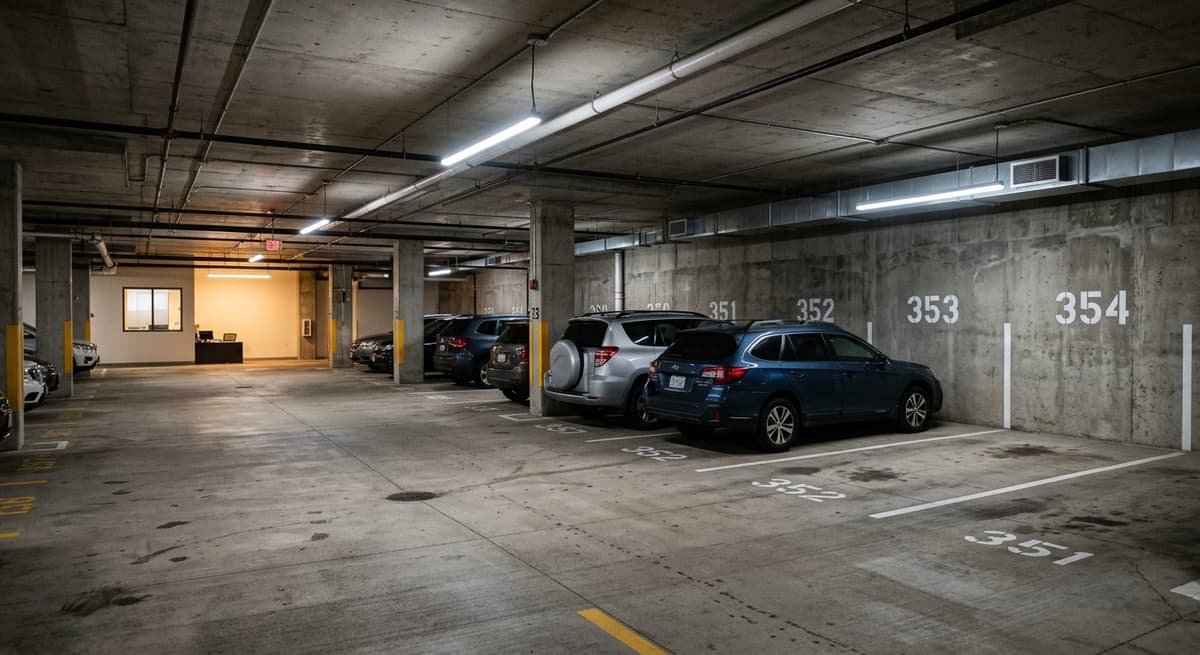
- Parking lots and garages: Vehicle storage areas associated with the property
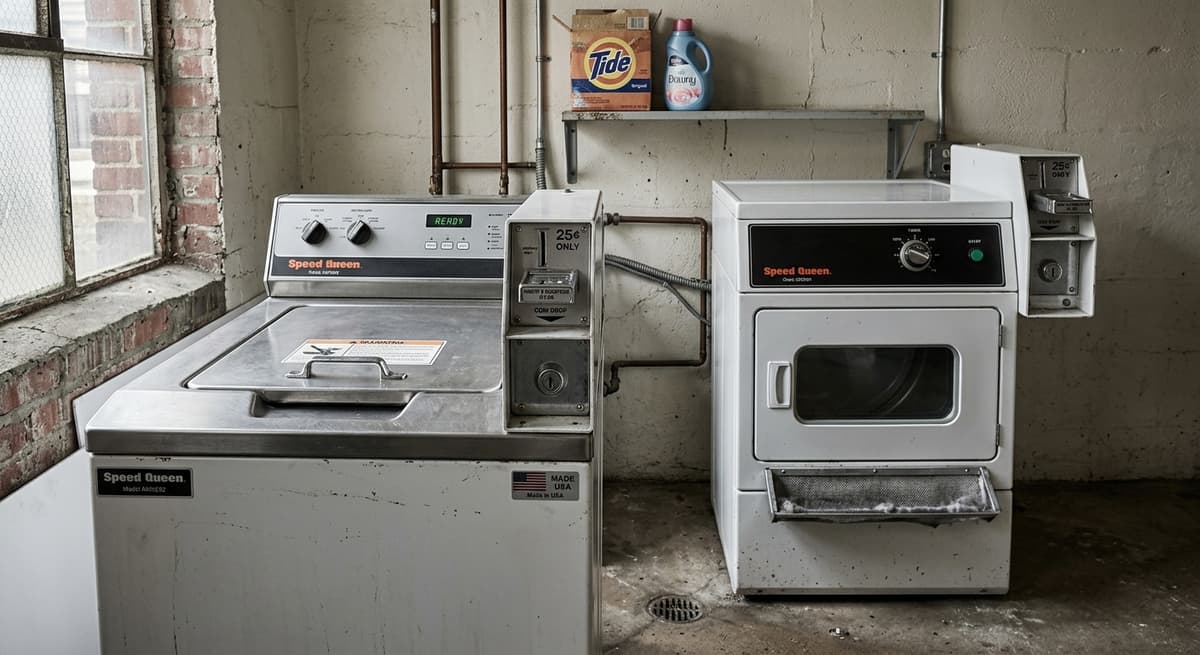
- Laundry rooms: Shared laundry facilities
- Exterior grounds: Building perimeter, walkways, and shared outdoor areas
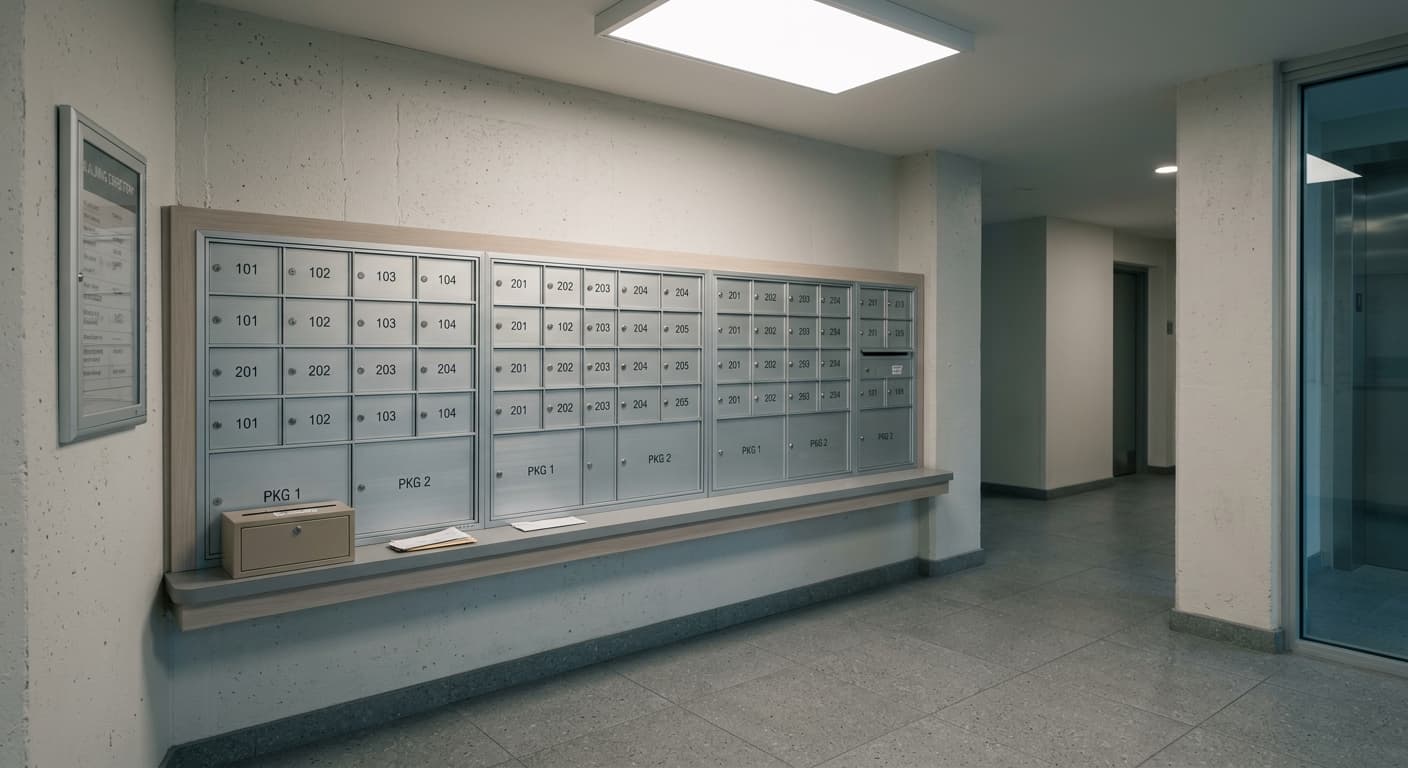
- Mail areas: Package rooms and mailbox areas
- Storage areas: Shared storage rooms and basement areas
Prohibited Camera Locations
Cameras are never permitted in:
- Inside individual rental units: A tenant's apartment, house, or room is their private home. No camera of any kind is allowed inside without the tenant's explicit consent.
- Bathrooms: Any bathroom in the building, including shared bathrooms in common areas.
- Changing areas: Laundry rooms with changing facilities, pool changing rooms, or any area designated for changing clothes.
- Areas outside a tenant's windows: Cameras positioned to look directly into a tenant's windows violate the tenant's privacy.
The Audio Problem
One of the most common legal mistakes landlords make is enabling audio on their security cameras. Under 18 Pa.C.S. § 5703, capturing audio of private conversations without all-party consent is a third-degree felony.
Even in common areas where video surveillance is permitted, tenants may have private conversations in hallways, lobbies, or laundry rooms. If a security camera's microphone captures those conversations, the landlord has committed a felony.
The rule is simple: disable audio on every security camera in and around the rental property.
Hidden Cameras in Rental Properties: Criminal Penalties
A landlord who installs hidden cameras inside a rental unit faces severe criminal consequences.
Wiretap Act Violations
If a hidden camera captures audio of private conversations inside a rental unit, the landlord violates 18 Pa.C.S. § 5703:
| Offense | Classification | Maximum Prison | Maximum Fine |
|---|---|---|---|
| Audio interception | Third-Degree Felony | Up to 7 years | Up to $15,000 |
Invasion of Privacy Violations
If a hidden camera records a tenant in a state of full or partial nudity, the landlord violates 18 Pa.C.S. § 7507.1:
| Offense | Classification | Maximum Prison | Additional Consequence |
|---|---|---|---|
| First offense | Third-Degree Misdemeanor | Up to 1 year | Mandatory sex offender registration |
| Multiple violations | Second-Degree Misdemeanor | Up to 2 years | Mandatory sex offender registration |
Combined Exposure
A landlord who places a hidden camera with audio in a tenant's bathroom faces both statutes simultaneously: a felony under the Wiretap Act and a misdemeanor under the invasion of privacy statute, with mandatory sex offender registration. The combined penalties can include years in prison, tens of thousands of dollars in fines, and a lifetime on the sex offender registry.
Tenant Security Camera Rights
Inside Your Rental Unit
Pennsylvania tenants generally have the right to install security cameras inside their own rental units:
- Indoor cameras: You can place cameras inside your apartment for security purposes.
- Audio considerations: If your camera has a microphone and you have visitors, make sure they are aware of the recording to avoid WESCA issues.
- Lease restrictions: Review your lease agreement. Some landlords restrict the installation of equipment that requires drilling holes or running wires. Wireless cameras typically do not raise these concerns.
- Move-out obligations: Remove all cameras and repair any damage when you move out.
Common Area Cameras
Tenants who want to install cameras in common areas (hallways, shared entrances) typically need landlord permission:
- These areas are under the landlord's control, not the tenant's.
- Unauthorized installation in common areas may violate the lease.
- If you have security concerns about common areas, request that the landlord install appropriate surveillance.
Ring Doorbells and Apartment Doors
Video doorbell cameras present a unique issue for apartment tenants:
- A Ring or similar doorbell camera mounted on your apartment door may capture the common hallway, which is under the landlord's control.
- Some landlords prohibit doorbell cameras in leases.
- Even where permitted, disable the audio feature to avoid WESCA liability for recording other tenants' conversations in the hallway.
- Check your lease and building rules before installing a video doorbell.
Recording Conversations Between Landlords and Tenants
Pennsylvania's all-party consent rule applies to conversations between landlords and tenants just as it applies to any other communication.
General Rule
You cannot secretly record a private conversation with your landlord without their consent. This is true even if:
- You are trying to document the landlord's refusal to make repairs
- The landlord is making threats or engaging in harassment
- You want to preserve evidence of lease violations
- You are documenting a dispute about your security deposit
Secretly recording any of these conversations is a third-degree felony under § 5703.
Legal Ways to Document Landlord Issues
Pennsylvania tenants have several legal alternatives for documenting landlord problems:
- Written communication: Send emails, text messages, or certified letters about maintenance requests, complaints, and disputes. These create timestamped written records.
- Photographs and video: Take photos and silent video of property conditions (leaks, mold, damage) without recording conversations.
- Witness presence: Bring a trusted person to important conversations with your landlord. They can later testify about what was said.
- Follow-up emails: After any verbal conversation with your landlord, send a follow-up email summarizing what was discussed. "Per our conversation today, you agreed to repair the broken heater by Friday."
- Government complaints: File complaints with your local code enforcement office, the Pennsylvania Attorney General, or the local tenant rights organization.
- Consented recording: Ask your landlord for permission to record before the conversation begins. If they consent, you have a legal recording.
When the Conversation Is Not Private
Remember that WESCA protects only "oral communications" where parties have a reasonable expectation of privacy. If a conversation with your landlord takes place in an open public area where others can overhear, it may not qualify as a protected communication. However, a conversation in your apartment, in the landlord's office, or in a closed conference room would typically be protected.
Lease Provisions About Surveillance
Landlords can include surveillance-related provisions in lease agreements, and tenants should review these carefully.
Common Lease Provisions
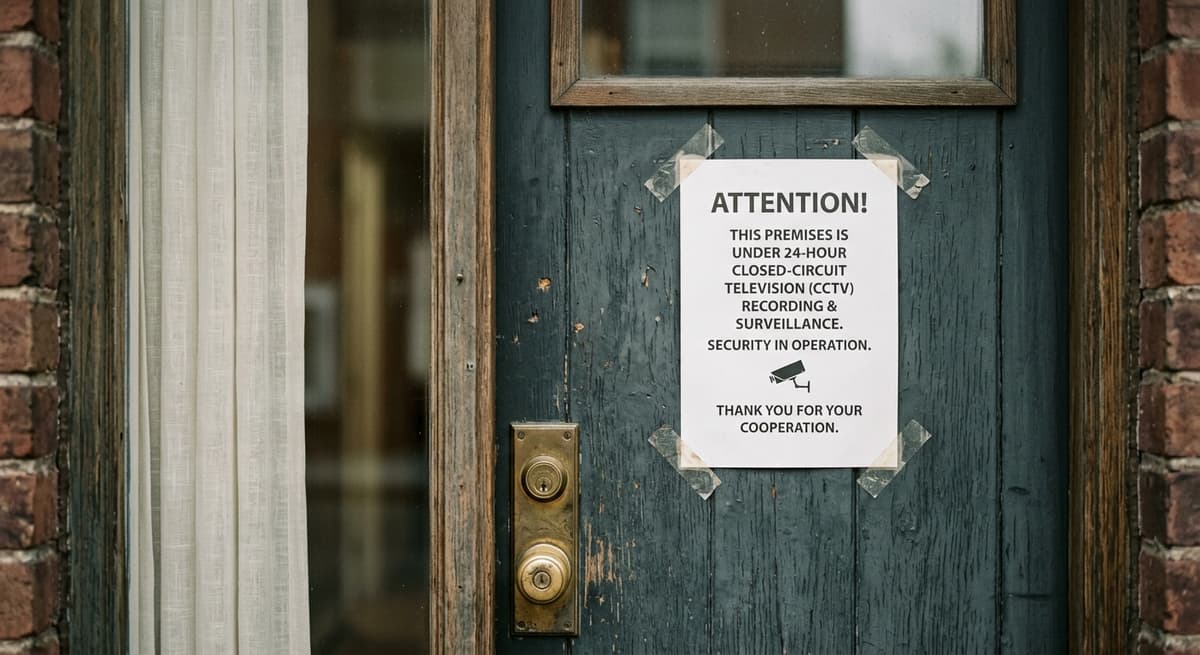
- Disclosure of security cameras: Many leases disclose that common areas are monitored by security cameras.
- Tenant camera restrictions: Some leases restrict tenants from installing cameras that capture areas outside their unit.
- Doorbell camera policies: Some multi-unit buildings prohibit video doorbell cameras.
- Modification restrictions: Leases may restrict tenants from drilling holes or running wires, which affects hardwired camera installation.
Provisions That May Be Unenforceable
- A lease provision that purports to give the landlord consent to record inside a tenant's unit is likely unenforceable.
- A provision that waives a tenant's rights under the Wiretap Act or the invasion of privacy statute may not be legally valid.
- Any lease term that requires a tenant to accept surveillance in private areas (bathrooms, bedrooms) would be contrary to public policy.
Airbnb, VRBO, and Short-Term Rental Surveillance
Short-term rental hosts in Pennsylvania face the same legal framework as traditional landlords, with additional considerations.
Platform Requirements
Major rental platforms have their own disclosure policies:
- Airbnb requires hosts to disclose all surveillance devices, including those that are turned off. Hidden cameras that are not disclosed violate Airbnb's terms and can result in removal from the platform. Airbnb prohibits cameras in private spaces like bedrooms and bathrooms.
- VRBO has similar disclosure requirements.
Pennsylvania Legal Requirements
Beyond platform rules, short-term rental hosts must comply with Pennsylvania law:
- No cameras in private areas: Bathrooms, bedrooms, and changing areas are off-limits.
- Audio must be disabled: Any camera that captures audio requires all-party consent.
- Disclosure of exterior cameras: Hosts should disclose cameras that monitor entrances, driveways, and other exterior areas.
- Hidden cameras are criminal: Undisclosed cameras in any area where guests have a privacy expectation violate Pennsylvania law.
What to Do If You Find a Hidden Camera in a Rental
- Do not touch or move the device (preserve evidence).
- Take photographs documenting the camera's location and angle.
- Contact local law enforcement and file a police report.
- Write detailed notes about your discovery.
- Report the listing to the rental platform.
- Consult an attorney about criminal complaints and civil remedies.
Maintenance Access and Recording
Pennsylvania landlords have the right to enter rental units for maintenance and inspections, typically with reasonable notice (24-48 hours is standard practice). Recording issues can arise during these visits.
Landlord Recordings During Maintenance
- A landlord cannot use a maintenance visit as an opportunity to install surveillance equipment.
- Taking photographs of property conditions during a maintenance visit is generally permissible and common for documenting repairs.
- Audio recording during a maintenance visit requires consent from the tenant.
Tenant Recordings During Maintenance Visits
- A tenant can take photographs and silent video of the landlord's maintenance work.
- Audio recording of conversations with the landlord or maintenance workers during the visit requires all-party consent.
- If you want to document the visit, take photos of the work being done and follow up with a written summary by email.
Remedies for Tenants
Pennsylvania tenants who are illegally surveilled by their landlord have multiple avenues for relief.
Criminal Prosecution
Report the violation to local law enforcement. The landlord can be criminally charged under:
- 18 Pa.C.S. § 5703 (Wiretap Act) if audio was captured
- 18 Pa.C.S. § 7507.1 (Invasion of Privacy) if nudity was recorded
Civil Lawsuit
File a civil lawsuit seeking:
- Wiretap Act damages under § 5725: $100 per day of violation or $1,000 minimum, plus punitive damages and attorney fees
- Common law invasion of privacy: Compensatory damages for emotional distress, humiliation, and mental anguish
- Intentional infliction of emotional distress: Additional damages if the surveillance was particularly outrageous
Lease Termination
A landlord who installs hidden cameras in a rental unit has substantially breached the implied covenant of quiet enjoyment. Tenants may have grounds to terminate the lease without penalty.
Protection Orders
If the surveillance constitutes harassment or stalking, tenants may seek a Protection from Abuse (PFA) order or Protection from Intimidation (PFI) order.
More Pennsylvania Recording Laws
Audio Recording | Video Recording | Voyeurism & Hidden Cameras | Workplace Recording | Recording Police | Phone Call Recording | Security Cameras | Recording in Public | Landlord-Tenant | Dashcam Laws | Schools | Medical Recording
Back to Pennsylvania Recording Laws
More Pennsylvania Recording Topics
More Pennsylvania Laws
Frequently Asked Questions
Can my Pennsylvania landlord put cameras inside my apartment?
No. Pennsylvania tenants have an absolute expectation of privacy inside their rental units. A landlord who installs any camera inside your apartment faces criminal charges under the Wiretap Act (if audio is captured) and the invasion of privacy statute (if nudity is recorded). The invasion of privacy charge requires mandatory sex offender registration upon conviction.
Can my landlord have security cameras in the hallway of my apartment building?
Yes, landlords can install silent video cameras in common areas like hallways, lobbies, parking lots, and building entrances. However, the cameras must have audio disabled. If a hallway camera's microphone captures your private conversations, the landlord faces third-degree felony charges under 18 Pa.C.S. § 5703.
Can I install a Ring doorbell camera at my apartment in Pennsylvania?
It depends on your lease agreement and building rules. A video doorbell camera on your apartment door may capture the common hallway, which is under the landlord's control. Some landlords prohibit doorbell cameras in their leases. If permitted, disable the audio feature to avoid recording other tenants' conversations in the hallway, which would violate WESCA.
Can I secretly record my landlord refusing to make repairs in Pennsylvania?
No. Secretly recording a private conversation with your landlord is a third-degree felony under Pennsylvania's Wiretap Act, punishable by up to 7 years in prison. Instead, document repair issues through written communication (emails, certified letters), photographs of damage, and follow-up emails summarizing verbal conversations. These methods create legally admissible evidence.
What should I do if I find a hidden camera in my Pennsylvania rental?
Do not touch or move the device. Take photographs showing its location and angle. Contact local police immediately and file a report. Write detailed notes about your discovery. Report the property to the rental platform if applicable. Consult an attorney about filing criminal charges against the landlord and pursuing civil damages under the Wiretap Act and invasion of privacy statutes.
Updates
Replaced dead pacodeandbulletin.gov and palegis.us statute citation links (in the citations list and inline in the article, six occurrences total) with working legis.state.pa.us mirrors; no legal claims changed.
Independently fact-checked against the cited primary sources; governing law re-checked for recent changes
Governing law re-checked for recent changes
Reviewed and approved by an editor
The Law Behind This Article
This article rests on the statutory provisions below, held in our own legal record and retrieved from the official source. Tap a section to read the operative text.
Pennsylvania Consolidated Statutes Title 18 (Crimes and Offenses)
§ 5703Interception, disclosure or use of wire, electronic or oral communicationsIn forcecited in 38 of our articles
Except as otherwise provided in this chapter, a person is guilty of a felony of the third degree if he: (1) intentionally intercepts, endeavors to intercept, or procures any other person to intercept or endeavor to intercept any wire, electronic or oral communication; (2) intentionally discloses or endeavors to disclose to any other person the contents of any wire, electronic or oral communication, or evidence derived therefrom, knowing or having reason to know that the information was obtained through the interception of a wire, electronic or oral communication; or (3) intentionally uses or endeavors to use the contents of any wire, electronic or oral communication, or evidence derived therefrom, knowing or having reason to know, that the information was obtained through the interception of a wire, electronic or oral communication.
Official text (excerpt) · last checked 2026-08-31 · Read the full text in our law library · Verify at palegis.us
Cited in 121 court opinions in our collectionLatest citing opinion in our collection: 2026
In the courts (editorial summary, independently checked):Commonwealth v. Brachbill (1989) held Section 5703(1) is not limited to interceptions made with an intercepting device, so an officer who listened on a telephone extension without the prior approval Section 5704(2)(ii) requires violated the section, and the testimony had to be suppressed.
Opinions citing this section in our collection:
- Commonwealth v. Schaeffer (Supreme Court of Pennsylvania 1987, 370 Pa. Super. 179)“…and other electronic interceptions of communications, see 18 Pa.C.S. § 5703, carved out limited exceptions to these…”
- Commonwealth v. Bennett (Superior Court of Pennsylvania 1976, 245 Pa. Super. 457)“…ode, Act of Dec. 6, 1972, P.L. 1482, No. 334, § 1 et seq. 18 Pa.C.S. § 5703, as amended Dec. 27, 1974, P.L. 1007, N…”
- Commonwealth v. Brachbill (Supreme Court of Pennsylvania 1989, 520 Pa. 533)✓A state trooper listened on an extension phone to a call between a former inmate and a guard charged with abusing him; the court held section 5703 bars any willful interception, not only one using an intercepting device, so the trooper's testimony should have been suppressed.
Identified automatically from the court opinions citing this section — not a ranking of which case controls.
Also relied on in: Pennsylvania Voyeurism and Hidden Camera Laws: Penalties and Protections (2026), Pennsylvania Smart Glasses Recording Laws (2026), Pennsylvania Audio Recording Laws: All-Party Consent Rules and Felony Penalties (2026)
§ 7507.1Invasion of privacyIn forcecited in 23 of our articles
(a) Offense defined.--Except as set forth in subsection (d), a person commits the offense of invasion of privacy if he, for the purpose of arousing or gratifying the sexual desire of any person, knowingly does any of the following: (1) Views, photographs, videotapes, electronically depicts, films or otherwise records another person without that person's knowledge and consent while that person is in a state of full or partial nudity and is in a place where that person would have a reasonable expectation of privacy. (2) Photographs, videotapes, electronically depicts, films or otherwise records or personally views the intimate parts, whether or not covered by clothing, of another person without that person's knowledge and consent and which intimate parts that person does not intend to be visible by normal public observation. (3) Transfers or transmits an image obtained in violation of paragraph (1) or (2) by live or recorded telephone message, electronic mail or the Internet or by any other transfer of the medium on which the image is stored.
Official text (excerpt) · last checked 2026-07-29 · Read the full text in our law library · Verify at palegis.us
Cited in 29 court opinions in our collectionLatest citing opinion in our collection: 2026
In the courts (editorial summary, independently checked):In Com. v. Dinell, Z. (2022), the Superior Court read section 7507.1(a)(1) as requiring four elements, including that the defendant acted for the purpose of arousing or gratifying sexual desire, and vacated a guilty plea where the defendant denied any sexual purpose and was told no such element existed.
Opinions citing this section in our collection:
- Commonwealth v. Muniz, J., Aplt. (Supreme Court of Pennsylvania 2017, 164 A.3d 1189)“…18 Pa.C.S. §6312(d) (relating to sexual abuse of children); 18 Pa.C.S. §7507.1 (relating to invasion of privacy); 18 U…”
- Com. v. Dinell, Z. (Superior Court of Pennsylvania 2022, 270 A.3d 530)✓A care home worker pled guilty to 14 counts of invasion of privacy for phone photos of nude residents, but said nothing sexual was involved. The court held section 7507.1(a)(1) requires a sexual purpose as an element and let him withdraw the plea.
- Commonwealth, Aplt v. Kingston, S. (Supreme Court of Pennsylvania 2016, 636 Pa. 438)“…olations” of a particular criminal offense. See, e.g., 18 Pa.C.S. § 7507.1(a.1) (listing circumstances under which…”
Identified automatically from the court opinions citing this section — not a ranking of which case controls.
Also relied on in: Pennsylvania Dashcam Laws: Mounting Rules, Audio Recording, and Evidence (2026), Pennsylvania Laws on Recording in Public: What Is Legal (2026), Pennsylvania School Recording Laws: Students, Teachers, and Campus Rules (2026)
Search our full record of US law — 2.1 million sections, every state + federal →
Sources and References
- 18 Pa.C.S. \u00A7 5703 - Interception Prohibited(legis.state.pa.us).gov
- 18 Pa.C.S. § 7507.1 - Invasion of Privacy(legis.state.pa.us).gov
- 18 Pa.C.S. \u00A7 5725 - Civil Action(legis.state.pa.us).gov
- Title 18 Chapter 57 - WESCA(legis.state.pa.us).gov
- PA Attorney General - Consumer Protection(attorneygeneral.gov).gov