
Pennsylvania
Pennsylvania Dashcam Laws: Mounting Rules, Audio Recording, and Evidence (2026)
Independently fact-checked against primary sources (last audited August 22, 2026). · Reviewed by the RecordingLaw editorial team. · Law checked current as of August 22, 2026. · 10 primary sources cited on this page. How we verify our legal content
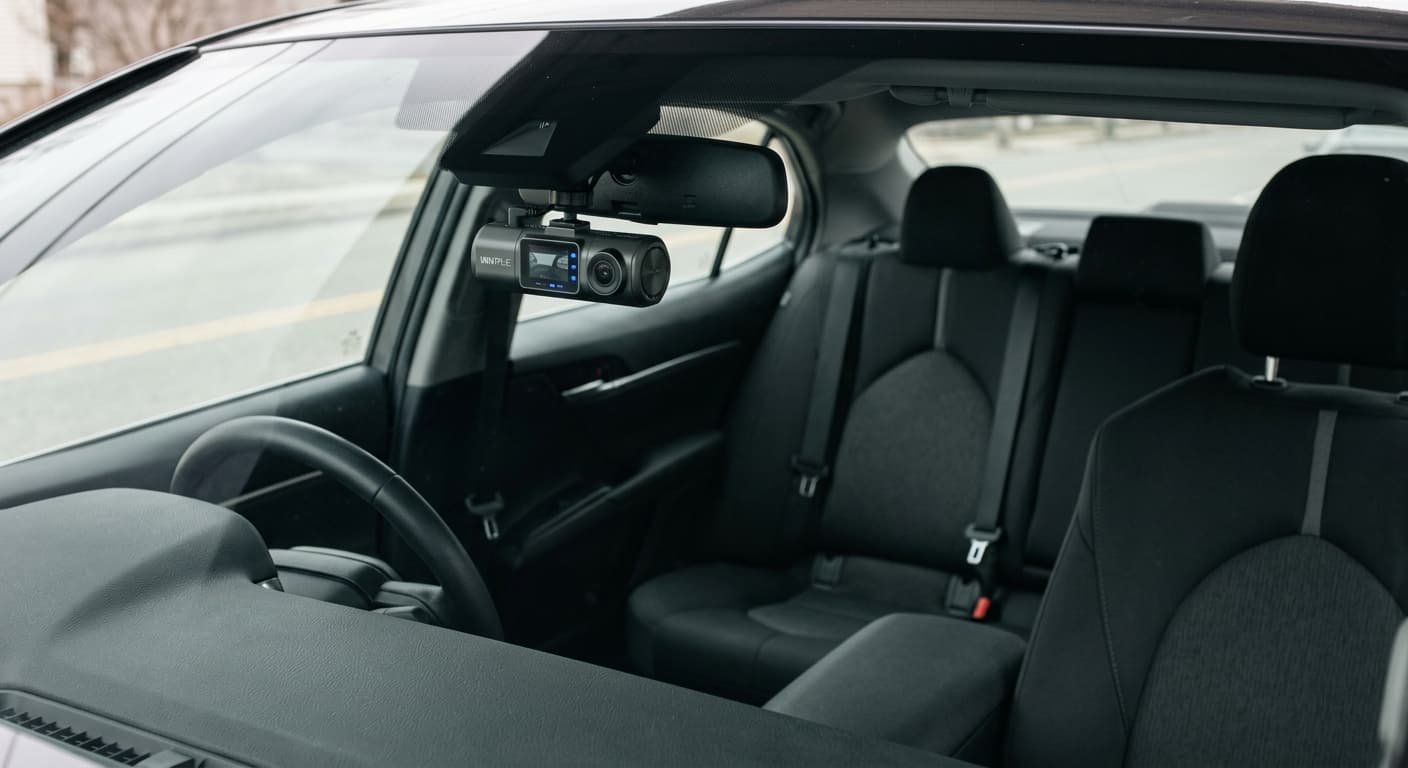
Dashcams are legal in Pennsylvania for video recording. Mounting a dashcam must not materially obstruct the driver's view under 75 Pa.C.S. 4524. In-car audio recording triggers the Wiretap Act (WESCA): 18 Pa.C.S. 5703 requires consent from all parties, making audio recording without consent a felony.
Dashcams have become essential tools for Pennsylvania drivers seeking to protect themselves in accidents, document road hazards, and record interactions during traffic stops. However, Pennsylvania's strict wiretapping law and vehicle code create important rules that dashcam users must follow. This guide covers Pennsylvania dashcam laws in 2026, including mounting requirements, audio recording restrictions, screen visibility rules, and how to use dashcam footage as evidence.
Are Dashcams Legal in Pennsylvania?
Yes. Dashcams are legal in Pennsylvania. However, they must comply with three separate areas of law:
- Windshield obstruction rules under the Vehicle Code
- Audio recording restrictions under the Wiretap Act
- Screen visibility rules under the Vehicle Code
Failing to comply with any of these requirements can result in traffic citations, felony criminal charges, or both.
Windshield Mounting Rules: 75 Pa.C.S. § 4524
Pennsylvania's Vehicle Code sets specific rules for what can be placed on or near a windshield.
What the Law Says
75 Pa.C.S. § 4524 prohibits driving with "any sign, poster or other nontransparent material upon the front windshield" that "materially obstructs, obscures or impairs the driver's clear view of the highway or any intersecting highway."
The exceptions are limited to:
- Official inspection certificates and stickers
- Sticker identification signs on mass transit vehicles
- Other officially required stickers and notices
How This Applies to Dashcams
Dashcams are not explicitly listed as an exception under § 4524. However, the statute focuses on whether the device "materially obstructs" the driver's view. A small dashcam mounted in a position that does not block the driver's line of sight is generally considered compliant.
Recommended Mounting Positions
To minimize legal risk and ensure compliance:
- Behind the rearview mirror: Mount the dashcam directly behind the rearview mirror, where it occupies space that is already partially obstructed.
- Upper passenger-side corner: A small dashcam in the far upper corner of the passenger side minimizes obstruction to the driver's view.
- Dashboard mount: Some drivers mount dashcams on top of the dashboard rather than on the windshield, avoiding the windshield obstruction issue entirely.
Positions to Avoid
- Center of the windshield: A dashcam mounted in the center of the windshield directly in the driver's line of sight will likely violate § 4524.
- Lower windshield: Mounting a dashcam on the lower portion of the windshield can obstruct the driver's view of the road ahead.
- Multiple devices: Running multiple cameras on the windshield increases the total area of obstruction.
Screen Visibility Rules: 75 Pa.C.S. § 4527
Pennsylvania law prohibits image display devices showing broadcast, live-streamed, or prerecorded video that are visible to the driver while driving.
What the Law Says
75 Pa.C.S. § 4527 provides that "no motor vehicle shall be operated on a highway with an image display device where a broadcast television image, a live stream video image from the Internet, satellite or any other source or a prerecorded video image is visible to the driver while the vehicle is in motion."
How This Applies to Dashcams
Many dashcams include a built-in LCD screen that displays a live video feed. Under § 4527, this screen must not be visible to the driver while the vehicle is in motion. To comply:
- Turn off the screen while driving: Most dashcams allow you to disable the display while continuing to record.
- Use a dashcam without a screen: Some dashcams record without a built-in display, using a smartphone app for setup and review.
- Position the screen out of the driver's view: If the dashcam has a screen, ensure it is not visible from the driver's normal seating position.
Exceptions exist for GPS navigation displays and law enforcement equipment, but these exceptions do not extend to consumer dashcams.
Audio Recording and the Wiretap Act
This is where Pennsylvania dashcam law diverges most dramatically from other states. While dashcam video is broadly legal, audio recording triggers Pennsylvania's strict all-party consent requirement.
The Legal Issue
Most dashcams can record audio from inside the vehicle. This audio captures conversations between the driver and passengers. Under 18 Pa.C.S. § 5703, recording any "oral communication" without consent from all parties is a third-degree felony.
If a passenger in your car has a reasonable expectation that their conversation is private, recording that conversation without their consent violates the Wiretap Act.
When Audio Is Legal
- You are alone: If you are the only person in the vehicle, your dashcam can record audio freely because there is no other party whose consent is required.
- All passengers consent: If every person in the vehicle knows about and agrees to the audio recording, the recording is legal.
- No reasonable expectation of privacy: If the conversation takes place in a context where no privacy expectation exists (such as shouting at a drive-through window), the Wiretap Act may not apply.
When Audio Creates Felony Risk
- Passengers who do not know about the recording: If you have passengers who are unaware that your dashcam records audio, you face felony exposure.
- Ride-share and taxi drivers: Uber, Lyft, and taxi drivers who record passengers' conversations without consent face the same felony penalties.
- Carpoolers: Commuters who share rides and have dashcams with audio enabled risk recording private conversations.
The Safest Approach
Disable audio recording on your dashcam. This eliminates all Wiretap Act risk while preserving the dashcam's core function of recording video evidence. If you want to keep audio enabled:
- Inform every passenger that your dashcam records audio.
- Obtain their consent before driving.
- If any passenger objects, disable the audio before proceeding.
Uber, Lyft, and Ride-Share Dashcam Rules
Ride-share and taxi drivers in Pennsylvania face heightened legal risk from dashcam audio recording because they regularly transport passengers who may not be aware of the recording.
Legal Requirements for Ride-Share Drivers
- Silent video: Recording silent video of passengers is generally permissible because passengers in a commercial vehicle have a reduced expectation of privacy in visual terms.
- Audio: Recording passengers' conversations without their consent is a third-degree felony. The casual, transient nature of ride-share relationships makes obtaining consent impractical for many drivers.
- Notice: If you want to record audio, place a clearly visible sign in your vehicle informing passengers that audio recording is in use. A passenger who sees the notice and remains in the vehicle may be deemed to have given implied consent.
Practical Recommendations
- Disable audio. This is the simplest and safest approach.
- If you keep audio enabled, post a visible sign that reads: "This vehicle is equipped with audio and video recording devices. By remaining in this vehicle, you consent to being recorded."
- Review platform policies. Uber and Lyft may have their own rules about in-vehicle recording that go beyond state law.
Dashcam Footage as Evidence in Pennsylvania
Dashcam footage can be powerful evidence in legal proceedings, but its admissibility depends on how it was obtained.
When Dashcam Footage Is Admissible
- Traffic accidents: Dashcam video showing the events leading up to, during, and after an accident is routinely admitted in personal injury cases and insurance claims.
- Criminal cases: Video evidence of hit-and-runs, road rage incidents, and DUI stops can be admitted in criminal proceedings.
- Traffic violations: Dashcam footage can be used to contest traffic tickets or support charges against other drivers.
- Insurance claims: Insurance companies commonly accept dashcam footage as evidence when evaluating claims.
When Dashcam Footage May Be Suppressed
- Audio obtained without consent: If your dashcam recorded a private conversation without all-party consent, the audio portion is inadmissible under 18 Pa.C.S. § 5721.1. The video portion may still be admissible, but the audio will be excluded.
- Tampered footage: Dashcam footage that has been edited, spliced, or altered may be challenged on authenticity grounds.
Preserving Dashcam Evidence
If your dashcam captures an incident that may lead to legal proceedings:
- Stop the recording loop. Many dashcams record on a loop and overwrite old footage. Save or lock the relevant clip immediately.
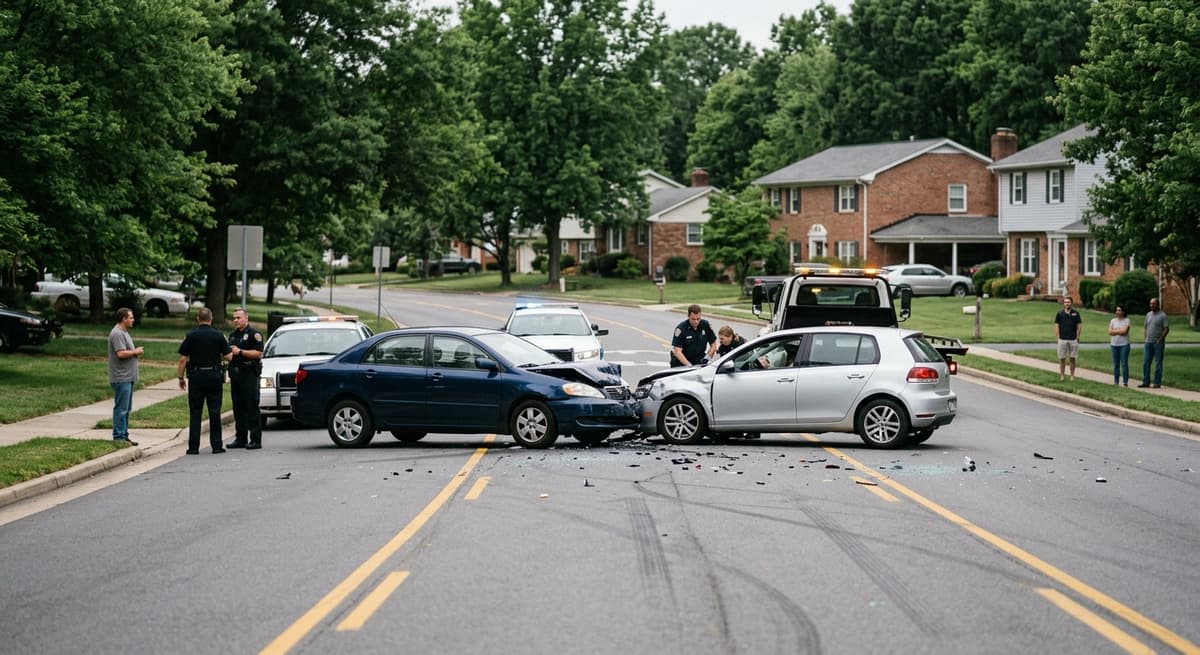
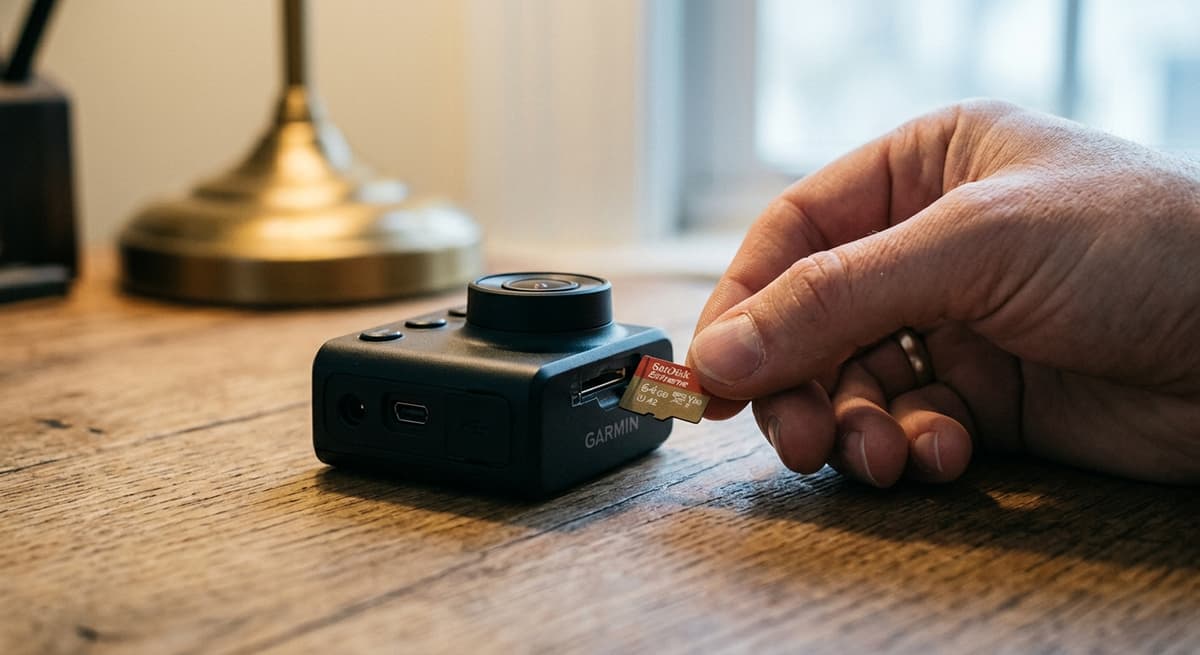
- Remove the memory card and store it in a safe place.
- Make backup copies of the footage.
- Do not edit the footage in any way.
- Document the dashcam's settings, including date/time stamps, resolution, and whether audio was enabled.
- Provide the footage to your attorney or insurance company as directed.
Rear-Facing and Interior Dashcams
Rear-Facing Cameras
Rear-facing dashcams that record the road behind your vehicle follow the same rules as forward-facing dashcams:
- Mounting must not obstruct any window to the point that the driver's visibility is impaired.
- Audio recording requires all-party consent.
- The camera itself must be secured so it does not become a projectile in a collision.
Interior-Facing Cameras
Interior dashcams that face into the passenger cabin raise additional concerns:
- Video-only recording of the interior is generally permissible, though passengers may have privacy objections.
- Audio recording of passengers' conversations requires all-party consent under WESCA.
- Invasion of privacy concerns can arise if the camera captures passengers in compromising positions. While this is unlikely in a normal driving context, the broad language of § 7507.1 could apply in extreme cases.
Tesla, Rivian, and Built-In Vehicle Cameras
Modern vehicles increasingly come equipped with built-in cameras that record both exterior and interior footage.
Tesla Sentry Mode and Dashcam
Tesla's Sentry Mode uses the vehicle's external cameras to monitor the area around a parked car and record potential threats. The built-in dashcam feature records road footage while driving. In Pennsylvania:
- Exterior video while driving and parked is generally legal.
- Interior cabin camera recording raises WESCA concerns if it captures audio of passenger conversations.
- Sentry Mode audio may capture conversations of people near the parked vehicle. If those conversations involve a reasonable expectation of privacy, WESCA could apply.
Recommendations for Smart Vehicle Owners
- Disable interior cabin camera audio recording when carrying passengers.
- Be aware that Sentry Mode may capture audio of nearby conversations.
- Review your vehicle's recording settings and understand what is being captured.
Commercial Vehicle Dashcams
Pennsylvania commercial truck drivers and fleet operators commonly use dashcams for safety and liability purposes. Additional considerations include:
- FMCSA regulations may require certain types of electronic logging devices and monitoring equipment.
- Fleet management systems that include dashcams must comply with Pennsylvania's wiretapping law regarding audio.
- Driver consent: Employers should obtain written consent from drivers regarding interior-facing cameras that record audio.
- Customer privacy: Delivery and service vehicles that enter private property should have clear policies about camera operation.
More Pennsylvania Recording Laws
Audio Recording | Video Recording | Voyeurism & Hidden Cameras | Workplace Recording | Recording Police | Phone Call Recording | Security Cameras | Recording in Public | Landlord-Tenant | Dashcam Laws | Schools | Medical Recording
Back to Pennsylvania Recording Laws
More Pennsylvania Recording Topics
More Pennsylvania Laws
Frequently Asked Questions
Are dashcams legal in Pennsylvania?
Yes. Dashcams are legal in Pennsylvania, but they must comply with three requirements: the camera must not materially obstruct the driver's view of the road under 75 Pa.C.S. § 4524, any built-in screen must not be visible to the driver while driving under 75 Pa.C.S. § 4527, and audio recording must comply with the all-party consent requirement of the Wiretap Act.
Can I record audio with my dashcam in Pennsylvania?
Only if every person in the vehicle consents. Pennsylvania's all-party consent law (18 Pa.C.S. § 5703) makes it a third-degree felony to record private conversations without consent from all parties. If you are alone in the vehicle, audio recording is fine. If you have passengers, you must inform them and get their agreement, or disable the audio feature.
Where should I mount my dashcam in Pennsylvania?
Mount your dashcam in a position that does not materially obstruct your view of the road. The best locations are behind the rearview mirror, in the upper corner of the passenger side of the windshield, or on top of the dashboard. Avoid mounting in the center of the windshield or any position that blocks your line of sight to the road.
Can I use dashcam footage as evidence in a Pennsylvania car accident case?
Yes. Dashcam video footage is generally admissible in Pennsylvania courts and is commonly used in personal injury cases, insurance claims, and criminal proceedings. However, if the dashcam recorded audio without all-party consent, the audio portion will be suppressed. The video-only portion may still be admissible. Preserve the footage immediately after an incident and do not edit it.
Can Uber and Lyft drivers use dashcams in Pennsylvania?
Yes, ride-share drivers can use dashcams for video recording. However, audio recording of passenger conversations without consent is a third-degree felony. The safest approach is to disable audio. If you want to record audio, post a clearly visible sign informing passengers that audio recording is in use. A passenger who remains in the vehicle after seeing the sign may be deemed to have given implied consent.
Updates
Independently fact-checked against the cited primary sources; governing law re-checked for recent changes
Replaced a fabricated quotation of 75 Pa.C.S. § 4527 (old 'television-type receiving equipment' language) with the statute's actual current text governing image display devices, fixed the same inaccuracy in the KeyTakeaways bullet and section intro, and updated the Sources citation labels to match.
Governing law re-checked for recent changes
Reviewed and approved by an editor
The Law Behind This Article
This article rests on the statutory provisions below, held in our own legal record and retrieved from the official source. Tap a section to read the operative text.
Pennsylvania Consolidated Statutes Title 18 (Crimes and Offenses)
§ 5703Interception, disclosure or use of wire, electronic or oral communicationsIn forcecited in 38 of our articles
Except as otherwise provided in this chapter, a person is guilty of a felony of the third degree if he: (1) intentionally intercepts, endeavors to intercept, or procures any other person to intercept or endeavor to intercept any wire, electronic or oral communication; (2) intentionally discloses or endeavors to disclose to any other person the contents of any wire, electronic or oral communication, or evidence derived therefrom, knowing or having reason to know that the information was obtained through the interception of a wire, electronic or oral communication; or (3) intentionally uses or endeavors to use the contents of any wire, electronic or oral communication, or evidence derived therefrom, knowing or having reason to know, that the information was obtained through the interception of a wire, electronic or oral communication.
Official text (excerpt) · last checked 2026-08-31 · Read the full text in our law library · Verify at palegis.us
Cited in 121 court opinions in our collectionLatest citing opinion in our collection: 2026
In the courts (editorial summary, independently checked):Commonwealth v. Brachbill (1989) held Section 5703(1) is not limited to interceptions made with an intercepting device, so an officer who listened on a telephone extension without the prior approval Section 5704(2)(ii) requires violated the section, and the testimony had to be suppressed.
Opinions citing this section in our collection:
- Commonwealth v. Schaeffer (Supreme Court of Pennsylvania 1987, 370 Pa. Super. 179)“…and other electronic interceptions of communications, see 18 Pa.C.S. § 5703, carved out limited exceptions to these…”
- Commonwealth v. Bennett (Superior Court of Pennsylvania 1976, 245 Pa. Super. 457)“…ode, Act of Dec. 6, 1972, P.L. 1482, No. 334, § 1 et seq. 18 Pa.C.S. § 5703, as amended Dec. 27, 1974, P.L. 1007, N…”
- Commonwealth v. Brachbill (Supreme Court of Pennsylvania 1989, 520 Pa. 533)✓A state trooper listened on an extension phone to a call between a former inmate and a guard charged with abusing him; the court held section 5703 bars any willful interception, not only one using an intercepting device, so the trooper's testimony should have been suppressed.
Identified automatically from the court opinions citing this section — not a ranking of which case controls.
Also relied on in: Pennsylvania Voyeurism and Hidden Camera Laws: Penalties and Protections (2026), Pennsylvania Smart Glasses Recording Laws (2026), Pennsylvania Audio Recording Laws: All-Party Consent Rules and Felony Penalties (2026)
§ 5721.1Evidentiary disclosure of contents of intercepted communication or derivative evidenceIn forcecited in 20 of our articles
(a) Disclosure in evidence generally.-- (1) Except as provided in paragraph (2), no person shall disclose the contents of any wire, electronic or oral communication, or evidence derived therefrom, in any proceeding in any court, board or agency of this Commonwealth. (2) Any person who has obtained knowledge of the contents of any wire, electronic or oral communication, or evidence derived therefrom, which is properly subject to disclosure under section 5717 (relating to investigative disclosure or use of contents of wire, electronic or oral communications or derivative evidence) may also disclose such contents or evidence in any matter relating to any criminal, quasi-criminal, forfeiture, administrative enforcement or professional disciplinary proceedings in any court, board or agency of this Commonwealth or of another state or of the United States or before any state or Federal grand jury or investigating grand jury. Once such disclosure has been made, then any person may disclose the contents or evidence in any such proceeding.
Official text (excerpt) · last checked 2026-07-29 · Read the full text in our law library · Verify at palegis.us
Cited in 29 court opinions in our collectionLatest citing opinion in our collection: 2025
Opinions citing this section in our collection:
- Commonwealth v. Arrington (Supreme Court of Pennsylvania 2014, 624 Pa. 506)“…e contents of any wire communication in a court proceeding. 18 Pa.C.S. § 5721.1(a). An “aggrieved person,” party to a c…”
- Commonwealth v. Ruder (Superior Court of Pennsylvania 2013, 62 A.3d 1038)“…sionary rule that extends to non-constitutional violations. 18 Pa.C.S. § 5721.1(b); Commonwealth v. Spangler, 570 P…”
- Commonwealth v. Spangler (Supreme Court of Pennsylvania 2002, 570 Pa. 226)“…procurement of a court order, or without probable cause. 18 Pa.C.S. § 5721.1. [7] Presently, the Commonwealth and…”
Identified automatically from the court opinions citing this section — not a ranking of which case controls.
Also relied on in: Pennsylvania Laws on Recording Doctors and Medical Appointments (2026), Pennsylvania Phone Call Recording Laws: Consent Rules and Penalties (2026), Pennsylvania Security Camera and Surveillance Laws: Home and Business Rules (2026)
§ 7507.1Invasion of privacyIn forcecited in 23 of our articles
(a) Offense defined.--Except as set forth in subsection (d), a person commits the offense of invasion of privacy if he, for the purpose of arousing or gratifying the sexual desire of any person, knowingly does any of the following: (1) Views, photographs, videotapes, electronically depicts, films or otherwise records another person without that person's knowledge and consent while that person is in a state of full or partial nudity and is in a place where that person would have a reasonable expectation of privacy. (2) Photographs, videotapes, electronically depicts, films or otherwise records or personally views the intimate parts, whether or not covered by clothing, of another person without that person's knowledge and consent and which intimate parts that person does not intend to be visible by normal public observation. (3) Transfers or transmits an image obtained in violation of paragraph (1) or (2) by live or recorded telephone message, electronic mail or the Internet or by any other transfer of the medium on which the image is stored.
Official text (excerpt) · last checked 2026-07-29 · Read the full text in our law library · Verify at palegis.us
Cited in 29 court opinions in our collectionLatest citing opinion in our collection: 2026
In the courts (editorial summary, independently checked):In Com. v. Dinell, Z. (2022), the Superior Court read section 7507.1(a)(1) as requiring four elements, including that the defendant acted for the purpose of arousing or gratifying sexual desire, and vacated a guilty plea where the defendant denied any sexual purpose and was told no such element existed.
Opinions citing this section in our collection:
- Commonwealth v. Muniz, J., Aplt. (Supreme Court of Pennsylvania 2017, 164 A.3d 1189)“…18 Pa.C.S. §6312(d) (relating to sexual abuse of children); 18 Pa.C.S. §7507.1 (relating to invasion of privacy); 18 U…”
- Com. v. Dinell, Z. (Superior Court of Pennsylvania 2022, 270 A.3d 530)✓A care home worker pled guilty to 14 counts of invasion of privacy for phone photos of nude residents, but said nothing sexual was involved. The court held section 7507.1(a)(1) requires a sexual purpose as an element and let him withdraw the plea.
- Commonwealth, Aplt v. Kingston, S. (Supreme Court of Pennsylvania 2016, 636 Pa. 438)“…olations” of a particular criminal offense. See, e.g., 18 Pa.C.S. § 7507.1(a.1) (listing circumstances under which…”
Identified automatically from the court opinions citing this section — not a ranking of which case controls.
Also relied on in: Pennsylvania Landlord-Tenant Recording and Surveillance Laws (2026), Pennsylvania Laws on Recording in Public: What Is Legal (2026), Pennsylvania School Recording Laws: Students, Teachers, and Campus Rules (2026)
Pennsylvania Consolidated Statutes Title 75 (Vehicles)
§ 4524Windshield obstructions and wipersIn forcecited in 6 of our articles
(a) Obstruction on front windshield.--No person shall drive any motor vehicle with any sign, poster or other nontransparent material upon the front windshield which materially obstructs, obscures or impairs the driver's clear view of the highway or any intersecting highway except an inspection certificate, sticker identification sign on a mass transit vehicle or other officially required sticker and no person shall drive any motor vehicle with any ice or snow on the front windshield which materially obstructs, obscures or impairs the driver's clear view of the highway or any intersecting highway. (b) Obstruction on side and rear windows.--No person shall drive a motor vehicle with any sign, poster or other nontransparent material, including ice or snow, upon the side wings or side or rear windows of the vehicle which materially obstructs, obscures or impairs the driver's clear view of the highway or any intersecting highway. The placement of a registration permit upon the side or rear window of a vehicle shall not be considered a material obstruction.
Official text (excerpt) · last checked 2026-09-08 · Read the full text in our law library · Verify at palegis.us
Cited in 70 court opinions in our collectionLatest citing opinion in our collection: 2026
In the courts (editorial summary, independently checked):Pennsylvania courts read section 4524 subsection by subsection. Commonwealth v. Brubaker (2010) held a tint conviction under section 4524(e)(1) fails where the officer could see into the vehicle, whatever a meter showed. Commonwealth v. Holmes (2011) held a stop under section 4524(c) illegal where the officer never described the object.
Opinions citing this section in our collection:
- Commonwealth v. Holmes (Supreme Court of Pennsylvania 2011, 609 Pa. 1)✓An officer stopped a car after testifying only that objects hung from the rearview mirror obstructing the driver's view; the court held that with no description of the objects or how they impaired vision there was no reasonable suspicion of a section 4524(c) violation.
- Commonwealth v. Rodriguez (Superior Court of Pennsylvania 2013, 2013 Pa. Super. 302)✓A Pennsylvania constable cited for driving his own black-tinted BMW argued the car was an exempt government vehicle; the court held constables are not government employees and affirmed the conviction, finding no exemption under section 4524(e)(2)(i).
- Commonwealth v. Santiago, A., Aplt. (Supreme Court of Pennsylvania 2019, 209 A.3d 912)“…es a dissenting opinion in which Justice Donohue joins. 75 Pa.C.S. § 4524(e)(1). The Commonwealth concedes…”
Identified automatically from the court opinions citing this section — not a ranking of which case controls.
Also relied on in: Pennsylvania Window Tint Laws (2026): Legal VLT Limits, Pennsylvania Windshield Mounting Laws (2026 Guide)
§ 4527Image display deviceIn forcecited in 2 of our articles
(a) General rule.--No motor vehicle shall be operated on a highway with an image display device where a broadcast television image, a live stream video image from the Internet, satellite or any other source or a prerecorded video image is visible to the driver while the vehicle is in motion. (b) Exception.--This section shall not apply to the following: (1) Television-type receiving equipment in a vehicle used exclusively for safety or law enforcement purposes as approved by the Pennsylvania State Police. (2) Image display devices used in conjunction with any of the following: (i) A vehicle information display. (ii) A global positioning device. (iii) A mapping display. (iv) A visual display used to enhance or supplement the driver's view forward, behind or to the sides of a motor vehicle for the purpose of maneuvering the vehicle. (v) A visual display used to enhance or supplement a driver's view of vehicle occupants. (vi) A visual display used exclusively for safety or traffic engineering information.
Official text (excerpt) · last checked 2026-07-29 · Read the full text in our law library · Verify at palegis.us
Cited in 2 court opinions in our collectionLatest citing opinion in our collection: 2018
Opinions citing this section in our collection:
- Commonwealth v. Brubaker (Superior Court of Pennsylvania 2010, 2010 Pa. Super. 116)“…LOWER COURT BECAUSE 75 Pa.C.S. § 4524(e)(1) CONFLICTS WITH 75 Pa.C.S. § 4527(b) AND PA CODE 175.41(a)? III. W…”
- Com. v. Rodriguez, M. (Superior Court of Pennsylvania 2018)“…ible to display the blue lights on his vehicle pursuant to 75 Pa.C.S. § 4527. Webbe testified that despite contacti…”
Identified automatically from the court opinions citing this section — not a ranking of which case controls.
Search our full record of US law — 2.1 million sections, every state + federal →
Sources and References
- 75 Pa.C.S. \u00A7 4524 - Windshield Obstructions(legis.state.pa.us).gov
- 75 Pa.C.S. § 4527 - Image Display Device(legis.state.pa.us).gov
- 18 Pa.C.S. \u00A7 5703 - Interception Prohibited(legis.state.pa.us).gov
- 18 Pa.C.S. § 5721.1 - Evidentiary disclosure of contents of intercepted communication(palegis.us).gov
- PA Vehicle Code Title 75(pa.gov).gov
- Title 18 Chapter 57 - WESCA(legis.state.pa.us).gov
- 75 Pa.C.S. \u00A7 4524 - Windshield Obstructions and Wipers(pacodeandbulletin.gov).gov
- 75 Pa.C.S. § 4527 - Image Display Device(pacodeandbulletin.gov).gov
- 18 Pa.C.S. \u00A7 5703 - Interception, Disclosure or Use Prohibited(pacodeandbulletin.gov).gov
- Title 18 Chapter 57 - Wiretapping and Electronic Surveillance(pacodeandbulletin.gov).gov