
Italy
Italy's 2024 Highway Code Reform: What Changed on 14 December 2024
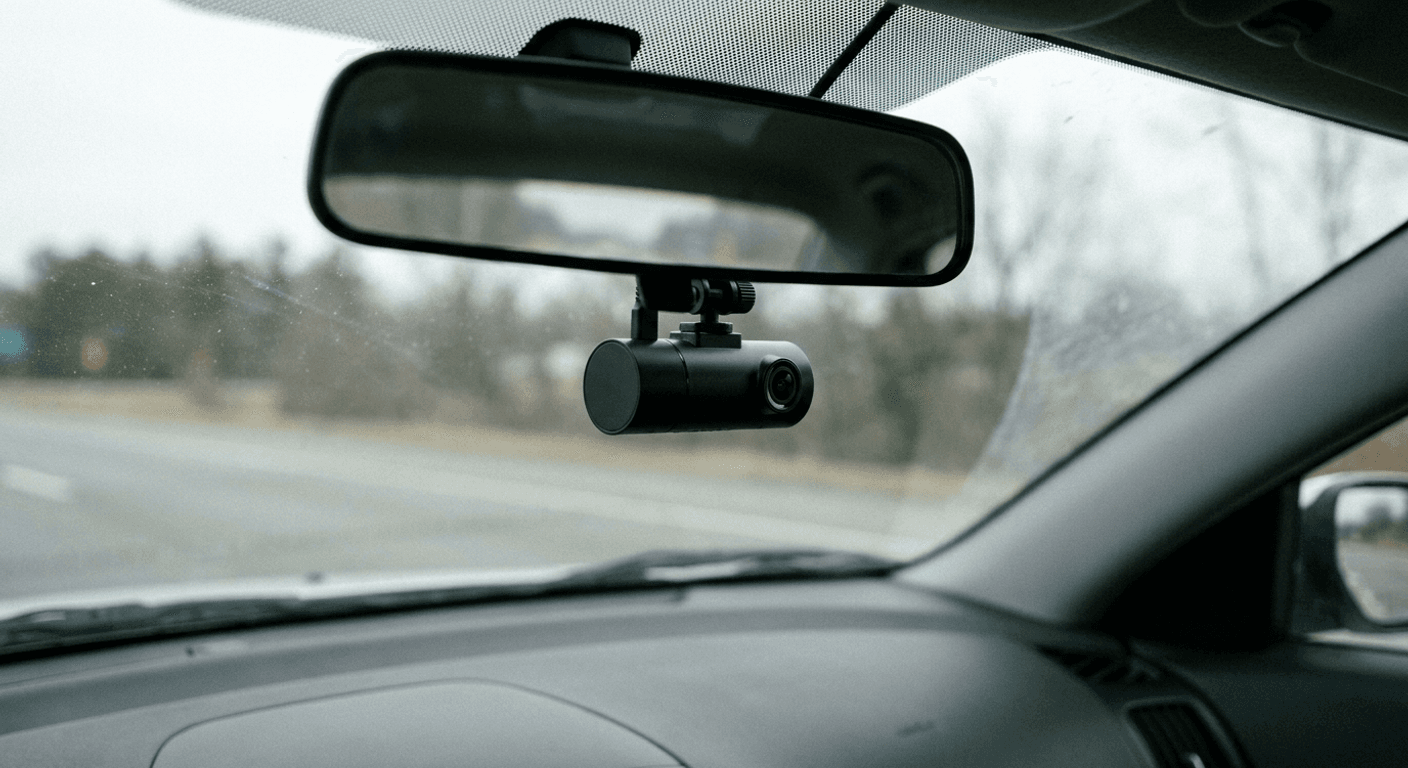
Italy's Codice della Strada (C.d.S., the Highway Code) was substantially rewritten by Legge 25 novembre 2024, n. 177, published in the Gazzetta Ufficiale, Serie Generale n. 280, on 29 November 2024 and in force since 14 December 2024. It reached mobile phone use, new-driver restrictions, drink-driving consequences, electric scooters and how repeated speed-camera detections are fined.
This page focuses on what actually changed on that date, drawn from the current, in-force text of the amended articles rather than from how the reform was described in the press while it was still a bill. Some provisions carry their own separate, later start dates; where that is the case, this page says so.
Information verified on 20 July 2026. This page provides general legal information and does not constitute legal advice for an individual situation.
What changed, and when
The reform does not all run on one clock. The core changes to phone use, new-driver limits, drink-driving codes and the new short-suspension mechanism took effect on 14 December 2024, 15 days after publication, along with the electric scooter helmet duty. The scooter number-plate requirement and mandatory third-party insurance, by contrast, were phased in later during 2026 under separate ministerial timelines, covered below.
Mobile phones: before and after
Art. 173, comma 3-bis, C.d.S. is the core provision. Comparing its pre-reform and current text shows the reform did more than raise a fine.
| Before 14 December 2024 | From 14 December 2024 | |
|---|---|---|
| First offence fine | 165 to 660 euro | 250 to 1.000 euro |
| First offence suspension | None | 15 days to 2 months |
| Second offence within 2 years, fine | 165 to 660 euro | 350 to 1.400 euro |
| Second offence within 2 years, suspension | 1 to 3 months | 1 to 3 months |
The change that matters most in practice is the second row. Before the reform, a first phone-use violation carried a fine only; no suspension attached unless the driver reoffended within two years. From 14 December 2024, every first offence carries a suspension as well, on top of a higher fine.
That ordinary suspension range, 15 days to 2 months, is not the whole story for a driver whose points balance has already dropped. The new sospensione breve mechanism, covered next, can replace it with a shorter, but automatic and immediate, suspension.
The new short suspension: art. 218-ter C.d.S.
Art. 218-ter is an entirely new article, not an amendment to an existing one. It applies where, at the moment a listed violation is recorded, the driver's licence already shows fewer than 20 points. The list is specific: phone use (art. 173, comma 3-bis), running a red light (art. 146, comma 3), several right-of-way violations (art. 145, comma 10), and other named behavioural violations, rather than every point-losing offence in the code.
Where it applies, the suspension is 7 days if the balance is still 10 points or above, or 15 days if it has fallen below 10, doubled if the driver caused an accident, including a single-vehicle run-off-road. Unlike an ordinary suspension, this one does not wait for a Prefetto's decree: the officer who records the violation withdraws the licence on the spot, and the suspension runs from that withdrawal. It also reaches foreign-licensed drivers through a separate points-in-a-database mechanism.
This provision connects directly to the points balance covered in our guide to Italy's licence points system: a driver who still holds a full or near-full balance faces only the ordinary suspension ranges described above, while a driver who has already lost points from earlier violations faces this additional, automatic consequence.
Scenario: a phone-use stop, before and after the points threshold
A driver with 14 points remaining is stopped for using a handheld phone. Because the balance is below 20 but at least 10, art. 218-ter applies: a 7-day suspension attaches automatically, on top of the 5-point deduction and the 250 to 1.000 euro fine. A second driver, otherwise identical but holding a full 20-point balance, is not reached by art. 218-ter at all, and faces only the fine, the point loss, and the ordinary 15-day-to-2-month suspension under art. 173 itself.
New drivers: three years of restrictions, not one
Art. 117, comma 2-bis, C.d.S. governs the power a category B licence holder may drive in their early years. The reform changed both the limit itself and how long it applies.
| Before 14 December 2024 | From 14 December 2024 | |
|---|---|---|
| Power cap | 55 kW per tonne | 75 kW per tonne |
| M1 vehicle ceiling | 70 kW | 105 kW |
| Electric or plug-in hybrid | Separate 65 kW per tonne rule | Covered by the same 105 kW M1 ceiling |
| Restriction period | First year only | First three years |
The restriction period is the change most likely to catch a driver by surprise. A licence obtained before 14 December 2024 was restricted for its first year only; one obtained from that date is restricted for three years, matching the speed restriction already in force under art. 117, comma 2. The fine for driving outside these limits, 165 to 660 euro plus a suspension of 2 to 8 months, is unchanged.
Scenario: buying a car against the new power cap
A driver who passes their test in January 2025 wants to buy a car rated at 90 kW with a kerb weight of 1.100 kg, a specific power of roughly 82 kW per tonne. That exceeds the current 75 kW per tonne cap, and the restriction now runs three years from licensing, not one. A driver who assumes the old one-year window still applies would drive the car unlawfully for two years longer than expected.
Drink driving: alcolock and mandatory licence codes
Before 14 December 2024, a conviction for driving under the influence carried the consequences already set out in art. 186 C.d.S., fines, possible arrest, licence suspension or revoca, and confisca of the vehicle, depending on the blood alcohol level recorded. The reform added two entirely new provisions, commi 9-ter and 9-quater, that did not exist in any form before.
Where a driver is convicted under art. 186, comma 2, lettera b) (0,8 to 1,5 g/l) or lettera c) (above 1,5 g/l), the licence, once returned, must carry unionale code 68 (no alcohol at all) and code 69 (restricted to vehicles fitted with an alcolock device meeting standard EN 50436). The codes stay for at least two years for a lettera b) conviction, or at least three years for lettera c), and can run longer if the medical commission reviewing the licence extends the period. Driving in breach of these codes adds a third to the underlying sanctions, and doubles them if the alcolock device has been tampered with.
This is separate from the zero-tolerance rule at art. 186-bis C.d.S., unchanged by the reform, which still applies to drivers under 21, drivers in their first three years, and professional drivers: a level above 0,0 and up to 0,5 g/l for those drivers carries a fine of 168 to 672 euro, doubled if an accident resulted.
Electric scooters: helmet now, plate and insurance later
The reform extended the helmet requirement to every monopattino elettrico rider, regardless of age, from 14 December 2024. Before the reform, a helmet was required only for riders under 18.
Two further obligations were added but phased in on their own schedules through the Ministero delle infrastrutture e dei trasporti. An identification plate (contrassegno) became mandatory from 16 May 2026, and mandatory third-party liability insurance followed from 16 July 2026, after the Ministry granted insurers a short extension. Both dates have now passed. One further point raised in early reporting, whether scooters may still circulate on cycle paths under the same terms as before, is not something this page can confirm against a primary source; check current Ministry guidance directly rather than relying on this page or secondary reporting for that specific point.
Speed cameras: a driver-favourable change
Art. 142 C.d.S. gained a new comma 6-ter. Where the same vehicle is caught by an automated device more than once, on stretches of road under the same road authority, within one hour, the driver is fined once, for the more serious violation increased by one third, rather than fined separately for each detection, where that is more favourable to the driver. The one-hour window runs from the first violation detected.
A second, less favourable change reached the lowest speed band. Where a driver exceeds the limit by 10 to 40 km/h inside a built-up area at least twice within a year, the fine rises from 173 to 694 euro to 220 to 880 euro, with an added suspension of 15 to 30 days, a consequence that did not exist for that band before the reform. The fine bands for the higher speed bands, red lights and right-of-way violations were not changed by Legge 177/2024.
Scenario: three flashes in forty minutes on the same road
A driver travels a stretch of provincial road managed by a single enti proprietario for 40 minutes, triggering an automated speed device three times, each recording a speed 45 km/h over the limit. Before the reform, this risked three separate fines. Under the current comma 6-ter, because all three detections fall within one hour and one road authority, the driver instead faces a single fine, calculated on the most serious violation and increased by one third.
What this reform did not change
Several figures a reader may encounter elsewhere, including in other Italy driving guides, were already current before 14 December 2024 and were left untouched by this reform: the point values in the official points table, the fine bands for running a red light and for right-of-way violations, and the basic structure of the drink-driving bands under art. 186 itself. Treat any source that attributes those figures specifically to the December 2024 reform with caution. For the points table itself, see our guide to Italy's licence points system. For the rest of Italy's driving and traffic coverage, see the Italy hub.
Frequently Asked Questions
When did Italy's 2024 highway code reform take effect?
Legge 177/2024 was published in the Gazzetta Ufficiale on 29 November 2024 and took effect on 14 December 2024. A small number of its provisions, including the electric scooter plate and insurance duties, started later in 2026 under separate ministerial timelines.
What changed for using a phone while driving?
The first-offence fine rose to 250 to 1.000 euro, and a suspension of 15 days to 2 months now applies even on a first offence, which was not the case before. A second offence within two years carries 350 to 1.400 euro and a suspension of 1 to 3 months.
What is the new sospensione breve, or short suspension?
A new article, art. 218-ter C.d.S., adds an automatic 7 or 15 day suspension to several violations, including phone use, whenever the driver's points balance is already below 20 at the time of the violation. It is applied on the spot by the officer, not by a later Prefetto order.
How long do new-driver restrictions last after the reform?
Three years from licensing, up from one year before the reform. The power cap for category B licences also rose from 55 kW per tonne to 75 kW per tonne, with a 105 kW ceiling for M1 vehicles including electric and plug-in hybrid cars.
What are licence codes 68 and 69?
New codes attached to a licence after a drink-driving conviction at 0,8 g/l or above: code 68 requires complete abstinence from alcohol while driving, and code 69 restricts the holder to vehicles fitted with an alcolock device. They remain for at least two or three years depending on the level recorded.
Do electric scooter riders need a helmet now?
Yes, riders of any age, since 14 December 2024. Before the reform, the helmet duty applied only to riders under 18.
Do electric scooters need a number plate and insurance yet?
Both requirements were added by the reform but phased in later: a plate from 16 May 2026 and mandatory third-party insurance from 16 July 2026. Both dates have already passed.
Did the reform change speeding fines?
Not the basic fine bands, which were already current. It added a favourable rule for multiple detections by the same automated device within one hour on the same road, treated as a single fine, and a stricter rule for repeated low-range speeding inside built-up areas.
Sources and References
- Legge 25 novembre 2024, n. 177, Interventi in materia di sicurezza stradale e delega al Governo per la revisione del codice della strada(normattiva.it).gov
- Gazzetta Ufficiale, Serie Generale n. 280 del 29 novembre 2024, pubblicazione della Legge 177/2024(gazzettaufficiale.it).gov
- Codice della Strada, art. 173 (Uso di apparecchi durante la guida)(normattiva.it).gov
- Codice della Strada, art. 218-ter (Sospensione della patente in relazione al punteggio)(normattiva.it).gov
- Codice della Strada, art. 117 (Limitazioni nella guida)(normattiva.it).gov
- Codice della Strada, art. 186 (Guida sotto l'influenza dell'alcool), commi 9-ter e 9-quater(normattiva.it).gov
- Codice della Strada, art. 186-bis (Guida sotto l'influenza dell'alcool per conducenti di età inferiore a ventuno anni, neopatentati e conducenti professionali)(normattiva.it).gov
- Codice della Strada, art. 142 (Limiti di velocità), comma 6-ter(normattiva.it).gov
- Ministero delle infrastrutture e dei trasporti, Sicurezza stradale: stretta del MIT sui monopattini, contrassegni identificativi obbligatori(mit.gov.it).gov
- Ministero delle infrastrutture e dei trasporti, MIMIT-MIT: obbligo assicurazione monopattini dal 16 luglio(mit.gov.it).gov
- Ministero delle infrastrutture e dei trasporti, Patente a punti(mit.gov.it).gov
- Portale dell'Automobilista, Tabella dei punteggi previsti dall'art. 126-bis del Codice della Strada(ilportaledellautomobilista.it).gov