
Alabama
Alabama E-Scooter Laws: Sidewalk, Helmet & Age Rules (2026)
Independently fact-checked against primary sources (last audited July 23, 2026). · Law checked current as of August 9, 2026. · 3 primary sources cited on this page. How we verify our legal content
This article is general information about Alabama e-scooter laws and is not legal advice. If you were cited under a local ordinance or were involved in a scooter-related crash, check the current city rule directly or consult an Alabama attorney. Information last verified on 23 July 2026.
Are e-scooters legal in Alabama?
Yes, and Alabama is one of the states that actually legislated on the subject rather than staying silent. Act 2019-437 (originally Senate Bill 312), passed in 2019 and codified in Title 32 of the Code of Alabama, created scooter-specific definitions and a framework specifically built around SHARED micromobility systems, meaning rental fleets like the ones cities such as Birmingham have authorized.
What the Act does not do is spell out, in equally clear terms, how it treats a privately owned electric scooter that a person bought and rides on their own, outside of any rental system. That gap is a genuinely open legal question under the statute as written, covered in detail in the rider rules section below. Readers who only ride shared/rental scooters through an app can rely on the framework below with more confidence than someone riding a personally owned device.
What counts as an e-scooter in Alabama
Ala. Code § 32-1-1.1(62), added by Act 2019-437, defines "scooter" as a device weighing less than 100 pounds that has handlebars and an electric motor, is solely powered by the electric motor or human power, and has a maximum speed of no more than 20 mph on a paved level surface when powered solely by the electric motor. The definition specifically excludes an e-bike, an electric personal assistive mobility device (EPAMD), a Segway, a motorcycle, or a moped.
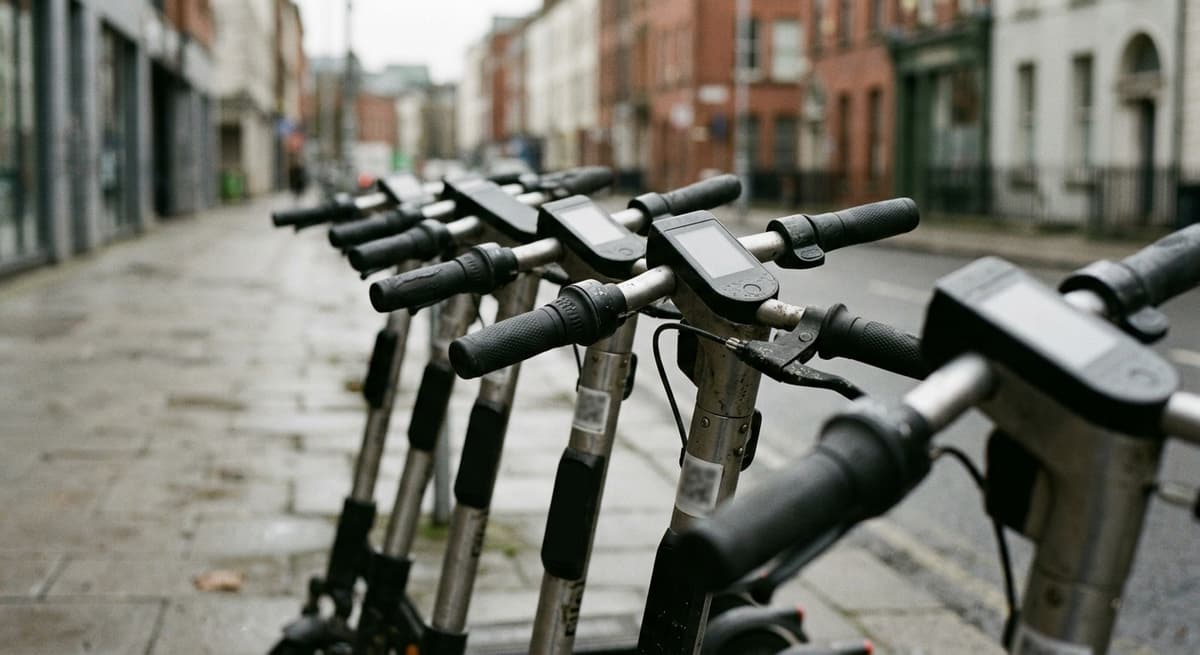
The Act separately defines a broader concept, "shared micromobility device," at § 32-1-1.1(66), covering a bicycle, electric bicycle, tricycle, scooter, hoverboard, skateboard, pedal car, or similar device used in a "shared micromobility device system," meaning a system that rents these devices out for short-term use, docked or dockless. The definition carries one express carve-out: it does not reach a device used as an electrical personal assistive mobility device by an individual with disabilities. The rules described in this article below (local authorization, bicycle rights and duties, the registration exemption) are written around that shared-system framework specifically.
Where you can ride
A shared micromobility device system may not operate or deploy devices on the public highways or bikeways of Alabama without first getting authorization or permission from the applicable county or municipality. That means, practically, that where you can legally ride a rental scooter in Alabama depends on whether your city or county has entered into that kind of authorization arrangement, and on whatever terms that agreement sets.
Once a shared system is authorized, riders of shared devices get the same rights and duties as a bicycle rider under Alabama's traffic title. Act 2019-437 does not itself state a separate, statewide sidewalk-specific rule for scooters beyond that bicycle-rights framework and a parking rule (below), so sidewalk access in practice follows whatever your city's authorization agreement or general bicycle ordinance provides. Riders may not park a shared device on a sidewalk in a way that impedes the normal movement of pedestrian or other traffic.
Rider rules
- Age: No statewide numeric age floor applies under Act 2019-437 itself. Counties and municipalities MAY condition their authorization of a shared system on age requirements, safety rules, maintenance requirements, or other conditions they consider advisable, meaning any age minimum you encounter riding a shared scooter in Alabama most likely comes from a local authorization agreement or the operator's own policy, not a statewide law.
- Helmet: There is no statewide helmet mandate in the Act. As with age, a local authorization agreement could add one.
- License, registration, insurance (shared devices): A shared micromobility device is explicitly not a "motor vehicle" for these purposes, and Act 2019-437 exempts it from Alabama's insurance, license-plate, registration, operator's-license, and title requirements. The obligation to carry insurance sits with the SYSTEM OPERATOR instead: the company running a shared program must carry commercial general liability insurance of at least $1,000,000 per occurrence.
- Privately owned scooters, unresolved: This is the open question flagged above. The registration, insurance, and licensing exemption in § 32-19-2(d) applies, by its own text, only to a device used "in a shared micromobility device system." Alabama's general vehicle definitions do not clearly carve out a privately owned, battery-powered standup scooter the way they carve out human-powered devices, rail-bound devices, or EPAMDs. That creates real tension with the common claim, repeated on many consumer sites, that a personal e-scooter is simply legal in Alabama with no license needed. This page is not resolving that question either way; it is flagging it as unsettled and worth independent legal advice if it matters to your situation, for example if you were cited while riding a personally owned scooter.
Penalties
This research did not locate a specific, itemized penalty schedule for scooter-related violations in Act 2019-437 itself. Penalties for operating a shared system without local authorization, or for violating a local authorization agreement's terms, would most likely be set at the local level rather than in the state Act. Check your city or county's own ordinance, or the citation you received, for a specific fine amount.
Enforcement in practice
No statewide enforcement data specific to e-scooters was located for this research. What is documented is the structural point above: because the state framework routes most of the actual rider-facing rules (age, safety conditions) through local authorization agreements rather than setting them itself, enforcement in Alabama is likely to vary meaningfully by city depending on what that city's agreement with its scooter operator says. Enforcement patterns do not change the underlying legal status and are not permission to ride outside whatever rules do apply.
Birmingham e-scooter rules
Birmingham partners with shared-scooter operators including Veo and Lime. Local news coverage describes a minimum rider age, a speed cap, and a sidewalk restriction for Birmingham's shared program, but this research did not verify those specific figures against the city's own ordinance text, which returned only a JavaScript-rendered shell to automated fetch attempts. Because the wave brief for this article specifically flags those numbers as unconfirmed, this page does not restate them as fact. Anyone riding in Birmingham should check the current rules directly at birminghamal.gov or in the operator's own app rather than relying on a secondhand figure.
If a scooter-related crash happens on an Alabama road, the state's general DUI and injury rules can still apply; see RecordingLaw's Alabama DUI Laws and Alabama Car Accident Laws pages, and RecordingLaw's E-Scooter Laws by State hub to compare Alabama's rules to other states.
Frequently Asked Questions
Does Alabama have an e-scooter law?
Yes. Act 2019-437 (SB312) defines 'scooter' and 'shared micromobility device' and requires shared/rental scooter systems to get local authorization before operating on public highways or bikeways.
Is there a minimum age to ride an e-scooter in Alabama?
No statewide minimum age applies under the Act itself. Counties and municipalities may set an age requirement as a condition of authorizing a shared scooter system, so any age minimum you encounter likely comes from a local agreement or the rental operator's own policy.
Do I need a helmet to ride an e-scooter in Alabama?
No statewide helmet mandate exists in Act 2019-437. A local authorization agreement could add one for a shared program.
Is a privately owned (non-rental) e-scooter legal in Alabama?
This is genuinely unresolved. Act 2019-437's registration and insurance exemption applies by its text only to devices used in a shared system, and Alabama's general vehicle definitions do not clearly exempt a privately owned electric scooter, creating an open legal question rather than a settled answer.
Do I need to register or insure a shared e-scooter in Alabama?
No. A shared micromobility device is not treated as a motor vehicle, and riders don't need registration, insurance, plates, or a driver's license for it. The insurance obligation instead falls on the company operating the shared system.
Can shared scooter systems operate anywhere in Alabama?
No. A shared micromobility device system must first get authorization from the applicable county or municipality before operating or deploying devices on public highways or bikeways.
Are Birmingham's e-scooter rules different from the rest of Alabama?
Birmingham has an active shared-scooter program with operators including Veo and Lime, and local news describes specific age, speed, and sidewalk rules for it, but those figures were not verified against the city's primary ordinance text in this research. Check birminghamal.gov or your operator's app directly.
Updates
Corrected the governing act number to Act 2019-437 (the page had cited Act 2019-361, an unrelated law), updated the definition pin cites to the current Ala. Code § 32-1-1.1(62) and (66), and completed the shared micromobility device definition with electric bicycles and its disability-related exclusion.
Governing law re-checked for recent changes
Independently fact-checked against the cited primary sources
The Law Behind This Article
This article rests on the statutory provisions below, held in our own legal record and retrieved from the official source. Tap a section to read the operative text.
Code of Alabama 1975, Title 32: Motor Vehicles and Traffic.
§ 32-19-2Operation of Shared Micromobility Device Systems.In force
(a) A shared micromobility device system may not operate or deploy shared micromobility devices on the public highways or bikeways of the state without first obtaining authorization or permission from the applicable county or municipality in which the shared micromobility device system will be operated. (b) Every person riding a shared micromobility device shall be granted all of the rights and shall be subject to all of the duties applicable to the rider of a bicycle in this title, except as to specific provisions in this section and except as to those specific provisions in this title which by their nature can have no application. (c) A person may not park a shared micromobility device on a sidewalk in a manner that impedes the normal or reasonable movement of pedestrian or other traffic or in violation of county or municipal parking regulations. (d) A shared micromobility device is not a motor vehicle and is not subject to the provisions of this title relating to insurance, license plates, registration, operator’s licenses, or certificates of title.
Official text (excerpt) · last checked 2026-09-07 · Read the full text in our law library · Verify at alison.legislature.state.al.us
§ 32-1-1.1Definitions.In forcecited in 2 of our articles
The following words and phrases when used in this title have the following meanings, except when the context otherwise requires: (1) ALLEY. A street or highway intended to provide access to the rear or side of lots or buildings in urban districts and not intended for the purpose of through vehicular traffic. (2) ARTERIAL STREET. Any federal or state numbered route, controlled-access highway, or other major radial or circumferential street or highway designated by local authorities within their respective jurisdictions as part of a major arterial system of streets or highways. (3) AUTHORIZED EMERGENCY VEHICLE. Fire department vehicles, police vehicles, and ambulances that are publicly owned, and other publicly or privately owned vehicles that are designated by the director or the chief of police of an incorporated city. (4) BICYCLE. Every device propelled by human power upon which any individual may ride, having two tandem wheels either of which is more than 14 inches in diameter. (5) BUS.
Official text (excerpt) · last checked 2026-07-29 · Read the full text in our law library · Verify at alison.legislature.state.al.us
Cited in 7 court opinions in our collectionLatest citing opinion in our collection: 2023
Opinions citing this section in our collection:
- Garrett v. Alfa Mut. Ins. Co. (Supreme Court of Alabama 1991, 584 So. 2d 1327)“…statutory definition of "implement of husbandry," found at Ala. Code 1975, § 32-1-1.1 (25): "IMPLEMENT OF HUSBANDRY. Ever…”
- Morris v. State (Court of Criminal Appeals of Alabama 1994, 659 So. 2d 980)“…l person, firm, copartnership, association or corporation.” Ala.Code 1975, § 32-1-1.1(42). The propriety of the appellant’s c…”
- Mozingo v. City of Dothan (Court of Criminal Appeals of Alabama 1991, 603 So. 2d 1119)“…ve-quoted portions of § 32-6-19 are specifically defined in Ala.Code 1975, § 32-1-1.1: “(7) CANCELLATION OF DRIVER’S LICENS…”
Identified automatically from the court opinions citing this section — not a ranking of which case controls.
Also relied on in: Is Lane Splitting Legal in Alabama? Code 32-5A-242 (2026)
Search our full record of US law — 2.1 million sections, every state + federal →
Sources and References
- Alabama SB312, enacted as Act 2019-361: scooter and shared micromobility device definitions, Ala. Code § 32-1-1.1(60), (64)-(65)(alison.legislature.state.al.us).gov
- Alabama Act 2019-361, § 32-19-2: local authorization requirement, rider rights and duties, and vehicle-registration exemption for shared micromobility devices(alison.legislature.state.al.us).gov
- Alabama Act 2019-361, § 3: effective date provision(alison.legislature.state.al.us).gov
- RecordingLaw.com, Alabama DUI Laws(recordinglaw.com)
- RecordingLaw.com, Alabama Car Accident Laws(recordinglaw.com)
- Ala. Code § 32-1-1.1(62) (SCOOTER), (66) (SHARED MICROMOBILITY DEVICE), (67) (SHARED MICROMOBILITY DEVICE SYSTEM), history note listing Act 2019-437, § 1(alison.legislature.state.al.us)
- Ala. Code § 32-19-2, Operation of Shared Micromobility Device Systems: local authorization, bicycle rights and duties, sidewalk parking, registration and insurance exemption, $1,000,000 operator policy; history note "(Act 2019-437, § 2.)"(alison.legislature.state.al.us)
Paid attorney referral. RecordingLaw may receive compensation when you use an attorney-help link. RecordingLaw is not a law firm. Submitting a request does not guarantee that an attorney will accept your case and does not create an attorney-client relationship.