
Spain
Perros PPP in Spain: The Dangerous-Dog Licence and Insurance Rules (2026)
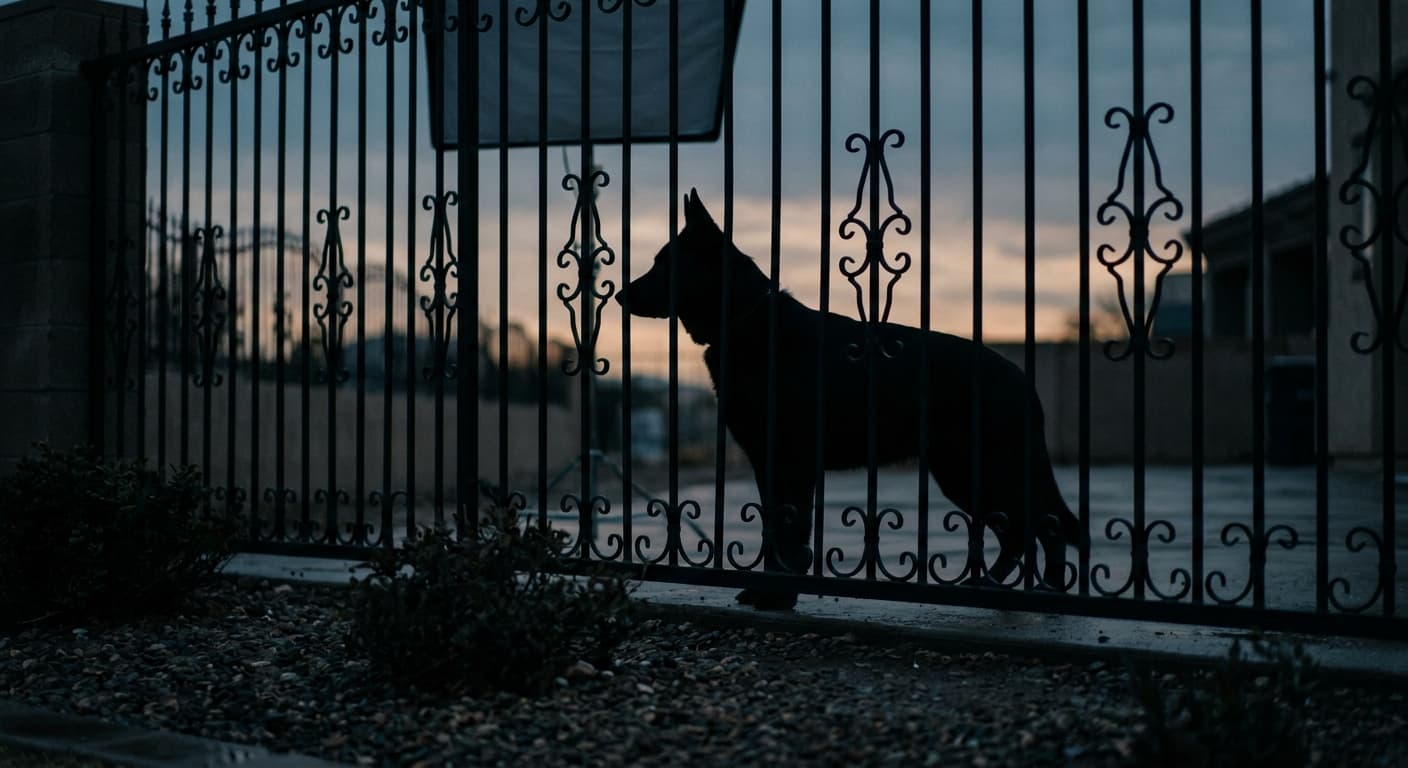
Spain treats certain dogs, by breed or by behaviour, as perros potencialmente peligrosos (PPP), a legal category with its own licence, its own insurance floor, and its own rules for public spaces. Two statutes work together to define it: Ley 50/1999 sets the framework, and RD 287/2002 fills in the detail, including the breed list and the figure most owners actually want to know.
Information last verified on 23 July 2026. This page provides general legal information about Spanish law and does not constitute legal advice in an individual case.
Which dogs count as PPP
Art. 2 of RD 287/2002 defines the category in three separate ways, and a dog only needs to meet one of them. The first is breed: the Anexo I list names eight breeds, the Pit Bull Terrier, Staffordshire Bull Terrier, American Staffordshire Terrier, Rottweiler, Dogo Argentino, Fila Brasileiro, Tosa Inu and Akita Inu, and their crosses.
The second is appearance rather than pedigree: a dog that matches most of a set of physical criteria in Anexo II, things like a powerful, muscular, athletic build and a marked, strong character, can be classed as PPP even without a matching breed, unless it is an accredited guide or assistance dog.
The third does not depend on breed or build at all. Any dog of any kind that shows a markedly aggressive character, or that has actually attacked a person or another animal, is treated as potentially dangerous under the same rules (art. 2.2 RD 287/2002).
The municipal licence
Keeping a PPP dog requires a licencia administrativa from the town hall where the holder lives, and both Ley 50/1999 and RD 287/2002 set out what it takes to get one. The applicant must be an adult, capable of caring for the animal, and must not have been convicted of homicide, injury, torture, offences against freedom or moral integrity, sexual offences, offences against public health, or membership of an armed group or drug trafficking, nor have been stripped by a court of the right to keep potentially dangerous animals.
The applicant also needs a certificado de aptitud psicológica confirming they are fit to hold the animal, and must not have been sanctioned for a grave or very grave infraction carrying one of the accessory penalties under art. 13 of Ley 50/1999. The last requirement is the one owners ask about most: civil-liability insurance covering damage to third parties, with a minimum of 120,000 euros, specifically set in RD 287/2002 rather than in Ley 50/1999 itself, which only says the amount will be fixed by regulation. The licence is valid for five years, renewable for further five-year periods, and lapses automatically the moment its holder stops meeting any of these conditions.
Penalties for skipping it
Ley 50/1999 grades infractions into three bands. Fines for minor infractions run from 150.25 to 300.51 euros, grave infractions from 300.52 to 2,404.05 euros, and very grave infractions from 2,404.06 to 15,025.30 euros. Keeping a PPP dog without the required licence is itself classed as a very grave infraction, in the same category as abandoning a potentially dangerous animal or transferring one to someone who has no licence. Enforcement sits with the comunidades autónomas and the competent municipal authorities, not with a national body, so the actual process for a given infraction runs through local channels.
Rules in public spaces
RD 287/2002 art. 8 sets the handling rules that apply once a PPP dog leaves the home. The handler must carry the licence and a certificate confirming the animal's registration in the municipal register. The dog must wear a muzzle appropriate to its build, and must be led on a chain or leash that is non-extensible and under 2 metres long, with a strict limit of one such dog per person.
At home, a PPP dog kept in a finca, chalet, terrace, patio or similarly enclosed space must be tied up unless the space has an enclosure of sufficient size, height and construction to contain it safely. If the animal is lost or stolen, the holder must report it within a maximum of 48 hours.
The 2023 animal-welfare law: a parallel track, not a replacement
Ley 7/2023 introduced two rules that touch every dog owner in Spain, not only PPP owners. Art. 30.1 requires anyone taking on a dog to complete a training course, free of charge and valid indefinitely, with its content to be set by regulation. Art. 30.3 goes further and requires civil-liability insurance for the whole life of the animal, covering the people responsible for it, but the amount of that coverage is left to a future reglamento rather than fixed in the statute itself. As of this writing, no such implementing regulation setting that minimum has been identified, so the general insurance mandate exists on paper without a confirmed figure attached to it.
What Ley 7/2023 does not do is fold the PPP regime into itself. Its text never once mentions Ley 50/1999 or the concept of a perro potencialmente peligroso. The breed list, the licence, the 120,000-euro insurance floor, and the muzzle-and-leash rules in RD 287/2002 continue to apply on their own terms, alongside the newer general obligations that now apply to every dog owner regardless of breed.
For the separate question of what majority a comunidad de propietarios needs to regulate pets or install cameras in shared areas, see the homeowners-association page. For the wider consumer-facing topics this site covers in Spain, start at the consumer-rights section.
This page is general legal information about Spanish law and does not constitute legal advice in an individual case. The controlling texts are the current versions in the BOE.
Frequently Asked Questions
What breeds are considered perros potencialmente peligrosos in Spain?
RD 287/2002's Anexo I names eight breeds, including the Pit Bull Terrier, the Staffordshire Bull Terrier, the American Staffordshire Terrier, the Rottweiler, the Tosa Inu and the Akita Inu, plus their crosses. Separately, any dog matching most of the physical criteria in Anexo II, or any dog that has shown aggressive behaviour or attacked a person or animal, is also classed as PPP regardless of breed (art. 2 RD 287/2002).
How much insurance does a PPP dog owner need in Spain?
At least 120,000 euros of civil-liability insurance covering damage to third parties, a figure set in RD 287/2002 art. 3.1.e, not in Ley 50/1999 itself. Separately, Ley 7/2023 also requires insurance for every dog, PPP or not, but leaves that general minimum to a future regulation that has not been confirmed as published.
What happens if I keep a dangerous dog without a licence in Spain?
It is treated as a very grave infraction under Ley 50/1999 art. 13, carrying a fine between 2,404.06 and 15,025.30 euros. Lesser breaches of the PPP rules fall into lower fine bands. The comunidad autónoma or municipality where you live handles enforcement.
Do I need a muzzle for a potentially dangerous dog in public in Spain?
Yes. RD 287/2002 art. 8 requires a muzzle suited to the dog's build in any public place, along with a non-extensible leash under 2 metres and a limit of one such dog per handler. The handler must also carry the licence and the animal's municipal registration certificate.
Does Ley 7/2023 replace the perros potencialmente peligrosos regime?
No. Ley 7/2023 adds a training-course requirement and a general insurance mandate for all dogs, but it never mentions Ley 50/1999 or the PPP category anywhere in its text. The breed list, licence, 120,000-euro insurance floor and public-space rules in RD 287/2002 continue to apply independently, alongside the newer obligations.
Sources and References
- Ley 50/1999, de 23 de diciembre, sobre el régimen jurídico de la tenencia de animales potencialmente peligrosos, arts. 3 y 13(boe.es).gov
- Real Decreto 287/2002, de 22 de marzo, por el que se desarrolla la Ley 50/1999, arts. 2, 3 y 8(boe.es).gov
- Ley 7/2023, de 28 de marzo, de protección de los derechos y el bienestar de los animales, art. 30(boe.es).gov