
South Africa
South Africa Recording Laws: RICA and POPIA at a Glance (2026)
Independently fact-checked against primary sources (last audited July 23, 2026). · 2 primary sources cited on this page. How we verify our legal content
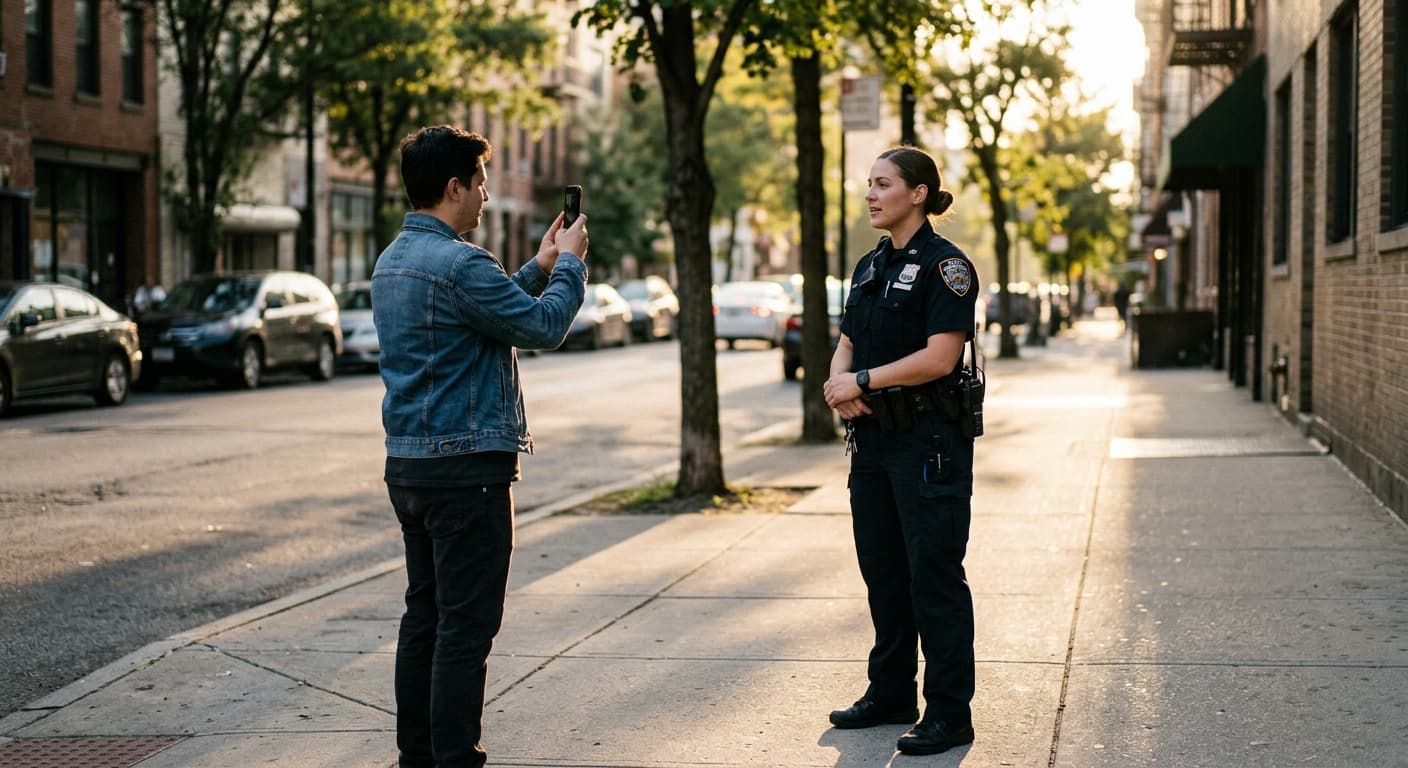
South Africa follows a one party consent framework for recording conversations, set out in RICA, and a separate data protection framework, POPIA, that governs what happens to a recording once it exists. This page is a short overview and directory for the recording and surveillance topics on this site.
Information last verified on 23 July 2026. This page provides general legal information about South African law and does not constitute legal advice in an individual case.
RICA: One Party Consent
RICA section 2 prohibits intercepting a communication without lawful authority. Section 4 then supplies the rule that matters for most everyday questions: any person who is a party to a communication may record it, without telling the other participants, unless the recording is made for the purpose of committing an offence. Section 5 covers a third party who is not part of the conversation, who needs the prior written consent of one participant. Section 6 lets a business record communications on its own systems for record keeping or detecting unauthorised use, subject to reasonable advance notice to users. Unlawful interception under section 49 carries a penalty, under section 51(1)(b)(i), of a fine of up to R2 million or imprisonment of up to 10 years.
These rules are covered in full, with the specific scenarios of phone calls, meetings, workplace monitoring and admissibility in court, on Recording Conversations in South Africa, and in the broader country overview at South Africa's recording laws.
POPIA: What Happens After You Record
RICA governs whether making a recording is lawful. The Protection of Personal Information Act 4 of 2013 (POPIA) is a separate statute governing what happens to a recording once it exists, if it contains another person's personal information. POPIA section 6(1)(a) states that the Act "does not apply to the processing of personal information in the course of a purely personal or household activity," which is why a recording you keep only for yourself generally sits outside POPIA. Sharing, publishing or using a recording for a business purpose can bring POPIA's conditions for lawful processing back into play. Our POPIA explained guide covers the eight conditions in detail.
CCTV and Cameras
A CCTV camera raises the same household exclusion question in a different context: a homeowner's camera pointed only at their own property is generally personal use, while a camera pointed at a neighbour's home, a public street, or used for a business or a gated estate, brings POPIA's ordinary processing conditions into play, alongside remedies such as a privacy interdict or a protection order. See CCTV and Neighbour Cameras for the detail.
Two Different Statutes, Two Different Questions
It helps to keep RICA and POPIA separate in your own mind when a recording or a camera is involved. RICA answers the question "was I allowed to make this recording in the first place." POPIA answers a different question that only arises once a recording exists: "what am I now allowed to do with it, given that it may contain someone else's personal information." A recording can clear the RICA question easily, because you were a participant, and still raise a POPIA question the moment you share, publish or store it somewhere beyond your own personal use.
What Is in This Topic
- Recording Conversations in South Africa: phone calls, meetings, disciplinary hearings, workplace monitoring, silent video, and whether a recording is admissible in court or before the CCMA.
- CCTV and Neighbour Cameras: the household exclusion, the Information Regulator's draft Code of Conduct on Gated Accesses, and the remedies available against an intrusive camera.
- Drone Laws: the SACAA flight rules for private and commercial drones, and the privacy rules that apply to what a drone films.
For the wider South Africa hub, including labour, traffic, criminal records and data protection law, see South Africa Laws.
This page is general legal information about South African law and is not legal advice. For advice on a specific situation, consult an attorney, or contact Legal Aid South Africa on 0800 110 110 if you cannot afford one.
Frequently Asked Questions
Is it legal to record a conversation in South Africa?
Yes, if you are a party to the conversation. RICA section 4 allows any person who is taking part in a communication to record it, without telling the other participants, unless the recording is made for the purpose of committing an offence.
Is it a crime to intercept a conversation between other people?
Generally yes, unless an exception applies. RICA section 5 allows a third party who is not part of the conversation to record it only with the prior written consent of one of the parties. Recording a conversation you are not part of, without that written consent or a judicial warrant, can be the offence RICA section 49 creates.
Does RICA cover CCTV cameras?
RICA is aimed at intercepting communications, not general video surveillance of a property. CCTV footage is mainly a question for POPIA, which applies once the footage involves an identifiable person's personal information beyond a purely personal or household use.
Which law governs what happens to a recording after it is made?
RICA governs whether making a recording is lawful in the first place. POPIA governs what you may do with a recording once it exists, if it contains someone else's personal information, such as storing, sharing or publishing it.
What happens if someone breaks the recording rules in South Africa?
Unlawful interception under RICA carries a penalty, fixed by section 51(1)(b)(i), of a fine of up to R2 million or imprisonment of up to 10 years. A recording made or used unlawfully can also expose the person responsible to a separate civil claim under the common law or POPIA.
Updates
Independently fact-checked against the cited primary sources
Sources and References
- Regulation of Interception of Communications and Provision of Communication related Information Act 70 of 2002 (RICA), sections 2, 4, 5 and 6(justice.gov.za).gov
- Protection of Personal Information Act 4 of 2013 (POPIA), section 6(1)(a) (purely personal or household exclusion)(inforegulator.org.za).gov
- South Africa recording laws: RICA's one party consent rule, penalties and the AmaBhungane update(recordinglaw.com)
- Recording conversations in South Africa: scenarios and evidence(recordinglaw.com)
- CCTV and neighbour cameras: POPIA and your remedies(recordinglaw.com)