
South Africa
CCTV and Neighbour Cameras in South Africa: POPIA and Your Remedies (2026)
Independently fact-checked against primary sources (last audited July 23, 2026). · 4 primary sources cited on this page. How we verify our legal content
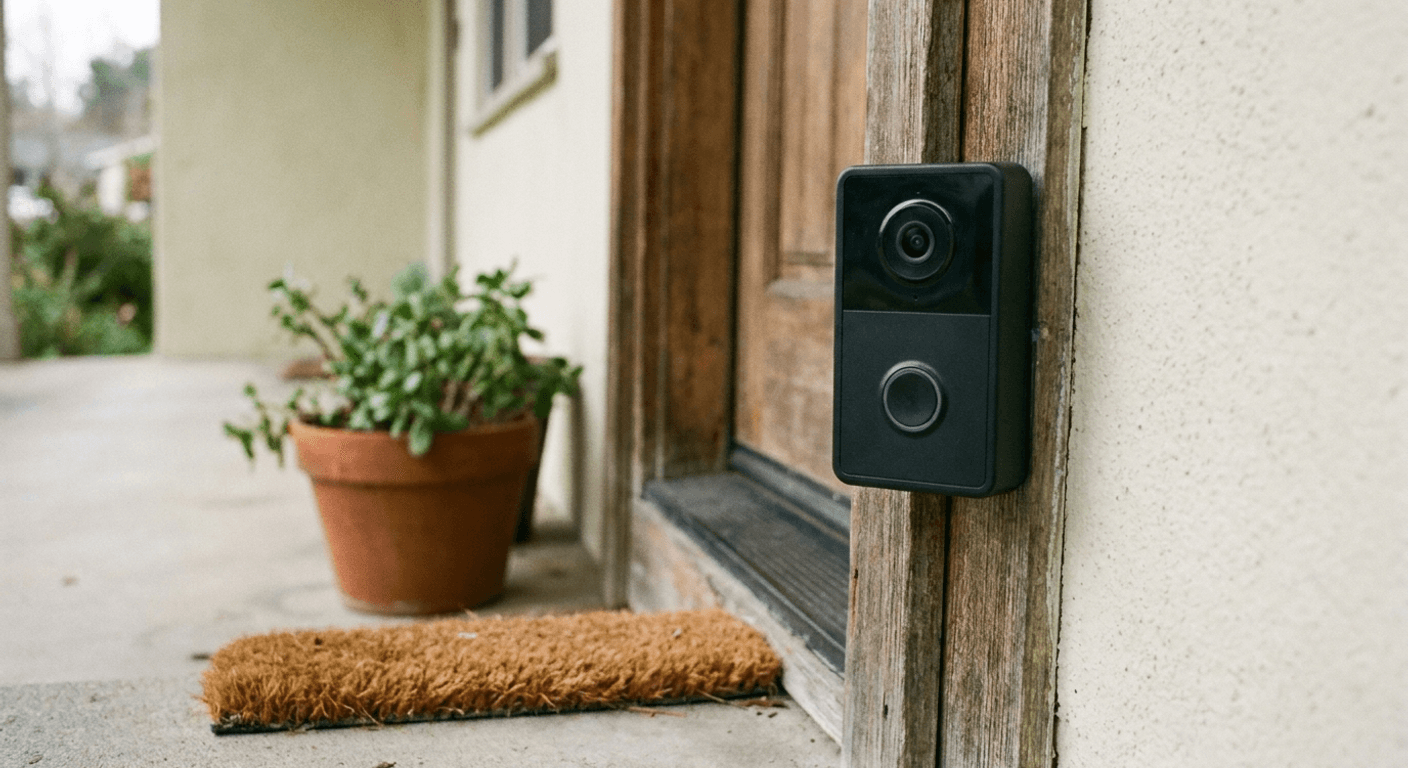
CCTV cameras, doorbell cameras and estate surveillance systems raise a data protection question separate from RICA's rules on recording conversations: whether the Protection of Personal Information Act 4 of 2013 (POPIA) applies to the footage, and what a person can do about a camera pointed at their own property. See POPIA Explained for the eight conditions POPIA sets for lawful processing generally.
Information last verified on 23 July 2026. This page provides general legal information about South African law and does not constitute legal advice in an individual case.
The Household Exclusion, and Where It Plausibly Ends
POPIA section 6(1)(a) states that the Act "does not apply to the processing of personal information in the course of a purely personal or household activity." A homeowner's camera that captures only their own property, used only for their own security, generally falls inside this exclusion.
That exclusion plausibly stops applying once the camera's reach goes beyond your own property. A camera angled to capture a neighbour's yard, windows or movements, or footage from a camera covering a public street, is no longer confined to a purely personal or household purpose in the same way, and POPIA's full processing conditions, such as purpose specification and security safeguards, can come back into play. The same is true where a camera is run for a business, or as part of a body corporate or estate wide system rather than a single household. No Information Regulator guidance or reported case fixes the exact boundary of where "purely personal" ends for a neighbour facing camera; this is a reasoned application of the exclusion's own wording and the general "reasonable expectation of privacy" idea used in South African privacy law, not a settled bright line rule.
No Finalised CCTV Guidance Note, But a Draft Code Is in Progress
The Information Regulator has not issued a finalised guidance note specifically on CCTV or video surveillance. Its own published list of Guidance Notes covers direct marketing, the personal information of voters, special personal information, the personal information of children, personal information in managing Covid-19, and the personal information of a voter by a political party, and nothing else. If you see a claim online that the Regulator has settled CCTV guidance, it is not reflected on the Regulator's own published list as of this writing.
What does exist is a draft. Government Gazette No. 54594 of 30 April 2026 published the Information Regulator's Own Initiative Code of Conduct on the Processing of Personal Information at Gated Accesses, whose stated purpose includes to "regulate high risk technologies (including CCTV and biometric systems)" at gated developments and estates. The notice itself is marked "Draft 03" and was published for public comment, with a short comment window that has already closed. Nothing in the published notice indicates the code has been finalised or formally adopted as binding law. Treat this code, for now, as a real and relevant signal of where regulation is heading for CCTV at gated estates, not as current, enforceable law. A reader relying on this page after its publish date should check the Regulator's own guidance notes and gazette pages before assuming the code has since become final.
Body Corporate and Sectional Title CCTV
A body corporate's CCTV system in a sectional title scheme is not governed by a CCTV specific rule, but is still subject to the general Sectional Titles Schemes Management Act conduct rule framework and, independently, to POPIA's ordinary processing conditions: the body corporate or trustees, as the responsible party, need a lawful purpose, must give notice, and must secure the footage.
Remedies for a Neighbour's Intrusive Camera
No reported South African case squarely decides a dispute over a neighbour's camera pointed at someone else's property, but two real legal routes are available.
A common law privacy interdict. South African law recognises a general right to privacy. A person whose reasonable expectation of privacy is invaded by a neighbour's camera, for example one capturing the inside of their home or a bathroom window, has a common law claim and can approach a court for an interdict ordering the camera removed, repositioned, or its use stopped. This is standard privacy law doctrine, applied to the facts of the specific camera and its field of view, rather than a rule from one named judgment.
A protection order under the Protection from Harassment Act 17 of 2011. The Act defines "harassment" as directly or indirectly engaging in conduct that "causes harm or inspires the reasonable belief that harm may be caused" by, among other things, unreasonably "following, watching, pursuing or accosting" a person, or loitering near where they live. A camera persistently trained on a person's home, windows or movements is a plausible fit for "watching" under this definition, giving a real route to a protection order from a Magistrates' Court, separate from and in addition to any POPIA or common law claim. See Protection Orders for how to apply for one. No reported case applying this Act specifically to a neighbour camera dispute was found; this is a statutory reading, not a case tested outcome.
Business and Public CCTV
A shop, office, or any organisation running CCTV for business or security purposes is processing personal information in the ordinary course of business, not a purely personal or household activity, so POPIA's full set of conditions applies: a lawful purpose, appropriate notice (commonly a sign at the entrance), security safeguards for the footage, and limits on how long footage is kept and who it is shared with. See POPIA Explained for the eight conditions in full.
Recording Instead of Just Watching
A camera capturing video only, with no audio, is a different question from RICA's rules on recording a conversation. RICA is aimed at communications, defined around speech and information transmitted over a telecommunications system, not at silent visual surveillance of a place. So a standalone CCTV camera generally does not raise a RICA question at all, whether it belongs to you or a neighbour. What it does raise, immediately, is a POPIA question, because footage of an identifiable person is personal information regardless of whether it captures any sound. See Recording Conversations in South Africa for how the analysis changes once a camera also records audio, or where a video call rather than a standalone camera is involved.
For how RICA treats recording a conversation rather than filming a property, see Recording Conversations in South Africa. For the wider South Africa hub, see South Africa Laws.
This page is general legal information about South African law and is not legal advice. For advice on a specific situation, consult an attorney, or contact Legal Aid South Africa on 0800 110 110 if you cannot afford one.
Frequently Asked Questions
Do I need to register my home CCTV camera with the Information Regulator?
No. A homeowner's camera capturing only their own property for their own personal use generally falls within POPIA's exclusion for purely personal or household activity, and POPIA does not apply to it.
Is there an Information Regulator guidance note on CCTV in South Africa?
No finalised guidance note on CCTV or video surveillance currently appears on the Regulator's own published Guidance Notes list. A draft Code of Conduct on Gated Accesses, published in Government Gazette 54594 on 30 April 2026, addresses CCTV at gated estates, but it remains a draft out for comment, not final law.
What can I do if my neighbour's camera is pointed at my property?
Two remedies are available: a common law privacy interdict where the camera invades a reasonable expectation of privacy, and a protection order under the Protection from Harassment Act 17 of 2011, whose definition of harassment includes watching a person or their home.
Does a body corporate need special permission to install CCTV in a complex?
There is no CCTV specific rule in the Sectional Titles Schemes Management Act itself, but a body corporate's CCTV system is still governed by the scheme's general conduct rules and, separately, by POPIA's ordinary conditions for lawful processing, since the body corporate is a responsible party for the footage it collects.
Does POPIA apply to a business's CCTV cameras?
Yes. A business running CCTV is processing personal information in the ordinary course of business, not a personal or household activity, so it must meet POPIA's conditions for lawful processing, including having a lawful purpose, giving notice, and securing the footage.
Updates
Independently fact-checked against the cited primary sources
Sources and References
- Protection of Personal Information Act 4 of 2013 (POPIA), section 6(1)(a) (purely personal or household exclusion)(inforegulator.org.za).gov
- Information Regulator, published Guidance Notes list (no CCTV or video surveillance guidance note currently appears on it)(inforegulator.org.za).gov
- Information Regulator, Government Gazette No. 54594 (30 April 2026): Notice of the draft Own Initiative Code of Conduct on the Processing of Personal Information at Gated Accesses (Draft 03, published for comment)(inforegulator.org.za).gov
- Protection from Harassment Act 17 of 2011, section 1 (definition of harassment, including watching)(justice.gov.za).gov
- Recording conversations in South Africa: scenarios and evidence(recordinglaw.com)
- POPIA Explained: the eight conditions, your rights and the penalties(recordinglaw.com)