
Canada
Executor Duties in Canada: Estate Trustee Guide
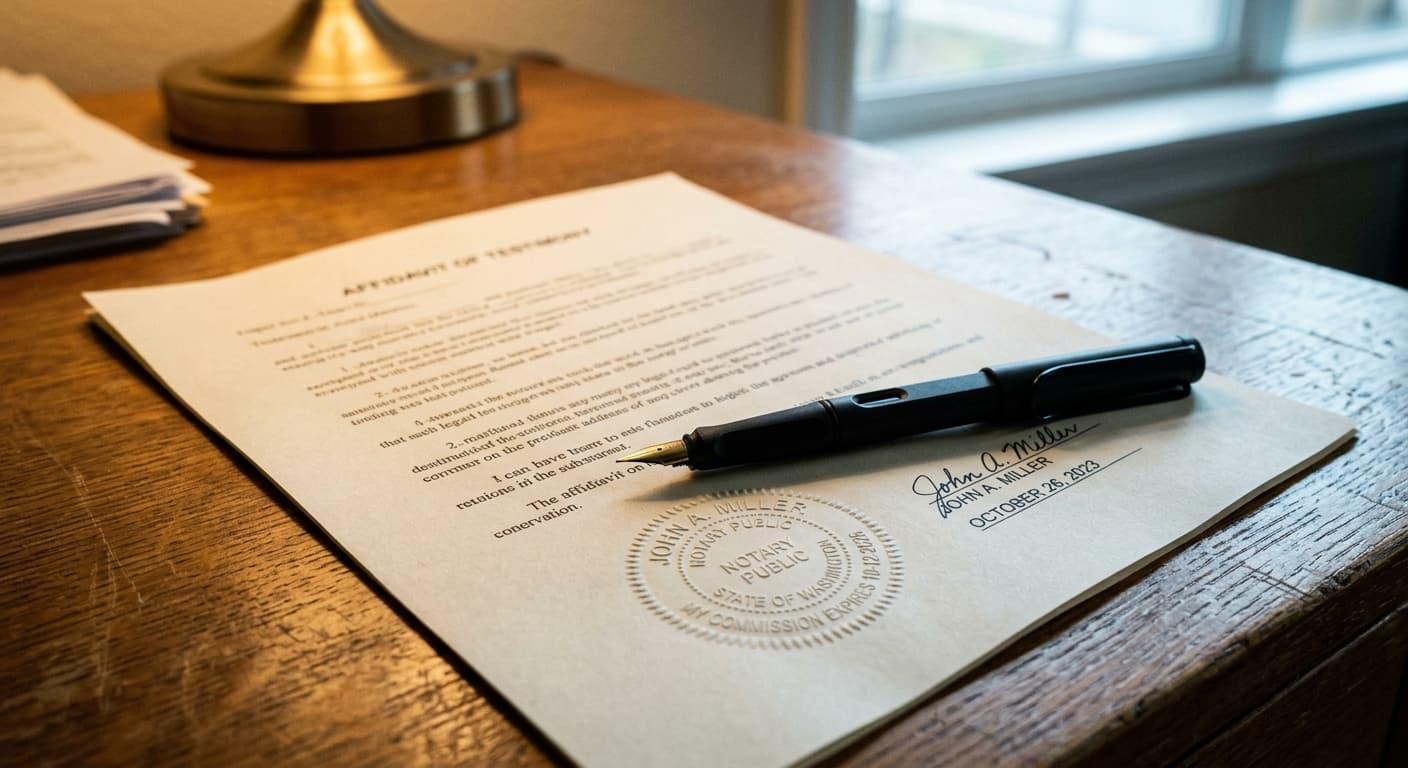
An executor, called an estate trustee in Ontario and a liquidator in Quebec, is the person legally responsible for locating the will, applying for probate if it is needed, paying the deceased's debts and taxes, and distributing what remains to the beneficiaries.
What an Executor Is Called Across Canada
Every province gives the deceased's estate to someone who winds it up, but the title and the source of that person's authority differ.
| Province or territory | Title used | Appointed by |
|---|---|---|
| Ontario | Estate trustee (with a will, or without a will) | Named in the will, confirmed by a Certificate of Appointment of Estate Trustee |
| Quebec | Liquidator (liquidateur) | Named in the will, or by the heirs if none is named |
| All other provinces and territories | Executor (with a will) or administrator (without a will) | Named in the will, or appointed by the court on intestacy |
Whatever the title, the underlying job is the same: gather in the estate, pay what it owes, and hand over what is left to the people entitled to it. For how the court confirms that authority, see Probate in Canada.
Step 1: Locate the Will and the Death Certificate
The first task is finding the most recent valid will, any codicils (amendments), and ordering several certified copies of the death certificate from the provincial vital statistics office. Banks, land registries, and the CRA will all ask for a certified copy. If no will can be found, the estate is treated as an intestacy and a court-appointed administrator takes over instead of an executor.
Step 2: Determine Whether Probate Is Needed
Not every estate needs to go through probate. Small estates, estates that pass entirely by beneficiary designation (life insurance, registered accounts with a named beneficiary), or estates held in joint tenancy often bypass it. But a bank, brokerage, or land registry office will usually insist on a probated will before releasing a large account or transferring real estate out of the deceased's name. Ontario's Estate Administration Tax and simplified Small Estate Certificate, British Columbia's Probate Fee Act, and the other provincial fee schedules are covered in full in Probate in Canada; the Canada probate fee calculator estimates the court fee by province. In Quebec, a notarial will never needs probate at all; see the Quebec section below.
Step 3: Identify and Secure the Estate's Assets
Once appointed, the executor must take an inventory: bank and investment accounts, real estate, vehicles, business interests, pensions, and personal property. Property should be insured and secured (a vacant house needs its insurer notified), accounts should be frozen or retitled to the estate, and ongoing bills (mortgage, utilities, property tax) need to keep being paid from estate funds so nothing lapses during administration.
Step 4: Notify Beneficiaries and Creditors
The executor must tell the beneficiaries named in the will that they are beneficiaries, and, once probate is granted, notify known creditors so they can present claims. Many provinces allow (or expect) a public notice to creditors; waiting a set period after that notice before distributing gives the executor some protection against creditors who surface later. This is also the stage where a beneficiary who disputes the will's validity, a bequest, or the executor's conduct is most likely to raise it; see Contesting a Will in Canada for how those disputes proceed.
Step 5: Pay Debts, Funeral Costs, and Taxes
Debts and the funeral bill are paid out of the estate before any beneficiary receives a distribution. If the estate cannot cover everything, provincial law sets the order in which debts are paid (secured debts, funeral and testamentary expenses, then unsecured creditors ahead of beneficiaries). An executor who pays out beneficiaries first and then discovers unpaid debts can be personally on the hook for the shortfall.
Step 6: File the Final Tax Return and Get a CRA Clearance Certificate
The executor must file the deceased's final T1 personal income tax return (covering January 1 to the date of death), plus any optional returns and, if the estate earned income while being administered, a T3 estate trust return. Once the CRA has assessed all outstanding returns and confirmed there is no tax owing, it will issue a tax clearance certificate. This confirms that income tax, interest, and penalties for the period covered have been paid or secured.
An executor who distributes the estate to beneficiaries before getting that clearance certificate can be held personally liable for any tax the CRA later finds is owing, up to the value already distributed. This is the single biggest liability trap in the whole process, and it is why experienced executors wait for the certificate even when beneficiaries are pressing for their share.
Step 7: Distribute the Estate and Account to Beneficiaries
With debts paid, taxes cleared, and any waiting period expired, the executor transfers the remaining assets to the beneficiaries as the will (or the intestacy rules) directs. Executors should keep a clear accounting of every receipt and disbursement and be prepared to share it with beneficiaries or, if asked, pass the accounts before the court. A release from each beneficiary, confirming they accept the final accounting and distribution, is common practice and reduces the risk of a later dispute.
Executor Compensation
An executor is entitled to be paid for the work, not just reimbursed for expenses. There is no single national formula, but courts across the common-law provinces commonly use a guideline of up to about 5% of the estate (often broken down as a percentage of capital and income receipts and disbursements, plus a smaller annual care and management fee for estates administered over more than one year). That percentage is a starting point, not an entitlement: a court can review compensation on application by a beneficiary and reduce it if the work done does not justify the amount claimed, or if the will itself sets a different fee. Many wills leave the amount to be agreed with the beneficiaries or set out a specific fee instead of relying on the guideline.
Personal Liability of an Executor
Accepting the role of executor means accepting personal responsibility for doing it correctly. The main risks are:
- Distributing before the CRA clearance certificate, leaving the executor liable for unpaid tax.
- Paying beneficiaries before all debts and creditor claims are resolved, leaving the executor liable for the shortfall.
- Mismanaging or losing estate assets through neglect (for example, letting a property sit uninsured).
- Missing a filing deadline, such as Ontario's 180-day Estate Information Return.
- Favouring one beneficiary or a personal interest over the fair administration of the estate (a breach of the executor's fiduciary duty).
Executors are not expected to be lawyers or accountants, and hiring an estate lawyer or accountant to help with probate, tax filings, or contested claims is a proper estate expense, not something the executor must absorb personally.
What If You Do Not Want to Be Executor?
Being named in a will does not force anyone to act. A named executor can renounce the role, usually by signing a simple renunciation form filed with the probate court, so long as this happens before doing any act that only an executor could do, such as paying an estate bill or collecting an estate asset. Doing one of those things first can be treated as intermeddling, which may prevent a later renunciation and can leave the person tied to the role. Anyone unsure whether they want to act should get advice and decide before taking any step on the estate's behalf, not after. An executor who has already started administering the estate but wants out generally needs the court's permission to be replaced, rather than a simple renunciation.
Quebec: The Liquidator's Distinct Duties
Quebec's Civil Code replaces the executor with a liquidator, and the process differs from the rest of Canada in several ways. The liquidator must draw up a formal inventory of the deceased's property and debts, search the RDPRM (the register of personal and movable real rights) for any charges or hypothecs (secured claims) against estate property, and, once debts and taxes are settled, prepare and register a declaration of transmission confirming which heirs or legatees receive which property. A will made before a notary is an authentic act and needs no court probate at all; a holograph will or a will made before witnesses must instead be verified (probated) by a notary or the Superior Court for a modest fixed fee. The full settlement process, including these Quebec-specific steps, is covered in Quebec Estate Settlement.
Disclaimer: This article provides general information about executor and estate trustee duties in Canada and is not legal or tax advice. Probate procedures, tax rules, and provincial estate law change over time and vary by province; consult a lawyer or accountant licensed in the relevant province, or the Canada Wills, Probate & Estates hub, for guidance on a specific estate.
Frequently Asked Questions
What is the difference between an executor, an estate trustee, and a liquidator?
They describe the same role under different provincial law. Executor is used in most of Canada, estate trustee is Ontario's term (used in both the Certificate of Appointment of Estate Trustee With a Will and Without a Will), and liquidator is Quebec's Civil Code term for the person who settles a succession.
How long does an executor have to settle an estate in Canada?
There is no single fixed deadline for the whole process, but pieces of it are time-bound: Ontario requires an Estate Information Return within 180 days of the certificate being issued, and the final tax return has its own CRA deadline. Courts generally expect an estate to be wound up within about a year, sometimes called the executor's year, though complex estates can reasonably take longer.
Can an executor also be a beneficiary?
Yes. It is common, and legal, for an executor to also inherit under the same will. The executor still owes the same duties to all beneficiaries and cannot favour their own share over anyone else's.
How much does an executor get paid in Canada?
There is no fixed statutory rate. Courts commonly use a guideline of up to about 5% of the estate value, though the exact approach and any court review of that amount vary by province, and a will can set its own fee instead.
What happens if an executor does not apply for probate?
Small or simple estates, or ones made up mostly of jointly held or beneficiary-designated assets, can sometimes be settled without probate. But banks, brokerages, and land registries typically will not release large accounts or transfer real estate without a probated will, so most estates with significant assets end up needing it regardless.
Can I refuse to act as executor?
Yes, by renouncing the role before doing anything that only an executor can do. Once someone has started acting, such as paying an estate bill or collecting an estate asset, renouncing becomes much harder and may require the court's involvement instead.
Updates
Ontario introduced the simplified Small Estate Certificate process for estates valued at $150,000 or less, reducing the paperwork an estate trustee needs to file for smaller estates.
Sources and References
- Ontario Estate Administration Tax(ontario.ca).gov
- Canada Revenue Agency: Tax clearance certificate for a deceased person's estate(canada.ca).gov
- British Columbia: Wills, estates and the probate process(gov.bc.ca).gov
- Quebec.ca: Settling a succession (role of the liquidator)(quebec.ca).gov
- Canada Revenue Agency: Doing taxes for a deceased person(canada.ca).gov