
Australia
Rental Bonds in Australia: Caps, Lodgement and Schemes by State
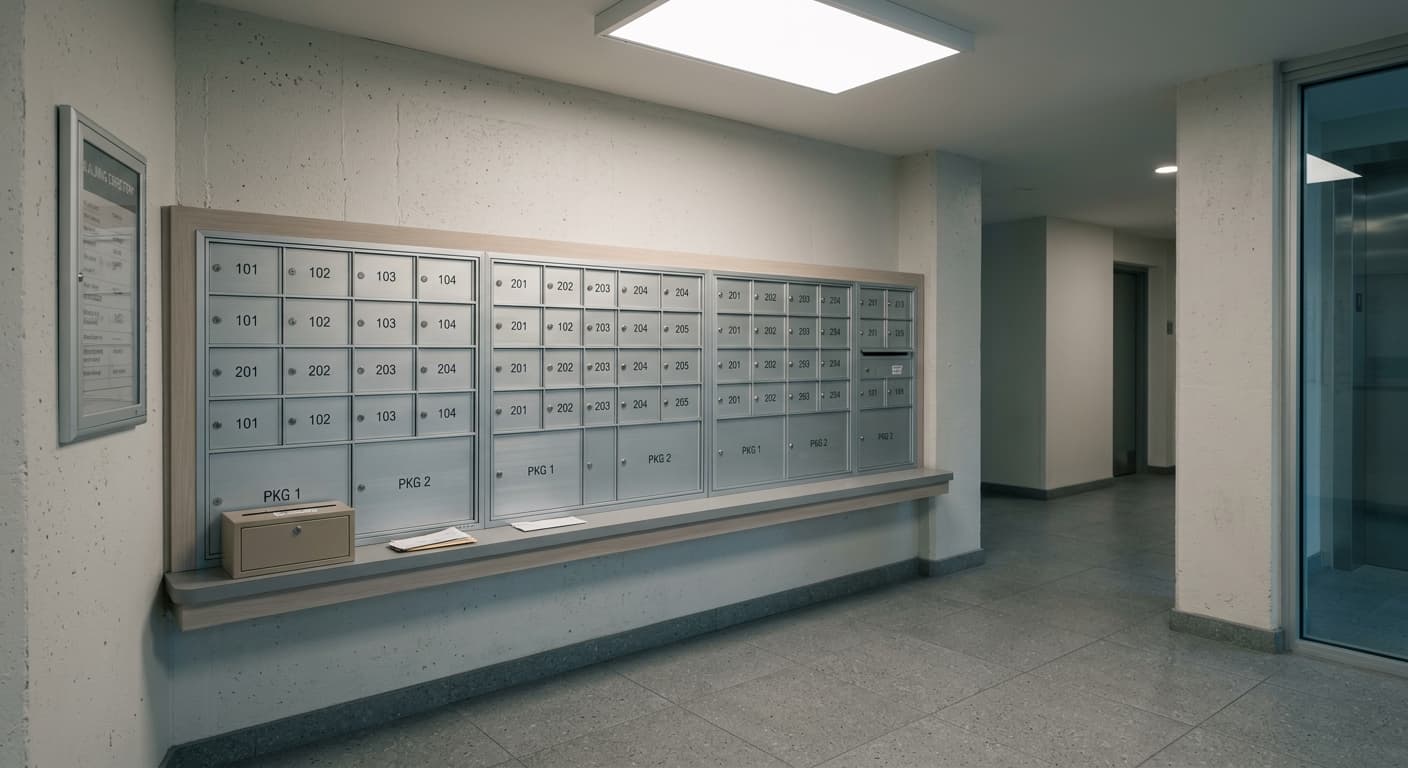
Every Australian state and territory caps a residential bond at around four weeks' rent, but the scheme that holds it, the lodgement deadline and any high-rent exception differ sharply, and the Northern Territory has no lodgement authority at all.
Jurisdiction scope: This page compares residential bond rules, the scheme that holds the money, lodgement deadlines and high-rent thresholds across all eight Australian states and territories. It is general legal information, verified 19 July 2026, not legal advice on your own tenancy.
What Is a Bond, and Who Holds It?
A bond, the correct Australian term rather than any other name used in other countries, is money a tenant pays at the start of a tenancy as security against unpaid rent or damage beyond fair wear and tear, refundable at the end of the tenancy subject to any agreed or tribunal-ordered deductions. In every jurisdiction except the Northern Territory, the bond must be lodged with a government or government-appointed authority within a set deadline, rather than held by the landlord. That authority, not the landlord, holds the money on trust for the life of the tenancy and releases it once both parties agree, or a tribunal orders, how it should be split. The Northern Territory is the sole exception: its Act has no central lodgement authority, and the landlord or agent holds the bond directly.
Bond Caps and Schemes by Jurisdiction
| Jurisdiction | Maximum bond | Scheme | Lodgement deadline | High-rent threshold |
|---|---|---|---|---|
| NSW | 4 weeks' rent | Secretary / Rental Bonds Online | 10 business days | None |
| VIC | 1 month's rent | RTBA (Residential Tenancies Bond Authority) | 10 business days | $900/week exactly; no cap above it |
| QLD | 4 weeks' rent | RTA (Residential Tenancies Authority) | 10 days | None (old $700/week tier abolished 30 Sep 2024) |
| WA | 4 weeks' rent (pet bond capped $350) | Bonds Administration, Consumer Protection WA | 14 days | $1,200/week |
| SA | 4 weeks' rent (6 weeks above threshold) | Commissioner, Residential Tenancies Fund | 4 weeks via agent / 2 weeks otherwise | $800/week exactly |
| TAS | 4 weeks' rent | Rental Deposit Authority | 10 working days (agent/social housing/council); a self-managing owner may not receive it, so it is paid straight to the Authority | None |
| ACT | 4 weeks' rent | ACT Rental Bonds Office | 2 weeks (landlord) / 4 weeks (agent) | None |
| NT | 4 weeks' rent | No central authority; held in trust by the landlord/agent | n/a | None |
New South Wales: A Flat Cap and a New Bond-Transfer Scheme
New South Wales caps a bond at four weeks' rent with no exception for expensive properties, unlike Victoria, South Australia or Western Australia. The bond is lodged with the Secretary, in practice through Rental Bonds Online, within 10 business days of receipt under sections 159 and 162 of the Residential Tenancies Act 2010 (NSW). Section 186A of the Act lets the regulations set up a bond roll-over scheme, and Part 3B of the Residential Tenancies Regulation 2019, which commenced 1 July 2026, does so under the name Smart Rental Bonds. The scheme opened to renters moving into or within the Parramatta, Central Coast and Penrith council areas in August 2026, and the NSW Government announced on 16 September 2026 that it is now available in all areas of NSW. The principal tenant applies through Rental Bonds Online and pays a $25 fee plus any amount by which the new bond exceeds the old one; the same tenants must be moving together, the old tenancy must end within 4 weeks of the application, and no claim can already have been made on the old bond. If the government pays the old landlord a claim on the old bond, the renter must repay it. A renter who does not use the scheme pays a fresh bond on the new tenancy while the previous one works through the refund process.

Victoria: One Month's Rent, a $900 Threshold and a Live Portable Scheme
Victoria's standard bond cap is one month's rent, lodged with the RTBA within 10 business days under section 406 of the Residential Tenancies Act 1997 (Vic). The cap does not apply where the rent is exactly $900 a week or more, under regulation 17, letting landlord and tenant agree a higher bond for higher-rent properties. Victoria's most significant recent bond change is its Portable Rental Bond Scheme, added as Division 3A (sections 423A to 423ZD) of the Act. It commenced 30 June 2026 and was publicly launched 1 July 2026, so it has been operating for about three weeks as of this page's verification date. An eligible tenant can transfer an existing bond to a new tenancy instead of waiting for a refund and lodging a fresh one, easing the cash-flow gap that otherwise arises when moving.
Queensland: A Flat Four Weeks Since the High-Rent Tier Was Abolished
Queensland caps a bond at four weeks' rent, lodged with the Residential Tenancies Authority within 10 days under section 116 of the Residential Tenancies and Rooming Accommodation Act 2008 (Qld). Queensland previously ran a higher bond tier for properties renting at $700 a week or more, but that tier was abolished on 30 September 2024. A Queensland bond is now a flat four weeks regardless of how high the rent is, which is a materially different position from Victoria, South Australia or Western Australia, all of which still allow a higher bond above a rent threshold.
Western Australia: The Highest Threshold, and a Separate Pet Bond
Western Australia caps a standard bond at four weeks' rent, lodged with Bonds Administration at Consumer Protection WA within 14 days. The high-rent threshold in Western Australia is $1,200 a week under regulation 11, the highest of the three jurisdictions that have one. Western Australia also permits a separate pet bond, capped at $350, on top of the standard bond, which is not a feature of most other states' schemes in the same form.

South Australia: A Threshold and a Higher Tier
South Australia caps a bond at four weeks' rent generally, rising to six weeks above its high-rent threshold of $800 a week exactly, under regulation 13. The bond is lodged with the Commissioner into the Residential Tenancies Fund, within four weeks if lodged through an agent or two weeks otherwise.
Tasmania and the ACT: Flat Caps, No Threshold
Tasmania and the ACT both cap a bond at four weeks' rent with no high-rent exception. In Tasmania, the bond, which the Act itself calls a security deposit rather than a bond, is lodged with the Rental Deposit Authority under section 25 of the Residential Tenancy Act 1997 (Tas). A property agent, social housing provider or council that receives the deposit must lodge it within 10 working days under section 25(3) and (3A), or, where a social housing provider or council takes it in instalments, within 10 working days after the final instalment (section 25(3B)); an owner who manages the property personally must not receive the deposit at all; the tenant pays it straight to the Rental Deposit Authority (section 25(2) and (4)). In the ACT, the bond goes to the ACT Rental Bonds Office, with a two-week lodgement deadline if the landlord lodges it directly, or four weeks if an agent does.
The Northern Territory: No Bond Authority at All
The Northern Territory is genuinely unique among the eight jurisdictions: it has no central bond-lodgement authority. Under section 29(3) and (4) of the Residential Tenancies Act 1999 (NT), the landlord or agent holds the bond in trust in an NT authorised deposit-taking institution (ADI) account rather than lodging it with a government body. The only bonds that reach a Commissioner's trust account are those unclaimed for six months or more after a tenancy ends. This is a materially different arrangement from every other jurisdiction on this page, all of which require lodgement with an independent authority from the outset, and it means an NT tenant relies on the landlord or agent's own trust-account compliance rather than a government scheme holding the money throughout the tenancy.

Getting the Bond Back: Refunds and Disputes at the End of a Tenancy
At the end of a tenancy, the bond is refunded by a claim to whichever scheme or authority holds it, or in the Northern Territory, paid back directly by the landlord since there is no authority to claim from. A joint claim, signed by both the tenant and the landlord or agent agreeing on the same split, pays out automatically in every jurisdiction that uses a lodgement authority. Problems arise only when one party claims alone, either because the other cannot be reached or because they disagree with the amount proposed.
Most jurisdictions with a lodgement authority handle a one-party claim the same broad way: the authority notifies the other party and pays out as claimed unless that party objects within a set window. In Victoria only a renter can make a one-party claim for their own benefit; a rental provider who wants any of the bond without the renter's agreement must apply to VCAT within 14 days after the tenancy ends (s419A). Western Australia is a further exception: if anyone disputes or simply does not respond within 14 days, the claim goes to the Commissioner rather than being paid out, and in Tasmania a claim lodged by the owner alone is automatically treated as a dispute. Where the jurisdictions genuinely differ is what happens next. New South Wales, Victoria, Queensland, South Australia and the ACT send an unresolved dispute to a tribunal, either directly, since NCAT, VCAT and QCAT decide applications filed with them (in Queensland, after RTA conciliation), or by automatic referral, since South Australia's Commissioner and the ACT's Territory refer a disputed claim straight to SACAT or ACAT, so the disputing party does not have to file a separate tribunal application on top of the dispute notice. Western Australia and Tasmania instead interpose an administrative decision maker, the Commissioner for Consumer Protection in WA and the Residential Tenancy Commissioner in Tasmania, who decides the dispute directly, with an appeal to the Magistrates Court rather than to a tenancy tribunal. The Northern Territory has no lodgement authority to notify in the first place: the landlord must pay the deposit back within 7 business days of the tenant giving up possession, and can only retain part of it by giving the tenant a written notice of intent to retain, a statutory declaration and supporting documents within that same 7 business day window, unless NTCAT later permits it for certain items such as unpaid rent (s113(2)).
| Jurisdiction | Who holds it | One-party claim notice/wait | Dispute forum | Time limit to dispute |
|---|---|---|---|---|
| NSW | Secretary (Rental Bonds Online) | Claim notice issued; pays out unless a party notifies of Tribunal/court proceedings within 14 days | NCAT | 14 days to notify the Secretary of NCAT/court proceedings before payout; NCAT application up to 6 months after payout (Reg cl 39(8)) |
| VIC | RTBA | Renter's claim: section 411A(2) notice issued; 14 days to apply to VCAT and notify the RTBA. A rental provider cannot claim bond money for itself alone and must apply to VCAT within 14 days of termination (s419A) | VCAT | 14 days after the notice to apply to VCAT and notify the RTBA (renter's claim); 14 days after termination for a rental provider's VCAT application (s419A) |
| QLD | RTA | Notice of claim issued; 14 days to lodge a dispute resolution request | QCAT, after RTA conciliation | 14 days to dispute, then 7 days to apply to QCAT once conciliation ends (extendable up to 3 more days) |
| WA | Consumer Protection WA (Bonds Administration) | Notice of the release application; 14 days to respond (the notice states the exact deadline), and a dispute or no response sends it to the Commissioner, who then invites submissions (10 days) | Commissioner for Consumer Protection; appeal to Magistrates Court | 7 days to appeal the Commissioner's decision before payout |
| SA | Commissioner (Residential Tenancies Fund) | Written notice issued; 14 days to lodge a written notice of dispute | Commissioner refers automatically to SACAT | 14 days (Residential Tenancies Regulations 2025 reg 15) |
| TAS | Rental Deposit Authority | Claim form given within 3 working days of termination; owner may claim alone only after 10 days (or if the tenant could not be given the form), and an owner-only claim goes straight to the Commissioner | Residential Tenancy Commissioner; appeal to Magistrates Court | 10 days to lodge a dispute after a claim form is lodged (a tenant who received the owner's claim form may also dispute before it is lodged) |
| NT | No authority; landlord/agent holds it in trust | Landlord repays within 7 business days, or gives a retention notice within that window | NTCAT | No deadline stated in the Act for the tenant's own application |
| ACT | ACT Rental Bonds Office (the Territory) | Notice given to the other party; pays out unless disputed within 2 weeks | ACAT, by automatic referral once disputed | 2 weeks to lodge a dispute notice |
Two of the deadlines above are set by regulation rather than the Act itself. In New South Wales, an NCAT application about the bond can be made up to 6 months after the bond is paid out (Residential Tenancies Regulation 2019 cl 39(8)), though only a 14-day notice of proceedings stops the payout itself. In South Australia both the dispute-notice window and a landlord's deadline to claim the bond are 14 days, set by regulation 15 of the Residential Tenancies Regulations 2025.
What a landlord or agent can deduct also varies in how precisely it is written down. The Northern Territory and the ACT itemise permitted deductions, such as damage beyond fair wear and tear and unpaid rent in both, with the NT adding utility charges, lost property and unauthorised lock changes, and the ACT adding the cost of securing the premises if keys are not returned. South Australia and Tasmania instead use a general standard, requiring the tenant to leave the property in a reasonable condition (South Australia) or as near as possible to its condition at the start of the tenancy (Tasmania), in each case accounting for reasonable wear and tear rather than listing specific deduction categories.
Interest on a held bond is a genuine point of difference, not a technicality. In South Australia, Tasmania, Queensland and the ACT, any interest the bond earns belongs to the state scheme or a tribunal trust fund rather than the tenant or landlord; in the ACT it funds tenancy information and dispute-resolution services rather than being disbursed to either party. New South Wales and the Northern Territory are different: New South Wales pays interest on a bond, at a rate set by regulation (Residential Tenancies Regulation 2019 cl 41), and in the Northern Territory, where a deposit is held in an interest bearing trust account (other than an agent's statutory trust account), the interest must be paid to whichever party the tenancy agreement specifies, or otherwise to whichever party ends up entitled to the larger share of the bond. In Victoria, investment interest goes to the Residential Bonds Investment Income Account (Residential Tenancies Act 1997 (Vic) s436). Western Australia is not addressed here; check the current position with that jurisdiction's tenancy authority before assuming a bond does or does not earn interest.
This page provides general legal information about residential bond rules across Australia, verified 19 July 2026. It is not legal advice on your own tenancy or bond dispute. For advice, consult a legal practitioner admitted in the relevant Australian state or territory, or your state or territory's tenancy authority.
For eviction and notice rules, see eviction and notice periods in Australia. For rent increase rules, see rent increase rules in Australia. For the complete jurisdiction comparison, see the Australia tenant rights hub, or go directly to New South Wales, Victoria, Queensland, Western Australia, South Australia, Tasmania, the ACT or the Northern Territory.
Frequently Asked Questions
What is the correct term for the money paid at the start of an Australian tenancy?
Bond. 'Bond' is the everyday term across Australia, although the Tasmanian Act, and parts of the Northern Territory Act, call it a 'security deposit'. It is money paid at the start of a tenancy, lodged with (or in the Northern Territory, held by) a scheme or authority, and refundable subject to agreed or tribunal-ordered deductions.
What is the maximum bond a landlord can charge?
Four weeks' rent in NSW, Queensland, Western Australia, Tasmania, the ACT and the Northern Territory (rising to six weeks above a threshold in South Australia), and one month's rent in Victoria. Western Australia, South Australia and Victoria allow a higher bond above their respective rent thresholds.
Which state has no bond-lodgement authority?
The Northern Territory. Under section 29(3) and (4) of the Residential Tenancies Act 1999 (NT), the landlord or agent holds the bond in trust directly, rather than lodging it with a government scheme. Only bonds unclaimed for six months or more reach a Commissioner's trust account.
Can I transfer my bond to a new rental instead of paying a fresh one?
In Victoria and New South Wales, yes, if you meet the scheme rules. Victoria's Portable Rental Bond Scheme has been live since 30 June 2026. New South Wales runs Smart Rental Bonds, which the NSW Government announced as available statewide from 16 September 2026, for a $25 fee. Queensland and the ACT let a bond move to a new property only where the same landlord or agent manages both (and, in Queensland, the bond amount stays the same). Elsewhere, check the current position with your state or territory's bond authority.
Does Queensland still charge a higher bond for expensive rentals?
No. Queensland's former high-rent tier, which applied at $700 a week or more, was abolished on 30 September 2024. Every Queensland bond is now a flat four weeks' rent regardless of the rent amount.
Which jurisdiction has the highest high-rent bond threshold?
Western Australia, at $1,200 a week under regulation 11. Victoria's threshold is $900 a week and South Australia's is $800 a week.
How quickly must a landlord lodge a bond?
It varies: 10 business days in NSW and Victoria, 10 days in Queensland, 14 days in Western Australia, two weeks (landlord) or four weeks (agent) in the ACT, and two to four weeks in South Australia depending on whether an agent is used. In Tasmania it is 10 working days for a property agent, social housing provider or council that receives the deposit; an owner who manages the property personally must not receive the deposit at all, and the tenant pays it straight to the Rental Deposit Authority.
Can I get a bigger bond back if I have a pet?
Western Australia allows a separate pet bond, capped at $350, in addition to the standard bond. This is not a standard feature across every jurisdiction; check your own state or territory's rules before agreeing to an additional pet-related payment.
How do I get my bond back at the end of a tenancy?
Generally by a joint claim signed by both the tenant and the landlord or agent, which pays out automatically once lodged. If only one party applies, the scheme or authority notifies the other party, and the claim proceeds as applied unless that party disputes it within the jurisdiction's window: 14 days in NSW, Victoria, Queensland and South Australia (in NSW and Victoria, disputing means applying to NCAT or VCAT, or in NSW a court, and notifying the bond authority within that window), 2 weeks in the ACT, 14 days in Western Australia (where a missed response sends the claim to the Commissioner rather than paying it out), or 10 days in Tasmania for a claim lodged by the tenant (an owner-only claim goes straight to the Commissioner). In Victoria only a renter can claim alone for their own benefit; a rental provider who wants any of the bond without the renter's agreement must instead apply to VCAT within 14 days after the tenancy ends. In the Northern Territory there is no authority at all; the landlord must pay the deposit back directly within 7 business days of the tenant giving up possession.
What happens if my landlord and I disagree about the bond refund?
It depends on the jurisdiction. In NSW, Victoria and the ACT, a timely dispute sends the matter to a tribunal (NCAT, VCAT or ACAT); in Queensland it goes first to RTA conciliation, and if that fails the disputing party must apply to QCAT within 7 days of the RTA's written notice that conciliation has ended. South Australia's Commissioner automatically refers a disputed claim to SACAT. Western Australia and Tasmania instead have an administrative decision maker, the Commissioner for Consumer Protection in WA or the Residential Tenancy Commissioner in Tasmania, decide the dispute first, with an appeal to the Magistrates Court. In the Northern Territory, the tenant can apply directly to NTCAT for the deposit once the landlord has given a retention notice, or once 7 business days pass after the tenant gives up possession without one, with no deadline stated in the Act.
Do I earn interest on my bond while it is held?
It depends on the jurisdiction. In South Australia, Tasmania, Queensland and the ACT, any interest earned on a held bond belongs to the state scheme or a tribunal trust account, not the tenant or landlord. New South Wales pays interest on a bond, at a rate set by regulation. In the Northern Territory, where a deposit is held in an interest bearing trust account (other than an agent's statutory trust account), the interest must be paid to whichever party the tenancy agreement specifies, or otherwise to whichever party ends up entitled to the larger share of the deposit. Victoria keeps the investment interest in a scheme account, and WA is not addressed on this page; check the current position with WA's tenancy authority.
Updates
Added how to get your bond back in each state and territory (claims, disputes, time limits, deductions and interest), bond transfer schemes including NSW Smart Rental Bonds, and fixed the Tasmanian lodgement deadline.
The Law Behind This Article
This article rests on the statutory provisions below, held in our own legal record and retrieved from the official source. Tap a section to read the operative text.
Residential Tenancies Act 1997 (ACT)
s 28Interest on amounts in trust accountIn forcecited in 2 of our articles
(1) This section applies to interest from the investment of any amount paid to the credit of the trust account under this part. (2) The director‑general must pay the interest into the interest trust account or the ACAT trust account. Note The ACT Civil and Administrative Tribunal Act 2008, s 115C sets out how amounts paid into the ACAT trust account may be used. (3) The director‑general may transfer amounts from the interest trust account to the ACAT trust account. (4) Interest paid into the interest trust account may be applied for the following purposes: (a) providing lessor and tenant information programs; (b) providing dispute resolution services for residential tenancy disputes; (c) facilitating assistance in the provision of residential accommodation, whether or not the accommodation is provided under this Act; (d) researching issues of concern to lessors and tenants; (e) reimbursing the costs incurred by the commissioner in instituting, defending or taking over proceedings in relation to tenancy disputes; (f) reimbursing the Territory the cost of administering this Act. (5) In this section: interest—see the Financial Management Act 1996, dictionary.
Official text (excerpt) · last checked 2026-09-28 · Read the full text in our law library · Verify at legislation.act.gov.au
Cited in 1 court opinions in our collectionLatest citing opinion in our collection: 2019
Opinions citing this section in our collection:
- Williams v Wreck Bay Aboriginal Community Council (High Court of Australia 2019, [2019] HCA 4)
Identified automatically from the court opinions citing this section — not a ranking of which case controls.
Also relied on in: ACT Tenant Rights: Eviction, Bonds and Rent Rules
Residential Tenancies Act 2010 (NSW)
s 159Payment of bondsIn force
(1) A landlord, landlord’s agent or any other person must not require or receive from a tenant or another person a rental bond of an amount exceeding 4 weeks rent under the residential tenancy agreement for which the bond was paid (as in force when the agreement was entered into). (1A) A landlord, landlord’s agent or any other person must not require or receive from a tenant a rental bond unless—(a) the landlord or landlord’s agent is registered as a user of the online rental bond service established under section 157A, and (b) the tenant has been invited by the landlord or the landlord’s agent to provide an address that can be used to invite the tenant (using the online service) to use the online service to deposit the rental bond with the Secretary, and (c) if the tenant has provided such an address—(i) the landlord or landlord’s agent has invited the tenant (using the online service) to use the online service to deposit the rental bond with the Secretary, and (ii) the tenant has been given a reasonable opportunity to use the online service to deposit the rental bond with the Secretary or has declined the invitation.
Official text (excerpt) · last checked 2026-09-28 · Read the full text in our law library · Verify at legislation.nsw.gov.au
s 163Claims for rental bondsIn forcecited in 2 of our articles
(1) A claim may be made to the Secretary for the payment of a rental bond by—(a) the tenant or an agent of the tenant, or (b) the landlord or an agent of the landlord, or (c) jointly by the landlord and the tenant or agents for them. (2) A claim is to be made in the approved form. (3) A claim must not be made before the termination of a residential tenancy agreement unless—(a) it is made jointly by or on behalf of the landlord and all the tenants, or (b) it is made by or on behalf of the landlord and directs that the rental bond be paid to all the tenants, or (c) it is made by or on behalf of all the tenants and directs that the rental bond be paid to the landlord.
Official text (excerpt) · last checked 2026-09-28 · Read the full text in our law library · Verify at legislation.nsw.gov.au
Also relied on in: New South Wales Tenant Rights: Eviction, Bonds and Rent Rules
Residential Tenancies Act 1999 (NT)
s 112When landlord may keep security depositIn forcecited in 2 of our articles
(1) Subject to this section, a tenant is entitled to have his or her security deposit reimbursed at the end of the tenancy agreement. (2) The landlord must, within 7 business days after the tenant gave up vacant possession of the premises or has, in the opinion of the landlord, apparently abandoned the premises, reimburse to the tenant the amount of the security deposit, other than an amount that the landlord is entitled to retain, or to continue to hold, under this section. Maximum penalty: 20 penalty units. (3) At the end of a tenancy agreement the landlord is entitled to retain so much of the security deposit paid by the tenant as is necessary to: (a) make good damage (other than reasonable wear and tear) to the premises or to ancillary property that occurred during the tenancy and that was caused by a tenant or a person for whose actions a tenant is liable under section 12; or (b) replace ancillary property lost or destroyed by the tenant or by a person for whose actions the tenant is liable under section 12; or (c) clean the premises or ancillary property left unreasonably dirty by the tenant or by a person for whose actions the tenant is liable under section 12; or (d) re
Official text (excerpt) · last checked 2026-09-28 · Read the full text in our law library · Verify at legislation.nt.gov.au
Also relied on in: Northern Territory Tenant Rights: Eviction, Bonds and Rent Rules
s 29BondsIn force
(1) Subject to section 30, a landlord must not: (a) require more than one bond or security deposit in relation to the same tenancy agreement; or (b) require the payment of a security deposit of an amount greater than the money payable under the agreement for 4 weeks rent. Maximum penalty: 20 penalty units. (2) Subject to section 30, for the purposes of subsection (1)(b), the money payable under the agreement for 4 weeks rent is the lowest amount payable for a week's rent under the agreement at the time it was made (not including an amount payable as a rent rebate) multiplied by 4. (3) Money paid to a landlord as a security deposit is, subject to this section, to be held by the landlord in trust for the tenant. (4) The landlord must pay money paid to the landlord as a security deposit into an account established for the purposes of section 50 of the Agents Licensing Act 1979 or an account kept by the landlord at: (a) an ADI; or (b) a statutory corporation of the Territory or of the Commonwealth. Maximum penalty: 20 penalty units.
Official text (excerpt) · last checked 2026-09-28 · Read the full text in our law library · Verify at legislation.nt.gov.au
Residential Tenancies and Rooming Accommodation Act 2008 (Qld)
s 121No entitlement to interestIn forcecited in 2 of our articles
No one other than the State has legal or beneficial entitlement to an amount earned on the investment of a rental bond held by the authority.
Official text (excerpt) · last checked 2026-09-28 · Read the full text in our law library · Verify at legislation.qld.gov.au
Also relied on in: Queensland Tenant Rights: Eviction, Bonds and Rent Rules
Residential Tenancies Act 1995 (SA)
s 63Repayment of bondIn forcecited in 2 of our articles
(1) An application may be made to the Commissioner for— (a) payment of the whole amount of the bond either to the landlord or the tenant; or (b) payment of a specified amount of the bond to the landlord and the balance to the tenant. (2) The application— (a) must be in a manner and form approved by the Commissioner; and (b) may be made jointly by the landlord and the tenant or by either the landlord or the tenant. (3) If the application is undisputed, the Commissioner must pay out the amount of the bond as specified in the application. (4) If an application is liable to be disputed, the Commissioner must give the respondent written notice of the application (in a form the Commissioner considers appropriate) and inform the respondent that, if the respondent wants to dispute the application, a written notice of dispute must be lodged with the Commissioner within the prescribed period after the date the notice is given to the respondent.
Official text (excerpt) · last checked 2026-09-28 · Read the full text in our law library · Verify at legislation.sa.gov.au
Also relied on in: South Australia Tenant Rights: Eviction, Bonds and Rent Rules
Residential Tenancy Act 1997 (Tas)
s 25Security depositsIn forcecited in 2 of our articles
[Section 25 Subsection (1) amended by No. 49 of 2003, s. 11, Applied:25 Aug 2004] [Section 25 Substituted by No. 59 of 2005, s. 5, Applied:01 Jul 2009] (1) Except in the case of boarding premises, an owner may require that an amount be paid by or on behalf of the prospective tenant as security for the performance of obligations under a residential tenancy agreement. (1A) [Section 25 Subsection (1A) inserted by No. 38 of 2018, s. 9, Applied:31 Mar 2019] If a residential tenancy agreement relates to SDA and the prospective tenant is an NDIS participant, a security for the performance of obligations under the agreement may relate only to that part of the residential premises in respect of which the prospective tenant has the right of exclusive occupation. (2) [Section 25 Subsection (2) substituted by No. 35 of 2011, s. 6, Applied:01 Jan 2012] A person paying a security deposit under subsection (1) must pay the deposit – (a) to the Authority; or (b) [Section 25 Subsection (2) amended by No. 58 of 2016, Sched. 4, Applied:01 Apr 2017] [Section 25 Subsection (2) amended by No. 38 of 2018, s.
Official text (excerpt) · last checked 2026-09-28 · Read the full text in our law library · Verify at legislation.tas.gov.au
Also relied on in: Tasmania Tenant Rights: Eviction, Bonds and Rent Rules
s 28Provision of claim form, &c., on termination of tenancyIn force
[Section 28 Subsection (2) amended by No. 67 of 2003, s. 10, Applied:05 Mar 2004] [Section 28 Substituted by No. 59 of 2005, s. 7, Applied:01 Jul 2009] On termination of a residential tenancy agreement, the owner must – (a) give to the tenant, not more than 3 working days after the termination of the residential tenancy agreement, a claim form signed by the owner; and (b) if the claim form specifies that it is considered that the owner is entitled to a disbursement, give to the tenant a notice that states the reasons why.
Official text (excerpt) · last checked 2026-09-28 · Read the full text in our law library · Verify at legislation.tas.gov.au
Residential Tenancies Act 1997 (Vic)
s 406Duty to pay bond to AuthorityIn force
(1) If a residential rental provider receives an amount of bond from a renter, the residential rental provider must, within 10 business days after the amount of bond is received, give the amount of bond to the Authority together with the completed bond lodgment form. Penalty: 150 penalty units. (2) If a renter has received a request under section 405A(5) to pay an amount of bond directly to the Authority, the renter must pay the amount of bond to the Authority within 2 days after receiving the request.
Official text (excerpt) · last checked 2026-09-28 · Read the full text in our law library · Verify at legislation.vic.gov.au
s 411Claims for rental bondsIn forcecited in 2 of our articles
(1) A claim may be made to the Authority for the repayment of a bond by— (a) a renter or that person's agent— (i) for repayment of the bond to the renter; or (ii) for repayment of the bond to the residential rental provider; or (iii) for apportionment of the bond as repayments to the renter and the residential rental provider; or (b) the residential rental provider or that person's agent for repayment of the bond to the renter; or (c) jointly by a residential rental provider and a renter (or either of those person's agents)— (i) for repayment of the bond to the renter; or (ii) for repayment of the bond to the residential rental provider; or (iii) for apportionment of the bond as repayments to the renter and the residential rental provider. (2) A claim must— (a) be in a form approved by the Authority; and (b) include the address or email address of the claimant.
Official text (excerpt) · last checked 2026-09-28 · Read the full text in our law library · Verify at legislation.vic.gov.au
Also relied on in: Victoria Tenant Rights: Eviction, Bonds and Rent Rules
s 436Residential Bonds Investment Income AccountIn force
(1) The Authority must establish an account to be called the Residential Bonds Investment Income Account. (2) There must be paid into the Residential Bonds Investment Income Account any amount of interest received on the investment of the Residential Bonds Account and the Residential Bonds Investment Income Account. (2A) Any loss from an investment of the Residential Bonds Account and the Residential Bonds Investment Income Account must be deducted from or otherwise adjusted in the Residential Bonds Investment Income Account. (2B) There must be paid into the Residential Bonds Investment Income Account any fee or charge paid to the Secretary under Division 3A of this Part. (2C) There must be paid into the Residential Bonds Investment Income Account any amount received by the Secretary that is payment of a debt due to the State under Division 3A of this Part.
Official text (excerpt) · last checked 2026-09-28 · Read the full text in our law library · Verify at legislation.vic.gov.au
Search our full record of US law — 2.1 million sections, every state + federal →
Sources and References
- Residential Tenancies Act 2010 (NSW) ss 159, 162 (bond lodgement); Part 8 ss 163-176 (bond claims, disputes, NCAT, interest)(legislation.nsw.gov.au).gov
- Residential Tenancies Act 1997 (Vic) s 406 and Div 3A (Portable Rental Bond Scheme); ss 411-411AE (bond claims, disputes, VCAT); s 436 (Residential Bonds Investment Income Account)(legislation.vic.gov.au).gov
- Residential Tenancies Authority Queensland: Rental bond(rta.qld.gov.au).gov
- Consumer Protection WA: Bonds Administration(consumerprotection.wa.gov.au).gov
- Residential Tenancies Act 1995 (SA) (bond provisions)(austlii.edu.au)
- Residential Tenancy Act 1997 (Tas) s 25 (Rental Deposit Authority, security deposit lodgement); ss 28, 29B, 29C, 29F, 29G, 30 (claim form, disputes, Commissioner, Magistrates Court appeal)(legislation.tas.gov.au).gov
- ACT Rental Bonds Office (ACT Revenue Office)(act.gov.au).gov
- Residential Tenancies Act 1999 (NT) s 29 (bond held in trust)(austlii.edu.au)
- Residential Tenancies and Rooming Accommodation Act 2008 (Qld) ss 121, 136A-136C (bond interest, dispute resolution, QCAT)(legislation.qld.gov.au).gov
- Consumer Protection WA: Bond disputes, residential tenancies (Commissioner determination and Magistrates Court appeal)(consumerprotection.wa.gov.au).gov
- Residential Tenancies Act 1995 (SA) s 63 (bond repayment claims and disputes, SACAT referral)(legislation.sa.gov.au).gov
- Residential Tenancies Act 1999 (NT) Part 12, ss 112-114 (return of bond, deductions, NTCAT, interest)(legislation.nt.gov.au).gov
- Residential Tenancies Act 1997 (ACT) ss 28, 31, 34A-35 (bond release applications, deductions, ACAT referral, interest trust account)(legislation.act.gov.au).gov
- Residential Tenancies Regulation 2019 (NSW) cl 39(8) (6-month NCAT bond application period), cl 41 (interest on rental bonds); Part 3B (bond transfer / Smart Rental Bonds)(legislation.nsw.gov.au).gov
- Residential Tenancies Regulations 2025 (SA) reg 15 (14-day bond dispute and landlord claim periods)(legislation.sa.gov.au).gov
- Consumer Protection WA: New bonds process FAQs (14-day response to a bond release application, referral to the Commissioner)(consumerprotection.wa.gov.au).gov
- NSW Government (NSW Fair Trading): Smart Rental Bonds(nsw.gov.au).gov
- NSW Government media release, 16 September 2026: All renters can now use Smart Rental Bonds(nsw.gov.au).gov
- Residential Tenancies Authority (Qld): Transferring a bond(rta.qld.gov.au).gov
- ACT Revenue Office: Rental bonds general FAQs (transfer between properties)(revenue.act.gov.au).gov