
Australia
Minimum Rental Standards in Australia: What a Property Must Meet by State
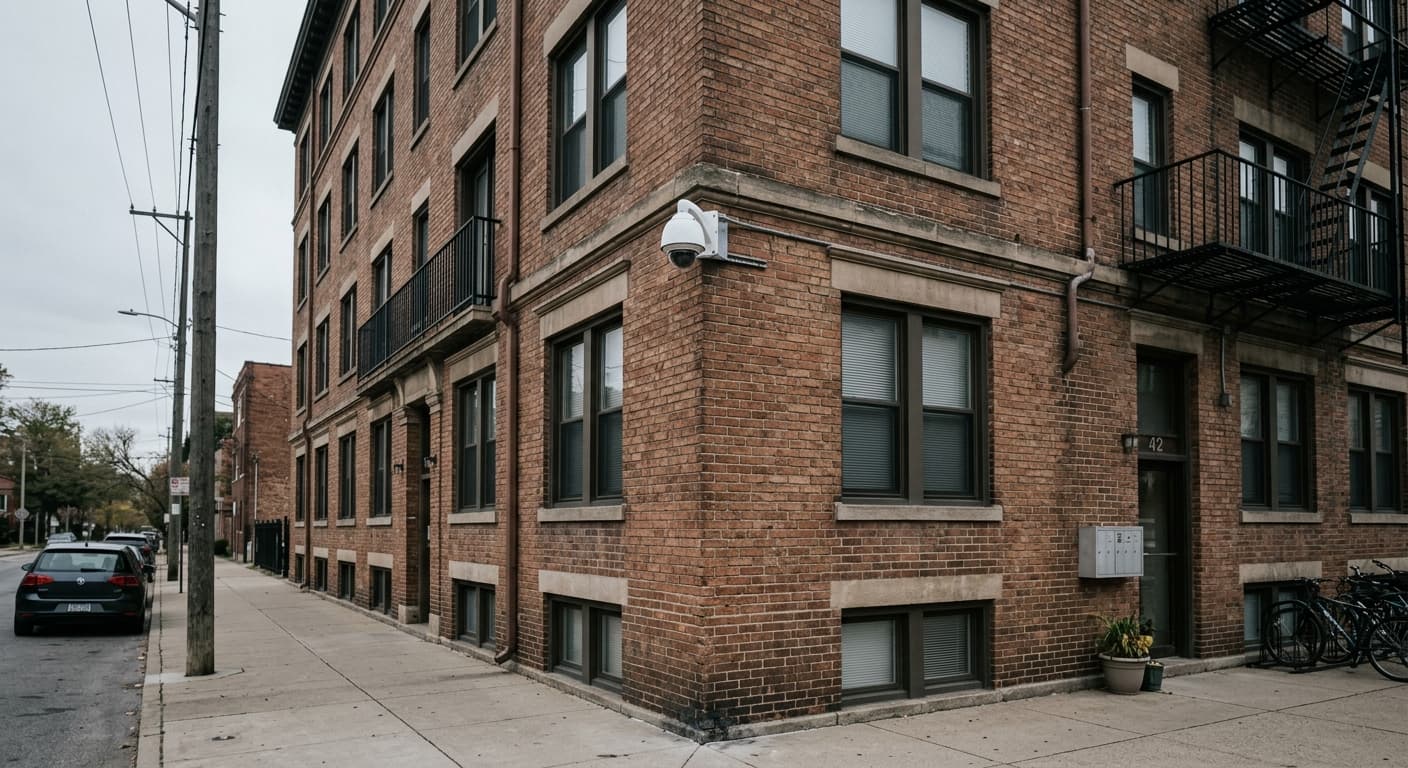
Minimum standards a rental property must meet vary sharply across Australia. Western Australia has no dedicated statutory minimum-standards regime at all, while Victoria now requires standards to be met before a property is even advertised.
Jurisdiction scope: This page compares the minimum physical condition a residential rental property must meet across Australia's states and territories. It is general legal information, verified 19 July 2026, not legal advice on your own tenancy or a specific repair dispute.
What Are Minimum Standards, and Why Do They Differ So Much?
A minimum standard is a baseline physical condition a rental property must meet, separate from the landlord's ongoing duty to repair damage that arises during a tenancy. Most Australian jurisdictions built a minimum-standards regime into their Residential Tenancies Act over the past decade, but they started from different baselines and moved at different speeds, so the current picture is genuinely uneven: some jurisdictions list detailed, itemised requirements in the Act itself, others rely on regulations made under a general head of power, and one jurisdiction, Western Australia, has no dedicated regime at all.
Minimum Standards by Jurisdiction
| Jurisdiction | Standard | Source |
|---|---|---|
| NSW | Structurally sound, adequate light and ventilation, power outlets, working plumbing, hot and cold water, private bathroom facilities | s 52(1A)-(1B) |
| VIC | Structural soundness, locks, ventilation, essential services; standards now required at the time of advertising | ss 65, 65A, 65B (from 25 Nov 2025) |
| QLD | Standards set out in the Residential Tenancies and Rooming Accommodation Regulation 2025 | s 17A head of power; Regulation in force 1 Sep 2025, applied to all tenancies from 1 Sep 2024 |
| WA | No dedicated minimum-standards regime; only general implied terms | ss 42, 43, 45 |
| SA | Housing Improvement Act 2016 standards plus RTA protection; tenant may terminate on 7 days' notice if standards not met | Housing Improvement Act 2016; RTA s 67A, s 85B |
| TAS | Minimum standards set out in Part 3B | ss 36I-36P |
| ACT | Ceiling-insulation standard currently prescribed by regulation | s 19A head of power, reg 9 |
| NT | Not detailed in this comparison; confirm current requirements with NT Consumer Affairs | Residential Tenancies Act 1999 (NT) |
New South Wales: The Most Itemised List
New South Wales sets out its minimum standards in the greatest itemised detail of any Australian jurisdiction. Section 52(1A) and (1B) of the Residential Tenancies Act 2010 (NSW) require a rental property to be structurally sound, reasonably weatherproof and free of significant damp, with adequate natural or artificial light and ventilation, a reasonable number of electrical power outlets, plumbing and drainage that functions properly, a kitchen with cooking facilities, bathroom facilities that give the tenant reasonable privacy, hot and cold running water connected to a bathroom or laundry, and functioning locks on external doors and windows. These apply at the start of, and throughout, a tenancy, independent of whether any particular item has since broken during the tenancy, which is instead handled under the Act's general repair obligations.
Victoria: Standards Must Now Be Met Before Advertising
Victoria's minimum standards sit in sections 65 and 65A of the Residential Tenancies Act 1997 (Vic), covering structural soundness, functioning locks, adequate ventilation and natural light, and working essential services such as functioning cooking and heating facilities. The most significant recent addition is section 65B, effective 25 November 2025, which requires a property to meet the applicable minimum standards at the time it is advertised for rent, not only by the time a tenant moves in. This closes a gap that previously let an agent list a property while repairs were still outstanding, on the assumption they would be finished before the tenancy started. Further Victorian changes are scheduled but not yet in force: stronger bond-claim evidence rules, minimum-standards record-keeping obligations, mandatory two-yearly gas and electrical safety checks and a full ban on rental-application fees all commence 13 October 2026, and phased Minimum Energy Efficiency Standards begin from 1 March 2027. None of these apply yet; do not treat them as current law until their commencement dates arrive.
Western Australia: No Dedicated Regime
Western Australia is the clear outlier. It has no dedicated statutory minimum-standards regime in its Residential Tenancies Act 1987 (WA) at all. What exists instead are general implied terms under sections 42, 43 and 45, covering matters such as the landlord's general repair obligations, but there is no equivalent to the itemised lists New South Wales or Victoria maintain. A proper minimum-standards regime for Western Australia is part of the announced Phase 2 reform package, discussed on our no-grounds eviction page, but that package had not been introduced as a Bill as of this page's verification date. A Western Australian tenant concerned about a property's condition currently relies on the general implied terms and the landlord's repair obligations, not a checklist of minimum physical standards.
Queensland, South Australia, Tasmania and the ACT
Queensland's standards sit in the Residential Tenancies and Rooming Accommodation Regulation 2025, made under the head of power in section 17A of the Act. The Regulation itself took effect 1 September 2025, but its standards were applied to all tenancies from 1 September 2024, an unusual sequencing where the substantive requirement predates the formal Regulation that now houses it.
South Australia layers two regimes. The Housing Improvement Act 2016 sets housing-condition standards enforceable by the state more broadly, while section 67A of the Residential Tenancies Act 1995 (SA) applies those standards to the tenancy relationship. If a rented property fails to meet the required standard, a tenant can terminate the tenancy on 7 days' notice under section 85B, a comparatively fast and direct remedy compared with some other jurisdictions' processes.
Tasmania's minimum standards sit in Part 3B (sections 36I to 36P) of the Residential Tenancy Act 1997 (Tas), a dedicated block of the Act covering the property's basic condition.
The ACT currently prescribes a narrower standard than most other jurisdictions: under the head of power in section 19A, the regulations currently prescribe a ceiling-insulation standard under regulation 9. This is a real, enforceable requirement, but it does not amount to the broad, itemised list New South Wales or Victoria maintain; the ACT's regime is narrower in scope, not absent, unlike Western Australia's.
This page provides general legal information about minimum rental standards across Australia, verified 19 July 2026. It is not legal advice on your own tenancy or a specific repair dispute. For advice, consult a legal practitioner admitted in the relevant Australian state or territory, or your state or territory's tenancy authority.
For entry and inspection rules, see rental inspections and entry in Australia. For eviction grounds, see eviction and notice periods in Australia. For the complete jurisdiction comparison, see the Australia tenant rights hub, or go directly to New South Wales, Victoria, Queensland, Western Australia, South Australia, Tasmania, the ACT or the Northern Territory.
Frequently Asked Questions
Which Australian jurisdiction has no minimum rental standards at all?
Western Australia. It has no dedicated statutory minimum-standards regime; only general implied terms under sections 42, 43 and 45 of the Residential Tenancies Act 1987 (WA) apply. A proper minimum-standards regime is part of WA's announced but unenacted Phase 2 reform.
What must a rental property meet in New South Wales?
Under section 52(1A)-(1B), it must be structurally sound, weatherproof, adequately lit and ventilated, have a reasonable number of power outlets, working plumbing, hot and cold water, cooking facilities, private bathroom facilities and functioning locks.
Does a Victorian property have to meet minimum standards before it's advertised?
Yes, since 25 November 2025. Section 65B of the Residential Tenancies Act 1997 (Vic) requires the applicable minimum standards to be met at the time the property is advertised for rent, not only by the time a tenant moves in.
Can a South Australian tenant end a tenancy over a property's poor condition?
Yes. Under section 85B of the Residential Tenancies Act 1995 (SA), a tenant can terminate on 7 days' notice if the property fails to meet the standards required under the Housing Improvement Act 2016 and section 67A.
What minimum standard does the ACT currently require?
Currently just a ceiling-insulation standard, prescribed by regulation under the head of power in section 19A of the Residential Tenancies Act 1997 (ACT). This is narrower in scope than New South Wales or Victoria's itemised standards.
Are new minimum standards coming to Victoria?
Yes, but not yet in force. Stronger bond-claim evidence and record-keeping rules and mandatory two-yearly gas and electrical safety checks commence 13 October 2026, and phased Minimum Energy Efficiency Standards begin from 1 March 2027.
Where do Queensland's minimum standards come from?
The Residential Tenancies and Rooming Accommodation Regulation 2025, made under section 17A of the Act. The Regulation took effect 1 September 2025, though its standards were applied to all tenancies from 1 September 2024.
What can I do if my rental property doesn't meet the minimum standard?
Contact your state or territory's tenancy authority to confirm the standard that applies and how to raise a non-compliance, and consider a tribunal application if the landlord does not remedy it. In South Australia, failing standards can support a 7-day termination notice under section 85B.
The Law Behind This Article
This article rests on the statutory provisions below, held in our own legal record and retrieved from the official source. Tap a section to read the operative text.
Residential Tenancies Act 1997 (ACT)
s 19AMinimum housing standardsIn force
(1) A regulation may prescribe minimum standards for premises made available for occupation under a residential tenancy agreement (the minimum housing standards), including in relation to the following matters: (a) physical accessibility; (b) energy efficiency; (c) safety and security; (d) sanitation; (e) amenity. (2) A regulation made for subsection (1) may apply, adopt or incorporate a law or instrument as in force from time to time. Note The text of an applied, adopted or incorporated law or instrument, whether applied as in force from time to time or at a particular time, is taken to be a notifiable instrument if the operation of the Legislation Act, s 47 (5) or (6) is not disapplied (see s 47 (7)).
Official text (excerpt) · last checked 2026-09-28 · Read the full text in our law library · Verify at legislation.act.gov.au
Residential Tenancies Act 2010 (NSW)
s 52Landlord’s general obligations for residential premisesIn force
(1) A landlord must provide the residential premises in a reasonable state of cleanliness and fit for habitation by the tenant. (1A) Without limiting the circumstances in which residential premises are not fit for habitation, residential premises are not fit for habitation unless the residential premises—(a) are structurally sound, and (b) have adequate natural light or artificial lighting in each room of the premises other than a room that is intended to be used only for the purposes of storage or a garage, and (c) have adequate ventilation, and (d) are supplied with electricity or gas and have an adequate number of electricity outlet sockets or gas outlet sockets for the supply of lighting and heating to, and use of appliances in, the premises, and (e) have adequate plumbing and drainage, and (f) are connected to a water supply service or infrastructure that supplies water (including, but not limited to, a water bore or water tank) that is able to supply to the premises hot and cold water for drinking and ablution and cleaning activities, and (g) contain bathroom facilities, including toilet and washing facilities, that allow privacy for the user.
Official text (excerpt) · last checked 2026-09-28 · Read the full text in our law library · Verify at legislation.nsw.gov.au
Cited in 6 court opinions in our collectionLatest citing opinion in our collection: 2024
Opinions citing this section in our collection:
- [2022] NSWCA 5 (NSW Court of Appeal 2022, [2022] NSWCA 5)
- [2024] NSWSC 760 (Supreme Court of New South Wales 2024, [2024] NSWSC 760)
- Shirvington v Commonwealth of Australia (No 2) (Federal Court of Australia 2015, [2015] FCA 522)
Identified automatically from the court opinions citing this section — not a ranking of which case controls.
Residential Tenancies Act 1995 (SA)
s 85BNotice of termination by tenant due to condition of premisesIn force
(1) The tenant under a residential tenancy agreement may, by notice of termination given to the landlord, terminate the tenancy— (a) if the premises do not comply with the prescribed minimum housing standards under the Housing Improvement Act 2016; or (b) if the premises are destroyed totally or to such an extent as to be rendered unsafe; or (c) in prescribed circumstances. (2) The minimum period of notice under this section is 7 days.
Official text (excerpt) · last checked 2026-09-28 · Read the full text in our law library · Verify at legislation.sa.gov.au
Residential Tenancies Act 1997 (Vic)
s 65Residential rental provider's duty in relation to provision of premisesIn force
(1) A residential rental provider must ensure that on the day that it is agreed the renter is to enter into occupation, the rented premises— (a) are vacant; and (b) are in a reasonably clean condition. Penalty: 60 penalty units in the case of a natural person; 300 penalty units in the case of a body corporate. (2) A renter is not required to enter into occupation of premises which do not comply with subsection (1). (3) If premises do not comply with subsection (1), the renter is not required to pay rent for the rented premises in respect of the period beginning on the agreed day on which the renter is to enter into occupation of the premises and ending on the day on which the renter actually enters into occupation.
Official text (excerpt) · last checked 2026-09-28 · Read the full text in our law library · Verify at legislation.vic.gov.au
Residential Tenancies Act 1987 (WA)
s 42Lessor’s responsibility for cleanliness and repairsIn force
(1)In this section — premises includes fixtures and chattels provided with the premises, but does not include — (a)any fixture or chattel disclosed by the lessor as not functioning before the agreement was entered into; or (b)any other fixture or chattel that the tenant could not reasonably have expected to be functioning at the time the agreement was entered into. (2)It is a term of every residential tenancy agreement that the lessor — (a)must deliver up to the tenant vacant possession of the premises in a reasonable state of cleanliness and a reasonable state of repair having regard to its age and character; and (b)must maintain the premises in a reasonable state of repair having regard to its age and character and must conduct any repairs within a reasonable period after the need for the repair arises; and (c)must comply with all requirements in respect of buildings, health and safety under any other written law insofar as they apply to the premises.
Official text (excerpt) · last checked 2026-09-28 · Read the full text in our law library · Verify at legislation.wa.gov.au
Cited in 4 court opinions in our collectionLatest citing opinion in our collection: 2017
Opinions citing this section in our collection:
- Jones v Bartlett (High Court of Australia 2000, [2000] HCA 56)
- [2017] NSWCA 8 (NSW Court of Appeal 2017, [2017] NSWCA 8)
- [2008] NSWCA 189 (NSW Court of Appeal 2008, [2008] NSWCA 189)
Identified automatically from the court opinions citing this section — not a ranking of which case controls.
Search our full record of US law — 2.1 million sections, every state + federal →
Sources and References
- Residential Tenancies Act 2010 (NSW) s 52 (minimum standards)(legislation.nsw.gov.au).gov
- Residential Tenancies Act 1997 (Vic) ss 65, 65A, 65B (minimum standards)(legislation.vic.gov.au).gov
- Residential Tenancies Act 1987 (WA) ss 42, 43, 45 (implied terms)(austlii.edu.au)
- Residential Tenancies Authority Queensland: Minimum housing standards(rta.qld.gov.au).gov
- Residential Tenancies Act 1995 (SA) s 85B (termination for failure to meet standards)(austlii.edu.au)
- Residential Tenancy Act 1997 (Tas) Part 3B (minimum standards)(legislation.tas.gov.au).gov
- Residential Tenancies Act 1997 (ACT) s 19A (minimum standards head of power)(legislation.act.gov.au).gov