
Michigan
Michigan Lemon Law (2026): How to Qualify & Get a Refund
Independently fact-checked against primary sources (last audited August 17, 2026). · Reviewed by the RecordingLaw editorial team. · Law checked current as of August 17, 2026. · 10 primary sources cited on this page. How we verify our legal content

Michigan's New Motor Vehicle Warranties Act (MCL 257.1401 through MCL 257.1410) protects buyers and lessees of new passenger vehicles. Under MCL 257.1403, a vehicle is presumed a lemon after four repair attempts for the same defect within two years of the first repair attempt, or after 30 cumulative days out of service within the warranty period or first year of ownership. The consumer has the right to demand a full refund.
What the Michigan Lemon Law Covers
Michigan's lemon law, formally called the New Motor Vehicle Warranties Act (MCL 257.1401 through 257.1410), protects consumers who purchase or lease new motor vehicles that turn out to have serious defects. The law has been in effect since 1986 and has not been amended during the 2025 or 2026 legislative sessions.
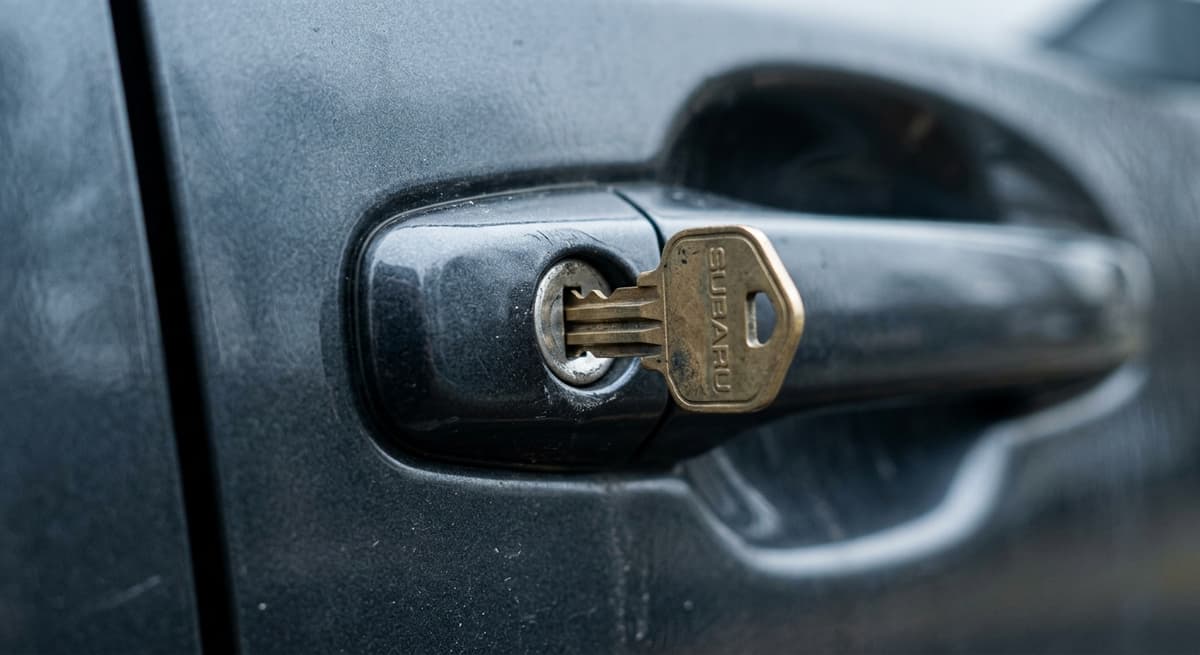
Under MCL 257.1401, a "new motor vehicle" is one that is purchased or leased in Michigan (or purchased or leased by a Michigan resident) and is covered by a manufacturer's express warranty at the time of purchase or lease.
Covered Vehicle Types
The statute specifically covers vehicles designed as:
- Passenger cars (sedans, coupes, hatchbacks)
- Sport utility vehicles
- Pickup trucks
- Vans and minivans
- Leased new vehicles under manufacturer warranty
- Demonstrator vehicles with active manufacturer warranty
Vehicles Not Covered
The following vehicle types are excluded from coverage:
- Motor homes (the living quarters portion is excluded)
- Buses
- Trucks other than pickup trucks and vans
- Vehicles designed to travel on fewer than four wheels (motorcycles, three-wheelers)
- Off-road vehicles not designed for highway use
- Used vehicles without an active manufacturer warranty
Who Qualifies as a "Consumer"
Michigan's lemon law defines "consumer" broadly under MCL 257.1401. You qualify if you:
- Purchase or lease a new motor vehicle for personal, family, or household use (not for resale)
- Purchase or lease fewer than 10 new motor vehicles per year
- Purchase or lease 10 or more vehicles per year, but only if all are for personal, family, or household use
This definition means that small business owners who buy a personal vehicle are protected, while large fleet purchasers buying for commercial resale are not.
The Lemon Law Presumption
Under MCL 257.1403, Michigan law creates a legal presumption that a manufacturer has had a reasonable number of repair attempts. When this presumption applies, the burden shifts to the manufacturer to provide a remedy. The two thresholds carry different time windows and both trigger separate consumer notice obligations.
When the Presumption Applies
| Condition | Threshold | Time Window |
|---|---|---|
| Repair Attempts (Same Defect) | 4 or more attempts | Within 2 years of the date of the first repair attempt for that defect |
| Days Out of Service | 30 or more cumulative days | During the manufacturer's express warranty term or within 1 year of delivery, whichever is earlier |
Notice that the two thresholds use different clocks. The repair-attempts path runs from the first repair attempt for the defect and allows two years. The out-of-service path is tied to the warranty period or first year of ownership. Meeting either threshold is sufficient.
Written Notice Trigger and Final Repair Window
Before pursuing remedies, you must send written notice to the manufacturer. The notice obligation is triggered by whichever comes first:
- After the third failed repair attempt for the same defect
- After the vehicle has been out of service for at least 25 cumulative days
The notice must be sent by return receipt service (certified mail with return receipt requested). Once the manufacturer receives notice, it must direct you to a reasonably accessible repair facility. The manufacturer then has 5 business days to attempt one final repair. If the defect persists after that attempt, you may demand your remedy.
What Counts as a "Substantial" Defect
Not every vehicle problem triggers lemon law protection. The defect must "substantially impair the use or value" of the vehicle. Examples of qualifying defects include:
- Engine or transmission failures that affect drivability
- Persistent stalling, misfiring, or failure to start
- Brake system malfunctions
- Steering defects that create safety hazards
- Electrical system failures affecting critical safety components
- Air conditioning or heating failures
- Significant water leaks into the passenger compartment
- Persistent dashboard warning lights indicating serious mechanical issues
Minor cosmetic issues, squeaks, rattles, or problems that do not affect the vehicle's safety, operation, or market value typically do not qualify.
Consumer Remedies: Refund or Replacement
When a vehicle qualifies as a lemon, Michigan law gives the consumer a meaningful choice between two remedies. Importantly, the consumer holds the power to demand a refund rather than accept a replacement.
Option 1: Full Refund (Buyback)
Under MCL 257.1403, a refund includes:
- The full purchase price of the vehicle
- All collateral charges, including sales tax, license fees, registration fees, and title fees
- Towing costs the consumer incurred because of the defect
- Reasonable rental car costs for a comparable vehicle
- Loan payoff to the lienholder to satisfy the remaining balance
Usage Deduction: The manufacturer may subtract a reasonable allowance for the consumer's use. Michigan's statute specifies the formula precisely:
Usage Deduction = Purchase Price x (Miles Before First Defect Report + Miles Beyond 25,000) / 100,000
The numerator combines two amounts: (1) all miles driven before the consumer first reported the defect, and (2) all miles driven beyond 25,000 total odometer miles (regardless of when the defect was reported). The denominator is always 100,000 miles.
However, courts and arbitrators may reduce this deduction. Under MCL 257.1403(3), if the consumer presents evidence that the vehicle "did not provide reliable transportation for ordinary personal use" beyond the first 25,000 miles, the mileage offset for that period may be lowered. Also, the usage deduction does not apply when the consumer selects a replacement vehicle instead of a refund.
Option 2: Replacement Vehicle
Instead of a refund, the manufacturer may offer a replacement that is:
- A comparable motor vehicle currently in production
- Acceptable to the consumer
- Covered by a full manufacturer warranty
Michigan law states clearly that "a consumer shall have the right to demand a refund." The manufacturer cannot force you to accept a replacement if you prefer a refund.
How to File a Lemon Law Claim in Michigan
Filing a successful lemon law claim requires careful documentation and strict compliance with procedural requirements.
Step 1: Document Everything
Start keeping records from the first sign of trouble:
- Save all repair orders, invoices, and work orders
- Record dates your vehicle entered and left the repair shop
- Write down the symptoms you experienced each time
- Keep all correspondence with the dealer and manufacturer
- Take photos or video of the defect when possible
- Save receipts for rental cars and towing
Step 2: Allow Repair Attempts
Give the dealer or manufacturer at least three opportunities to repair the same defect before sending your written notice. Alternatively, if your vehicle has been out of service for 25 or more cumulative days, you may proceed with notice at that point.
Step 3: Send Written Notice
After the third failed repair or 25 days out of service, send certified mail with return receipt requested to the manufacturer's customer service address. Keep copies of everything.
Step 4: Deliver the Vehicle for Final Repair
The manufacturer must direct you to a reasonably accessible repair facility. Deliver the vehicle and allow 5 business days for the final repair attempt.
Step 5: Pursue Your Remedy
If the manufacturer fails to fix the defect during the final repair window, you can demand a refund or replacement. If the manufacturer refuses, you have two paths forward.
Dispute Resolution and Litigation
Manufacturer Arbitration Programs
Under MCL 257.1405, if the manufacturer has established an informal dispute settlement procedure that complies with federal regulations under the Magnuson-Moss Warranty Act (16 CFR Part 703), the consumer must first use that procedure before filing a lawsuit.
Several major manufacturers use the BBB AUTO LINE program for dispute resolution. This process is free for consumers and involves presenting your case to a neutral arbitrator. The arbitrator's decision binds the manufacturer, but the consumer is not required to accept it.
If you go through manufacturer arbitration and are unsatisfied with the result, you retain your right to file a lawsuit.
Federal Magnuson-Moss Warranty Act Overlay
The federal Magnuson-Moss Warranty Act (15 U.S.C. 2301 et seq.) operates alongside Michigan's state lemon law as the federal backstop for warranty disputes. It applies to any consumer product sold with a written warranty, including motor vehicles. Under Magnuson-Moss, consumers who prevail in a warranty lawsuit may recover attorney fees and costs even when the state lemon law thresholds have not been met. This means used vehicle buyers who still have an active written warranty, or consumers whose defects surfaced after the one-year state window, may still have a viable federal claim.
Filing a Lawsuit
You may file suit in Michigan circuit court if:
- No manufacturer arbitration program exists, or
- You have completed the arbitration process and rejected the decision
Under MCL 257.1407, a consumer who prevails in a lemon law lawsuit may recover costs, expenses, and attorney fees based on actual time expended by the attorney. This fee-shifting provision means many lemon law attorneys represent consumers at no upfront cost.
Manufacturer Defenses
Manufacturers may raise several defenses to avoid liability. Understanding these defenses helps consumers build stronger claims.
| Defense | What the Manufacturer Argues | How to Counter It |
|---|---|---|
| Owner abuse or neglect | The consumer caused the defect through misuse | Provide full maintenance records showing proper care |
| Unauthorized modifications | Aftermarket parts caused the problem | Show the defect existed before any modifications |
| Defect not substantial | The problem does not impair use or value | Document how the defect affects daily driving and safety |
| Improper notice | Consumer failed to follow notice procedures | Keep certified mail receipts and return receipt cards |
| Insufficient repair attempts | Manufacturer was not given enough chances | Document every repair visit with dates and descriptions |
Under MCL 257.1406, the lemon law does not apply to defects that result from accident, abuse, neglect, or unauthorized modification by anyone other than the manufacturer, its agent, or the dealer.
Protections for Used Vehicle Buyers
Michigan's lemon law primarily covers new vehicles. However, some used vehicle buyers may still have protections.
Used Vehicles With Possible Coverage
- Active manufacturer warranty: If the original manufacturer warranty has not expired, subsequent owners may have rights under the lemon law
- Certified Pre-Owned (CPO) vehicles: Manufacturer-backed CPO warranties may provide coverage
- Transferred warranty rights: If the warranty transfers to the second owner per the warranty terms
Federal Backstop for Used Buyers
Even when Michigan's state lemon law does not apply, the Magnuson-Moss Warranty Act (15 U.S.C. 2301) may protect consumers with used vehicles still under a written warranty. Because Magnuson-Moss covers any consumer product with a written warranty, a used-car buyer who gets a defective vehicle while an unexpired manufacturer warranty is in effect can pursue a federal warranty claim and recover attorney fees if successful.
Title Branding for Buyback Vehicles
Under MCL 257.1408, the Michigan Secretary of State must include a written statement with any new motor vehicle title informing consumers of their lemon law rights. When a vehicle is returned under the lemon law, the manufacturer must ensure proper disclosure on the title so that future buyers know the vehicle was a lemon law buyback.
Time Limits and Extensions
Understanding the deadlines for a Michigan lemon law claim is critical for protecting your rights.
Key Timeframes
- Repair-attempts clock: Four or more repair attempts must occur within 2 years of the first repair attempt for that defect
- Out-of-service clock: 30 or more cumulative days must occur during the manufacturer's warranty term or within 1 year of delivery, whichever is earlier
- Initial reporting window: The consumer must first report the defect during the warranty term or within one year of delivery
- Continuing repairs: If a defect was first reported during the warranty period, repairs may continue after the warranty expires as part of the same repair attempt
Warranty Extensions
The warranty term and the one-year period are extended if repair services are unavailable because of war, invasion, strike, fire, flood, or other natural disaster. This ensures consumers are not penalized for circumstances outside their control.
Filing a Complaint With the Attorney General
In addition to pursuing remedies directly through the manufacturer, consumers may file a complaint with the Michigan Attorney General's Consumer Protection Division. The AG's office can informally mediate disputes between consumers and manufacturers.
To file a complaint, contact:
- Online: Visit michigan.gov/ag/complaints
- Phone: 877-765-8388
- Mail: Consumer Protection Division, P.O. Box 30213, Lansing, MI 48909
While the Attorney General's office does not directly enforce the lemon law on behalf of individual consumers, a complaint can apply pressure on the manufacturer and create a record of the dispute.
More Michigan Laws
Frequently Asked Questions
How many repair attempts does Michigan require before a vehicle qualifies as a lemon?
Michigan law presumes a vehicle is a lemon after four or more repair attempts for the same defect within two years of the date of the first repair attempt for that defect, provided the defect still exists and substantially impairs the vehicle's use or value. Alternatively, 30 or more cumulative days out of service during the warranty period or within one year of delivery also triggers the presumption.
Can I choose a refund instead of a replacement vehicle in Michigan?
Yes. Michigan law explicitly states that a consumer has the right to demand a refund. While the manufacturer may offer a replacement vehicle, you are not required to accept it and can insist on a full buyback. The refund includes the purchase price, taxes, fees, towing costs, and reasonable rental car expenses, minus a usage deduction based on miles driven before the first defect report plus miles beyond 25,000.
What written notice must I give the manufacturer?
After the third failed repair attempt for the same defect, or after your vehicle has been out of service for at least 25 cumulative days, you must send written notice to the manufacturer via certified mail with return receipt requested. The manufacturer then has 5 business days to attempt one final repair at a reasonably accessible facility.
Does Michigan's lemon law cover used vehicles?
Michigan's lemon law primarily covers new vehicles. However, if a used vehicle still has an active manufacturer warranty, the subsequent owner may have rights under the Act. Used vehicle buyers may also have protections under the federal Magnuson-Moss Warranty Act (15 U.S.C. 2301) if the vehicle is covered by a written warranty.
Do I need a lawyer to file a Michigan lemon law claim?
You are not required to hire an attorney, but legal representation can significantly improve your outcome. Under MCL 257.1407, a consumer who prevails in a lemon law case may recover attorney fees and court costs from the manufacturer. This fee-shifting provision means many lemon law attorneys represent consumers at no upfront cost.
Updates
Independently fact-checked against the cited primary sources; governing law re-checked for recent changes
Governing law re-checked for recent changes
Governing law re-checked for recent changes
Reviewed and approved by an editor
The Law Behind This Article
This article rests on the statutory provisions below, held in our own legal record and retrieved from the official source. Tap a section to read the operative text.
Michigan Compiled Laws
§ 257.1403Continued existence of defect or condition; replacement of motor vehicle or refund; allowance for use; reimbursement for towing costs and costs for rental vehicle; determination of ordinary and personal use; consent to replacement of security interest; presumption; performing repairs after expiration of warranty; extension of time for repair servicesIn forcecited in 2 of our articles
(1) If a defect or condition that was reported to the manufacturer or new motor vehicle dealer pursuant to section 2 continues to exist and the new motor vehicle has been subjected to a reasonable number of repairs as determined under subsection (5), the manufacturer shall within 30 days, do either of the following as applicable: (a) If the new motor vehicle was purchased, either replace the new motor vehicle with a comparable replacement motor vehicle currently in production and acceptable to the consumer or accept return of the vehicle and refund to the consumer the purchase price. A consumer shall have the right to demand a refund. (b) If the new motor vehicle was leased, the consumer has the right to a refund of the lease price paid by the consumer. The consumer may agree to accept a comparable replacement vehicle in lieu of a refund for the lease price paid. If the consumer agrees to accept a replacement vehicle, the lease agreement shall not be altered except with respect to the identification of the vehicle.
Official text (excerpt) · last checked 2026-09-10 · Read the full text in our law library · Verify at legislature.mi.gov
Cited in 9 court opinions in our collectionLatest citing opinion in our collection: 2019
Opinions citing this section in our collection:
- Hines v. Volkswagen of America, Inc (Michigan Court of Appeals 2005, 265 Mich. App. 432)“…cle shall repair the defect or condition as required under [MCL 257.1403] if the consumer initially reported the…”
- Computer Network, Inc. v. AM General Corp. (Michigan Court of Appeals 2005, 265 Mich. App. 309)“…cle shall repair the defect or condition as required under [MCL 257.1403] if the consumer initially reported the…”
- Zine v. Chrysler Corp. (Michigan Court of Appeals 1999, 236 Mich. App. 261)“…(2), had the vehicle in for a reasonable number of repairs, MCL 257.1403(1), (3); MSA 9.2705(3)(1), (3), was una…”
Identified automatically from the court opinions citing this section — not a ranking of which case controls.
§ 257.1401DefinitionsIn forcecited in 2 of our articles
As used in this act: (a) "Consumer" means 1 or more of the following: (i) A person who purchases or leases a new motor vehicle for personal, family, or household use and not for the purpose of selling or leasing the new motor vehicle to another person. (ii) A person who purchases or leases less than 10 new motor vehicles a year. (iii) A person who purchases or leases 10 or more new motor vehicles a year only if the vehicles are purchased or leased for personal, family, or household use. (iv) Any other person entitled to enforce the provisions of an express warranty pursuant to the terms of that warranty. (b) "Lessee" means a person who, under a lease, acquires the right to possession and use of a new motor vehicle. (c) "Lessor" means a person who, under a lease, transfers the right to possession and use of a new motor vehicle. (d) "Manufacturer" means a person who manufactures, assembles, or is a distributor of new motor vehicles and includes an agent of a manufacturer but does not include a new motor vehicle dealer.
Official text (excerpt) · last checked 2026-07-30 · Read the full text in our law library · Verify at legislature.mi.gov
Cited in 16 court opinions in our collectionLatest citing opinion in our collection: 2025
Opinions citing this section in our collection:
- Computer Network, Inc. v. AM General Corp. (Michigan Court of Appeals 2005, 265 Mich. App. 309)“…enges the trial court's dismissal of its "lemon law" claim, MCL 257.1401 et seq. MCL 257.1402 provides: If…”
- Davis v. Forest River, Inc (Michigan Court of Appeals 2008, 278 Mich. App. 76)“…vity of contract. Id. Second, Michigan's "lemon law," MCL 257.1401 et seq., explicitly excludes RVs and…”
- Abela v. General Motors Corp. (Michigan Supreme Court 2004, 469 Mich. 603)“…igan warranties on new motor vehicles act, the “lemon law,” MCL 257.1401 et seq., and the Michigan Consumer Prot…”
Identified automatically from the court opinions citing this section — not a ranking of which case controls.
§ 257.1407Waiver of rights and remedies prohibited; recovery of costs, expenses, and attorneys' feesIn forcecited in 2 of our articles
(1) Any rights and remedies provided a consumer under this act may not be waived. (2) A consumer who prevails in any action brought under this act may be allowed by the court to recover as part of the judgment a sum equal to the aggregate amount of cost and expenses, including attorneys' fees based on actual time expended by the attorney, determined by the court to have been reasonably incurred by the consumer for or in connection with the commencement and prosecution of such action, unless the court in its discretion shall determine that such an award of attorneys' fees would be inappropriate.
Official text (excerpt) · last checked 2026-07-30 · Read the full text in our law library · Verify at legislature.mi.gov
Cited in 2 court opinions in our collectionLatest citing opinion in our collection: 2005
Opinions citing this section in our collection:
- Abela v. General Motors Corp. (Michigan Court of Appeals 2003, 257 Mich. App. 513)“…a. We note that such a reading essentially relegates MCL 257.1407(1), which provides that “[a]ny rights a…”
- Lavene v. Winnebago Industries (Michigan Court of Appeals 2005, 266 Mich. App. 470)“…m Condemnation Procedures Act, MCL 213.66; the “lemon law,” MCL 257.1407; and the Motor Vehicle Service and Repa…”
Identified automatically from the court opinions citing this section — not a ranking of which case controls.
§ 257.1406Defects or conditions to which act inapplicableIn forcecited in 2 of our articles
This act does not apply to a defect or condition that is the result of either of the following: (a) A modification not installed or made by or for the manufacturer. (b) Abuse or neglect of the new motor vehicle or damage due to an accident that occurred after the new motor vehicle was purchased or leased by the consumer.
Official text (excerpt) · last checked 2026-07-30 · Read the full text in our law library · Verify at legislature.mi.gov
Cited in 1 court opinions in our collectionLatest citing opinion in our collection: 2005
Opinions citing this section in our collection:
- Computer Network, Inc. v. AM General Corp. (Michigan Court of Appeals 2005, 265 Mich. App. 309)“…Any repair performed on the same defect made pursuant to [MCL 257.1406] shall be included in calculating the n…”
Identified automatically from the court opinions citing this section — not a ranking of which case controls.
§ 257.1405Informal dispute settlement procedureIn forcecited in 2 of our articles
If a manufacturer has established or participates in an informal dispute settlement procedure, the provisions of this act shall not apply to any consumer who has not first resorted to such procedure, if such procedure does all of the following: (a) Complies with the Magnuson-Moss warranty--federal trade commission improvement act, Public Law 93-637, 88 Stat. 2183, and 16 C.F.R. 703 (1975). An informal dispute settlement procedure which the federal trade commission rules does not comply with 16 C.F.R. 703 (1975) shall be considered as not meeting the requirements of this subdivision. (b) Requires that the manufacturer is bound by any decision reached if the consumer agrees to it. (c) Provides that the consumer is not obligated to accept the decision and may pursue the remedies provided for under this act. (d) Requires the manufacturer to initiate the process necessary to implement any final settlement not more than 30 days after the settlement has been reached.
Official text (excerpt) · last checked 2026-07-30 · Read the full text in our law library · Verify at legislature.mi.gov
Cited in 1 court opinions in our collectionLatest citing opinion in our collection: 2005
Opinions citing this section in our collection:
- Computer Network, Inc. v. AM General Corp. (Michigan Court of Appeals 2005, 265 Mich. App. 309)“…cted to a reasonable number of repairs as determined under [MCL 257.1405], the manufacturer shall within 30 days…”
Identified automatically from the court opinions citing this section — not a ranking of which case controls.
§ 257.1408Written statement to be included with title or documentation; type size; form; accessibility to publicIn forcecited in 2 of our articles
(1) Until December 31, 1999 and after as provided in subsection (2), the secretary of state shall include with any title for a new motor vehicle a written statement, in 10-point boldfaced type, in substantially the following form: "IMPORTANT: IF THIS VEHICLE IS DEFECTIVE YOU MAY BE ENTITLED UNDER STATE LAW TO REPLACEMENT OF IT OR A REFUND OF ITS PURCHASE PRICE. TO OBTAIN REPLACEMENT OR A REFUND, YOU MUST FIRST REPORT THE DEFECT IN WRITING TO THE MANUFACTURER AND YOU MAY BE REQUIRED TO FIRST ARBITRATE THE DISPUTE. IN ORDER TO PROTECT YOUR RIGHTS UNDER THIS LAW, YOU SHOULD: 1. KEEP COPIES OF ALL CORRESPONDENCE TO AND FROM THE MANUFACTURER AND THE DEALER. 2. KEEP COPIES OF ALL WORK ORDERS FOR REPAIRS ON THE VEHICLE INCLUDING THE DATE(S) THE WORK WAS PERFORMED AND THE MILEAGE ON THE VEHICLE AT THE TIME OF REPAIR. 3. FOLLOW ALL REQUIREMENTS OF THE WARRANTY, INCLUDING ANY REQUIREMENT THAT THE REPAIRS MUST BE DONE BY AN AUTHORIZED DEALER SPECIFIED BY THE MANUFACTURER. IF YOU HAVE ANY QUESTIONS REGARDING YOUR RIGHTS UNDER THIS LAW, CONSULT AN ATTORNEY OR OTHER QUALIFIED INDIVIDUAL.".
Official text (excerpt) · last checked 2026-07-30 · Read the full text in our law library · Verify at legislature.mi.gov
Cited in 1 court opinions in our collectionLatest citing opinion in our collection: 1999
Opinions citing this section in our collection:
- Zine v. Chrysler Corp. (Michigan Court of Appeals 1999, 236 Mich. App. 261)“…de the information with the vehicle’s certificate of title. MCL 257.1408; MSA 9.2705(8). 9 B. E…”
Identified automatically from the court opinions citing this section — not a ranking of which case controls.
§ 257.1410Effective dateIn force
This act shall take effect 60 days after its enactment.
Official text (excerpt) · last checked 2026-07-30 · Read the full text in our law library · Verify at legislature.mi.gov
United States Code Title 15
§ 2301DefinitionsIn forcecited in 39 of our articles
For the purposes of this chapter: The term “consumer product” means any tangible personal property which is distributed in commerce and which is normally used for personal, family, or household purposes (including any such property intended to be attached to or installed in any real property without regard to whether it is so attached or installed). The term “Commission” means the Federal Trade Commission. The term “consumer” means a buyer (other than for purposes of resale) of any consumer product, any person to whom such product is transferred during the duration of an implied or written warranty (or service contract) applicable to the product, and any other person who is entitled by the terms of such warranty (or service contract) or under applicable State law to enforce against the warrantor (or service contractor) the obligations of the warranty (or service contract). The term “supplier” means any person engaged in the business of making a consumer product directly or indirectly available to consumers. The term “warrantor” means any supplier or other person who gives or offers to give a written warranty or who is or may be obligated under an implied warranty.
Official text (excerpt) · last checked 2026-07-28 · Read the full text in our law library · Verify at uscode.house.gov
Cited in 1,671 court opinions in our collectionLatest citing opinion in our collection: 2026
In the courts (editorial summary, independently checked):Walsh v. Ford Motor Company (1986) held that except where Magnuson-Moss expressly prescribes a rule, the Act applies state written and implied warranty law, citing Section 2301(7)'s definition of implied warranty as one arising under state law. Birdsong v. Apple (2009) dismissed Act claims once the state warranty claims failed.
Opinions citing this section in our collection:
- John F. "Jack" Walsh v. Ford Motor Company (Court of Appeals for the D.C. Circuit 1986, 807 F.2d 1000)✓Ford owners sought nationwide classes over transmissions that slipped from park into reverse; reading Section 2301(7) and (6), the D.C. Circuit held Magnuson-Moss applies state warranty law except where the Act expressly prescribes a rule, and vacated class certification.
- Birdsong v. Apple, Inc. (Court of Appeals for the Ninth Circuit 2009, 590 F.3d 955)✓iPod buyers alleged the player risked hearing loss; because Section 2301(7) ties implied warranty to state law, the Ninth Circuit treated the Magnuson-Moss claim as standing or falling with the California warranty claims and affirmed dismissal once those failed.
- Robert E. Kelly Virginia L. Kelly v. Fleetwood Enterprises, Inc. (Court of Appeals for the Ninth Circuit 2004, 377 F.3d 1034)“…gnizable under the Magnuson-Moss Warranty Act (the “Act”), 15 U.S.C. § 2301 et seq. This consumer dis…”
Identified automatically from the court opinions citing this section — not a ranking of which case controls.
Also relied on in: Arkansas Lemon Law (2026): How to Qualify & Get a Refund, Washington Lemon Law (2026): How to Qualify & Get a Refund, Florida Lemon Law (2026): How to Qualify & Get a Refund
Search our full record of US law — 2.1 million sections, every state + federal →
Sources and References
- New Motor Vehicle Warranties Act, MCL 257.1401-257.1410 (Full Text)(legislature.mi.gov).gov
- MCL 257.1401: Definitions (New Motor Vehicle, Consumer)(legislature.mi.gov).gov
- MCL 257.1403: Repair Presumption, Remedies, Usage Deduction Formula(legislature.mi.gov).gov
- MCL 257.1405: Informal Dispute Settlement Procedures(legislature.mi.gov).gov
- MCL 257.1406: Manufacturer Defenses (Abuse, Neglect, Modification)(legislature.mi.gov).gov
- MCL 257.1407: Attorney Fees and Costs for Prevailing Consumers(legislature.mi.gov).gov
- MCL 257.1408: Title Disclosure and Consumer Rights Statement(legislature.mi.gov).gov
- Michigan Consumer Protection: Lemon Law Information(michigan.gov).gov
- Michigan Attorney General: Consumer Protection Division(michigan.gov).gov
- Federal Trade Commission: Magnuson-Moss Warranty Act(ftc.gov).gov