
District of Columbia
District of Columbia E-Scooter Laws: Sidewalk, Helmet & Age Rules (2026)
Independently fact-checked against primary sources (last audited July 23, 2026). · Law checked current as of August 8, 2026. · 4 primary sources cited on this page. How we verify our legal content
This article is general information about District of Columbia e-scooter law and is not legal advice. If you were cited or injured, a DC-licensed attorney or the DC Council's own code text at code.dccouncil.gov can give you a current, situation-specific answer. Information last verified on 7 September 2026.
Are e-scooters legal in Washington, DC?
Yes, but getting the terminology right matters more in DC than in most states. The DC Code, at section 50-2201.02, defines three separate device categories, and almost every consumer-facing guide collapses them into one term, "PMD," which is technically wrong for the scooter most people actually ride.
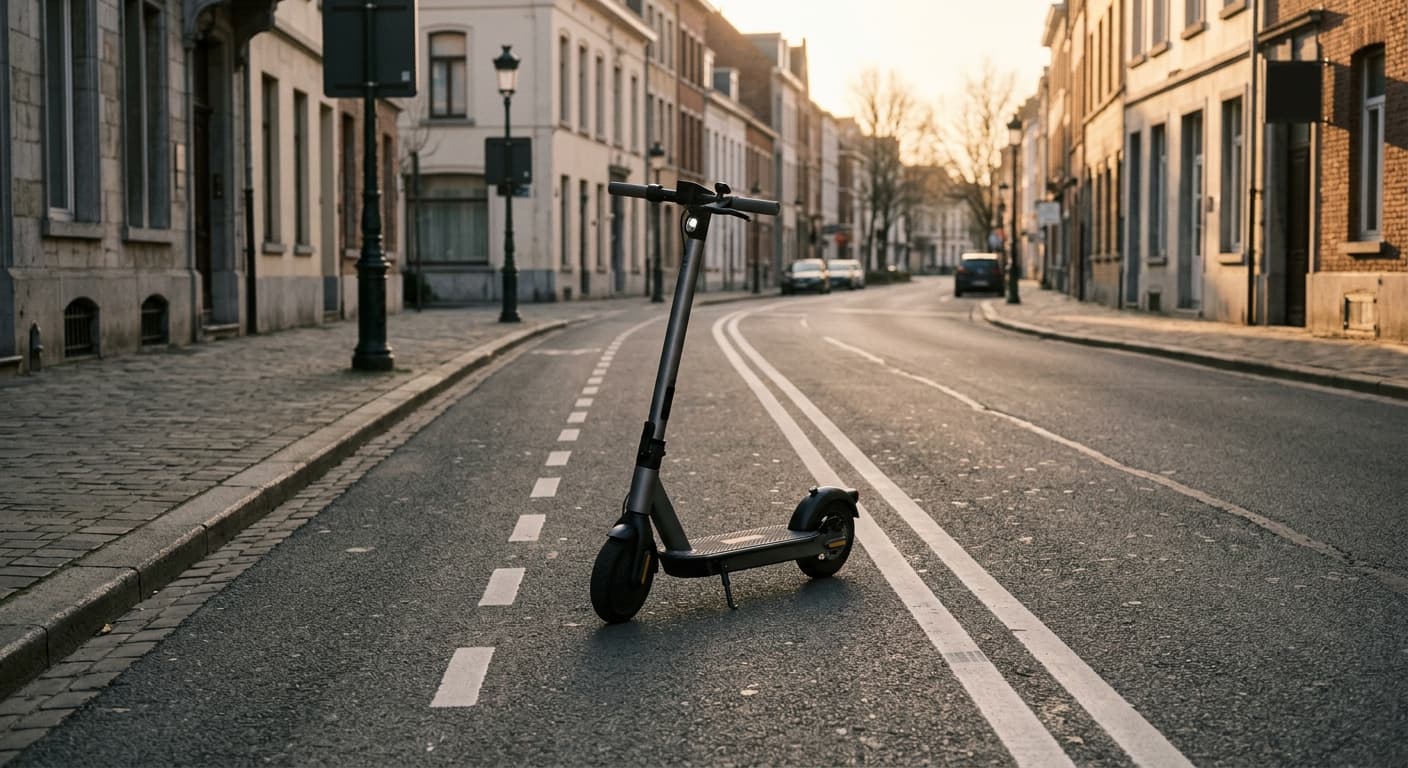
A standard Bird-, Lime-, or Spin-style stand-up kick scooter, whether privately owned or rented, is legally an electric mobility device in DC, not a PMD. Understanding which category applies matters because the two have separately numbered operating sections in the code, and because several of the best-known DC scooter rules are written to reach only one category. For how DC compares to nearby states, see the e-scooter laws hub.
What counts as an e-scooter in DC
Section 50-2201.02 sets out three defined terms:

- Personal mobility device (PMD): a motorized propulsion device designed to transport only one person that either weighs 75 pounds or more, or is a self-balancing, two-non-tandem-wheeled device. This is DC's term for the heavier, Segway-style device, not a typical stand-up e-scooter.
- Electric mobility device: a device weighing less than 75 pounds with an electric motor, powered solely by the motor or by human power, designed for one person to ride standing or seated (not enclosed), and no more than 24 inches wide and 55 inches long. This is the category a standard stand-up e-scooter actually falls into.
- Shared fleet device: an electric mobility device, bicycle, or e-bike made available for short-term public rental, the rental subset specifically.
Where you can ride
Sidewalk riding within DC's Central Business District is barred for PMDs by section 50-2201.04a(4), and for shared fleet rental devices by section 50-2201.03c(j)(2). Read the wording closely: those are the Code's only two Central Business District sidewalk bans, and neither one names a privately owned electric mobility device.
Neither provision draws the boundary itself. Both define the Central Business District by cross-reference to section 9901 of Title 18 of the District of Columbia Municipal Regulations (18 DCMR section 9901), so the actual line is set in DDOT's regulations rather than in the statute, and that regulation is what to check if the precise boundary matters to your situation.
Outside the Central Business District, when riding on a sidewalk or through a crosswalk, riders have pedestrian-equivalent rights and duties and must yield to pedestrians. A protected bike lane must be used where one is available and it is safe to do so, and this is one duty written broadly: section 50-2201.03c(i) says a person shall operate "an electric mobility device" in a protected bike lane, so it reaches privately owned scooters as well as rentals.
Riders also may not carry a package, bundle, or other article that keeps them from holding the handlebars properly, and may not wear a headset, headphone, or earphone unless it is a hearing aid or covers only one ear. Those two restrictions appear in section 50-2201.04a(5) and (6) for PMDs and in section 50-2201.03c(j)(4) and (5) for shared fleet devices.
Rider rules
Age: 16 is the minimum age for a PMD under section 50-2201.04a(2), and for a shared fleet rental device under section 50-2201.03c(j)(1). Those are the Code's only two age bars, and neither names a privately owned electric mobility device. Section 50-2201.03c(g)(19)(A) touches age only indirectly, by requiring a permitted rental operator to tell its own users they must be at least 16.
Speed: PMDs are capped at 10 mph by statute, under section 50-2201.04a(3). For electric mobility devices, section 50-2201.03c(h) sets no number at all: it bars operating "in excess of the speed limit determined by the Director," so the cap in force lives in DDOT's regulations and can change without any amendment to the DC Code. Check the current DDOT rule for the figure. Note that (h) is written as a duty on "a person" operating an electric mobility device, so unlike the age and sidewalk bars it does reach a privately owned scooter.
Helmet: called for under 18. This appears in section 50-2201.03c(g)(19)(B) as material a permitted shared-fleet operator must show its own users during onboarding, not as a rule enforced directly against riders, and the code sections reviewed for this article spell out no citation or fine for riding without one. Treat it as strong official guidance rather than a penalty-backed mandate with a specific fine attached.
Private e-scooters versus shared and rental scooters
DC's scooter market runs overwhelmingly on shared fleet rentals (Lime, Bird, and similar operators), and section 50-2201.03c, titled "Operation of shared fleet devices," is the section that most directly governs those. The section is not uniformly limited to rentals, though, and the split matters for anyone riding a personally owned scooter.
Subsections (h) and (i) are written as duties on "a person" operating "an electric mobility device," so the speed-limit and protected-bike-lane rules apply directly to a private rider. Subsection (j) then switches terms: its under-16, Central Business District sidewalk, no-passenger, package, and headphone prohibitions all apply to "a shared fleet device." The Code's other age and sidewalk bars, in section 50-2201.04a, apply to a "personal mobility device." The result is that no DC Code provision currently imposes a 16-year minimum or a Central Business District sidewalk ban on a privately owned electric mobility device. Separately, DDOT's rulemaking authority in section 50-2201.03a is titled and drafted for the PMD category alone.
None of that is a licence to ride a private scooter on a downtown sidewalk. DDOT regulations, property rules, and general traffic duties can still reach the conduct, and a drafting gap like this one is the sort of thing an amendment or a rule closes. The practical point is narrower: a rider told flatly that identical age and sidewalk statutes bind private and rental scooters alike is being told something the current text does not say, and anyone relying on the precise statutory basis for a personally owned device should read the current section language directly.

Penalties
The DC Code does not set a dollar figure for an electric-mobility-device or PMD operating violation. Section 50-2201.03b(a)(5) instead directs that penalties and fines for violations of the shared fleet device permit terms, of section 50-2201.03c, and of regulations issued under that section be established by rule, so the amounts sit in DDOT's regulations rather than in the statute. Anyone facing a citation should check current DDOT or Metropolitan Police Department guidance, or consult an attorney, rather than rely on a guessed fine amount.
DC's general impaired-operation rules can still apply to scooter riders as road users; for the general framework on impaired driving in the District, see District of Columbia DUI laws.
Enforcement in practice
No DC-specific e-scooter enforcement statistics, such as citation counts, were documented in the research behind this article. Enforcement patterns do not change what the code requires, and how strictly a given area is patrolled on a given day is not a form of permission to ride where the Code bars it.
DC has no county or municipal government beneath the District, so no separate city council issues its own scooter ordinance on top of the Code. That is not the same as saying the Code is everything you need to read. Title 18 of the District of Columbia Municipal Regulations carries the operative detail the statute delegates away: the speed limit for an electric mobility device under section 50-2201.03c(h), the Central Business District boundary at 18 DCMR section 9901, and the fine amounts set by rule under section 50-2201.03b(a)(5). A rider who reads only the Code will not find the actual speed cap, the actual sidewalk boundary, or the actual penalty.
If you are hit by a vehicle while riding an e-scooter in DC, or a scooter rider is involved in a collision with you, the general fault and insurance framework in District of Columbia car accident laws applies to scooter riders as road users in most respects. If you were hurt, have a DC personal injury lawyer explain in a free consultation how it applies to your crash (attorney advertising).
Frequently Asked Questions
Are e-scooters legal in Washington, DC?
Yes, both privately owned and rented. A standard stand-up e-scooter is legally an 'electric mobility device' under DC Code section 50-2201.02, not a 'PMD,' which is DC's separate term for heavier, Segway-style devices.
Can I ride an e-scooter on the sidewalk in DC?
Not within DC's Central Business District if you are on a personal mobility device (section 50-2201.04a(4)) or a shared fleet rental (section 50-2201.03c(j)(2)). Those are the Code's only two Central Business District sidewalk bans, and neither names a privately owned electric mobility device. The boundary itself is set by 18 DCMR section 9901, not by the statute. Outside that area, riders on a sidewalk or crosswalk have pedestrian-equivalent duties and must yield to pedestrians.
What's the minimum age to ride an e-scooter in DC?
16, but the category matters. The Code sets that minimum for personal mobility devices in section 50-2201.04a(2) and for shared fleet rental devices in section 50-2201.03c(j)(1). No DC Code section imposes a 16-year minimum on a privately owned electric mobility device; section 50-2201.03c(g)(19)(A) reaches age only by requiring a rental operator to tell its own users about it.
Do I have to wear a helmet on an e-scooter in DC?
Riders under 18 are told to wear one through DC's required rider-education content, which section 50-2201.03c(g)(19)(B) makes a permitted rental operator show its own users at onboarding. The code sections reviewed for this article do not spell out a fine for going without one.
How fast can an e-scooter go in DC?
Personal mobility devices are capped at 10 mph by statute, under section 50-2201.04a(3). For electric mobility devices, section 50-2201.03c(h) sets no number in the Code at all; it bars exceeding 'the speed limit determined by the Director,' so the figure in force comes from DDOT regulation and can change without a change to the statute.
What's the difference between a PMD and an electric mobility device in DC?
A PMD weighs 75 pounds or more or is self-balancing (Segway-style). An electric mobility device weighs less than 75 pounds and is not self-balancing, which is the category a standard Bird- or Lime-style stand-up e-scooter falls into.
Does a privately owned e-scooter follow different rules than a rental one in DC?
In part, yes. Section 50-2201.03c(h) and (i), on the speed limit and protected bike lanes, are written as duties on any person operating an electric mobility device, so they reach a private scooter. But the under-16 bar, the Central Business District sidewalk ban, and the passenger, package, and headphone rules in subsection (j) apply by their terms to a 'shared fleet device,' and the parallel bars in section 50-2201.04a apply to a 'personal mobility device.' No Code section currently imposes those on a privately owned electric mobility device. DDOT rules and general traffic duties can still apply, so treat this as a drafting gap rather than permission.
Updates
Corrected the scope of DC's e-scooter rules: the 16-year minimum age and the Central Business District sidewalk ban apply by their terms to personal mobility devices and shared fleet rentals, not to privately owned electric mobility devices, and the page now explains that Title 18 of the DC Municipal Regulations, not the DC Code, sets the actual speed limit, the Central Business District boundary and the fine amounts.
Governing law re-checked for recent changes
Independently fact-checked against the cited primary sources
The Law Behind This Article
This article rests on the statutory provisions below, held in our own legal record and retrieved from the official source. Tap a section to read the operative text.
Code of the District of Columbia, Title 50: Motor and Non-Motor Vehicles and Traffic. - Chapter 22: Regulation of Traffic. - Subchapter I: General Provisions. - Part A: Traffic Act, 1925.
§ 50-2201.03cOperation of shared fleet devices.In force
(a) No SFD operating company shall offer shared fleet devices for rental without a SFD permit issued by the Director. (1) To obtain a SFD permit, a SFD operating company shall submit an application to the Director, in a form and manner determined by the Director by rule. (2) The Director shall require a separate SFD permit for each SFD fleet offered by a permitted operator in the District. (3) The Director may: (A) Decline to issue any SFD permits; or (B) If SFD permits are issued, limit the number of permitted operators in the District to any number greater than 2. (4) The Director shall require permitted operators to provide a performance bond in an amount and form specified by the Director by rule, the funds of which shall be applied to costs including: (A) Damage to public property caused by a permitted operator's shared fleet devices; (B) Fines for violations of the terms and conditions of the SFD permit, this section, or regulations pursuant to § 50-2201.03b; and (C) The relocation of a permitted operator's shared fleet device that is parked illegally.
Official text (excerpt) · last checked 2026-09-07 · Read the full text in our law library · Verify at github.com
§ 50-2201.04aOperation of personal mobility devices.In force
A personal mobility device shall not be operated: (1) In the District if it has not been validly registered, unless it is validly registered in another jurisdiction, when required by applicable law of that jurisdiction, and bears readily visible evidence of being registered. (2) By a person under 16 years of age; (3) Above the maximum speed limit of 10 miles per hour; (4) Upon a sidewalk within the Central Business District, as defined by section 9901 of Title 18 of the District of Columbia Municipal Regulations (18 DCMR 9901); (5) By a person carrying any package, bundle, or other article that hinders the person from keeping both hands on the handlebars; or (6) On any roadway or sidewalk while the person is wearing a headset, headphone, or earphone, unless the device is used to improve the hearing of a person with a hearing impairment or covers or is inserted in one ear only.
Official text (excerpt) · last checked 2026-07-30 · Read the full text in our law library · Verify at github.com
§ 50-2201.02Definitions.In force
For the purposes of this chapter, and all rules issued thereunder, the term: (1) “Alcohol” means a liquid, gas, or solid, containing ethanol from whatever source or by whatever processes produced, whether or not intended for human consumption. (2) “All-terrain vehicle” or “ATV” means any motor vehicle with 3 or more tires that is designed primarily for off-road use and which has a seat or saddle designed to be straddled by the operator. The terms “all-terrain vehicle” and “ATV” shall not include golf carts, riding lawnmowers, or tractors. (2A) "Block" means the 2 opposite sides of a street between 2 consecutive street intersections. (2B) "Block face" means one side of a block. (3) “Collision” means an impact between the operator’s vehicle, or anything attached to or transported by the vehicle, and anything else, regardless of whether it is a person, a wild or domestic animal, real property, or personal property.
Official text (excerpt) · last checked 2026-07-30 · Read the full text in our law library · Verify at github.com
Cited in 2 court opinions in our collectionLatest citing opinion in our collection: 2024
Opinions citing this section in our collection:
- RAMON R. CHERRY v. UNITED STATES (District of Columbia Court of Appeals 2017, 164 A.3d 922)“…rovide name and address, as well as license-plate number); D.C. Code § 50-2201.02 (8) (2014 Supp.) (defining “identifyin…”
- United States v. Person (District Court, District of Columbia 2024)“…oes not define “public” or “public streets or spaces.” See D.C. Code § 50-2201.02. It does, however, define “[p]ark” to…”
Identified automatically from the court opinions citing this section — not a ranking of which case controls.
§ 50-2201.03aRegulations for personal mobility devices.In force
(a) The Mayor shall promulgate regulations governing the PMD, including: (1) Exempting the personal mobility device from the regulations governing motor vehicles; (2) Establishing a registration process, such as, for example, requiring that each PMD bear a serial number, valid registration tag, or valid registration plate; (3) Establishing a fine schedule for violations of the PMD regulations; and (4) Providing an adjudication process for violations of PMD law and regulations. (b) Regulations promulgated pursuant to this section shall be submitted to the Council for a 45-day period of review, excluding Saturdays, Sundays, holidays, and days of Council recess. If the proposed rules are not approved within the 45-day period of review, the rules shall be deemed disapproved.
Official text (excerpt) · last checked 2026-07-30 · Read the full text in our law library · Verify at github.com
§ 50-2201.03bRegulations for shared fleet devices.In force
(a) The Mayor, pursuant to subchapter I of Chapter 5 of Title 2, shall issue rules implementing the provisions of § 50-2201.03c, including establishing: (1) Terms and conditions for a SFD permit; (2) An application process for obtaining a SFD permit; (3) A process by which a permit may be revoked if the permitted operator does not comply with the terms and conditions of the SFD permit, § 50-2201.03c, or regulations issued pursuant to this section; (4) The term for which a SFD permit lasts before requiring renewal; (5) Penalties and fines for violations of the terms and conditions of the SFD permit, § 50-2201.03c, or regulations issued pursuant to this section; (6) The number of shared fleet devices each permitted operator may operate in the public right-of-way; (7) The process a permitted operator shall follow and the criteria a permitted operator shall meet, including an explanation of how each criterion is weighted, in order to increase its fleet size; (8) Insurance requirements for permitted operators, which: (A) Shall include liability insurance in an amount not less than $1 million per incident, that each permitted operator shall carry; and (B) May include a…
Official text (excerpt) · last checked 2026-07-30 · Read the full text in our law library · Verify at github.com
Search our full record of US law — 2.1 million sections, every state + federal →
Sources and References
- DC Code section 50-2201.02, definitions: personal mobility device, electric mobility device, shared fleet device(code.dccouncil.gov).gov
- DC Code section 50-2201.04a, personal mobility device (PMD) operating rules(code.dccouncil.gov).gov
- DC Code section 50-2201.03c, shared fleet and electric mobility device operating rules(code.dccouncil.gov).gov
- DC Code section 50-2201.03a, DDOT regulatory authority(code.dccouncil.gov).gov
- DC Code section 50-2201.03b(a)(5), penalties and fines for shared fleet device and section 50-2201.03c violations set by regulation(code.dccouncil.gov)
Paid attorney referral. RecordingLaw may receive compensation when you use an attorney-help link. RecordingLaw is not a law firm. Submitting a request does not guarantee that an attorney will accept your case and does not create an attorney-client relationship.