
Colorado
Colorado E-Scooter Laws: Sidewalk, Helmet & Age Rules (2026)
Independently fact-checked against primary sources (last audited July 23, 2026). · Law checked current as of August 9, 2026. · 1 primary source cited on this page. How we verify our legal content
This article is general information about Colorado e-scooter laws and is not legal advice. If you were cited under a Denver ordinance or another local rule, check the current city code directly or consult a Colorado attorney. Information last verified on 23 July 2026.
Are e-scooters legal in Colorado?
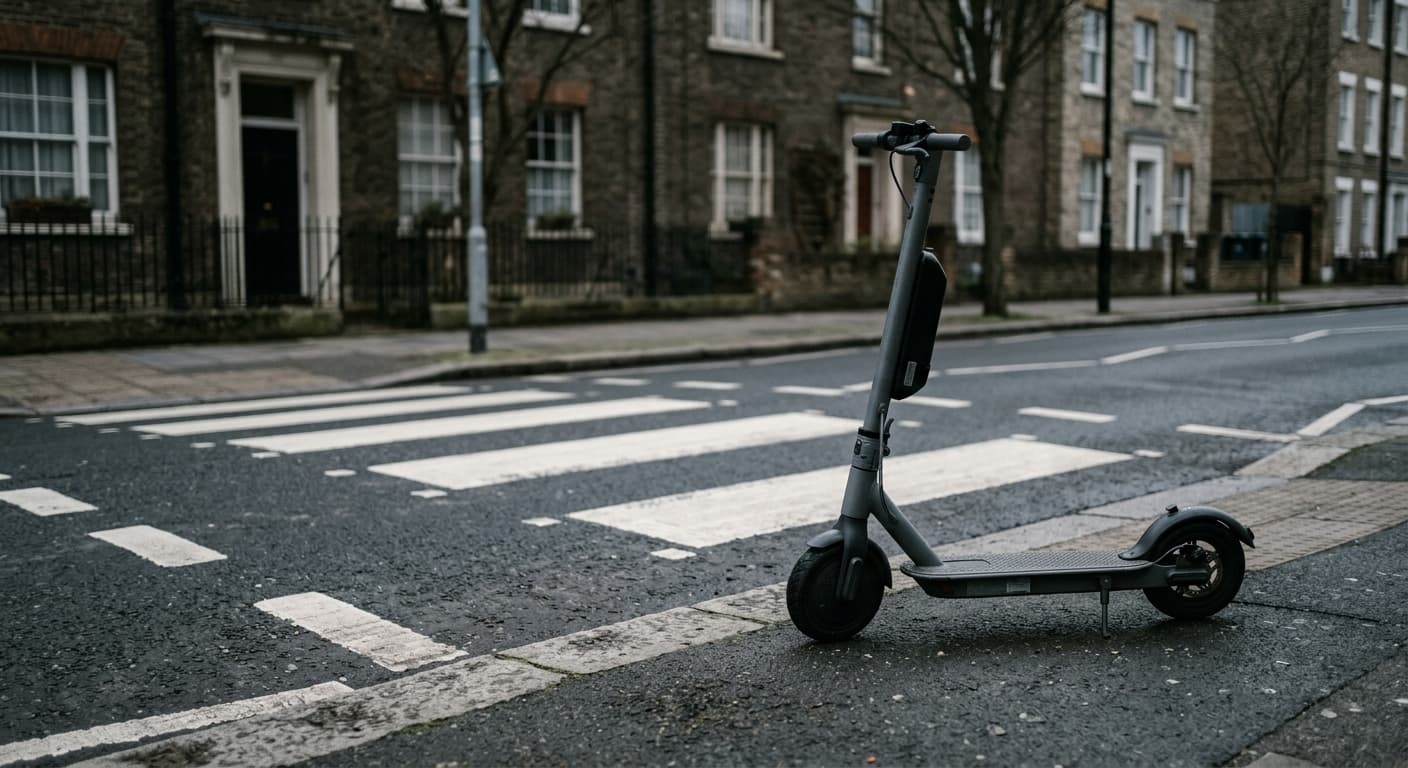
Yes. Colorado regulates electric scooters directly inside its general bicycle-and-human-powered-vehicle statute, C.R.S. § 42-4-1412, rather than in a standalone scooter article. Subsection (1) grants "a person riding a bicycle, electrical assisted bicycle, or electric scooter" the same rights and duties as any other vehicle driver under Colorado's traffic code, except provisions that by their nature cannot apply.
Colorado law also defines a separate, more powerful "low-power scooter" category under a different section, C.R.S. § 42-1-102(48.5), which is not the same device as the everyday electric scooter this page mostly covers. That distinction matters because several consumer guides use "low-power scooter" loosely to mean any powered scooter, when Colorado law treats the two as structurally different vehicle classes with different obligations, covered separately below.
What counts as an e-scooter in Colorado
C.R.S. § 42-1-102(28.8)(a) defines an electric scooter as a device that:
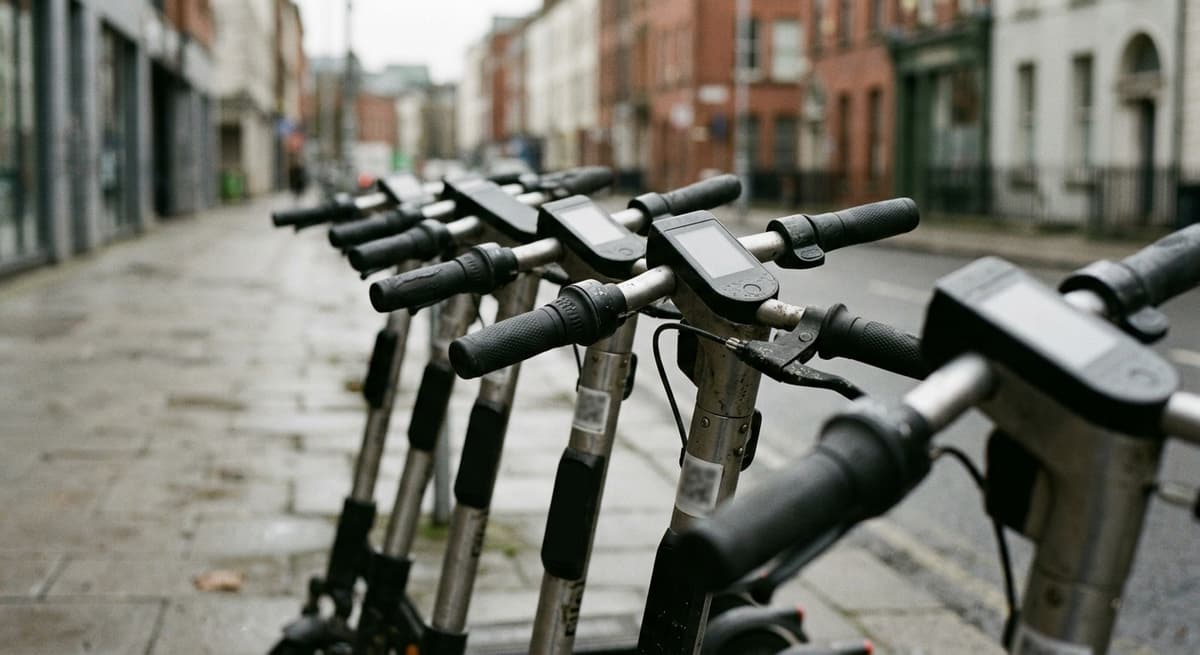
- Weighs less than 100 pounds
- Has handlebars and an electric motor
- Has a maximum speed of 20 mph on a paved, level surface when powered solely by the electric motor
A separate, heavier category exists in Colorado law: the "low-power scooter," defined at § 42-1-102(48.5)(a), covers devices with up to three wheels, no manual clutch, and either a gas engine of 50cc or less or an electric motor of up to 4,476 watts. The electric-scooter definition sets no wattage ceiling at all; it is bounded instead by weight (under 100 pounds) and a 20 mph top speed on motor power alone, so the two classes are separated by build, seating, and speed rather than by any comparable wattage figure. A low-power scooter requires registration and a complying motor-vehicle insurance policy, has a permanent seat requirement, and gets vehicle-driver rights and duties rather than bicycle rights and duties. If a device you are riding is closer to this heavier spec, the registration, insurance, and helmet-under-18 rules described below for low-power scooters apply instead of the lighter e-scooter rules.
Where you can ride
Because C.R.S. § 42-4-1412 gives electric scooters the same rights and duties as bicycles, and the statute's sidewalk subsection contemplates scooters directly, sidewalk riding is permitted by default statewide. Subsection (10)(a) requires a rider to "yield the right-of-way to any pedestrian and... give an audible signal before overtaking and passing." Subsection (10)(b) allows local ordinance or official traffic-control devices to restrict this further, so a specific city or a specific street can be more restrictive than the state default. Lane position for on-road riding follows subsection (5)(a): ride in the right-hand lane when travelling slower than the flow of traffic, with the usual hazard exceptions.
Rider rules
- Age: No statewide minimum age applies to ordinary electric scooters. The only age-and-helmet language anywhere in § 42-4-1412 sits in subsection (15), and by its own text it applies exclusively to Class 3 electrical-assisted bicycles: "A person under sixteen years of age shall not ride a class 3 electrical assisted bicycle," with a helmet-under-18 rule attached to that same class. Every other subsection of § 42-4-1412 lists "bicycle, electrical assisted bicycle, or electric scooter" together with no age carve-out for the scooter, which is how several secondary sources ended up misapplying the Class 3 e-bike rule to scooters. Do not carry that 16/18 figure over to an ordinary electric scooter; it is not accurate for that device.
- Helmet: No statewide helmet requirement for ordinary electric scooters, for the same reason described above.
- License, registration, insurance: Not required for an ordinary electric scooter. Registration and insurance apply only to the separate, heavier low-power-scooter category described above; the DMV frames registration as a low-power-scooter-only requirement, with a 3-year registration period and a $5.88 fee effective July 1, 2025.
- Low-power scooter helmet rule: For the heavier low-power-scooter class specifically, C.R.S. § 42-4-109(6.5) does require a helmet for riders under 18. This is a real, separate statutory rule; it just does not apply to the everyday electric scooter most riders use.
Penalties
A violation of § 42-4-1412 is classified as a class 2 misdemeanor traffic offense under subsection (12)(a). For low-power scooters under § 42-4-109, violations are generally a class B traffic infraction, with a class A infraction specifically for the under-18 helmet violation. Exact fine amounts were not pulled from a schedule in this research; check the current Colorado traffic-offense fine schedule or your local court for the specific amount tied to your citation.
Enforcement in practice
No statewide enforcement data specific to electric scooters was located for this research. Reported Denver-area local rules, including a downtown sidewalk restriction and a shared-fleet sidewalk-detection ordinance said to take effect July 1, 2026, could not be confirmed against a primary Denver municipal code source; both the city's own code portal and a secondary code host returned access errors during this research. Enforcement patterns do not change the underlying legal status, and this page will not present those unverified Denver figures as confirmed fact.
Denver e-scooter rules
Denver is Colorado's largest city. State law permits sidewalk riding with a yield-to-pedestrians duty unless a city has locally restricted it, and secondary sources report that Denver has restricted sidewalk riding in its downtown core, but this could not be independently verified against the primary Denver ordinance text this session. Riders in Denver should check the current city ordinance directly, particularly if downtown or a specific commercial district is involved, rather than relying on a secondhand summary.
If a scooter-related incident happens on a Colorado roadway, general Colorado DUI and negligence rules can still apply; see RecordingLaw's Colorado DUI Laws and Colorado Car Accident Laws pages, and RecordingLaw's E-Scooter Laws by State hub to compare Colorado's rules to other states.
Frequently Asked Questions
Is there a minimum age to ride an e-scooter in Colorado?
No statewide minimum age applies to an ordinary electric scooter. A commonly repeated 16-year-old rule actually applies only to Class 3 electrical-assisted bicycles, a different vehicle category under the same statute.
Do I need a helmet to ride an e-scooter in Colorado?
No, not for an ordinary electric scooter. The statute's helmet-under-18 language applies only to Class 3 electrical-assisted bicycles. A separate, heavier low-power-scooter category does require a helmet under 18.
Can I ride an e-scooter on the sidewalk in Colorado?
Yes, by default statewide, as long as you yield to pedestrians and give an audible signal when passing. A city can restrict this further by local ordinance.
What is a low-power scooter and is it the same as an e-scooter in Colorado?
No. A low-power scooter is a heavier, more powerful device (up to 4,476 watts) that requires registration and insurance under Colorado law. An ordinary electric scooter (under 100 pounds, 20 mph device cap) needs neither.
Do I need to register or insure my e-scooter in Colorado?
No, not for an ordinary electric scooter. Registration and insurance apply only to the separate low-power-scooter category.
Are Denver's e-scooter rules different from the rest of Colorado?
Denver is reported to restrict downtown sidewalk riding more than the state default allows generally, but this could not be confirmed against the primary Denver ordinance text in this research. Check the current Denver city code directly.
Updates
Corrected the comparison between low-power scooters and ordinary electric scooters: Colorado law sets no wattage limit for an electric scooter, which is defined by weight and a 20 mph top speed instead.
Governing law re-checked for recent changes
Independently fact-checked against the cited primary sources
The Law Behind This Article
This article rests on the statutory provisions below, held in our own legal record and retrieved from the official source. Tap a section to read the operative text.
Colorado Revised Statutes, Title 42: Vehicles and Traffic
§ 42-4-1412Operation of bicycles, electric scooters, and other human-powered vehiclesIn force
(1) A person riding a bicycle, electrical assisted bicycle, or electric scooter has all of the rights and duties applicable to the driver of any other vehicle under this article 4, except as to special regulations in this article 4, except as provided in section 42-4-1412.5, and except as to those provisions that by their nature can have no application. Bicycle, electrical assisted bicycle, or electric scooter riders shall comply with the rules set forth in this section and section 42-4-221, and, when using streets and highways within incorporated cities and towns, are subject to local ordinances regulating the operation of bicycles, electrical assisted bicycles, and electric scooters as provided in section 42-4-111. Notwithstanding any contrary provision in this article 4, when a county or municipality has adopted an ordinance or resolution that regulates the operation of bicycles, electrical assisted bicycles, and electric scooters at controlled intersections, as defined in section 42-4-1412.5 (4)(a), and that does not conflict with section 42-4-1412.5, riders are subject to the local ordinance or resolution.
Official text (excerpt) · last checked 2026-09-07 · Read the full text in our law library · Verify at olls.info
§ 42-4-109Low-power scooters, animals, skis, skates, and toy vehicles on highwaysIn force
(1) A person riding a low-power scooter upon a roadway where low-power scooter travel is permitted shall be granted all of the rights and shall be subject to all of the duties and penalties applicable to the driver of a vehicle as set forth in this article except those provisions of this article that, by their very nature, can have no application. (2) A person riding a low-power scooter shall not ride other than upon or astride a permanent and regular seat attached thereto. (3) No low-power scooter shall be used to carry more persons at one time than the number for which it is designed and equipped. (4) No person riding upon any low-power scooter, coaster, roller skates, sled, or toy vehicle shall attach the same or himself or herself to any vehicle upon a roadway. (5) A person operating a low-power scooter upon a roadway shall ride as close to the right side of the roadway as practicable, exercising due care when passing a standing vehicle or one proceeding in the same direction. (6) Persons riding low-power scooters upon a roadway shall not ride more than two abreast.
Official text (excerpt) · last checked 2026-07-29 · Read the full text in our law library · Verify at olls.info
§ 42-1-102DefinitionsIn forcecited in 2 of our articles
As used in articles 1 to 4 of this title 42, unless the context otherwise requires: (1) Acceleration lane means a speed-change lane, including tapered areas, for the purpose of enabling a vehicle entering a roadway to increase its speed to a rate at which it can more safely merge with through traffic. (1.5) Accredited testing laboratory means a testing laboratory that is recognized by the federal occupational safety and health administration or an independent laboratory that has been certified by an accrediting body to the standard ISO 17025 or standard ISO 17065 of the International Organization for Standardization. (2) Administrator means the property tax administrator. (3) Alley means a street or highway intended to provide access to the rear or side of lots or buildings in urban areas and not intended for the purpose of through vehicular traffic.
Official text (excerpt) · last checked 2026-07-29 · Read the full text in our law library · Verify at olls.info
Cited in 5 court opinions in our collectionLatest citing opinion in our collection: 2025
Opinions citing this section in our collection:
- In re Galvin (United States Bankruptcy Court, D. Colorado 2018, 583 B.R. 262)“…exemption has been limited to expressly defined property. C.R.S. § 42-1-102(105) defines a trailer as "...any wheel…”
- Independence Institute v. Gessler (District Court, D. Colorado 2012, 869 F. Supp. 2d 1289)“…orado in order to obtain state-issued identification. See Colo.Rev.Stat. § 42-1-102(81) (a person who has obtained gainful…”
- United States v. Fritz (District Court, D. Colorado 1998, 26 F. Supp. 2d 1285)“…he definition of a “highway” under Colorado law is found at Colo.Rev.Stat. § 42-1-102(43) and reads as follows: “Highway” m…”
Identified automatically from the court opinions citing this section — not a ranking of which case controls.
Also relied on in: Colorado Lemon Law (2026): How to Qualify & Get a Refund
Search our full record of US law — 2.1 million sections, every state + federal →
Sources and References
- Colorado Revised Statutes § 42-4-1412 (Operation of bicycles, electric scooters, and other human-powered vehicles)(colorado.public.law)
- Colorado Revised Statutes § 42-1-102(28.8) ("Electric scooter" definition)(colorado.public.law)
- Colorado Revised Statutes § 42-4-109 (Low-power scooters; operation)(colorado.public.law)
- Colorado Division of Motor Vehicles, Low-Power Scooter registration page(dmv.colorado.gov).gov
- RecordingLaw.com, Colorado DUI Laws(recordinglaw.com)
- RecordingLaw.com, Colorado Car Accident Laws(recordinglaw.com)
- Colorado Revised Statutes 2026, Title 42 (official text published by the Colorado Office of Legislative Legal Services), 42-1-102(28.5), (28.8), (48.5) definitions(olls.info)