Colorado Dog Bite Laws: Liability and Victim Rights

How Colorado Dog Bite Liability Works
Colorado uses a dual-track system for dog bite claims. The type of legal claim you can bring depends on the severity of the injury.
Under C.R.S. 13-21-124, a person who suffers serious bodily injury or death from a dog bite while lawfully on public or private property may recover economic damages from the dog owner. The owner is liable regardless of the dog's history or whether the owner knew the dog was dangerous. This is known as strict liability.
For injuries that do not meet the "serious bodily injury" threshold, Colorado applies a common-law negligence standard. The victim must show that the owner knew or should have known the dog was dangerous and failed to take reasonable steps to prevent the bite.
This distinction matters because each track offers different types of compensation and requires different levels of proof.
What Qualifies as "Serious Bodily Injury"
The statute defines "serious bodily injury" by reference to C.R.S. 18-1-901(3)(p). It includes injuries that involve:
- A substantial risk of death
- A substantial risk of serious permanent disfigurement
- A substantial risk of protracted loss or impairment of function of any body part or organ
- Broken bones or fractures
- Second- or third-degree burns
The statute also defines "bodily injury" (a lower threshold) as physical injury resulting in severe bruising, muscle tears, or skin lacerations requiring professional medical treatment, or any physical injury requiring corrective or cosmetic surgery.
What Victims Must Prove Under Strict Liability
Under the strict liability track, the burden of proof is relatively straightforward. The victim must show:
- The defendant owned the dog
- The dog bit the victim
- The bite caused serious bodily injury or death
- The victim was lawfully on public or private property at the time
The victim does not need to show the owner was careless, that the dog had bitten before, or that the owner knew the dog was aggressive.
Strict Liability Covers Only Economic Damages
One critical limitation of C.R.S. 13-21-124 is that it only allows recovery of economic damages. These include:
| Economic Damage Type | Examples |
|---|---|
| Medical expenses | Emergency room visits, surgery, rehabilitation, future treatment |
| Lost wages | Time missed from work during recovery |
| Loss of earning capacity | Reduced ability to earn income long-term |
| Property damage | Damaged clothing, personal items, or other property |
| Out-of-pocket costs | Transportation to medical appointments, home care assistance |
To recover non-economic damages such as pain and suffering, emotional distress, scarring, disfigurement, or loss of enjoyment of life, the victim must file a separate negligence claim and prove that the dog owner failed to exercise reasonable care.
Exceptions to Dog Owner Liability
C.R.S. 13-21-124 lists several specific exceptions where a dog owner is not liable, even if the bite causes serious injury. The owner is not liable when:
- The victim was trespassing. The person was unlawfully on public or private property at the time of the bite.
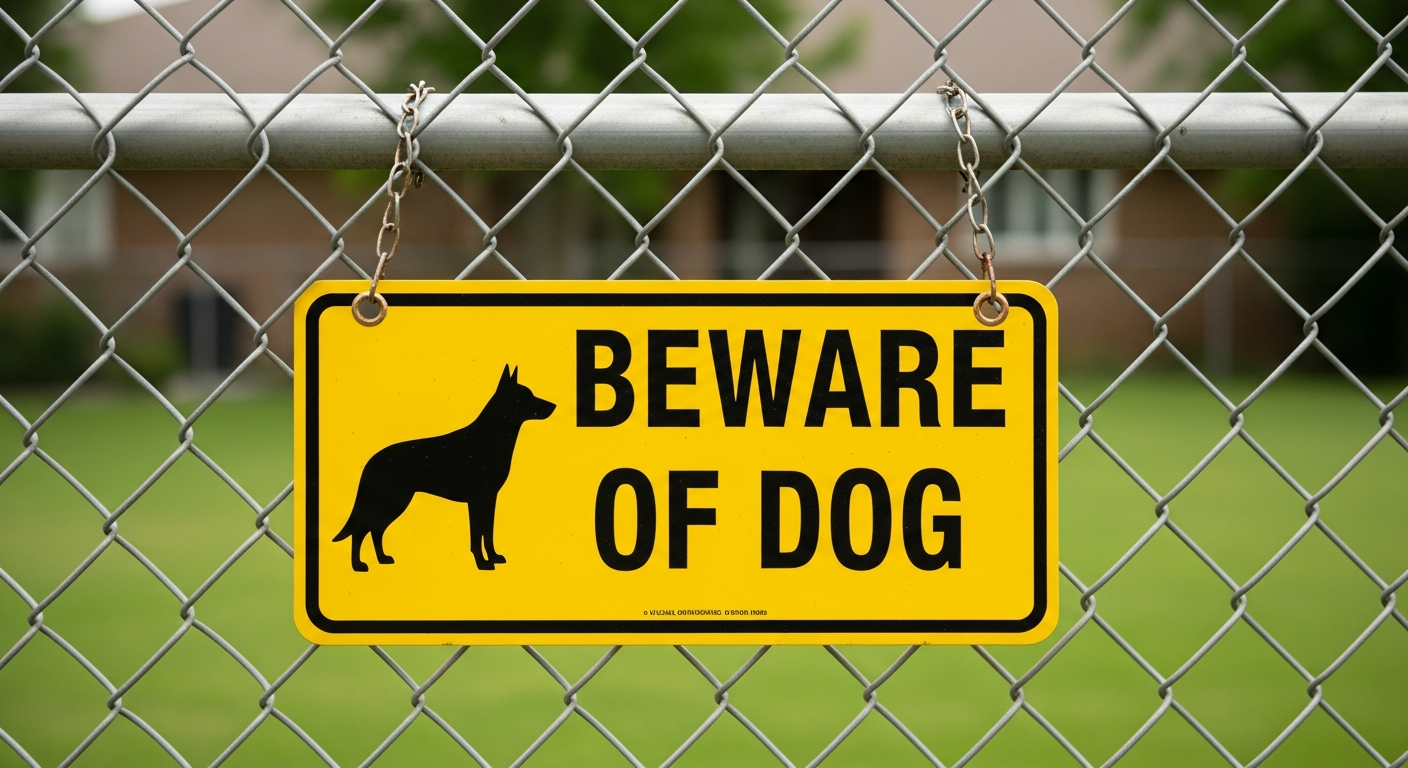
- The property had posted warning signs. The bite occurred on the dog owner's property and the property was clearly and conspicuously marked with "no trespassing" or "beware of dog" signs.
- The dog was used by law enforcement or military. A peace officer or military personnel was using the dog in the performance of official duties.
- The victim provoked the dog. The person knowingly provoked the dog before the bite occurred.
- The victim was an animal professional. The person was a veterinary health-care worker, dog groomer, humane agency staff person, professional dog handler, trainer, or dog show judge acting in the course of their duties.
- The dog was a working dog. The dog was working as a hunting dog, herding dog, farm or ranch dog, or predator control dog on the property of or under the control of the dog's owner.
These exceptions apply to the strict liability statute specifically. A victim barred from a strict liability claim may still pursue a negligence claim in some situations.
Colorado's Modified Comparative Negligence Rule
Colorado follows a modified comparative negligence system under C.R.S. 13-21-111. This rule affects how much compensation a dog bite victim can recover if the victim was partially at fault.
Under this rule:
- If the victim is 0% to 49% at fault, they can still recover damages, but the award is reduced by their percentage of fault
- If the victim is 50% or more at fault, they are completely barred from recovery
For example, if a jury awards $100,000 in damages but finds the victim 30% at fault for provoking the dog, the victim would receive $70,000.
This rule applies in negligence-based dog bite claims. It may also be raised as a defense in strict liability claims where the victim's conduct contributed to the injury.
Dangerous Dog Laws and Criminal Penalties
Colorado's criminal statute on dangerous dogs, C.R.S. 18-9-204.5, imposes penalties on owners of dogs that injure or kill people or domestic animals. The penalties escalate based on the severity of the harm.
Definition of "Dangerous Dog"
Under the statute, a "dangerous dog" is one that has:
- Inflicted bodily or serious bodily injury upon or caused the death of a person or domestic animal
- Demonstrated tendencies that would cause a reasonable person to believe the dog may inflict injury upon or cause the death of any person or domestic animal
- Been trained for or engaged in animal fighting
Criminal Penalties by Severity
| Offense | Classification | Potential Penalties |
|---|---|---|
| Dog causes bodily injury to a person | Class 2 misdemeanor | Fine up to $750 |
| Dog causes serious bodily injury (first offense) | Class 1 misdemeanor | Fine up to $1,000 |
| Dog causes serious bodily injury (second+ offense) | Class 6 felony | 1 to 1.5 years in prison, $1,000 to $100,000 fine |
| Dog causes death of a person | Class 5 felony | 1 to 3 years in prison, $1,000 to $100,000 fine |
Mandatory Dog Destruction
Upon conviction for a violation resulting in serious bodily injury or death to a person, or death to a domestic animal, or for a second or subsequent violation involving the same dog, the court must order the dangerous dog to be confiscated and destroyed by euthanasia administered by a licensed veterinarian.
Requirements for Dangerous Dog Owners
Owners of dogs designated as dangerous must comply with additional requirements:
- Keep the dog muzzled and leashed at all times when outside a secure enclosure
- Confine the dog in an escape-proof building or enclosure
- Post a warning sign on the property about the dangerous dog
- Have the dog microchipped
- Maintain liability insurance (amounts vary by jurisdiction)
Statute of Limitations for Dog Bite Claims
Under C.R.S. 13-80-102, the statute of limitations for personal injury claims in Colorado is 2 years from the date of the injury. This deadline applies to both strict liability and negligence-based dog bite claims.
Key points about the filing deadline:
- The 2-year clock starts on the date the bite occurs
- Minors may have an extended deadline; the statute of limitations is typically tolled (paused) until the minor turns 18
- Claims against government entities (such as a city-owned dog at an animal shelter) have shorter notice requirements, often as short as 182 days
- Missing the deadline permanently bars the claim in almost all cases
Property damage claims related to a dog bite have a longer deadline of 3 years under C.R.S. 13-80-101.
Dog Owner Responsibilities in Colorado
Colorado dog owners must follow several legal obligations at both the state and local level.
State-Level Requirements
- Rabies vaccination is required by Colorado law for all dogs
- Dangerous dog restrictions under C.R.S. 18-9-204.5 require muzzling, leashing, confinement, and microchipping for dogs designated as dangerous
- Liability for damages under C.R.S. 13-21-124 applies statewide
Local Ordinances
Most Colorado cities and counties have additional requirements, which often include:
- Leash laws requiring dogs to be leashed in public areas
- Licensing and registration with the local animal control authority
- Confinement requirements preventing dogs from running at large
- Noise ordinances addressing excessive barking
Violating local ordinances can strengthen a victim's negligence claim and may result in fines or other penalties for the owner.
Landlord Liability for Dog Bites
Colorado landlords can be held liable for a tenant's dog bite under the premises liability statute, C.R.S. 13-21-115, but only in limited circumstances.
Under the standard established by Colorado courts, a landlord is liable only if:
- The landlord actually knew, before entering into the lease, that the tenant's dog was dangerous
- The landlord had the ability to remove the dog or refuse the tenancy
- The landlord failed to act on that knowledge
Simply knowing the breed, agreeing to allow a "Beware of Dog" sign, or observing the dog on the property is not sufficient to establish landlord liability. The landlord must have had specific knowledge of dangerous behavior, such as a prior bite, before signing the lease.
Once a landlord learns a tenant's dog has bitten someone or shown vicious tendencies, the landlord must take action to remove the dog or risk liability for future incidents.
Breed-Specific Legislation in Colorado
Colorado has no statewide breed-specific legislation (BSL). Whether certain breeds are restricted depends on the local municipality.
Denver's Pit Bull Rules
Denver voters repealed a 30-year ban on pit bulls in November 2020 through Ballot Measure 2J. Pit bulls are now legal in Denver with a breed-restricted permit. Owners must:
- Obtain a breed assessment from Denver Animal Protection
- Register and pay an annual $30 fee
- Limit ownership to two pit bulls per household
- Provide the dog's address, a current photo, and two emergency contacts
Aurora's Repeal
Aurora voters repealed their pit bull ban in November 2024, ending a restriction that had been in place since 2005. Approximately 56% of voters approved the repeal.
Statewide Trend
Several Colorado communities, including Commerce City and Lone Tree, have also dropped breed-specific bans in recent years in favor of behavior-based dangerous dog laws that focus on individual dog conduct rather than breed.
Steps to Take After a Dog Bite in Colorado
If a dog bites you in Colorado, taking the right steps immediately can protect your health and strengthen a potential legal claim.
-
Get medical treatment right away. Dog bites carry a high risk of infection and may cause injuries that worsen without prompt care. Keep all medical records and receipts.
-
Report the bite to animal control. Contact your local animal control agency and, if appropriate, local police. An official report creates a record of the incident.
-
Document the scene and your injuries. Take photographs of your injuries, the location where the bite occurred, and the dog if possible.
-
Collect the owner's information. Get the dog owner's name, address, phone number, and homeowner's or renter's insurance information.
-
Identify witnesses. If anyone saw the attack, collect their names and contact information.
-
Preserve physical evidence. Keep torn or bloody clothing and any other damaged items.
-
Contact a personal injury attorney. A lawyer experienced in Colorado dog bite cases can evaluate whether you have a strict liability claim, a negligence claim, or both, and guide you through the process.

More Colorado Laws
- Colorado Sexting Laws
- Colorado Hit and Run Laws
- Colorado Statute of Limitations
- Colorado Child Support Laws
- Colorado Car Seat Laws
- Colorado Recording Laws
- Colorado Lemon Laws
- Colorado Whistleblower Laws

Sources and References
- C.R.S. 13-21-124 - Civil Actions Against Dog Owners(leg.colorado.gov).gov
- C.R.S. 18-9-204.5 - Unlawful Ownership of Dangerous Dog(leg.colorado.gov).gov
- C.R.S. 13-80-102 - Statute of Limitations (Two Years)(leg.colorado.gov).gov
- C.R.S. 13-21-111 - Comparative Negligence(leg.colorado.gov).gov
- C.R.S. 18-1-901(3)(p) - Definition of Serious Bodily Injury(leg.colorado.gov).gov
- C.R.S. 13-21-115 - Premises Liability(leg.colorado.gov).gov
- Denver Animal Protection - Breed-Restricted Permit Program(denvergov.org).gov