
New Jersey
New Jersey Medical Recording Laws: Patient Rights and HIPAA Rules
Independently fact-checked against primary sources (last audited August 15, 2026). · Reviewed by the RecordingLaw editorial team. · Law checked current as of August 15, 2026. · 4 primary sources cited on this page. How we verify our legal content
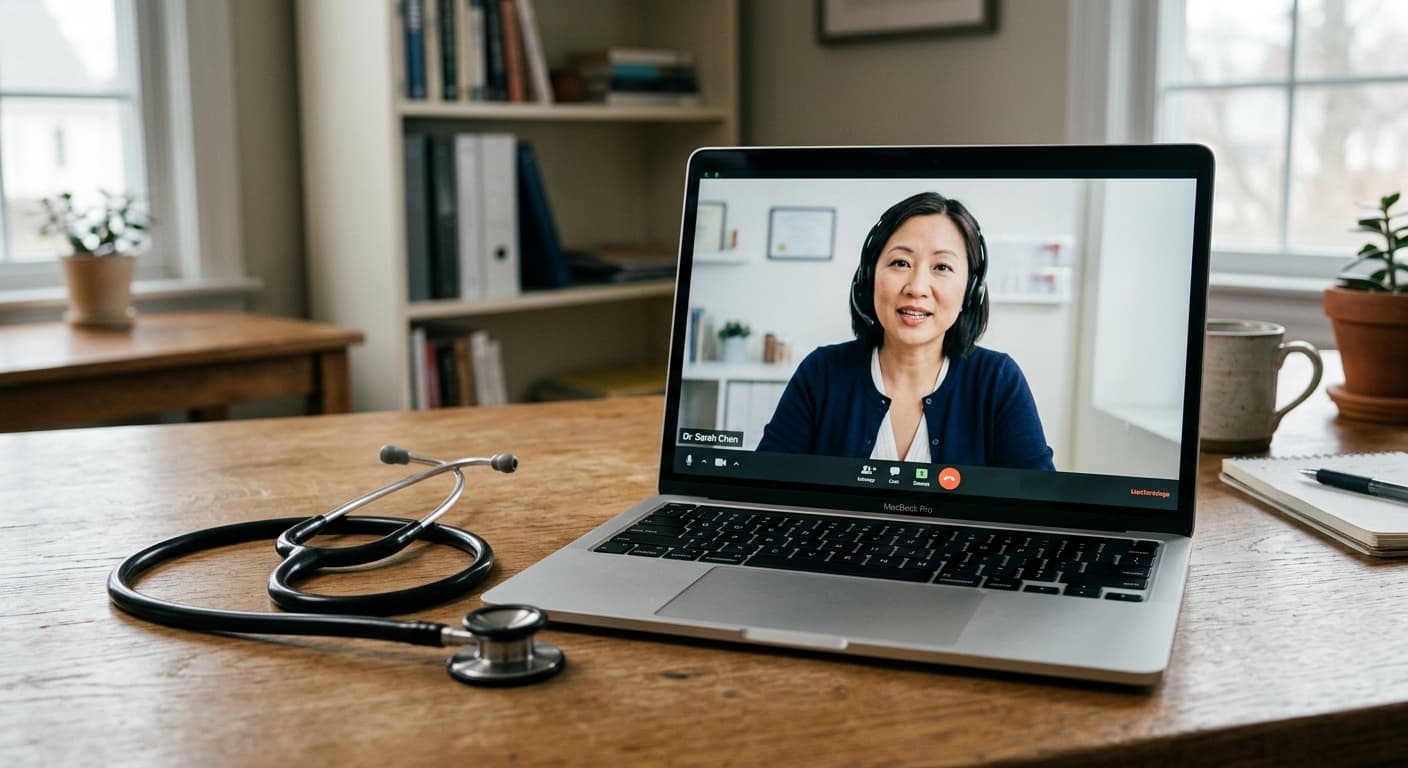
New Jersey patients may record their own medical appointments without notifying the provider. Under N.J. Stat. Ann. 2A:156A-4, the state's one-party consent rule covers conversations with doctors, nurses, and other healthcare providers. HIPAA does not restrict patients from recording; it governs providers, not the patients they treat.
New Jersey patients have the legal right to record their own medical appointments. Under N.J. Stat. Ann. 2A:156A-4, the state's one-party consent rule allows you to record any conversation you participate in, including conversations with doctors, nurses, therapists, and other healthcare providers. HIPAA does not change this analysis because HIPAA governs healthcare providers, not patients.
This guide covers patient recording rights, HIPAA considerations, provider policies on recording, telehealth recording rules, therapy session recording, and how medical recordings can be used as evidence in New Jersey.
Patient Rights to Record Medical Appointments
What Patients Can Record
As a New Jersey patient, the one-party consent rule allows you to record:
- Office visits with your primary care physician or specialist
- Consultations about diagnoses, treatment options, and prognosis
- Informed consent discussions before procedures or surgeries
- Conversations with nurses about medications, instructions, and care plans
- Pharmacy consultations about prescriptions and drug interactions
- Hospital interactions with attending physicians, nurses, and staff
- Conversations with medical billing departments about charges and insurance
- Second opinion consultations
You do not need to tell your healthcare provider that you are recording. Your participation in the conversation satisfies the one-party consent requirement.
Why Patients Record Medical Visits
Research supports the value of patient recording. Common reasons include:
- Remembering complex medical information: Studies show patients forget 40 to 80 percent of medical information immediately after an appointment
- Sharing with family caregivers who could not attend the appointment
- Reviewing diagnoses and treatment plans at home when you can process the information more carefully
- Documenting informed consent discussions before major procedures
- Preserving evidence of medical advice in case of a future malpractice claim
- Improving medication compliance by reviewing dosage and timing instructions
- Language barriers: Recordings help patients who speak English as a second language review information with a translator
Provider Responses to Patient Recording
While patients have the legal right to record, providers may respond in different ways:
- Supportive providers: Some doctors welcome patient recording, recognizing it improves understanding and compliance
- Neutral providers: Many providers do not notice or do not object to patient recording
- Resistant providers: Some providers may ask you to stop recording or express discomfort
A provider can:
- Ask you to stop recording (though you have no legal obligation to comply)
- Refuse to continue the appointment if you are recording (they may cite their office policy)
- Have a posted recording policy in their office
A provider cannot:
- Make your recording illegal (state law controls, not office policy)
- Confiscate your recording device
- Retaliate against you for making a lawful recording by refusing future care (this could raise abandonment and discrimination issues)
HIPAA and Patient Recording
What HIPAA Does and Does Not Do
The Health Insurance Portability and Accountability Act (HIPAA) is a federal law that governs how healthcare providers handle protected health information (PHI). Key points for recording:
HIPAA does NOT prohibit patients from recording. HIPAA restricts healthcare providers and their business associates from improperly disclosing PHI. It does not restrict what patients do with their own health information. You are not a "covered entity" under HIPAA.
HIPAA does restrict providers. If a healthcare provider records a session or conversation, that recording may contain PHI and become part of your medical record. The provider must then handle that recording according to HIPAA's privacy and security rules.
HIPAA does not give providers authority to prevent recording. Some providers mistakenly cite HIPAA as a reason to prohibit patient recording. This is incorrect. HIPAA does not apply to patients' own recording activities.
When HIPAA Matters for Recordings
HIPAA becomes relevant in specific scenarios:
- If your recording captures other patients' information: A recording made in a waiting room or shared treatment area that captures other patients' names, conditions, or conversations contains their PHI. Sharing this recording could create issues.
- If you share recordings publicly: Posting a recording of your doctor visit on social media is legal under New Jersey law, but if it captures another patient's information, that patient may have privacy claims.
- If you request the provider's recordings: Under HIPAA's access provisions, you have the right to access your medical records, which may include recordings the provider made of your treatment.
Recording Telehealth Appointments

Your Rights During Telehealth Visits
Telehealth appointments follow the same one-party consent rules as in-person visits. You can record your telehealth appointment using:
- Screen recording software on your computer or tablet
- A second device (smartphone) to record the screen and audio
- Built-in recording features in telehealth platforms (if available to you)
- External audio recorders placed near your speakers
Platform Terms of Service
Some telehealth platforms (Zoom, Doxy.me, Amwell) have terms of service that address recording. While violating a platform's terms of service could result in account restrictions, it does not make the recording illegal under New Jersey law. State law controls the legality of the recording, not the platform's terms.
Interstate Telehealth Considerations
If you are a New Jersey patient and your provider is located in a two-party consent state, the interstate recording question arises. Courts have not provided a definitive answer for telehealth, but the safest approach is:
- If both you and the provider are in New Jersey, one-party consent applies
- If the provider is in a two-party consent state, consider informing them about the recording
- If you are in a two-party consent state during the call, that state's stricter law may apply
Therapy and Mental Health Recording
Recording Therapy Sessions
New Jersey patients can legally record therapy sessions under one-party consent. However, this topic raises significant clinical and practical considerations:
Legal right: You have the same one-party consent right to record therapy sessions as any other conversation you participate in.
Clinical concerns: Many therapists strongly discourage recording because:
- It may inhibit the therapist's candor and therapeutic approach
- It can change the therapeutic dynamic and reduce the effectiveness of treatment
- Recordings taken out of context could be misunderstood
- Reviewing recordings repeatedly may not serve the patient's therapeutic goals
Provider policies: Many mental health practices have written policies against recording. While these policies cannot make recording illegal, a therapist may refuse to continue treatment if you insist on recording.
Psychiatric Evaluations
Recording court-ordered or employer-requested psychiatric evaluations can be particularly valuable because these evaluations have significant legal consequences. You can record your own evaluation under one-party consent. The recording preserves exactly what was discussed and can be used to challenge the evaluator's conclusions if necessary.
Substance Abuse Treatment
42 CFR Part 2 provides special federal privacy protections for substance use disorder treatment records. These protections are stricter than HIPAA and restrict the disclosure of substance abuse treatment information. However, like HIPAA, these rules apply to providers, not to patients recording their own treatment sessions.
Recording in Hospital Settings
Patient Recording Rights in Hospitals
Hospital patients can record their own care interactions under one-party consent:
- Conversations with attending physicians about diagnosis and treatment
- Discussions with surgeons about upcoming procedures
- Interactions with nurses about medications and care
- Conversations with hospital social workers or patient advocates
- Discharge planning discussions
Operating Room and Procedure Recording
Recording during surgical procedures raises unique issues:
- If you are under anesthesia, you are not a "party" to conversations happening in the operating room, so one-party consent would not authorize recording
- Some patients place recorders on their person before going under anesthesia, but the legal status of these recordings is uncertain
- Hospital policies typically prohibit patient recording during procedures for safety and sterility reasons
Visitor and Family Recording
Family members visiting patients in hospitals can record their own conversations with healthcare providers under one-party consent. This is common when family members are involved in care decisions, particularly for:
- Elderly patients who need family assistance
- Patients who are incapacitated or sedated
- Children whose parents serve as their healthcare advocates
- Patients who want a family member to hear the doctor's explanation
Medical Recordings as Evidence
Medical Malpractice Cases
Recordings of medical appointments can serve as evidence in malpractice claims. They can document:
- What information the provider communicated about risks and alternatives
- Whether adequate informed consent was obtained
- The provider's statements about the patient's condition
- Contradictions between what the provider said and what was documented in the medical record
Workers' Compensation
Recordings of medical evaluations in workers' compensation cases can preserve the evaluator's questions and the claimant's responses. This is especially valuable during independent medical examinations (IMEs), where the evaluator is hired by the insurance company.
Disability Claims
Recordings can document what a healthcare provider said about your functional limitations, treatment prognosis, and ability to work. This evidence can support Social Security disability applications and private disability insurance claims.
Admissibility
Medical recordings made under New Jersey's one-party consent law are generally admissible in court. Standard evidence requirements apply: the recording must be authenticated, relevant, and not unduly prejudicial.
Healthcare Facility Surveillance
Hospital Security Cameras
Hospitals and medical facilities can install security cameras in:
- Lobbies, waiting rooms, and hallways
- Parking lots and garages
- Emergency department triage areas (common areas only)
- Entrances and exits
Cameras cannot be installed in:
- Patient rooms (without consent)
- Examination rooms
- Bathrooms and changing areas
- Any area where patients are undressed or receiving treatment
Exceptions for Patient Safety Monitoring
In some cases, hospitals may use video monitoring for patient safety purposes, such as fall prevention or monitoring high-risk patients. These situations typically require patient or family consent and are governed by hospital policies and state healthcare regulations.
New Jersey Recording Laws by Topic
Phone Call Recording | Audio Recording | Video Recording | Workplace Recording | Recording Police | Security Cameras | Recording in Public | Landlord-Tenant | Dashcam Laws | Schools | Medical Recording | Voyeurism & Hidden Cameras
Back to New Jersey Recording Laws
More New Jersey Recording Topics
More New Jersey Laws
Frequently Asked Questions
Can I record my doctor's appointment in New Jersey?
Yes. Under New Jersey's one-party consent law (N.J. Stat. Ann. 2A:156A-4), you can record any medical appointment you attend without telling the provider. HIPAA does not prohibit patients from recording their own visits. However, your provider may have a recording policy and could ask you to stop.
Does HIPAA prevent me from recording my doctor?
No. HIPAA governs healthcare providers, not patients. It restricts how providers handle your health information but does not give providers authority to prevent you from recording your own medical conversations. Your right to record comes from New Jersey state law.
Can I record a telehealth appointment in New Jersey?
Yes. Telehealth appointments follow the same one-party consent rules as in-person visits. You can use screen recording, a second device, or external audio recorders. If your provider is in a two-party consent state, consider informing them about the recording.
Can I record my therapy sessions in New Jersey?
Legally, yes. New Jersey's one-party consent law applies to therapy sessions just as it does to any other conversation. However, many therapists have strong clinical objections to recording, and some may refuse to continue treatment if you insist on recording.
Can medical recordings be used as evidence in New Jersey?
Yes. Recordings of medical appointments made under the one-party consent law are generally admissible in malpractice cases, workers' compensation proceedings, disability claims, and other legal proceedings. The recording must be authenticated and relevant to the case.
Updates
Independently fact-checked against the cited primary sources; governing law re-checked for recent changes
Reviewed and approved by an editor
The Law Behind This Article
This article rests on the statutory provisions below, held in our own legal record and retrieved from the official source. Tap a section to read the operative text.
New Jersey Statutes (Unannotated)
§ 2A:156A-3Interception, disclosure, use of wire, electronic, oral communication; violationIn forcecited in 12 of our articles
3. Except as otherwise specifically provided in this act, any person who: a. Purposely intercepts, endeavors to intercept, or procures any other person to intercept or endeavor to intercept any wire, electronic or oral communication; or b. Purposely discloses or endeavors to disclose to any other person the contents of any wire, electronic or oral communication, or evidence derived therefrom, knowing or having reason to know that the information was obtained through the interception of a wire, electronic or oral communication; or c. Purposely uses or endeavors to use the contents of any wire, electronic or oral communication, or evidence derived therefrom, knowing or having reason to know, that the information was obtained through the interception of a wire, electronic or oral communication; shall be guilty of a crime of the third degree. Subsections b. and c. of this section shall not apply to the contents of any wire, electronic or oral communication, or evidence derived therefrom, that has become common knowledge or public information.
Official text (excerpt) · last checked 2026-08-28 · Read the full text in our law library · Verify at lis.njleg.state.nj.us
Also relied on in: New Jersey Recording Laws (2026): One-Party Consent Rules, New Jersey AI Meeting Recording Laws (2026), New Jersey Dashcam Laws: Legality, Mounting, and Evidence Rules
Search our full record of US law — 2.1 million sections, every state + federal →
Sources and References
- N.J. Stat. Ann. 2A:156A-4 - Lawful Interception Activities(law.justia.com)
- HIPAA - Health Insurance Portability and Accountability Act(hhs.gov).gov
- HHS - Your Rights Under HIPAA(hhs.gov).gov
- 42 CFR Part 2 - Substance Use Disorder Patient Records(ecfr.gov).gov
- New Jersey Division of Consumer Affairs - Medical Licensing(njconsumeraffairs.gov).gov
- N.J. Stat. Ann. 2C:14-9 - Invasion of Privacy(law.justia.com)
- N.J. Stat. Ann. 2A:156A-3 - Prohibited Interception(law.justia.com)