
United Kingdom
UK Driving Laws: Fines, Points, Bans & Appeals
Independently fact-checked against primary sources (last audited September 29, 2026). · Law checked current as of September 29, 2026. · 17 primary sources cited on this page. How we verify our legal content
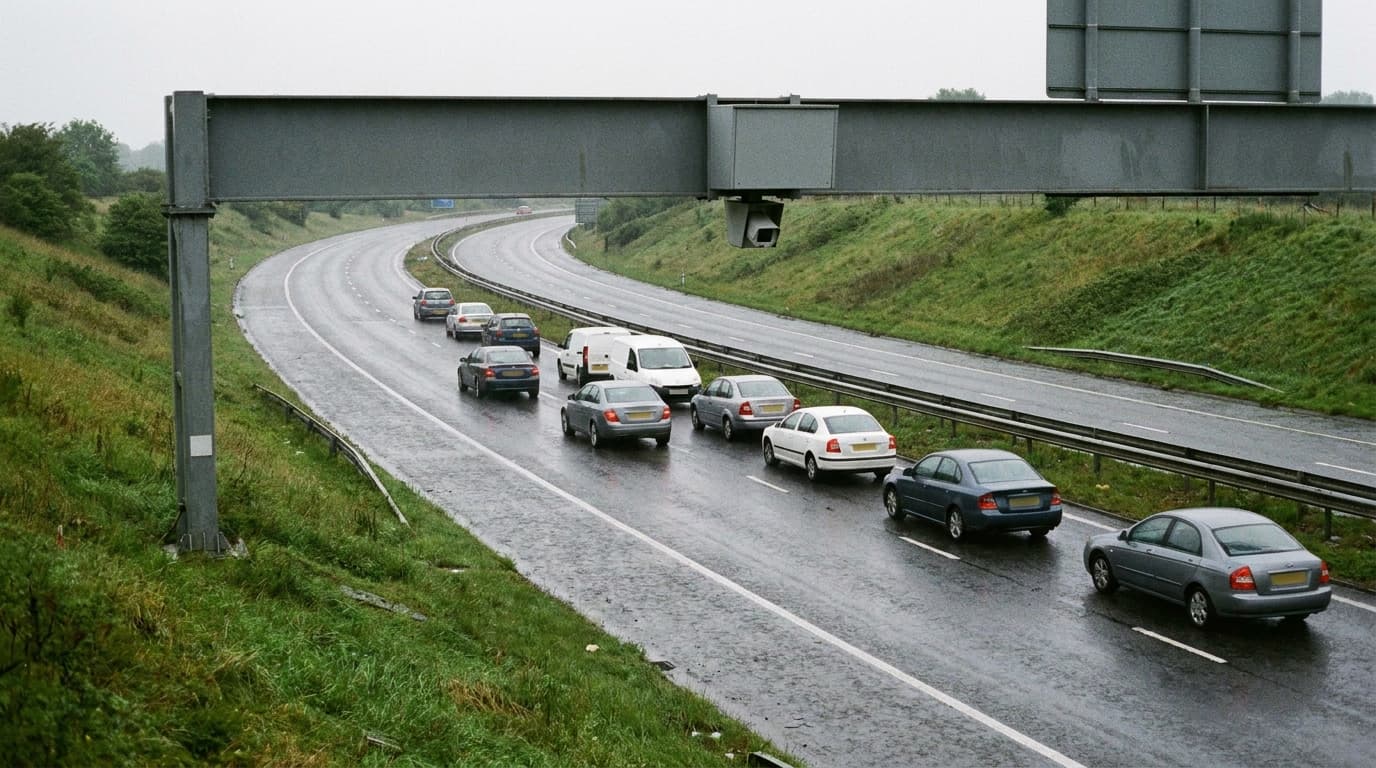
Most UK motoring law is the same wherever you drive. In Great Britain it is set by the Road Traffic Act 1988 and enforced through the DVLA and the courts, and Northern Ireland has its own equivalent legislation and licensing agency, the DVA. But a few things change at the border, above all the drink-drive limit, which is lower in Scotland. This hub maps the offences, penalties and appeals, and links every guide.
What is national and what changes by nation
The Road Traffic Act 1988, the Road Traffic Offenders Act 1988 and the DVLA licensing system apply across Great Britain, so penalty points, speeding penalties, insurance requirements and the mobile-phone rules work the same way in England, Wales and Scotland. Northern Ireland uses the same core offences but runs licensing through its own Driver and Vehicle Agency (DVA), so an NI driver checks and manages their licence differently. The one substantive divergence every driver should know is the drink-drive limit: Scotland lowered its limit to 50mg in 2014, while England, Wales and Northern Ireland stayed at 80mg. Speeding fine bands are also technically an England and Wales matter, since Scotland and Northern Ireland courts use their own sentencing frameworks.
Speeding, points and disqualification
Lower-level speeding usually means a £100 fixed penalty and 3 points, or the offer of a speed awareness course instead (courses are not available for offences committed in Scotland). Court cases use income-based bands, and you can estimate a fine with our speeding fine calculator. Penalty points build up on your licence, and 12 within three years triggers a totting-up ban, while new drivers are revoked at 6. You can check your own licence and points free through the DVLA.

Serious offences: drink-driving and no insurance
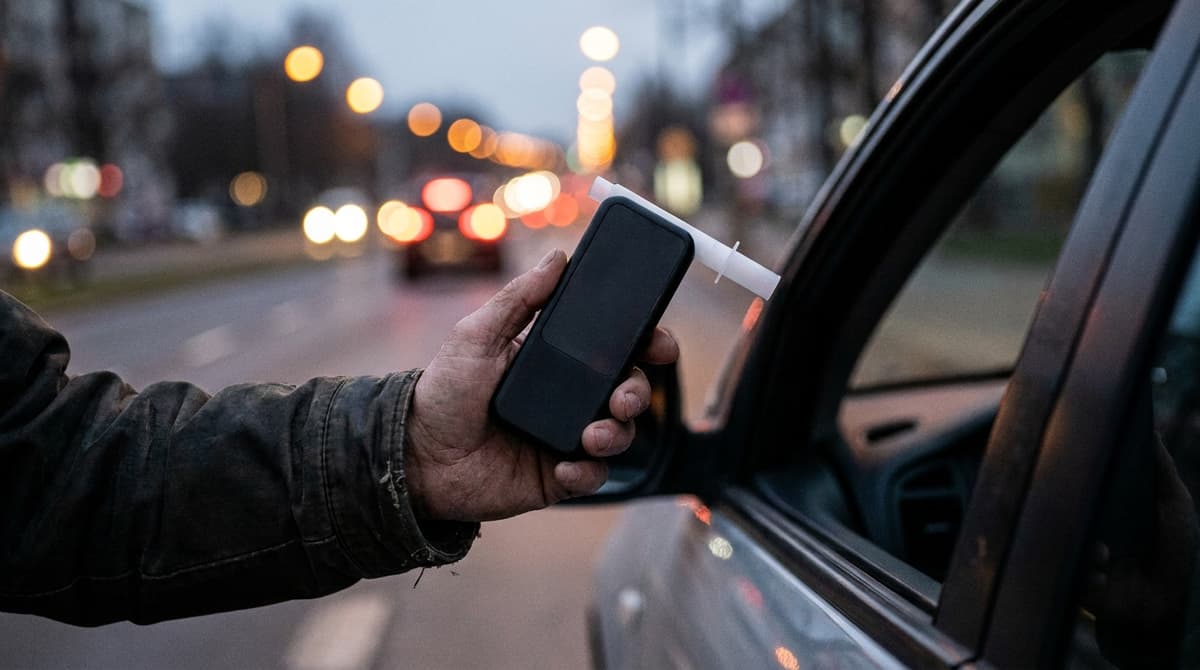
Driving over the drink limit carries a minimum 12-month ban, a fine (unlimited in England and Wales, up to £5,000 in Scotland and Northern Ireland) and up to 6 months in prison, explained on our drink-driving penalties page. Driving without insurance means a £300 fixed penalty and 6 points or, in court, a fine (unlimited in England and Wales, up to £5,000 in Scotland and Northern Ireland, where up to 6 months in prison is also possible) and possible disqualification. The police can also seize an uninsured vehicle. Using a handheld phone at the wheel carries £200 and 6 points across the UK (in Great Britain since March 2017, and since March 2022 the GB ban covers almost any handheld use), explained on our mobile phone driving law page.
Parking, charges and everyday motoring
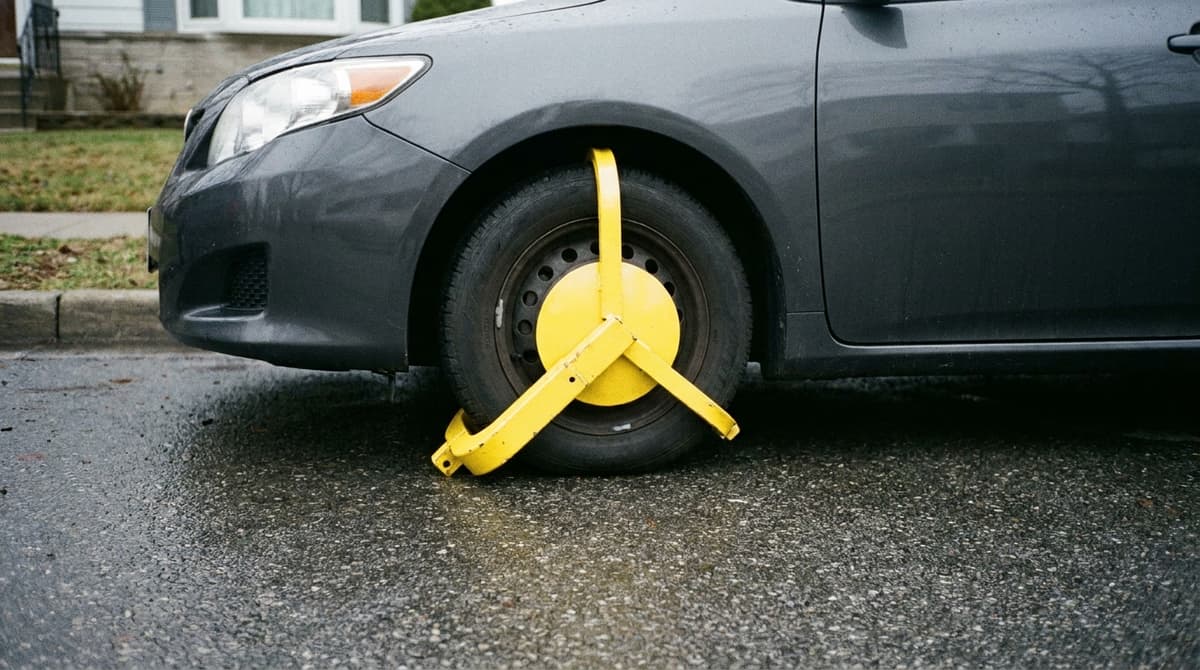
Not every ticket is the same. A council Penalty Charge Notice is a civil, statutory fine you can take to an independent tribunal (in England and Wales, the Traffic Penalty Tribunal or London Tribunals), while a private parking charge is a contract-based charge you appeal to POPLA or the IAS. The Dartford Crossing charge must be paid by midnight the day after you cross. Elsewhere on the everyday side, there are firm rules on window tint, the legal grey area of dash cams and privacy, and the widely misunderstood law on e-scooters.
More UK driving guides
- Car Tax and SORN: Penalties for an Untaxed Vehicle in the UK
- Child Car Seat Laws in the UK: Age, Height and Booster Seat Rules
- Driving Without an MOT: Fines, Insurance and Exemptions Explained
- Drug Driving Laws in the UK: Limits, Defences and Penalties
- Telling DVLA About a Medical Condition: The Law and the Fine
- Learner Driver Rules in the UK: Supervisors, L Plates and Motorways
- Pavement Parking Laws in the UK: What's Banned Where
- Scotland's Low Emission Zones: Rules, Penalty Charges and the Four Cities
- How Speed Cameras Work in the UK: The Notice of Intended Prosecution Explained
- ULEZ and Clean Air Zone Charges: Rules, Costs and PCNs Explained
This hub is general legal information about driving law in the United Kingdom, not legal advice, and it does not cover the facts of any individual case. Most rules are UK-wide, but the drink-drive limit differs in Scotland, speeding sentencing differs across the nations, and Northern Ireland runs its own licensing. For your own situation, check the current guidance on GOV.UK, mygov.scot or nidirect, or speak to a motoring solicitor. Part of our guide to United Kingdom law.
Frequently Asked Questions
Is UK driving law the same in England, Scotland, Wales and Northern Ireland?
Mostly. Penalty points, speeding, insurance and mobile-phone rules work the same way in England, Wales and Scotland under the Road Traffic Act 1988, and Northern Ireland has its own equivalent legislation. The main difference is the drink-drive limit, which is lower in Scotland (50mg) than in England, Wales and Northern Ireland (80mg). Northern Ireland also runs its own licensing through the DVA.
How much is a speeding fine in the UK?
For minor speeding it is usually a £100 fixed penalty and 3 points, or a speed awareness course (not available for offences committed in Scotland). In court, England and Wales fines are based on weekly income, from 25% to 175% depending on the band, capped at £1,000 or £2,500 on a motorway. You can estimate one with our speeding fine calculator.
How many penalty points until I lose my licence?
12 or more points within three years means a minimum six-month disqualification under the totting-up rules. If you passed your test in the last two years, just 6 points revokes your licence and you have to re-apply and re-sit both tests.
What is the difference between a council PCN and a private parking ticket?
A council Penalty Charge Notice is a civil penalty under statute, appealed to an independent tribunal (in England and Wales, the Traffic Penalty Tribunal, or London Tribunals in London). A private parking charge is a contractual charge issued by a private company on private land, appealed for free to POPLA or the IAS under the industry Single Code of Practice.
Are e-scooters legal in the UK?
Privately owned e-scooters are illegal to use on public roads, pavements and cycle lanes. Only rental e-scooters in official government trial areas can be used on the road, not the pavement. You can use a private e-scooter on private land with the landowner's permission.
Updates
Corrected the hub to say magistrates' fines for drink-driving and no insurance are unlimited only in England and Wales (up to £5,000 in Scotland and Northern Ireland), that speed awareness courses are not offered for offences in Scotland, that the Road Traffic Act 1988 covers Great Britain rather than Northern Ireland, and that the £200 and 6-point phone penalty dates from 2017.
Independently fact-checked against the cited primary sources; governing law re-checked for recent changes
Sources and References
- GOV.UK: Penalty points (endorsements) and disqualification(gov.uk).gov
- GOV.UK: Speeding penalties(gov.uk).gov
- GOV.UK: The drink-drive limit(gov.uk).gov
- mygov.scot: Drink-drive limit in Scotland(mygov.scot).gov
- GOV.UK: Parking tickets and how to challenge them(gov.uk).gov
- legislation.gov.uk: Road Traffic Act 1988(legislation.gov.uk).gov
- Legal Aid, Sentencing and Punishment of Offenders Act 2012, s.85 (unlimited magistrates' fines, England and Wales only)(legislation.gov.uk).gov
- Criminal Procedure (Scotland) Act 1995, s.225 (standard scale: level 5 is £5,000)(legislation.gov.uk).gov
- Fines and Penalties (Northern Ireland) Order 1984, art. 5 (standard scale: level 5 is £5,000)(legislation.gov.uk).gov
- Road Traffic Offenders Act 1988, Schedule 2 (penalties for drink-driving and no insurance)(legislation.gov.uk).gov
- Road Traffic Offenders (Northern Ireland) Order 1996, Schedule 1 (Northern Ireland penalties)(legislation.gov.uk).gov
- GOV.UK: Driving without insurance (penalties and vehicle seizure)(gov.uk).gov
- Scottish Safety Camera Programme: questions and answers (no speed awareness courses in Scotland)(safetycameras.gov.scot).gov
- Road Traffic Act 1988, s.197 (extent: does not extend to Northern Ireland)(legislation.gov.uk).gov
- Road Traffic Offenders Act 1988 (Penalty Points) (Amendment) Order 2017 (6 points for handheld phone use, from 1 March 2017)(legislation.gov.uk).gov
- Road Vehicles (Construction and Use) Regulations 1986, reg. 110 (handheld mobile phones, amended 25 March 2022)(legislation.gov.uk).gov
- nidirect: Using your mobile phone while driving (Northern Ireland penalty: £200 and 6 points)(nidirect.gov.uk).gov