
United Kingdom
Penalty Points: Totting-Up Rules and Endorsement Codes
Independently fact-checked against primary sources (last audited September 29, 2026). · Law checked current as of September 29, 2026. · 7 primary sources cited on this page. How we verify our legal content
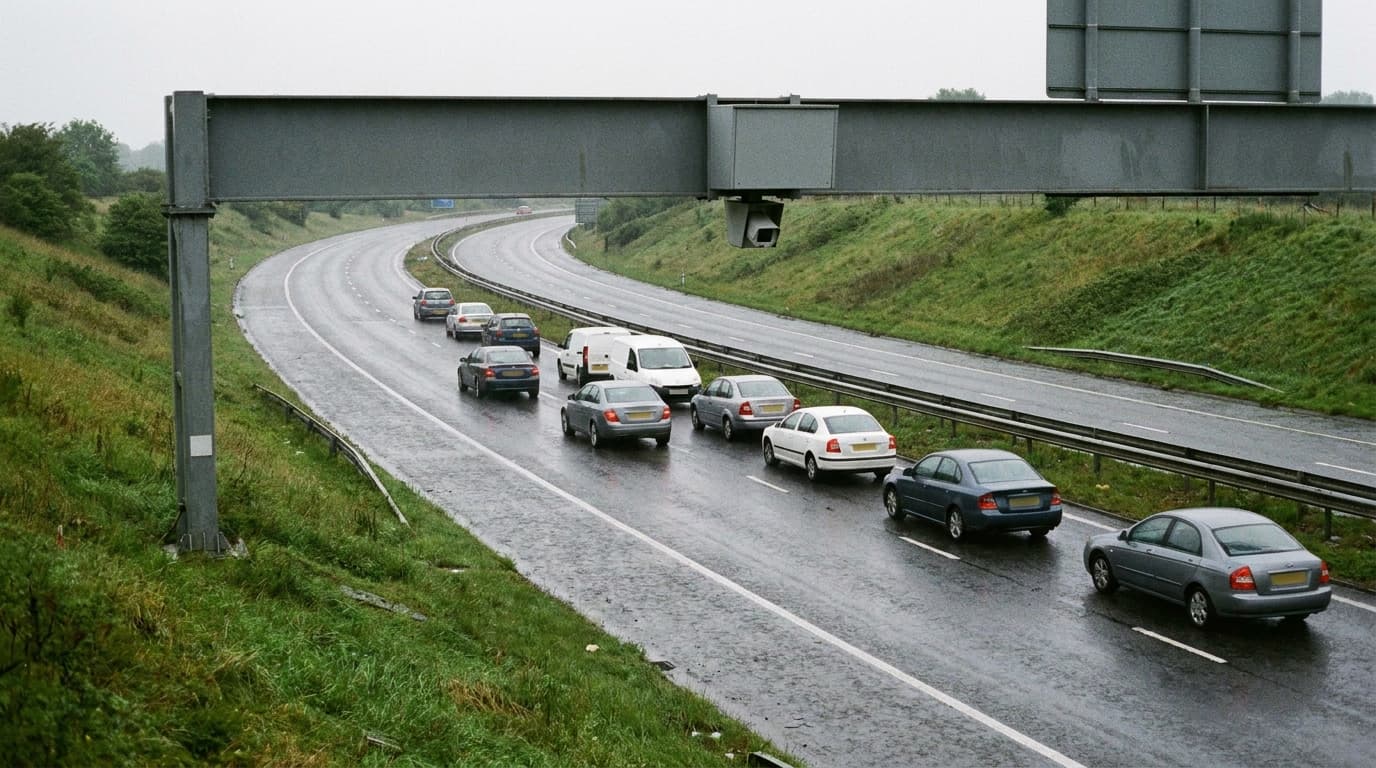
Penalty points (endorsements) go on your driving record when you're convicted of a motoring offence or accept a fixed penalty. Reach 12 within 3 years and you face a "totting-up" ban, this page explains the thresholds, common codes, and how long points stay on your licence.
What are penalty points
Penalty points, known formally as endorsements, are recorded against your driving licence when you're convicted of a motoring offence in court or you accept a fixed penalty notice instead of going to court. Each endorsement carries a code (like SP30 or DR10) and a number of points, and it stays visible on your driving record for a set period even after any points have "expired" for totting-up purposes.
Endorsements are separate from the fine or other penalty attached to the offence. You can receive points alongside a fine, a driving ban, or both, depending on the offence and how serious it was.
Totting-up: the 12-point rule
If you build up 12 or more penalty points within a 3-year period, you're at risk of disqualification under the "totting-up" provisions in section 35 of the Road Traffic Offenders Act 1988. This applies regardless of which offences the points came from, it's the total that counts, not the type of offence.

The minimum disqualification periods are:
- 6 months for a first totting-up ban
- 1 year if you've had one other disqualification of 56 days or more in the 3 years before the latest offence
- 2 years if you've had more than one such disqualification in that period
The court works out your points total as at the date of the offence that pushes you to 12 or more, not the date of sentencing. This means a later offence can still trigger a ban even if some earlier points would otherwise have expired for totting-up purposes by the time you're sentenced.
Exceptional hardship
Magistrates have discretion not to disqualify, or to reduce the ban, if disqualification would cause "exceptional hardship" to the driver or others, for example losing a job that depends on driving with no realistic alternative. The bar is genuinely high: ordinary inconvenience, or hardship that many drivers facing a ban would share, is not enough. Circumstances a court has already taken into account to avoid or shorten a ban in the 3 years before the conviction cannot be relied on again. Anyone considering this argument in a real case should get advice from a solicitor rather than relying on general guidance, since the outcome depends heavily on the specific facts put before the court.
New drivers: the 6-point rule
Under the Road Traffic (New Drivers) Act 1995, a driver who reaches 6 or more penalty points within 2 years of passing their first driving test has their licence automatically revoked. This applies even if a single offence brings the total to 6, and even if the points come from more than one incident.
A revoked new-driver licence isn't just suspended, it's cancelled. To drive again, you must reapply for a provisional licence and re-sit both the theory test and the practical driving test, exactly as if you were learning from scratch. Points picked up during the 2-year new-driver period still count toward this rule even if some of them would later expire for general totting-up purposes.
How long points stay on your licence
Endorsements remain on your driving record for either 4 or 11 years, depending on the offence:
- 4 years from the date of the offence for most endorsements, including speeding and mobile phone offences
- 11 years from the date of conviction for drink-driving and drug-driving offences
Points only count toward the 12-point totting-up total for 3 years from the date of the offence, even though the endorsement itself stays on record for longer. After the retention period ends, the endorsement is removed from your licence record entirely.
Common endorsement codes
| Code | Offence | Points | Retention |
|---|---|---|---|
| SP30 | Exceeding the speed limit on a public road | 3-6 | 4 years |
| DR10 | Driving or attempting to drive with alcohol above the limit | 3-11 | 11 years |
| IN10 | Using a vehicle uninsured against third-party risks | 6-8 | 4 years |
| CU80 | Breach of requirements as to control of the vehicle, such as using a hand-held mobile phone | 3-6 (hand-held phone use: 6) | 4 years |

This is not a full list of endorsement codes, gov.uk publishes the complete table covering dozens of offences from careless driving to failing to stop after an accident.
Checking your points
You can check the points on your driving licence, along with any current disqualifications, using the DVLA's free online service. You'll need your driving licence number, and you can also generate a licence "check code" to share your record with an employer or a car hire company without handing over the physical licence. See our page on how to check your driving licence points for the step-by-step process.
Northern Ireland runs a parallel system. The Acts cited on this page apply in Great Britain, NI licences are issued by the Driver & Vehicle Agency (DVA) rather than the DVLA, and gov.uk notes that endorsement codes and processes in Northern Ireland are different. The same 12 points in 3 years totting-up rule applies there, and a new driver who reaches 6 points within 2 years of passing loses their licence under the New Drivers (NI) Order. NI drivers check their endorsement details with the DVA.
Related pages
For the offences that most often add points to a licence, see our guides to speeding fines in the UK and driving without insurance.
Our speeding fine calculator estimates the fine band and penalty points a magistrates' court can impose for a speeding offence in England and Wales. If you need to check your own record, use the DVLA licence check service covered on our checking driving licence points page. For the full picture of UK driving law, visit the driving laws hub, or the United Kingdom hub for our wider coverage of UK law.

This page is for general information only and does not constitute legal advice. If you're facing a totting-up hearing, a new-driver revocation, or any other driving disqualification, get advice from a qualified solicitor about your specific circumstances.
Frequently Asked Questions
How many points before I lose my licence?
There is no set number that bans you outright. What matters is reaching 12 or more points within 3 years, which triggers totting-up disqualification, or reaching 6 or more points within 2 years of passing your first test as a new driver, which triggers automatic revocation.
Do penalty points expire?
Points count toward the 12-point totting-up total for 3 years from the date of the offence. The endorsement itself stays on your driving record for 4 years for most offences, or 11 years for drink-driving and drug-driving offences.
What is the minimum ban for totting up 12 points?
The minimum is 6 months. It rises to 1 year if you've had one other disqualification of 56 days or more in the 3 years before the latest offence, and 2 years if you've had more than one.
Can I avoid a totting-up ban?
A court can decide not to disqualify, or to reduce the ban, if you can show 'exceptional hardship'. This is a high bar and is assessed on the specific facts of your situation, so anyone facing a real totting-up hearing should seek advice from a solicitor.
What happens if a new driver gets 6 points?
Their licence is automatically revoked under the Road Traffic (New Drivers) Act 1995. They must reapply for a provisional licence and re-sit both the theory and practical driving tests before they can drive unsupervised again.
What is SP30 on a driving licence?
SP30 is the endorsement code for exceeding the speed limit on a public road, other than a motorway. It typically carries 3 to 6 penalty points.
Why does DR10 stay on my licence for so long?
Drink-driving and drug-driving endorsements, such as DR10, are retained for 11 years from the date of conviction because of the seriousness with which impaired driving is treated, compared with the 4-year retention for most other offences.
Can I check my own penalty points online?
Yes. The DVLA's free 'view driving licence' service lets you check your points and any disqualifications, and lets you generate a check code to share your record with someone else without handing over your physical licence.
Updates
Added that only an earlier ban of 56 days or more raises the minimum totting-up ban, corrected the exceptional-hardship rule to a bar on reusing the same circumstances within 3 years, corrected the CU80 description (hand-held phone use carries 6 points), added a Northern Ireland (DVA) note and replaced a dead Sentencing Council link.
Independently fact-checked against the cited primary sources; governing law re-checked for recent changes
The Law Behind This Article
This article rests on the statutory provisions below, held in our own legal record and retrieved from the official source. Tap a section to read the operative text.
Road Traffic Offenders Act 1988
s. 35Disqualification for repeated offences.In force
(1) Where— (a) a person is convicted of an offence to which this subsection applies , and (b) the penalty points to be taken into account on that occasion number twelve or more, the court must order him to be disqualified for not less than the minimum period unless the court is satisfied, having regard to all the circumstances, that there are grounds for mitigating the normal consequences of the conviction and thinks fit to order him to be disqualified for a shorter period or not to order him to be disqualified. (1A) Subsection (1) above applies to— (a) an offence involving discretionary disqualification and obligatory endorsement, and (b) an offence involving obligatory disqualification in respect of which no order is made under section 34 of this Act. (2) The minimum period referred to in subsection (1) above is— (a) six months if no previous disqualification imposed on the offender is to be taken into account, and (b) one year if one, and two years if more than one, such disqualification is to be taken into account;
Official text (excerpt) · last checked 2026-08-14 · Read the full text in our law library · Verify at legislation.gov.uk
Search our record of UK legislation — retrieved from legislation.gov.uk →
Sources and References
- gov.uk: Penalty points and driving disqualifications(gov.uk).gov
- gov.uk: Endorsement codes for driving offences(gov.uk).gov
- Road Traffic Offenders Act 1988, section 35 (totting-up disqualification)(legislation.gov.uk).gov
- Road Traffic (New Drivers) Act 1995(legislation.gov.uk).gov
- Sentencing Council: Road traffic offences, totting up disqualification (explanatory material)(sentencingcouncil.org.uk)
- gov.uk: Check your driving licence information(gov.uk).gov
- Road Traffic Offenders Act 1988, Schedule 2 Part I (s.41D: 3 points, or 6 for hand-held mobile phone use)(www.legislation.gov.uk).gov
- nidirect: Endorsements and penalty points in Northern Ireland (DVA, 12-point totting-up, New Drivers (NI) Order)(www.nidirect.gov.uk).gov